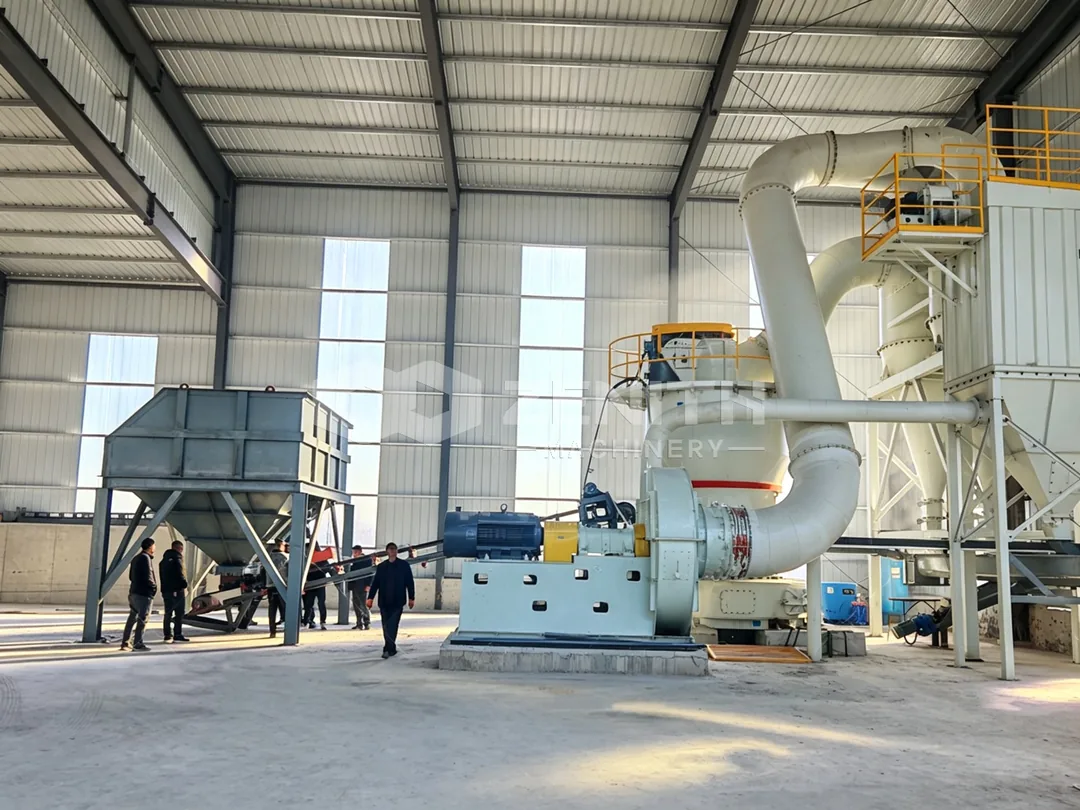
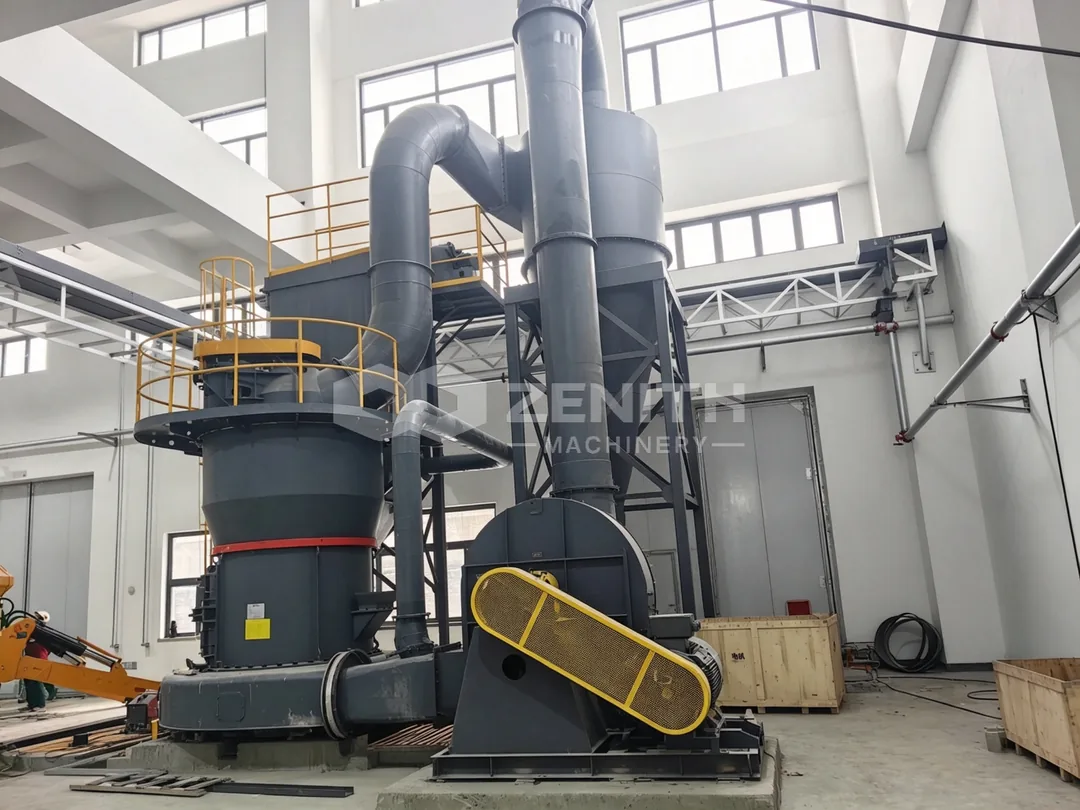
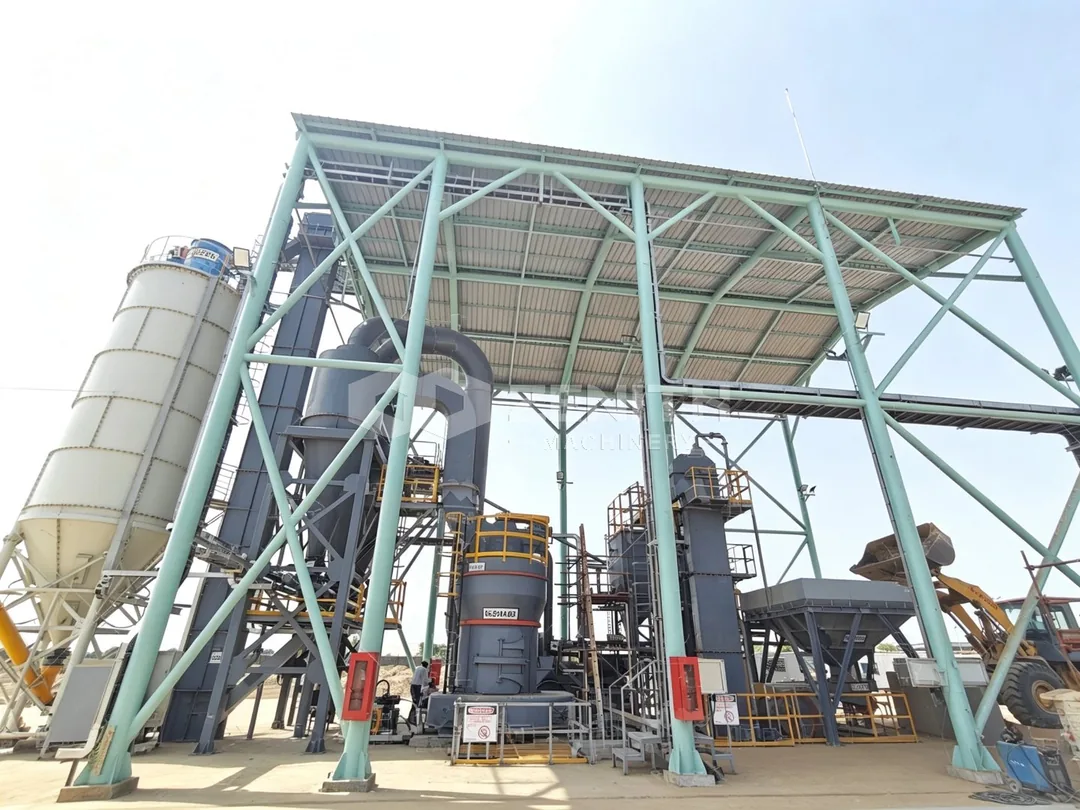
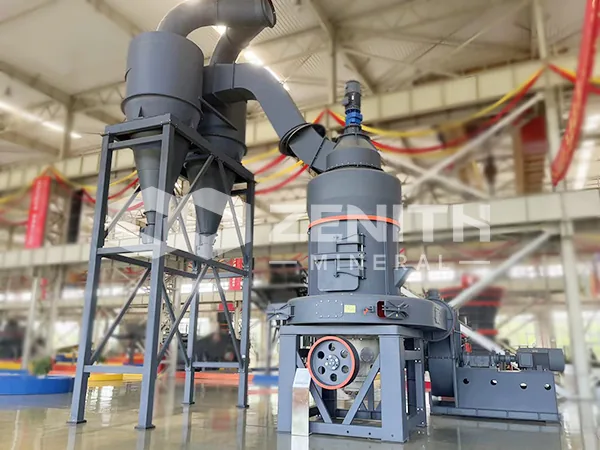
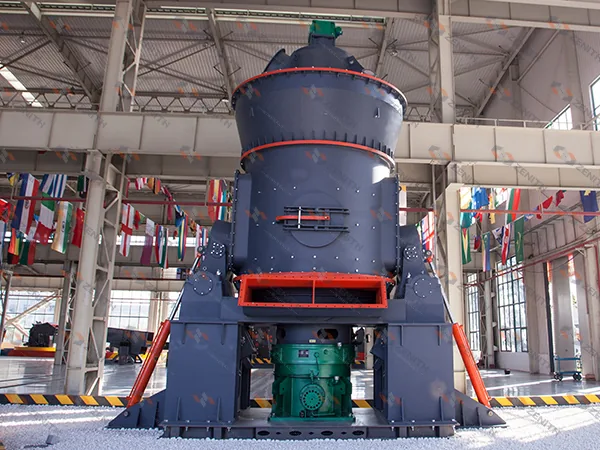
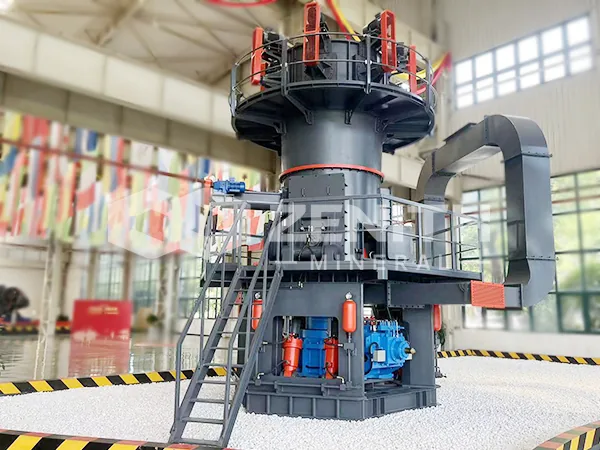
A powder processing project in sri lanka, producing dolomite and calcite powder, has a capacity of 5-10 tons per hour. the finished product has a fineness of 8 microns and a d97 grade, and is used in the coatings industry.
2026-04-13 02:24:20
In the dynamic and quality-driven coatings industry of Sri Lanka, a new benchmark for mineral powder production has been set. A recently commissioned processing project, with an impressive capacity of 5-10 tons per hour, is delivering high-purity dolomite and calcite powder with a critical fineness specification of 8 microns (D97). This project exemplifies how advanced engineering and precise equipment selection can meet the stringent demands of modern industrial applications.
The success of such an operation hinges on the grinding technology at its core. For producing ultrafine powders in the micron and sub-micron range—essential for achieving opacity, gloss control, and durability in coatings—traditional milling methods often fall short. They struggle with energy efficiency, consistent particle size distribution, and maintaining the chemical purity of non-metallic minerals like dolomite and calcite. This is where specialized grinding solutions from global leaders like Shanghai Zenith Machinery become indispensable.
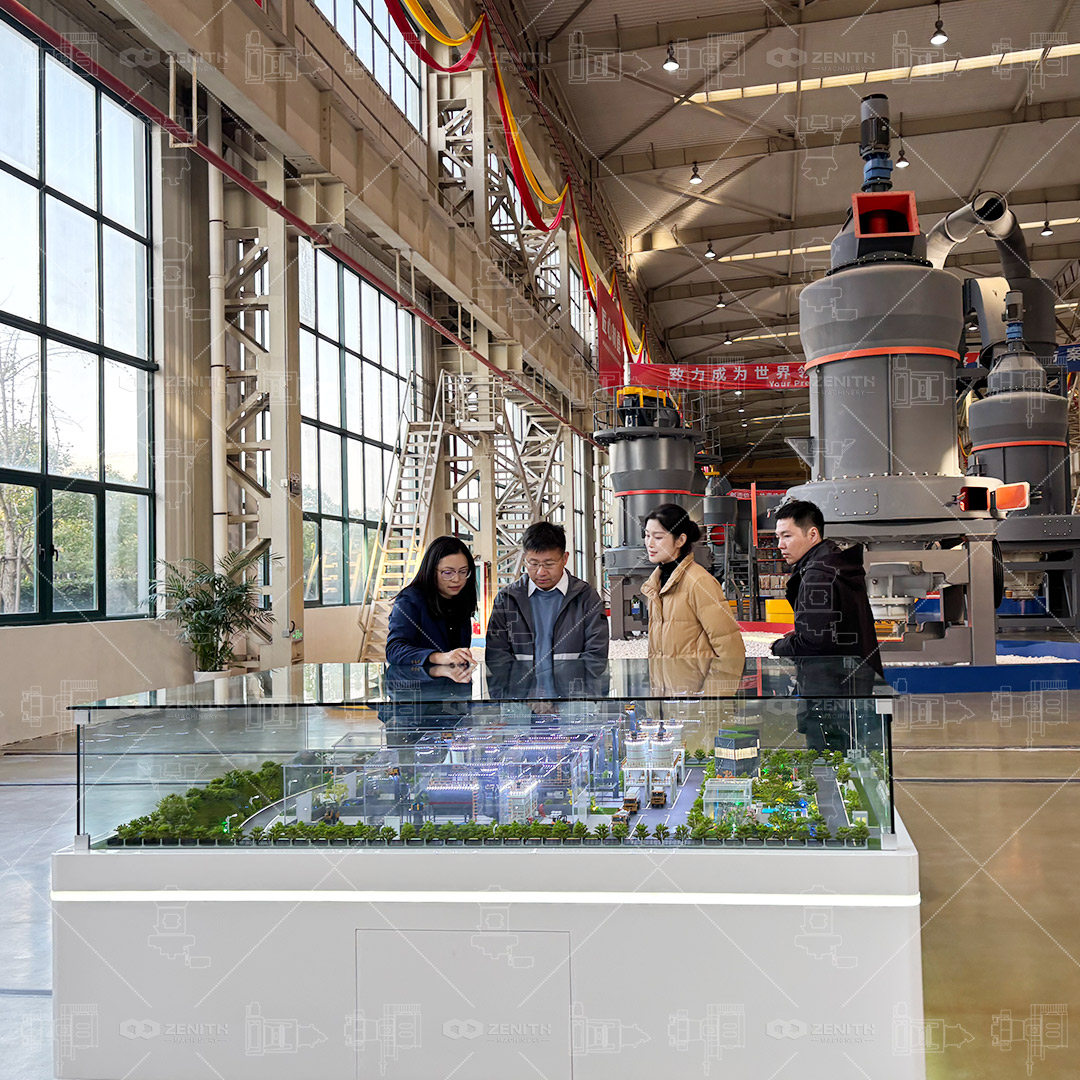
Zenith's expertise in industrial powder processing, backed by ISO, CE, and CU-TR certifications, provides a robust foundation. For this specific Sri Lankan project, achieving a consistent D97 of 8 microns points towards the deployment of high-precision ultrafine grinding mills. While several models in Zenith's portfolio are capable, the LUM Ultrafine Vertical Grinding Mill and the XZM Ultrafine Grinding Mill are particularly relevant. These systems are engineered for exactly this type of challenge, integrating grinding, classification, and conveying into a single, efficient unit.
The LUM series, for instance, is a standout for processing calcite and dolomite. Its design, incorporating advanced grinding roller and powder separating technology from Germany and Taiwan, ensures high material purity—a non-negotiable factor for coatings where iron contamination can affect color and stability. Operating under negative pressure, the mill guarantees an environmentally friendly process with no dust spillage, aligning with global environmental standards. With an output range extending to 2500 mesh (approximately 5-6 microns), achieving a stable 8-micron product is well within its capable and efficient operating window.
Similarly, the XZM Ultrafine Grinding Mill offers exceptional flexibility. Its key advantage for this application is the ability to make arbitrary adjustments to fineness between 325 and 2500 meshes via a variable frequency drive (VFD) on the classifier. This allows operators to dial in the exact D97 requirement of 8 microns with precision and repeatability. Furthermore, its energy-saving profile, reportedly 40% more efficient than some alternative ultrafine milling technologies, directly translates to lower operational costs for the 5-10 tph production line, enhancing the project's long-term viability.
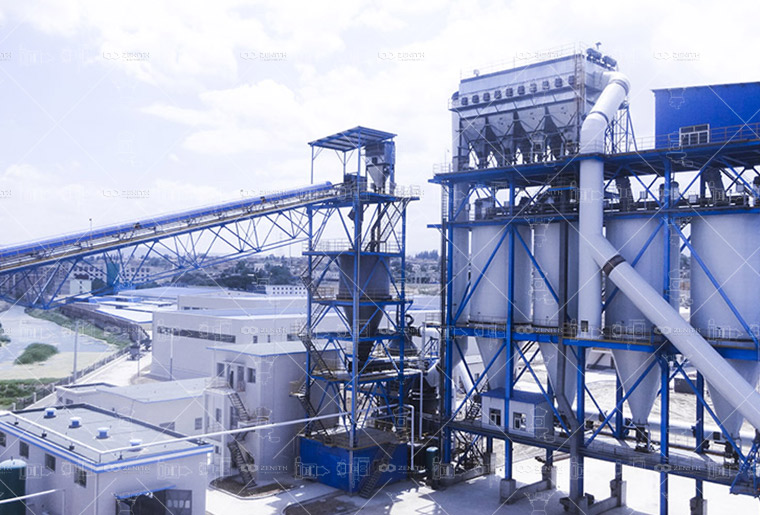
Beyond the mill itself, the project's capacity necessitates a holistic system approach. From the initial crushing of raw dolomite and calcite ore—potentially using a Hammer Mill for coarse pre-processing—to the final collection in high-efficiency cyclone and pulse dust collectors, every component must be synchronized. Zenith's philosophy of providing integrated production systems, from bulk material to finished powder, minimizes footprint and foundational investment, a significant consideration for any industrial project.
_1776018260029.jpg)
The impact of this project extends beyond its production metrics. By reliably supplying locally produced, high-grade dolomite and calcite powder, it strengthens Sri Lanka's domestic coatings manufacturing sector. It reduces reliance on imported fillers, ensures consistent supply chain logistics, and supports industries producing paints, sealants, and specialty coatings with a critical raw material that enhances product performance and competitiveness.
Frequently Asked Questions (FAQs)
- What is the significance of the 'D97 = 8 microns' specification for powder used in coatings?
D97 is a particle size distribution metric indicating that 97% of the powder particles are smaller than 8 microns. This ultra-fine and consistent size is crucial in coatings for ensuring smooth finish, even dispersion, excellent hiding power (opacity), and improved mechanical properties like scrub resistance. - Why choose vertical roller mills like the LUM for grinding calcite and dolomite?
Vertical roller mills like the LUM offer superior energy efficiency (30-50% less energy than ball mills), excellent control over product purity and whiteness, high automation, and environmentally sealed operation. They are specifically designed for the ultrafine grinding of non-metallic minerals. - Can the same grinding mill handle both dolomite and calcite ore effectively?
Yes, advanced mills like the Zenith LUM and XZM are highly adaptable to medium-hard non-metallic minerals. By adjusting parameters such as grinding pressure, classifier speed, and feed rate, the same mill can efficiently process both materials to the same stringent fineness standard. - How does the project ensure environmental compliance during operation?
The recommended grinding systems operate under negative pressure and are fully sealed, preventing dust escape. They are integrated with high-efficiency pulse jet bag dust collectors, ensuring emissions meet strict national and international environmental protection standards. - What kind of after-sales support is available for such a project in Sri Lanka?
With a marketing network covering over 180 countries and overseas offices in more than 30 nations, comprehensive support is available. This includes installation supervision, operator training, readily available spare parts, and remote technical assistance to ensure uninterrupted production. - Is the 5-10 tons per hour capacity fixed, or can it be adjusted?
The capacity is adjustable within a range. Mills like the XZM and LUM allow for flexibility in output. Production can be tuned based on feed rate and operational parameters, allowing the plant to respond to market demand while maintaining the target product fineness.