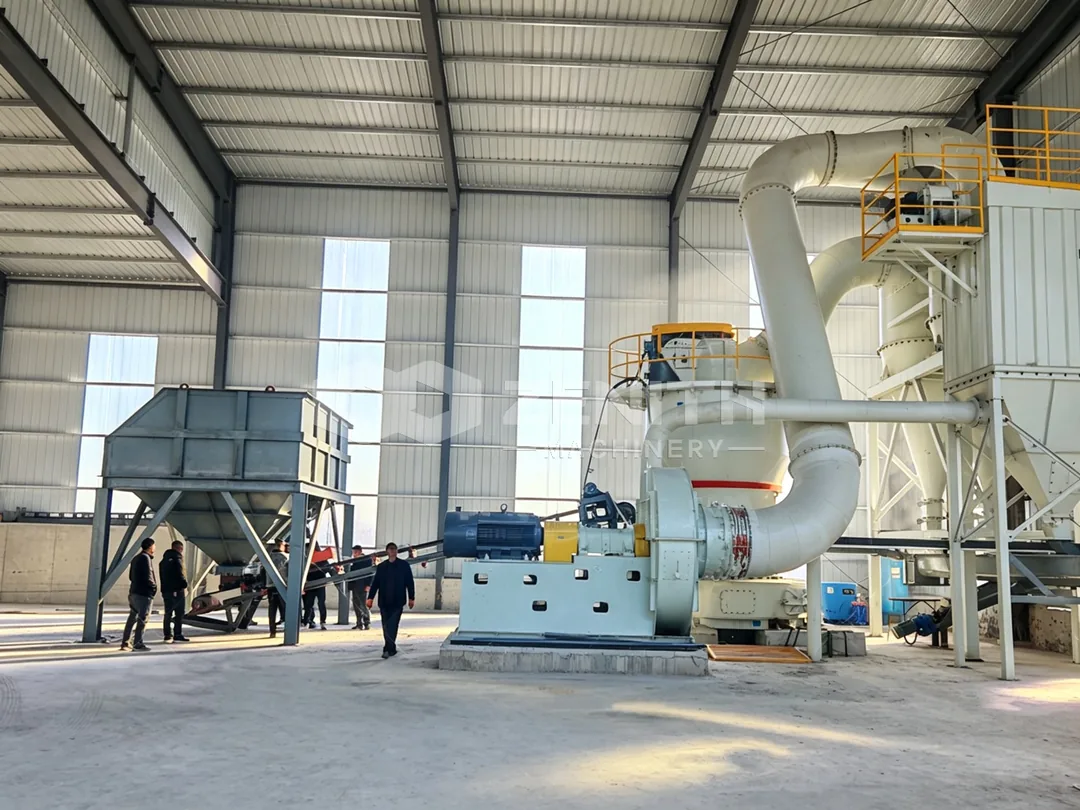
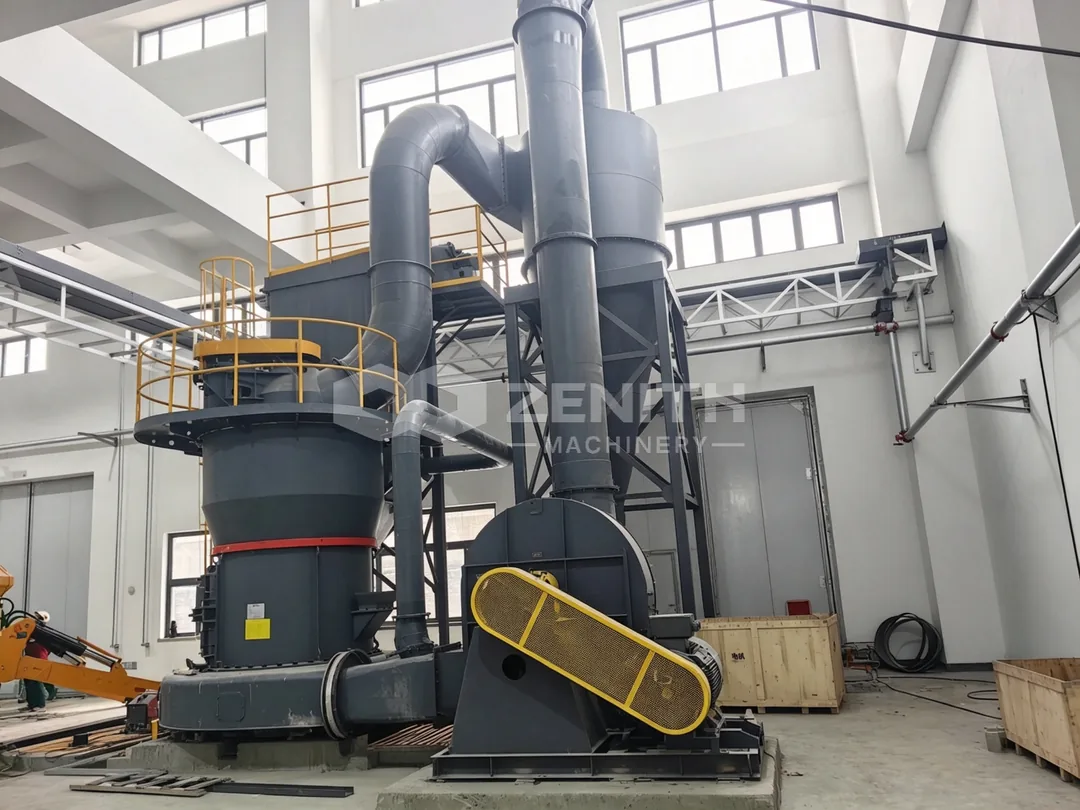
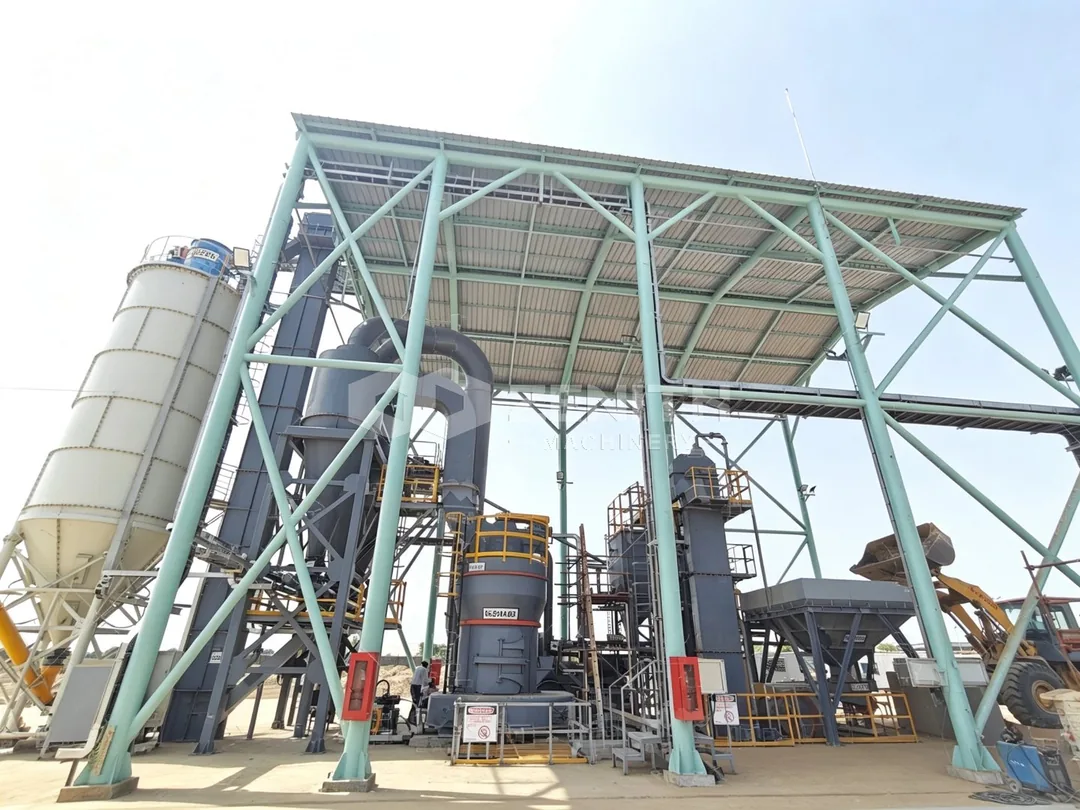
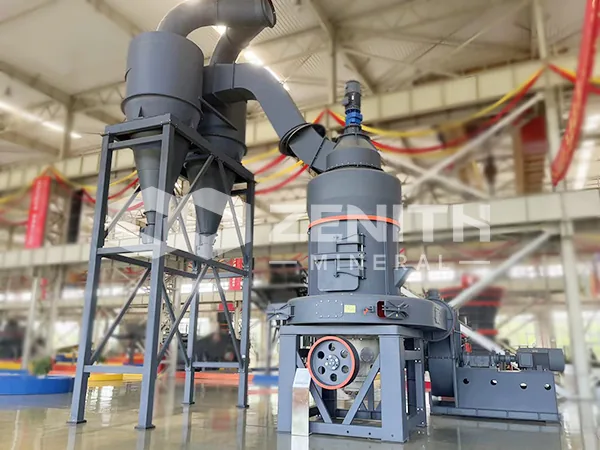
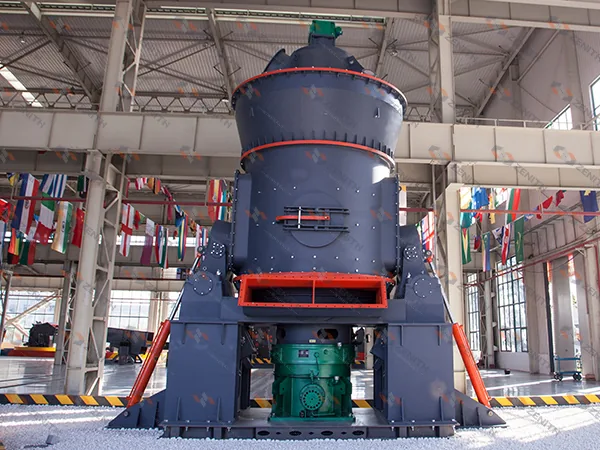
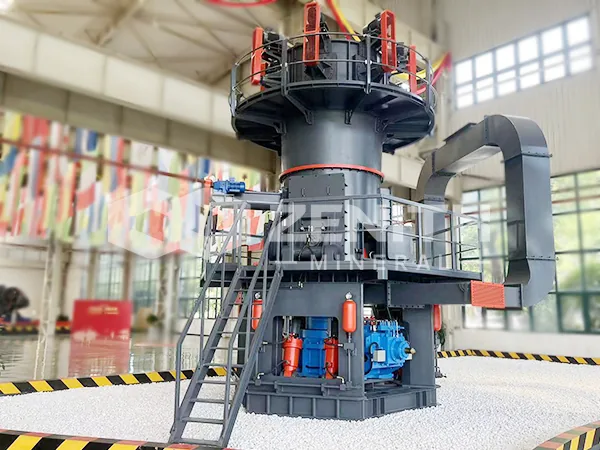
An egyptian company purchased an mtw european-style grinding mill to process phosphate rock, producing a fine powder of 100-200 mesh. the finished product will be used to manufacture lithium iron phosphate batteries.
2026-04-10 02:25:09
In a strategic move to position itself within the global lithium iron phosphate (LFP) battery value chain, a leading Egyptian industrial company has commissioned a state-of-the-art MTW European-style trapezium grinding mill from Shanghai Zenith Machinery. The mill is dedicated to processing phosphate rock into a consistent, high-purity fine powder within the critical 100-200 mesh range, a key raw material specification for advanced battery cathode production.
The selection process was rigorous, driven by the need for precision, reliability, and energy efficiency in a demanding industrial setting. After evaluating multiple technologies, the Egyptian partner identified Zenith's MTW series as the optimal solution. Its reputation for stable performance in producing fine powders for chemical and industrial applications aligned perfectly with the project's technical and economic goals. 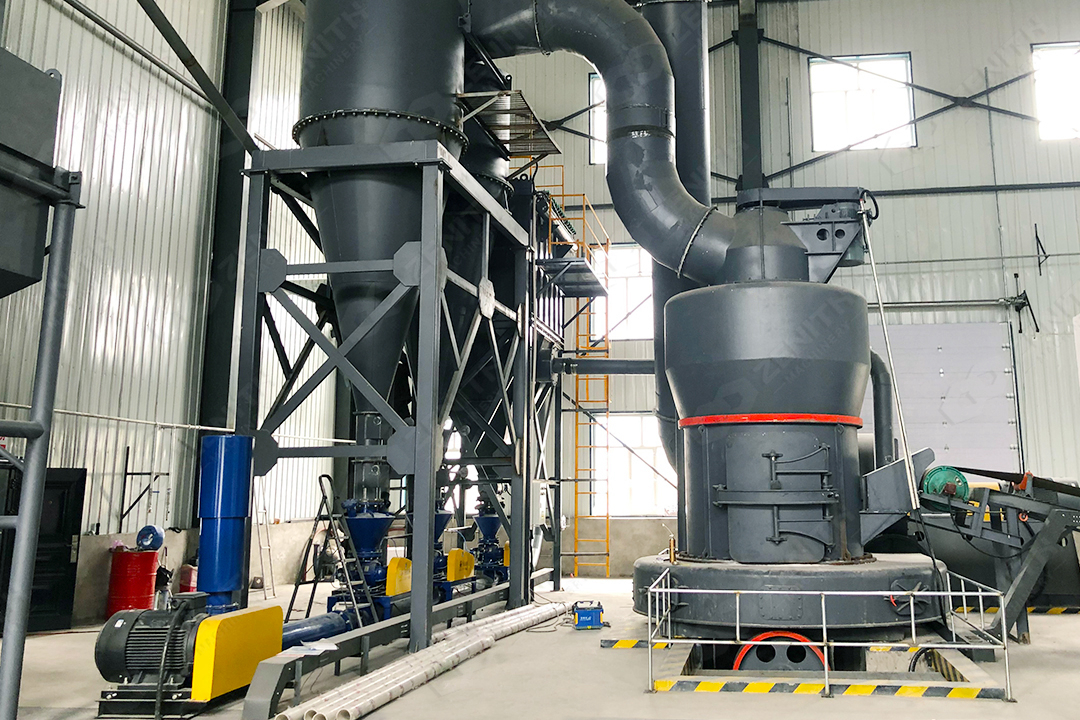
"Our investment is not just in equipment, but in a long-term partnership for quality," noted the project's lead engineer. "The transition to LFP battery technology demands raw materials of exceptional consistency and chemical purity. The MTW mill's design gives us precise control over the final product's particle size distribution, which is non-negotiable for battery performance."
The MTW mill's advantages were decisive. Its integrated production system—from bulk material handling to finished powder collection—minimized plant footprint and foundational investment. More critically, its advanced grinding geometry and high-efficiency impeller fan system promise energy savings of over 60% compared to traditional ball mill technology for the same output, a major factor in reducing operational costs and environmental impact. _1775759109563.jpg)
The ability to adjust output fineness via a modular impeller system provides operational flexibility. This feature allows the plant to fine-tune the product between 100 and 200 mesh or explore other specifications for different market segments without major mechanical overhauls. Furthermore, the system's operation under negative pressure, coupled with an integrated pulse dust collector, ensures a clean, dust-free workplace that meets stringent international environmental standards.
Shanghai Zenith's global support network, with offices in over 30 countries, provided additional assurance. The company's hi-tech engineering focus and certifications, including ISO, CE, and CU-TR, underscored its capability to deliver and support industrial-grade machinery for critical applications. _1775759109572.jpg)
This project highlights a growing trend: resource-rich nations are moving beyond raw material extraction to value-added processing for high-tech industries. By deploying Zenith's grinding technology, the Egyptian company is not merely supplying phosphate rock; it is delivering a engineered powder ready for the exacting processes of lithium iron phosphate battery manufacturing, securing a more competitive position in the renewable energy ecosystem.
Frequently Asked Questions (FAQs)
- Why was the MTW series chosen over other grinding mills for this application?
The MTW mill offers an ideal balance of high capacity (up to 50 TPH on larger models), precise fineness control within the 80-400 mesh range, and exceptional energy efficiency. Its proven stability in producing fine powders for chemical applications made it a superior fit for the consistent quality required in battery-grade material. - What is the significance of producing powder in the 100-200 mesh range for LFP batteries?
This specific particle size range optimizes the surface area and reactivity of the phosphate material. It ensures uniform mixing with lithium and iron sources during cathode synthesis, leading to better battery density, stability, and charge/discharge performance. - How does the MTW mill achieve over 60% lower energy consumption compared to a ball mill?
It utilizes an advanced grinding roller and curve design that applies material bed grinding principle, creating higher grinding efficiency with less friction and wear. The high-efficiency impeller fan also reduces power needed for airflow and classification. - Can the system handle variations in the input phosphate rock hardness or moisture?
Yes, the MTW European Trapezium Mill is designed with strong adaptability to material variations. The grinding force and airflow can be adjusted to maintain consistent output fineness and throughput despite reasonable fluctuations in feed material properties. - What dust control and environmental protections are integrated into the system?
The entire grinding circuit operates under negative pressure, preventing dust leakage. A high-efficiency pulse jet bag dust collector is standard, ensuring emissions are well below national and international environmental protection standards. - Does Zenith provide support for installation and operational training?
Absolutely. Zenith offers comprehensive technical support, including foundation drawing, layout guidance, installation supervision, and detailed operational training for local engineers to ensure optimal and safe mill performance. - Is the output fineness adjustable after installation, and how is it done?
Yes, fineness is easily adjustable. The mill features a modular impeller adjustment device on the powder classifier. Changing the impeller speed or configuration allows operators to produce different fineness levels, such as shifting within the 100-200 mesh band, without stopping production for prolonged periods.