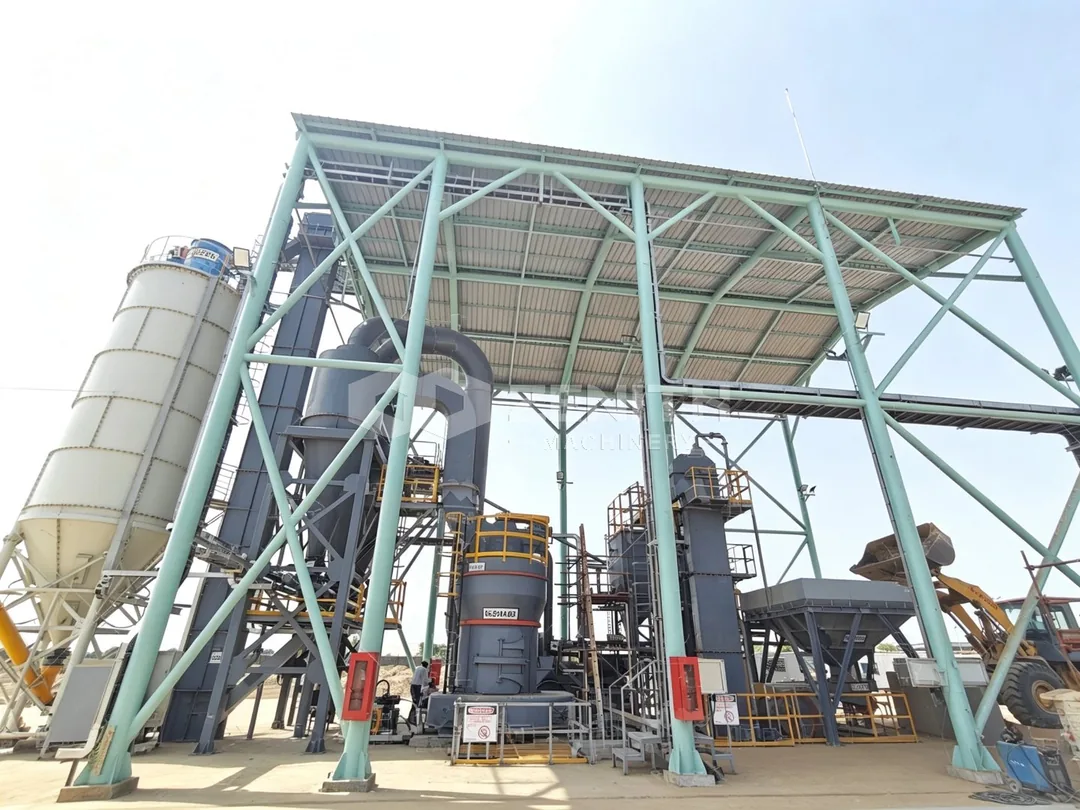
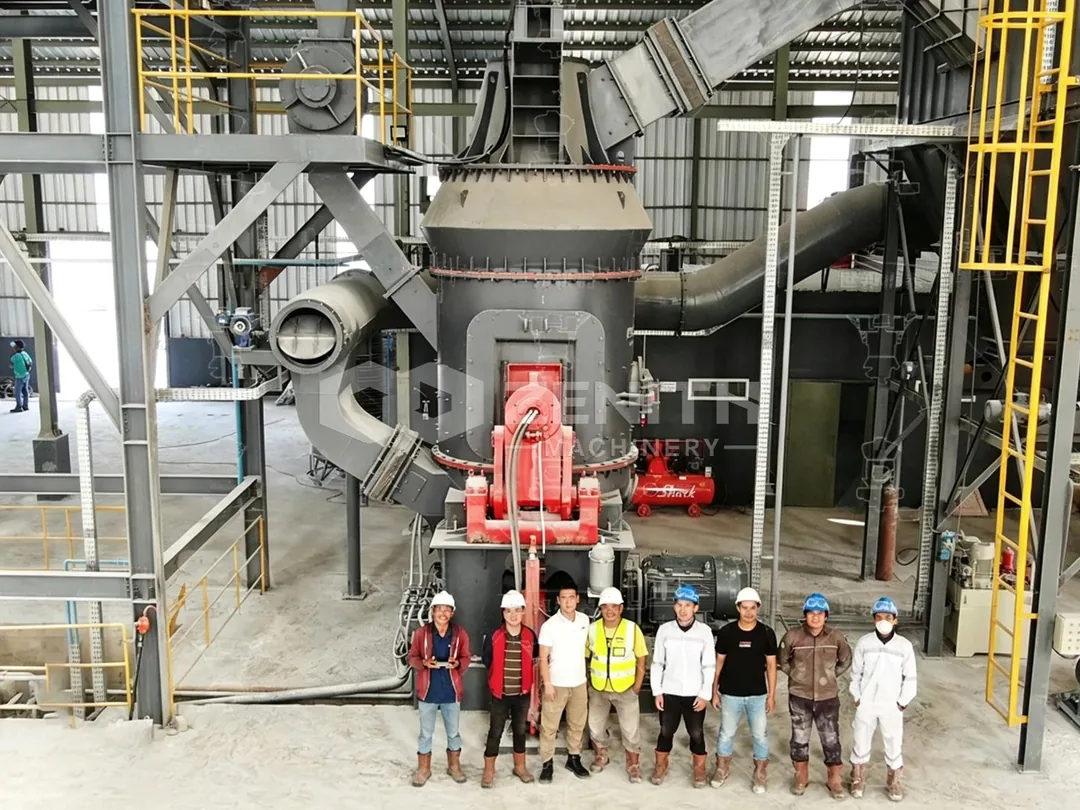
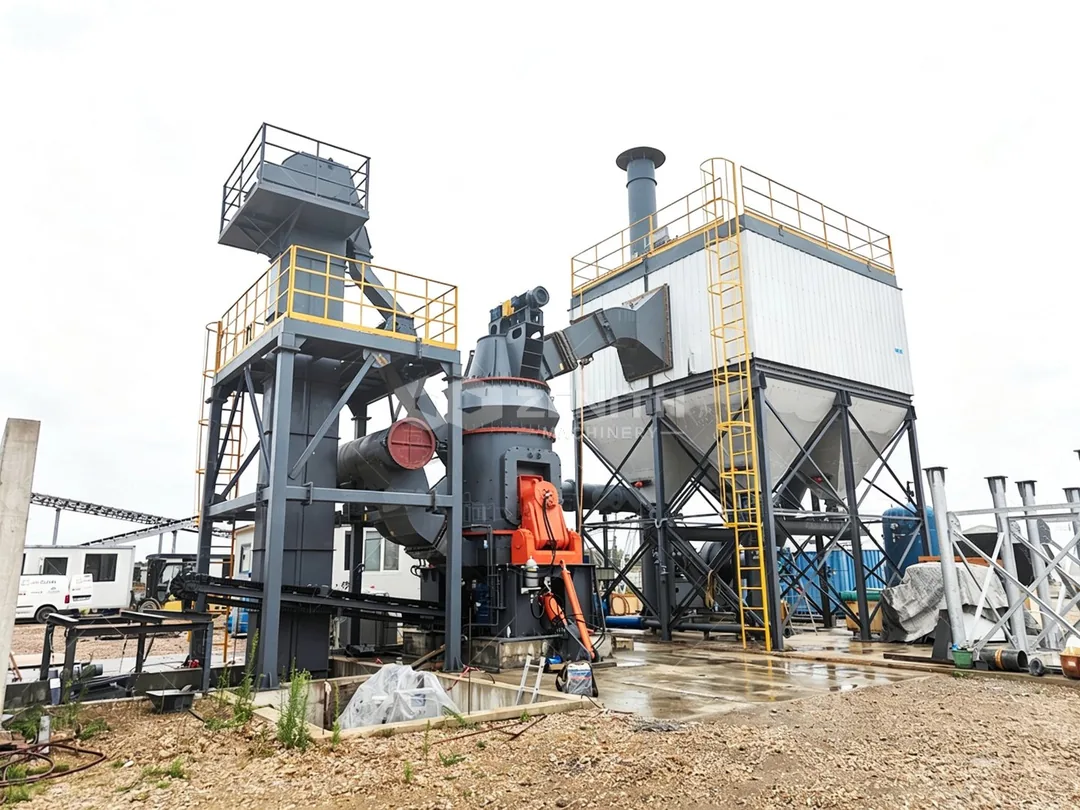
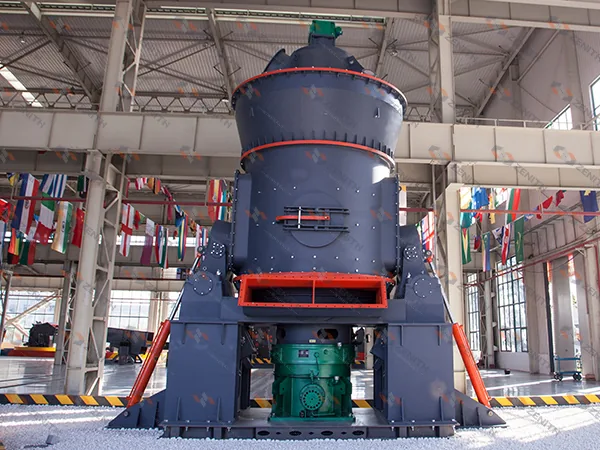
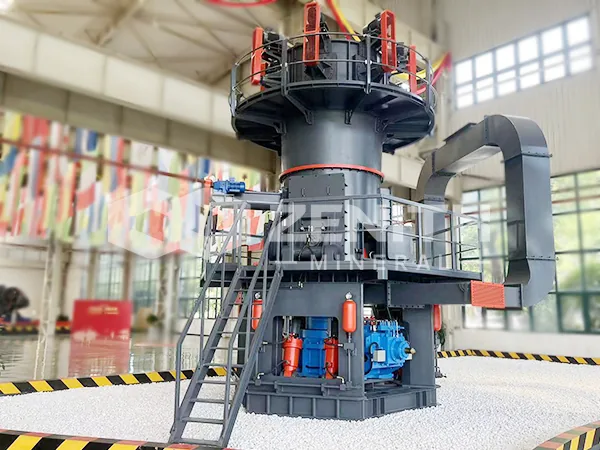
Building materials factory in syria purchased an mtw european-style grinding mill to process crushed glass, granite, and marble. the finished product has a fineness of 50 microns and will be used to produce terrazzo tiles and artificial stone.
2026-04-08 02:28:36
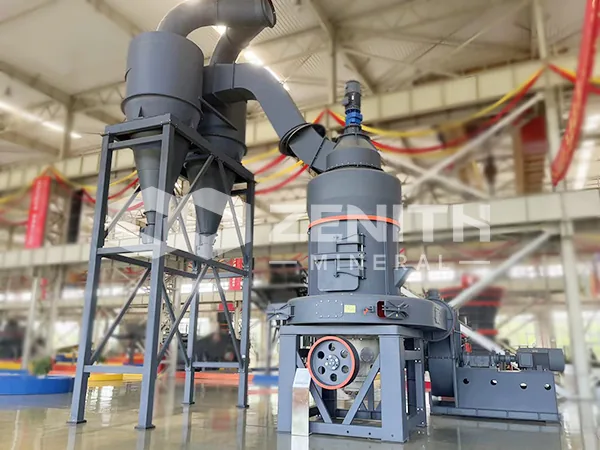
In the heart of Syria's rebuilding efforts, a forward-thinking building materials factory has made a strategic investment to enhance its production capabilities and product quality. The company has recently integrated an MTW European-style trapezium grinding mill from Shanghai Zenith Machinery into its operations. This advanced equipment is tasked with a crucial mission: processing recycled crushed glass alongside natural granite and marble into a fine, consistent powder with a target fineness of 50 microns. The resulting high-quality mineral powder is a key component in manufacturing premium terrazzo tiles and engineered artificial stone, materials essential for modern, durable construction and interior design.
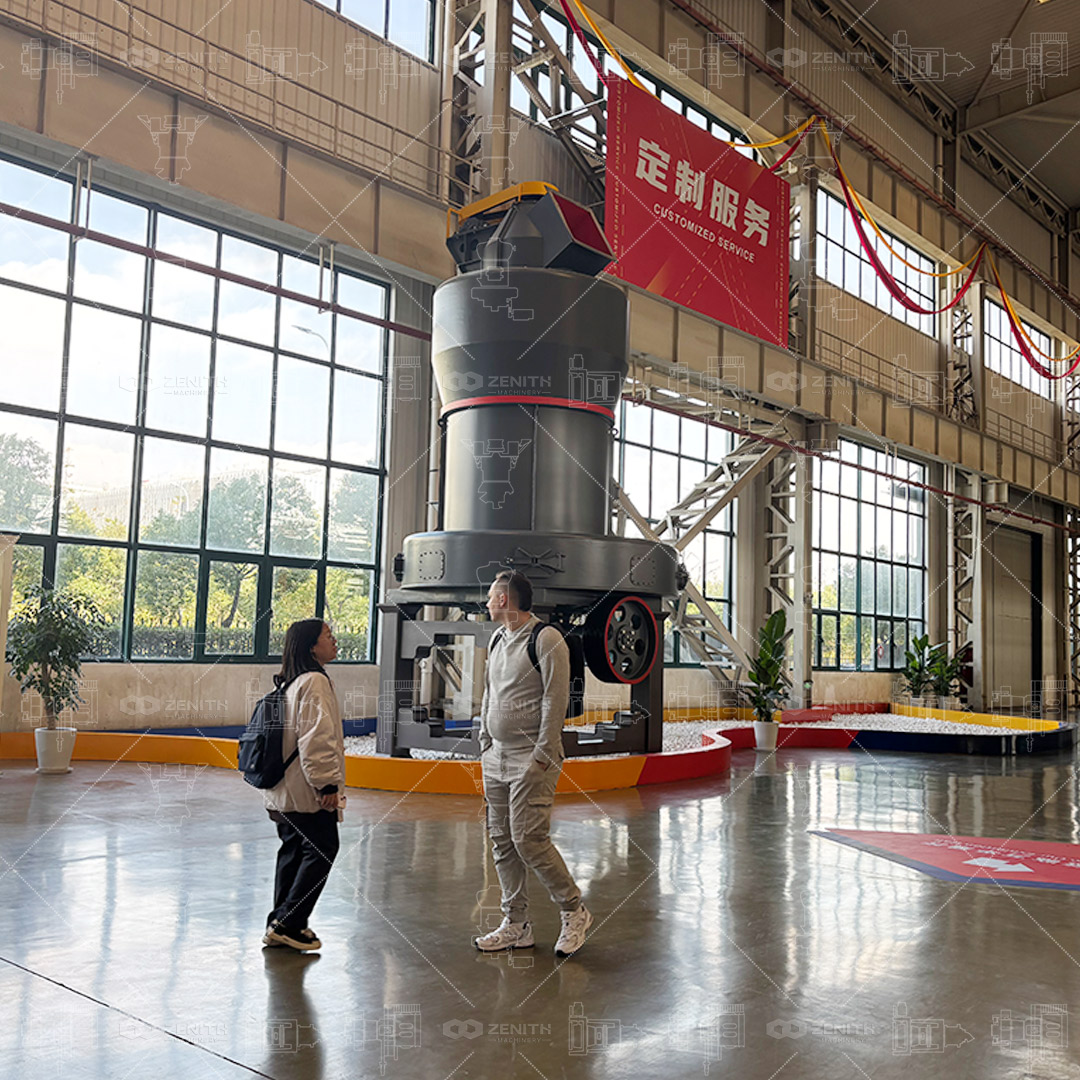
The choice of the MTW mill was driven by a need for precision, efficiency, and adaptability. Terrazzo and artificial stone production demand fillers and aggregates of exceptional uniformity and specific particle size distribution to ensure product strength, aesthetic appeal, and surface integrity. With an adjustable output fineness ranging from 30 to 325 mesh (approximately 600 to 45 microns), the MTW mill's modular impeller adjustment system allows operators to dial in the exact 50-micron specification reliably. This precision is paramount for achieving the smooth finish and binding properties required in the final composite materials.
Beyond precision, operational economy and reliability were decisive factors. The MTW series is renowned for its integrated production system—from bulk material handling to finished powder collection—which minimizes the factory's footprint and reduces foundational investment. More critically, in a region where energy costs and conservation are significant concerns, the mill's design promises over 60% lower energy consumption compared to traditional ball mills of similar capacity. This translates directly into lower production costs and a more sustainable manufacturing process, aligning with global trends towards greener industry practices.
The processing of mixed materials like glass, granite, and marble presents unique challenges, including varying hardness and abrasiveness. The MTW mill's robust construction and efficient grinding principle are well-suited for this task. After initial crushing, materials are fed into the grinding chamber and pulverized. A high-efficiency impeller fan (with an air induction efficiency of 85%) transports the powder to an integrated classifier. Here, the 50-micron product is separated; oversize particles are returned for regrinding, while the finished powder is collected under negative pressure by a cyclone and pulse dust collector system, ensuring a clean, dust-free workshop that meets stringent environmental standards.
_1775586516500.jpg)
Shanghai Zenith, with its hi-tech engineering focus and global reach spanning over 180 countries, provided not just the equipment but a solution tailored to the factory's specific end-product goals. The MTW mill's capability to handle a feed size of 0-35mm and deliver a consistent 3-22 T/H capacity ensures a steady supply of raw powder for the tile and stone production lines. This reliability is crucial for maintaining production schedules in a demanding market.
The adoption of this technology represents more than just an equipment upgrade; it signifies a shift towards higher-value, precision-engineered building materials. By transforming local and recycled resources—crushed glass from post-consumer or industrial waste and indigenous stone—into a valuable industrial powder, the factory is contributing to a circular economy model. The high-quality terrazzo tiles and artificial stone produced will find use in residential, commercial, and public infrastructure projects, combining durability with aesthetic versatility.
_1775586516502.jpg)
Looking ahead, the success of this installation could set a benchmark for the building materials sector in the region. It demonstrates how targeted technological investment can overcome raw material processing challenges, improve product quality, reduce environmental impact, and enhance economic viability. The MTW European Trapezium Mill, in this context, is not merely a grinder but a cornerstone for innovation and sustainable growth in Syria's construction industry.
Frequently Asked Questions (FAQs)
- What makes the MTW mill suitable for processing a mix of materials like glass, granite, and marble?
The MTW mill features a robust design and an efficient grinding curve that can handle materials of varying hardness and abrasiveness. Its adjustable grinding parameters and high-performance classifier ensure a consistent product fineness even from a blended feed stock. - How does the mill achieve the precise fineness of 50 microns required for terrazzo production?
The mill is equipped with a modular impeller adjustment device on the powder classifier. By changing or adjusting the impeller speed (often via a VFD), the cut point of the air classifier can be precisely controlled to separate and yield powder at the exact 50-micron (approx. 300 mesh) specification. - What are the key environmental benefits of this grinding system?
The system operates under a fully enclosed negative pressure configuration with a pulse jet dust collector. This prevents dust spillage, contains noise, and ensures all emissions meet international environmental standards. Additionally, its high energy efficiency reduces the overall carbon footprint. - Can the same mill produce different powder fineness for other applications if needed?
Absolutely. One of the core features of the MTW series is its easily adjustable output fineness, typically from 30 mesh (600 microns) to 325 mesh (45 microns). This allows the factory flexibility to produce powders for other construction or industrial applications without major equipment changes. - How does the energy consumption compare to older grinding technologies?
Under ideal working conditions, the MTW European Trapezium Mill consumes over 60% less energy than a traditional ball mill of equivalent output and product fineness, leading to significant operational cost savings. - Is the system automated, and what is required for routine maintenance?
The mill system features a high degree of automation with centralized electrical control for easy monitoring and operation. Routine maintenance primarily involves checking and replacing wear parts like grinding rollers and rings, which are designed for easy access and replacement to minimize downtime. - Why choose Zenith's MTW mill over other grinding solutions for this application?
Zenith's MTW mill offers a proven, integrated solution combining large capacity, precise classification, exceptional energy efficiency, and a compact footprint. Backed by international certifications (ISO, CE, CU-TR) and global service support, it provides a reliable and economical total solution for modern mineral powder processing lines.