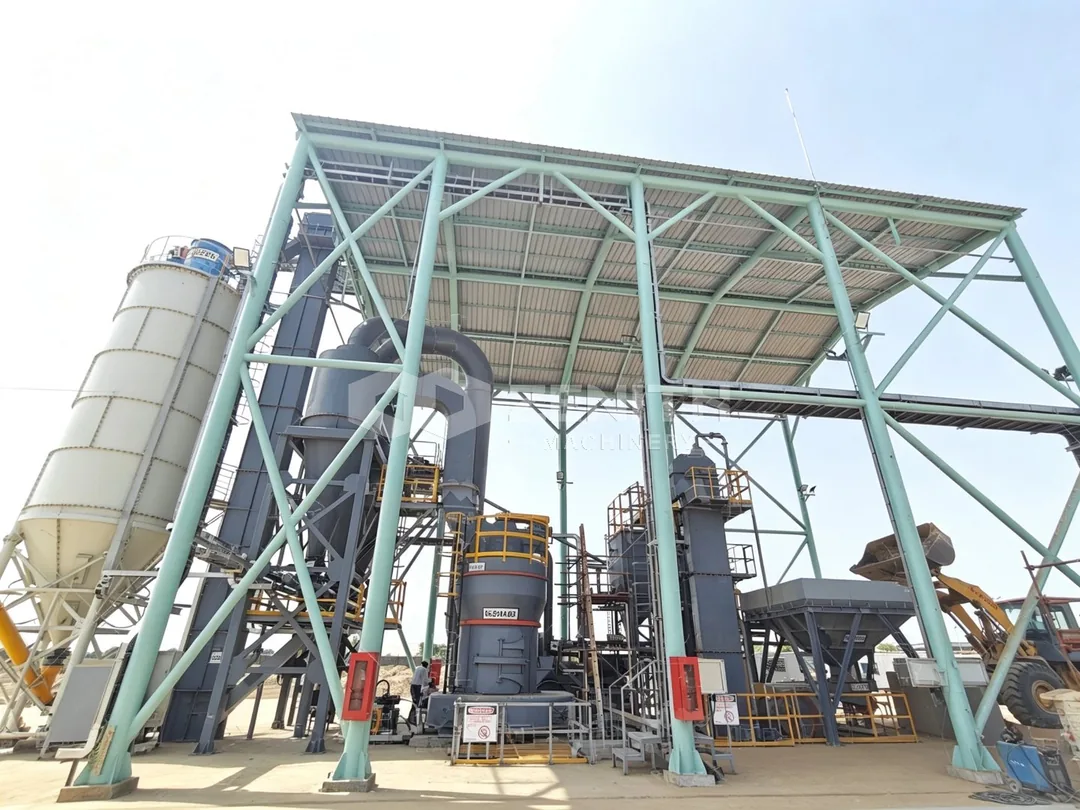
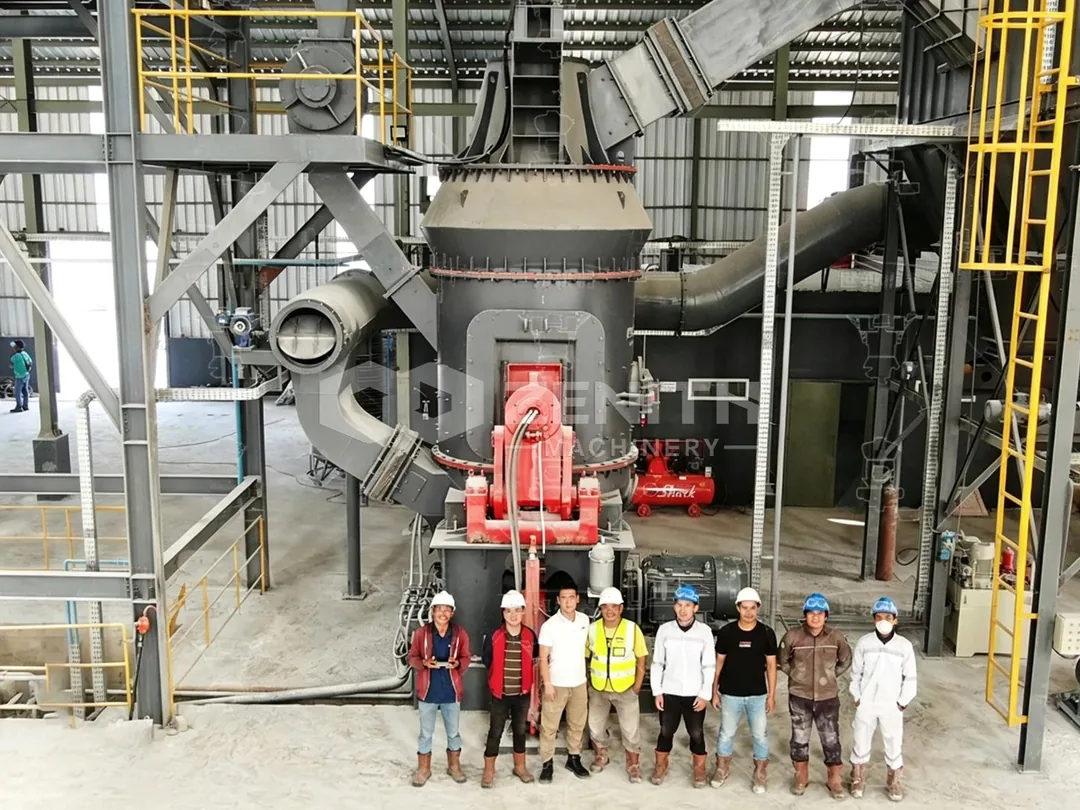
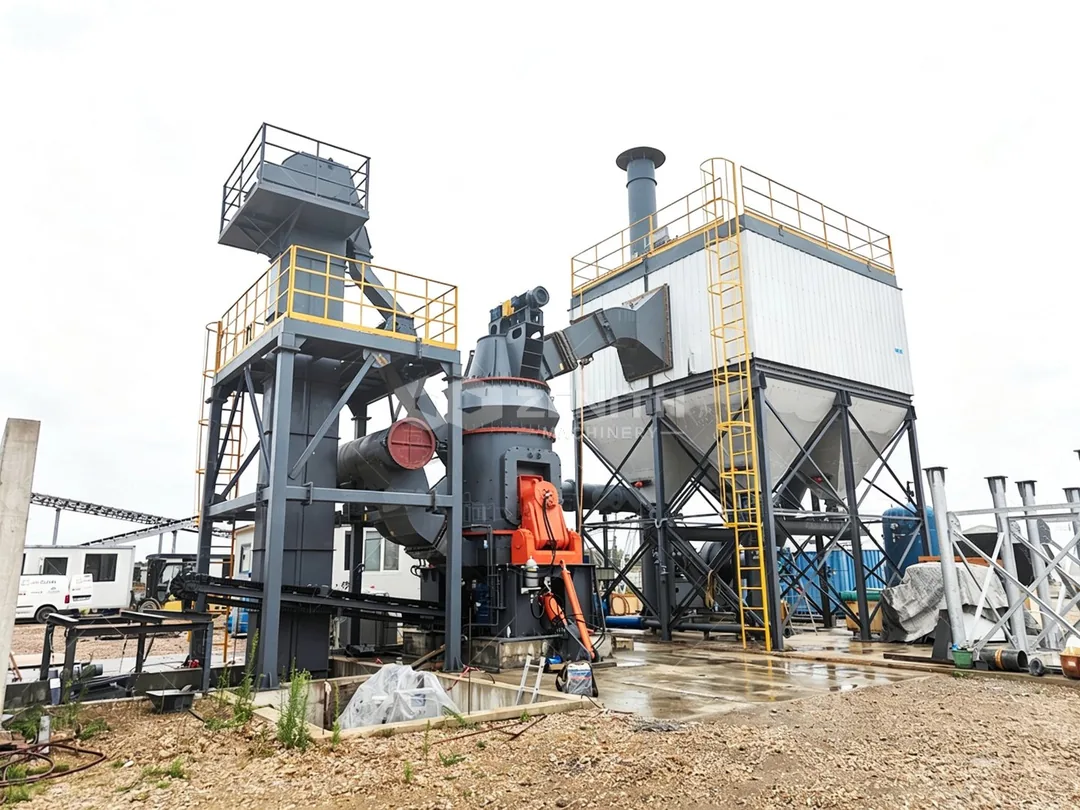
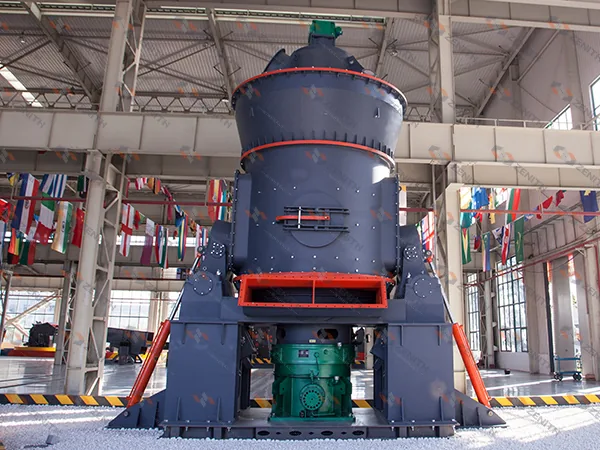
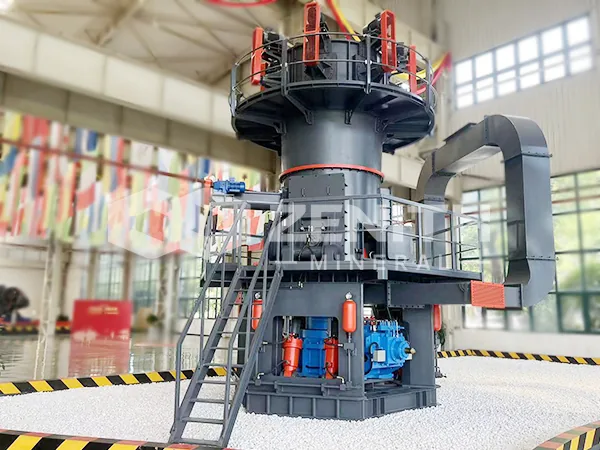
A quicklime grinding project at a lime plant yielded a finished product with a fineness of 200 mesh. the finished product is used for desulfurization in steel plants.
2026-04-01 02:24:20
In the demanding environment of modern steel production, efficient desulfurization is not just a process step—it’s a critical factor for product quality, operational cost, and environmental compliance. The effectiveness of this process hinges significantly on the quality of the desulfurizing agent, most commonly, finely ground quicklime. A recent project at a leading lime plant underscores this point perfectly. The objective was clear: produce a high-volume, consistent stream of quicklime powder with a precise fineness of 200 mesh, specifically optimized for injection into molten iron at a major steelworks. The success of this project was built upon selecting the right grinding technology.
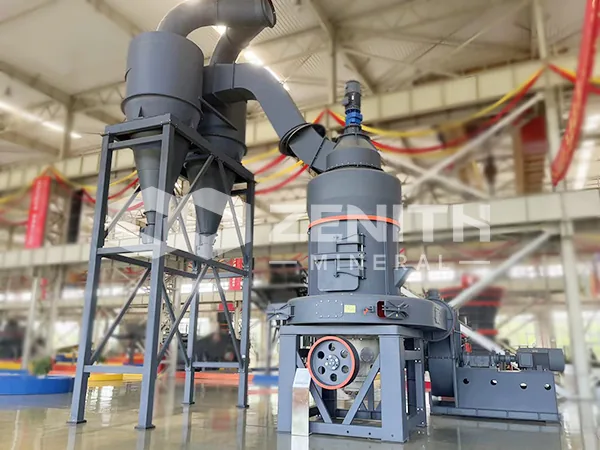
The challenge went beyond simply achieving a target mesh size. The application required a product with consistent particle size distribution to ensure rapid reaction kinetics and high sulfur removal efficiency. Furthermore, the grinding system needed to handle the abrasive nature of quicklime, offer high throughput to match steel plant consumption, and operate with energy efficiency and minimal environmental footprint. After a thorough technical evaluation, the plant selected Zenith's MTW European Trapezium Mill as the core of their new grinding line.
_1774981460323.jpg)
The choice was driven by several key engineering advantages. The MTW series mill is renowned for its ability to produce fine powders in the 80-400 mesh range with remarkable stability, making the 200-mesh target well within its sweet spot. For the plant operators, the 60% lower energy consumption compared to traditional ball mills was a decisive economic and sustainability factor. Given the continuous, high-volume nature of desulfurization agent production, this efficiency translates into substantial operational cost savings over the equipment's lifetime.
Operational flexibility was another critical requirement. Steel plants may occasionally adjust specifications based on different iron batches. The MTW mill's modular impeller adjustment device allows for quick changes to output fineness without major downtime—a simple impeller swap can recalibrate the entire system for a different product specification. This feature future-proofs the investment against evolving process needs.
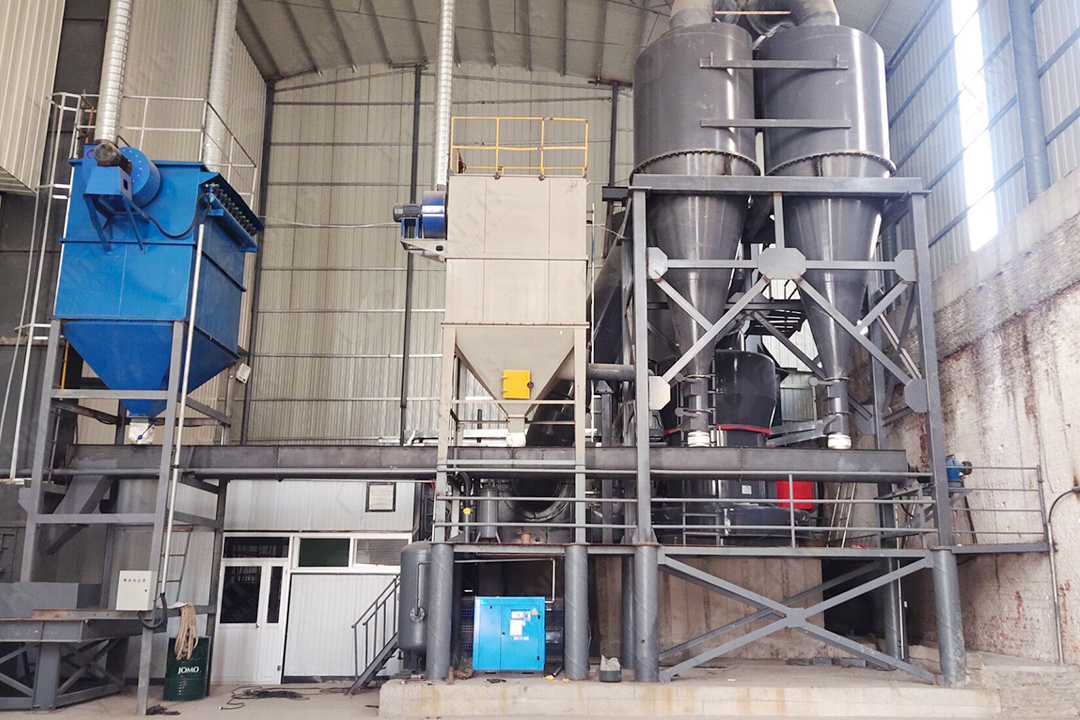
The project implementation highlighted the system's integrated design. From receiving crushed lime to packaging the final powder, the MTW system operates as a closed-loop production unit. Its high-efficiency impeller fan (85% air induction efficiency) ensures smooth material circulation and classification. The working principle—whereby ground material is classified in a powder selector, with coarse particles automatically returned for re-grinding—guarantees a uniformly fine product. The entire system operates under negative pressure, and with its integrated pulse dust collector, it meets stringent environmental standards, keeping the plant clean and safe.
_1774981460327.jpg)
The results were immediately evident in the steel plant's performance. The consistently fine 200-mesh quicklime exhibited superior fluidity and dispersion when injected, leading to faster and more complete reaction with sulfur. This translated into lower lime consumption per ton of iron, reduced slag volume, and more predictable, higher-quality steel output. The lime plant itself benefited from the mill's compact footprint and lower foundation investment, achieving a higher output in a smaller area compared to a traditional ball mill setup.
This case study is a testament to how specialized grinding technology directly impacts downstream industrial efficiency. Zenith's focus on developing equipment like the MTW and MTM European Trapezium Mills, LM Vertical Mills, and high-precision ultrafine mills (XZM, LUM) provides tailored solutions across the powder spectrum. For minerals processing—whether for desulfurization, construction, or chemicals—the right mill is not just a grinder; it's a core component of product value and competitive advantage.
Frequently Asked Questions (FAQs)
- Why is 200 mesh considered an optimal fineness for desulfurization quicklime?
A 200-mesh fineness (approximately 74 microns) provides an ideal balance between specific surface area and injectability. The fine particles offer a large reactive surface for rapid sulfur capture, while the size is coarse enough to ensure good flow characteristics and penetration into the molten iron without being blown away by process gases. - How does the energy savings of the MTW Mill compare over a year of continuous operation?
Depending on the model and capacity, the 60%+ energy savings compared to a ball mill can result in hundreds of thousands of kilowatt-hours saved annually. This dramatically reduces both the carbon footprint and the electricity cost per ton of produced powder, offering a rapid return on investment. - Can the same grinding system produce other fineness levels for different applications?
Absolutely. Equipment like the MTW or MTM Mill is designed for adjustable fineness. By changing the impeller speed or classifier settings, the same system can produce products from coarse 80 mesh to fine 400 mesh, making it versatile for producing lime for construction, agriculture, or other chemical processes. - What are the key maintenance points for a trapezium mill grinding abrasive material like quicklime?
Primary wear parts are the grinding roller and ring, which are made from high-chromium or other abrasion-resistant alloys. Zenith mills are designed for easy access to these components. Regular inspection of wear and timely replacement of these consumable parts, along with proper lubrication of drive systems, ensures sustained performance and longevity. - How does the closed, negative-pressure system contribute to environmental compliance?
The entire grinding and classification process occurs in a sealed circuit. The negative pressure prevents dust from escaping at feed or connection points. Any airborne fines are captured by the integrated high-efficiency pulse jet bag dust collector, ensuring emissions are far below regulatory limits and creating a cleaner, safer workplace. - Is remote monitoring and control available for these grinding systems?
Yes, modern mills like the LM Vertical Grinding Mill and advanced versions of the MTW series come equipped with automated control systems. They allow for remote monitoring of parameters like pressure, temperature, and motor load, and enable adjustments to feed rate or fineness, facilitating labor-free operation and integration into plant-wide SCADA systems.