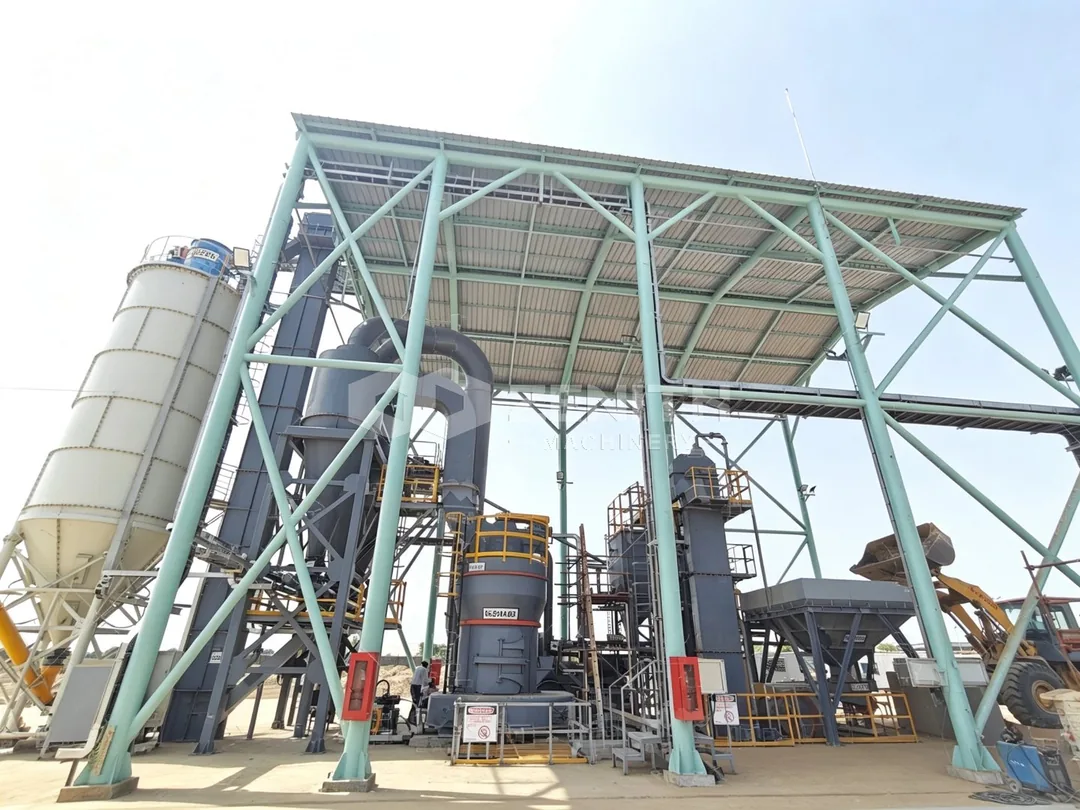
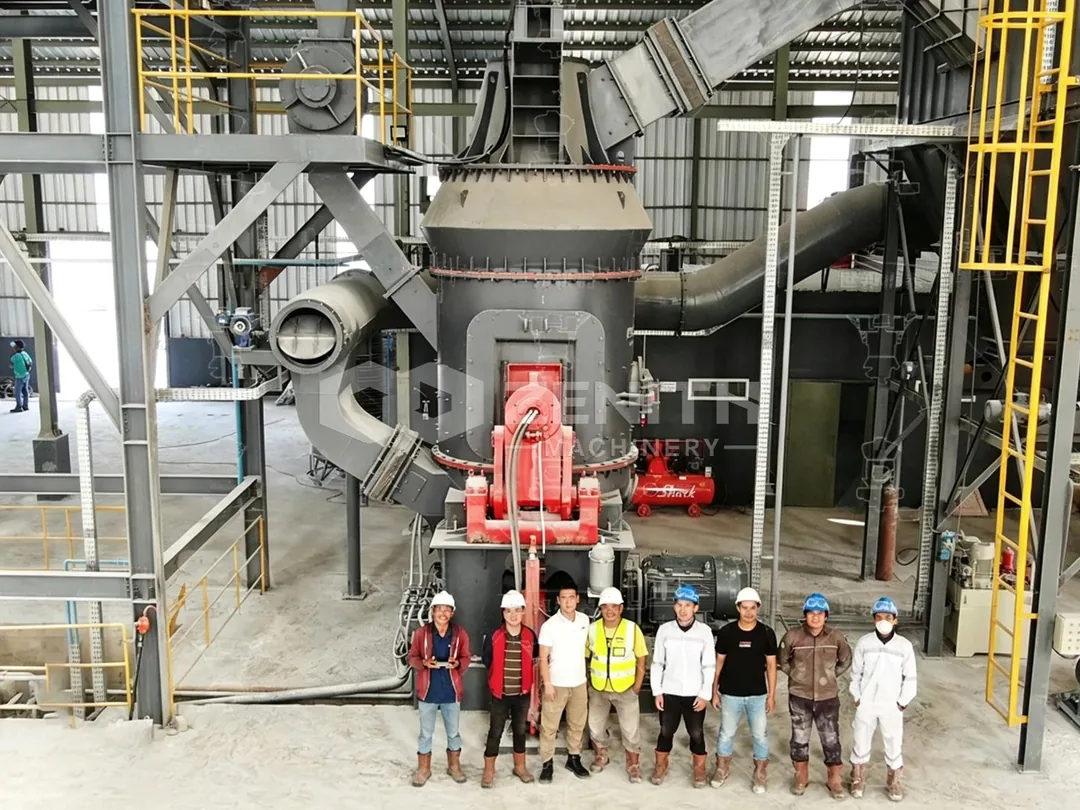
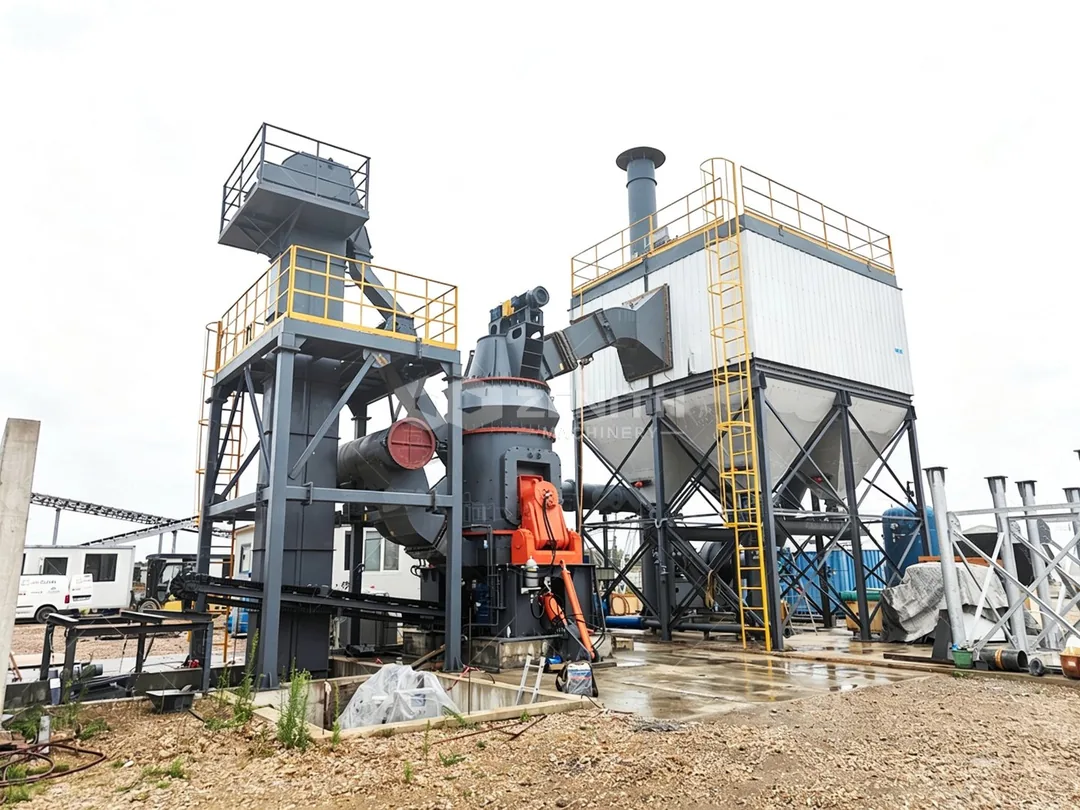
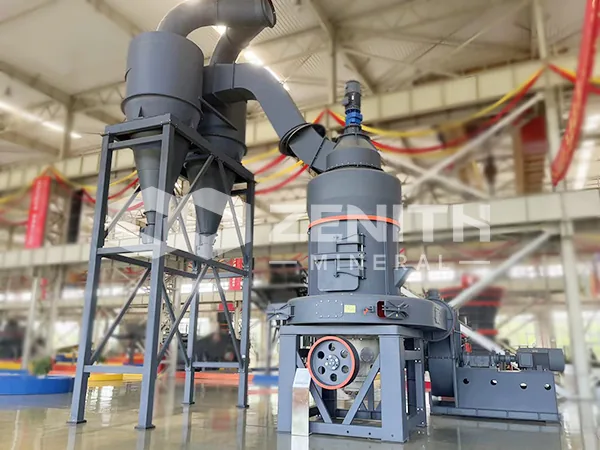
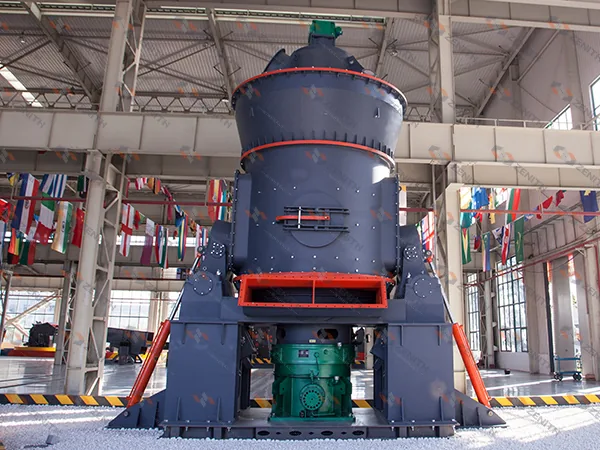
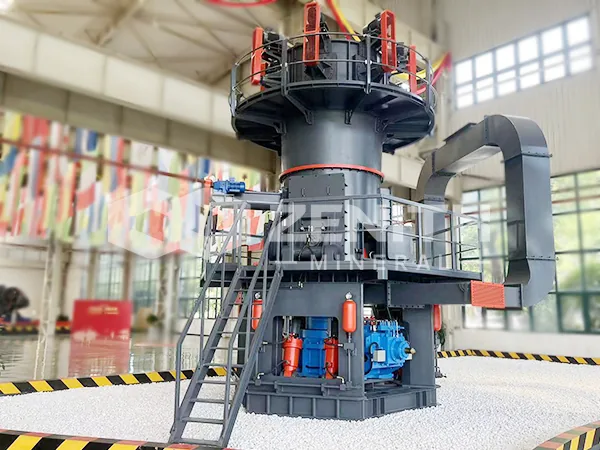
A 20-ton-per-day barite grinding production line produces 1000-mesh finished products.
2026-03-26 02:26:43
In the demanding world of industrial mineral processing, achieving consistent, high-volume production of ultra-fine powders like 1000-mesh barite presents a significant engineering challenge. Barite, or barium sulfate, is a critical weighting agent in oil and gas drilling fluids and finds extensive use in paints, plastics, and medical applications. Its value is directly tied to purity and fineness. For a project requiring a reliable 20-ton-per-day (TPD) output of precisely 1000-mesh finished product, selecting the right grinding technology is paramount. This is where proven engineering and specialized equipment from global leaders like Shanghai Zenith Machinery come into play.
Zenith, with its hi-tech engineering focus and decades of specialization in powder grinding, offers solutions that bridge the gap between theoretical capacity and real-world, sustainable operation. Their product philosophy centers on creating systems that are not only powerful but also intelligent, economical, and environmentally sound. For a barite application at this scale and fineness, the conversation immediately moves beyond conventional ball mills or Raymond mills. The energy consumption of a traditional ball mill system for such a task would be prohibitively high, and achieving a consistent 1000-mesh (approximately D97 ≤ 13μm) product would be difficult.
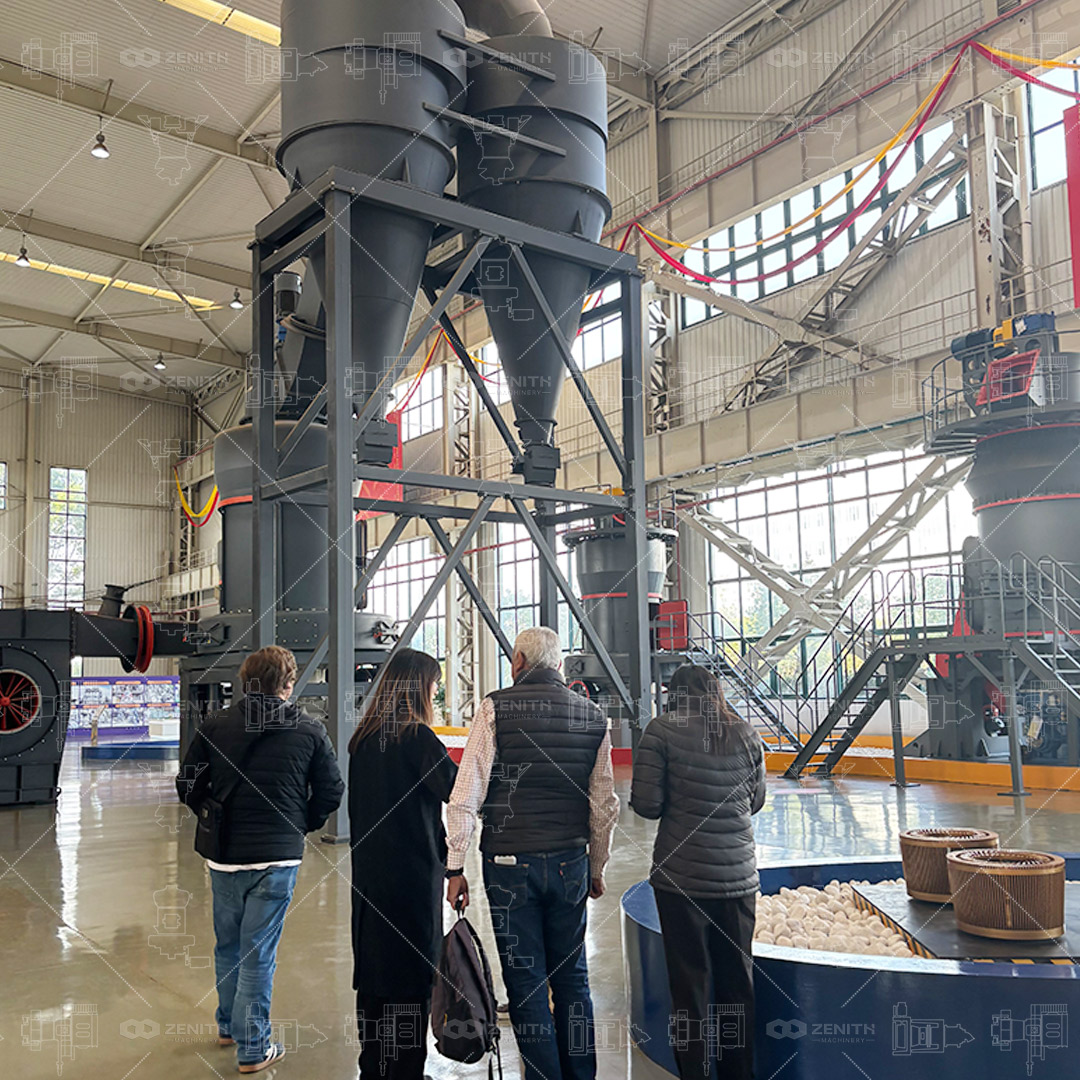
The core of this 20-TPD line would likely be built around Zenith's advanced LUM Ultrafine Vertical Grinding Mill or the XZM Ultrafine Grinding Mill. These machines are engineered for the medium and high-end processing of non-metallic minerals exactly like barite. The LUM mill, integrating German powder separating technology, is designed for ultrafine grinding up to 2500 mesh. Its sealed, negative-pressure operation ensures no dust spillage—a critical factor for both product loss and workplace safety—while its hydraulic adjustment system allows for quick maintenance. The energy consumption is notably 30%-50% lower than ordinary mills, making the 20-TPD target economically viable.
Similarly, the XZM series is a technological standout for arbitrary fineness adjustment between 325 and 3250 mesh. Its key advantage for a 1000-mesh barite line is the integrated Variable Frequency Drive (VFD) on the classifier. This allows operators to dial in the exact powder size (1000-mesh) simply by setting parameters on the electric control panel, ensuring remarkable product consistency. With an efficiency reported to be 40% higher and energy consumption 70% lower than some alternative fine-grinding technologies, the XZM represents a leap in processing efficiency.
_1774463203583.jpg)
The production line begins before the main mill. Raw barite, often delivered in coarse chunks, first undergoes primary and possibly secondary crushing to reduce it to a feed size suitable for the ultrafine mill (typically below 20mm). A sophisticated conveying and feeding system, often employing variable frequency feeders like those in Zenith's MTW/MTM series designs, ensures a steady and controlled flow of material into the grinding chamber. This stability is crucial for maintaining the mill's efficiency and the final product's uniform fineness.
Inside the mill, the principle of material-bed grinding takes over. Rollers exert pressure on a bed of barite particles on a rotating disc, causing inter-particle comminution. This method is far more efficient than the impact-based grinding of hammer mills or the random tumbling of ball mills for ultrafine applications. The ground material is then pneumatically transported to the heart of the fineness control: the high-precision turbo air classifier. Here, centrifugal and aerodynamic forces meticulously separate particles. Those meeting the 1000-mesh specification are carried through to the cyclone and pulse-jet baghouse dust collector for product recovery.
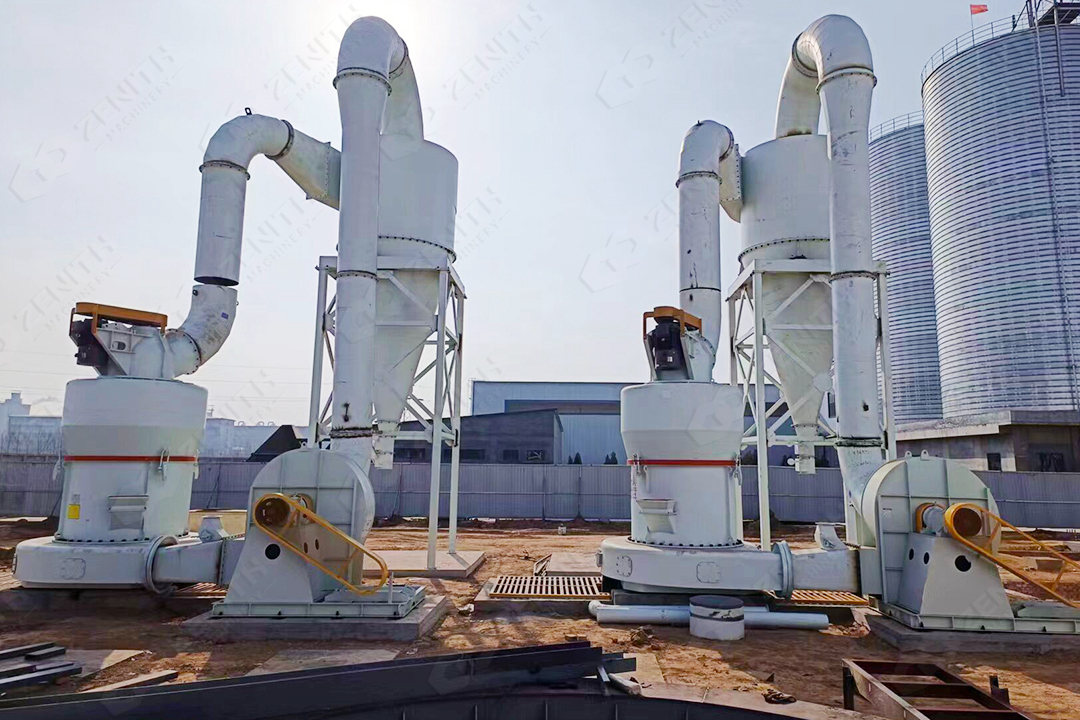
Coarse particles, rejected by the classifier, are automatically returned to the grinding chamber for further size reduction. This closed-circuit grinding system is fundamental to achieving high yield and precise particle size distribution. The entire process operates under negative pressure, meaning any potential dust leaks are inward, protecting the plant environment and ensuring operator health. The final 1000-mesh barite powder, with its high purity and whiteness preserved by the mill's non-contaminating design, is then ready for packaging or bulk shipment.
Beyond the core mill, Zenith's strength lies in providing a complete, optimized system. This includes ancillary equipment for drying (if the barite feed is moist), bulk material handling, automated packaging, and integrated electrical control systems that allow for remote monitoring and local control. The compact, vertical design of the LUM or XZM mills also translates to a smaller plant footprint, reducing civil construction costs—a factor emphasized across Zenith's MTW, MTM, and LM series as well.
_1774463203606.jpg)
For a 20-TPD, 1000-mesh barite operation, the choice ultimately hinges on total cost of ownership, product quality consistency, and operational reliability. By leveraging technologies like the LUM or XZM mills, producers can move away from energy-intensive, maintenance-heavy legacy systems. They invest instead in a streamlined, automated production line that delivers the stringent product specifications the market demands, while keeping operational and energy costs under firm control. It's a clear demonstration of how modern grinding engineering turns challenging production targets into routine, profitable operations.
Frequently Asked Questions (FAQs)
- What is the primary advantage of using an ultrafine vertical mill (like LUM or XZM) over a traditional ball mill for 1000-mesh barite grinding?
The key advantages are dramatically lower energy consumption (30-70% less), superior particle size control and consistency, a sealed and dust-free operation, and a much smaller physical footprint for the plant. - Can the production line handle variations in the moisture content of the raw barite ore?
A complete system design can integrate a drying stage, such as connecting a dryer before the mill or utilizing a mill with hot air intake capabilities, to ensure the feed material is at an optimal moisture level for efficient ultrafine grinding. - How is the 1000-mesh fineness precisely controlled and maintained during continuous operation?
Fineness is controlled by the integrated high-efficiency air classifier. In models like the XZM mill, the classifier's rotational speed is adjusted via a Variable Frequency Drive (VFD) from the control panel, allowing real-time, precise tuning to maintain the target particle size distribution. - What are the key maintenance points for such a grinding line to ensure 20 TPD output?
Regular maintenance focuses on the wear parts of the grinding chamber (e.g., roller sleeves, grinding disc liners), the classifier blades, and the filter bags in the dust collector. Mills with hydraulic systems (like the LUM) allow rollers to be swung out for easier servicing, minimizing downtime. - Is the system environmentally compliant for international projects?
Yes. The core design operates under full negative pressure with a high-efficiency pulse-jet baghouse dust collector, ensuring emissions are far below international standards (like EU CE). The system is also characterized by low noise and minimal vibration. - What level of automation can be expected?
The line can be equipped with a full PLC-based control system, enabling remote monitoring, automatic adjustment of feed rates, temperature control, and alarm functions. This allows for "labor-free" operation from a central control room. - Can the same mill produce other fineness products, say 400-mesh or 1250-mesh barite, if needed?
Absolutely. A major feature of these ultrafine mills is their adjustable fineness. By changing the classifier speed or impeller configuration, the same production line can be quickly adjusted to produce a different target mesh size within the mill's wide range (e.g., 325-2500 mesh).