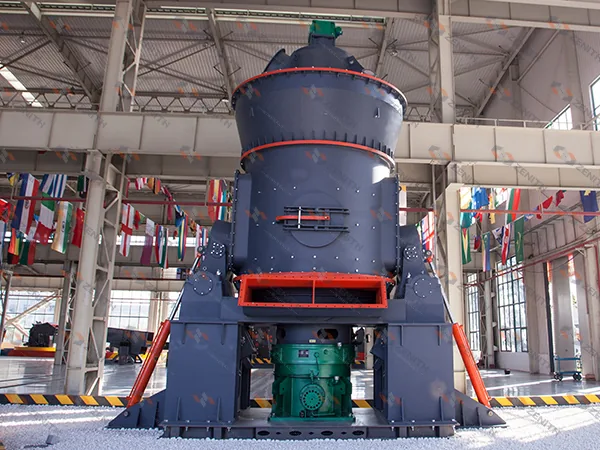
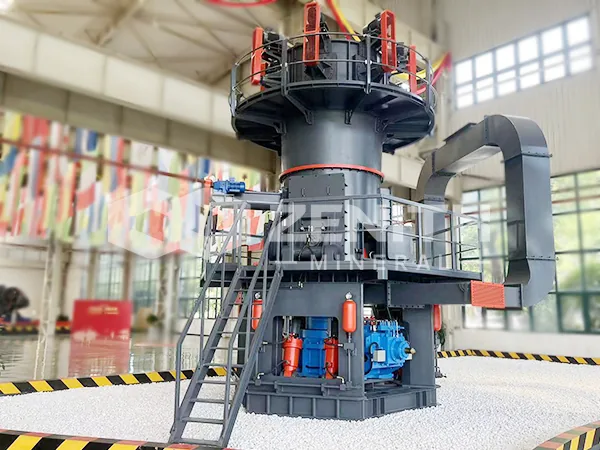
An indian company purchased a complete calcium carbonate grinding production line with a capacity of 5 tons per hour, producing a finished product with a fineness of 800-1000 mesh. the finished product will be used in the paint industry and as putty powder.
2026-03-27 02:27:26
In a significant move to enhance its production capabilities and product quality, a prominent Indian manufacturing company has recently commissioned a complete calcium carbonate grinding production line from Shanghai Zenith Machinery Co., Ltd. This advanced line is engineered to deliver a consistent output of 5 tons per hour, producing a premium ultrafine powder with a precise fineness range of 800 to 1000 mesh. The finished product is destined for critical applications in the high-grade paint industry and as a key component in high-performance putty powder, underscoring the need for exceptional purity, uniformity, and fineness.
This investment reflects a growing trend in the Indian industrial sector towards adopting sophisticated, energy-efficient technologies to meet stringent quality standards and gain a competitive edge in both domestic and international markets. The client's specific requirement for 800-1000 mesh powder places significant demands on grinding technology, necessitating equipment capable of precise classification, stable long-term operation, and minimal contamination.
_1774549646334.jpg)
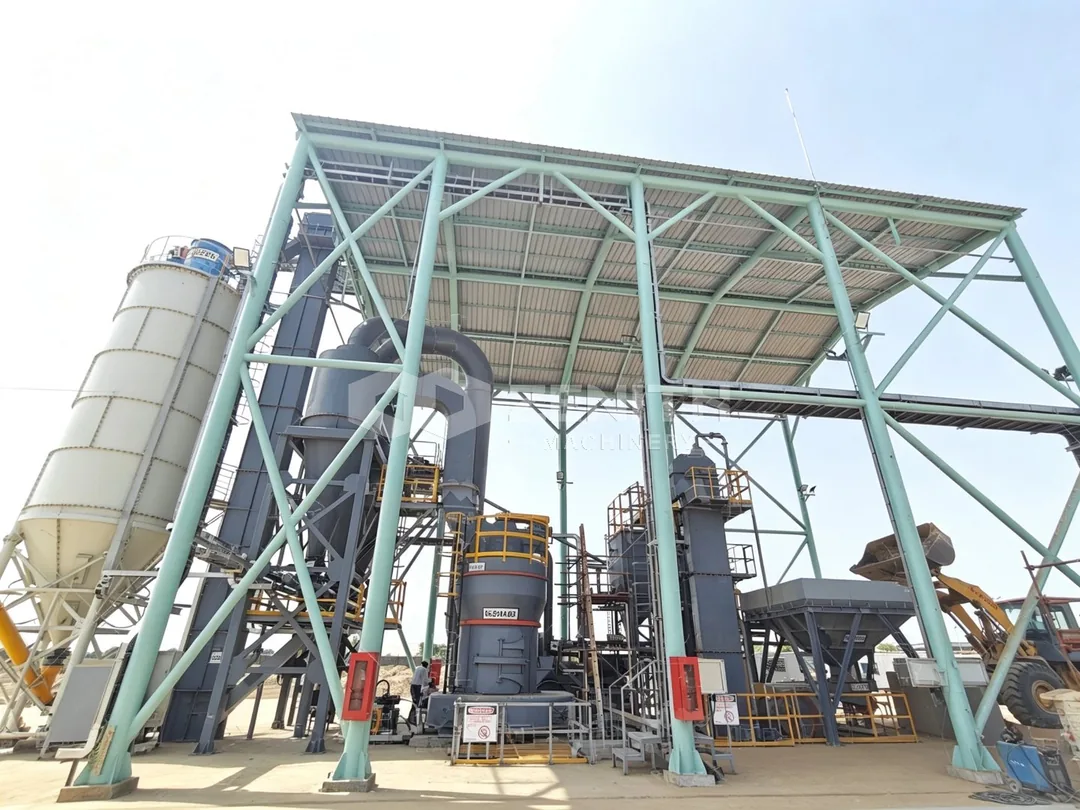
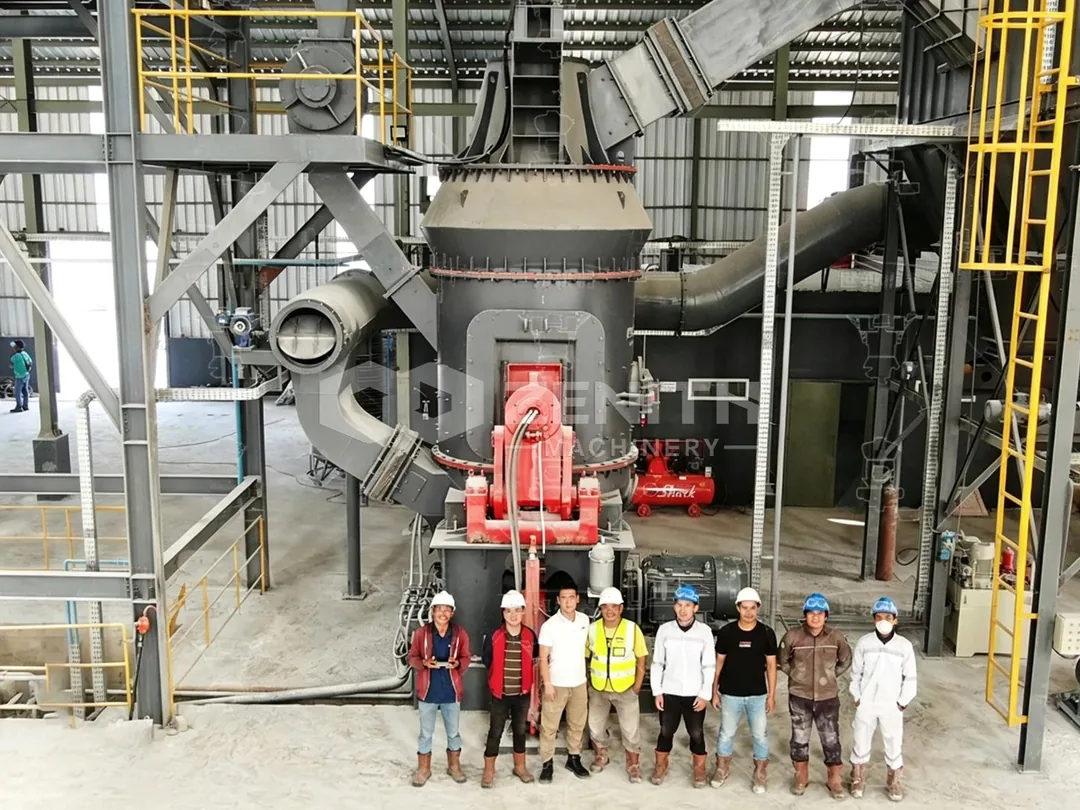
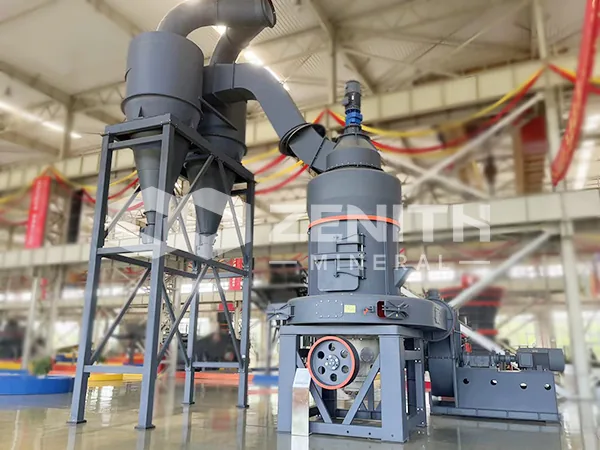
After a thorough technical evaluation, Zenith's engineers recommended a solution centered on the XZM Ultrafine Grinding Mill. This mill is specifically designed for producing powders in the range of 325 to 3250 mesh, making it perfectly suited for the target fineness. Its standout feature is the ability to achieve a one-time classification up to 2500 mesh (D97 < 5 microns), ensuring the 800-1000 mesh product is consistently and efficiently produced. The integrated Variable Frequency Drive (VFD) on the classifier allows operators to adjust the fineness seamlessly from the control panel, providing unparalleled flexibility to meet varying batch specifications for paint or putty.
"For applications in paint, the fineness and particle size distribution directly affect opacity, gloss, durability, and suspension properties," explains a Zenith project engineer. "Similarly, in putty powder, ultrafine calcium carbonate improves workability, smoothness, and crack resistance. The XZM mill's precise classification system is critical for achieving these functional characteristics." The system's design, with no rolling bearings or screws in the grinding chamber, eliminates common failure points, ensuring high reliability and safe operation—a crucial factor for continuous industrial production.
_1774549646337.jpg)
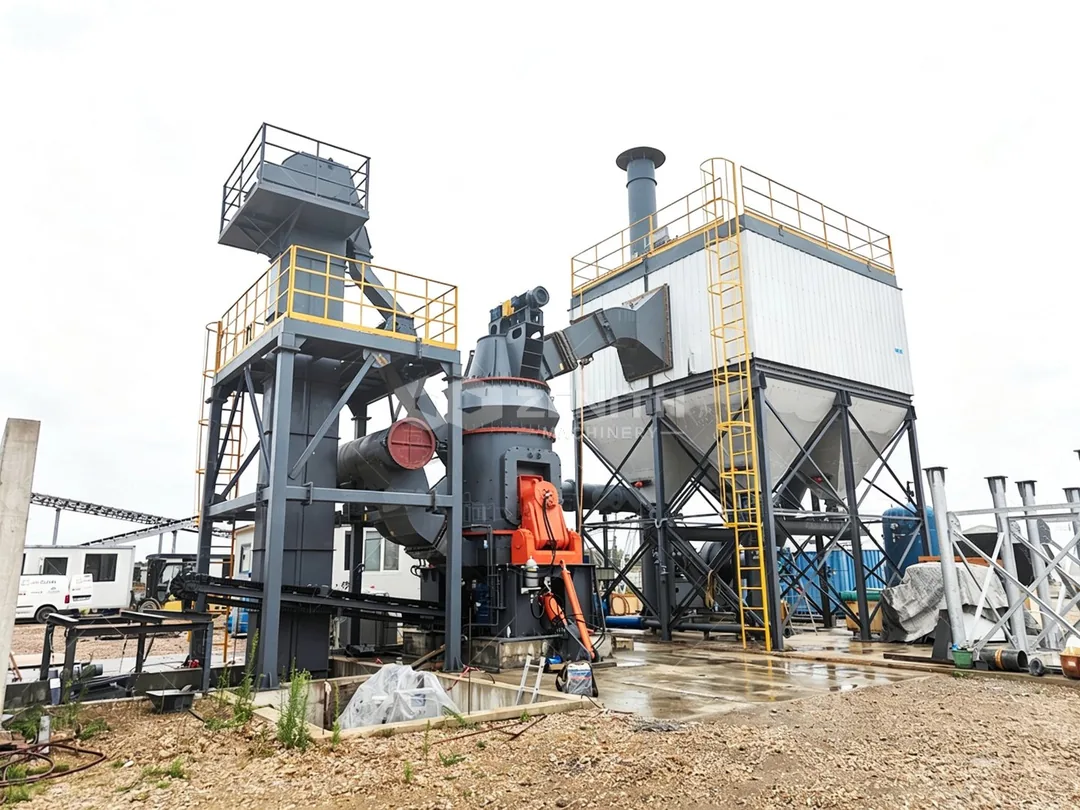
The complete production line is more than just the grinding mill. It represents a holistic system designed for efficiency and environmental compliance. It typically includes jaw crushers for primary size reduction, electromagnetic vibrating feeders, the XZM main grinding unit, high-efficiency cyclone powder collectors, and pulse dust removal systems. The entire process operates under negative pressure, effectively containing dust and maintaining a clean plant environment, which aligns with global environmental standards and ensures worker safety.
Beyond the core technology, the Indian company's decision was influenced by Zenith's proven global track record and comprehensive certifications, including ISO, CE, and CU-TR. With a marketing network spanning over 180 countries and technical support offices in more than 30, Zenith provides not just equipment but ongoing local service and technical support, ensuring the production line maintains optimal performance throughout its lifecycle.
_1774549646338.jpg)
This project exemplifies how modern grinding technology is enabling manufacturers to add significant value to mineral resources. By transforming raw calcium carbonate into a high-purity, ultrafine functional filler, the Indian company is poised to supply superior raw materials to the booming construction and coatings industries in the region. The energy-efficient design of the XZM mill, which consumes significantly less power compared to traditional ball mills or airflow mills, also translates into lower operational costs and a reduced carbon footprint, making it a sustainable choice for the future.
Frequently Asked Questions (FAQs)
- Why is achieving 800-1000 mesh fineness so important for paint and putty applications?
This ultrafine range ensures excellent dispersion within the binder, leading to smoother film formation in paints (enhancing gloss and opacity) and superior workability and finish in putty, resulting in a crack-resistant, smooth surface. - What makes the XZM Ultrafine Mill more suitable for this project than a traditional ball mill?
The XZM mill offers far higher energy efficiency (up to 70% lower consumption), more precise particle size control via its VFD classifier, a smaller footprint, and produces less heat, which is crucial for temperature-sensitive materials. - How does the system ensure the purity and whiteness of the calcium carbonate powder?
The grinding chamber is designed to minimize iron contamination. Additionally, the efficient separation and negative pressure operation prevent external pollutants from entering, while the absence of lubricants in the grinding zone preserves material whiteness. - Can this production line handle variations in the hardness or moisture of the raw calcium carbonate?
Yes, the system design includes pre-crushing and drying stages if necessary. The XZM mill itself has good adaptability, but feed material specifications (size & moisture) should be stabilized for optimal and consistent output. - What kind of after-sales support and maintenance does Zenith provide for such a turnkey project?
Zenith provides comprehensive support including installation supervision, operator training, a warranty period, ready supply of wear parts, and remote/on-site technical assistance through its global network of service centers. - Is the production process environmentally friendly?
Absolutely. The fully enclosed system with advanced pulse jet bag dust collectors operates under negative pressure, ensuring near-zero dust emission, low noise levels, and full compliance with environmental regulations.