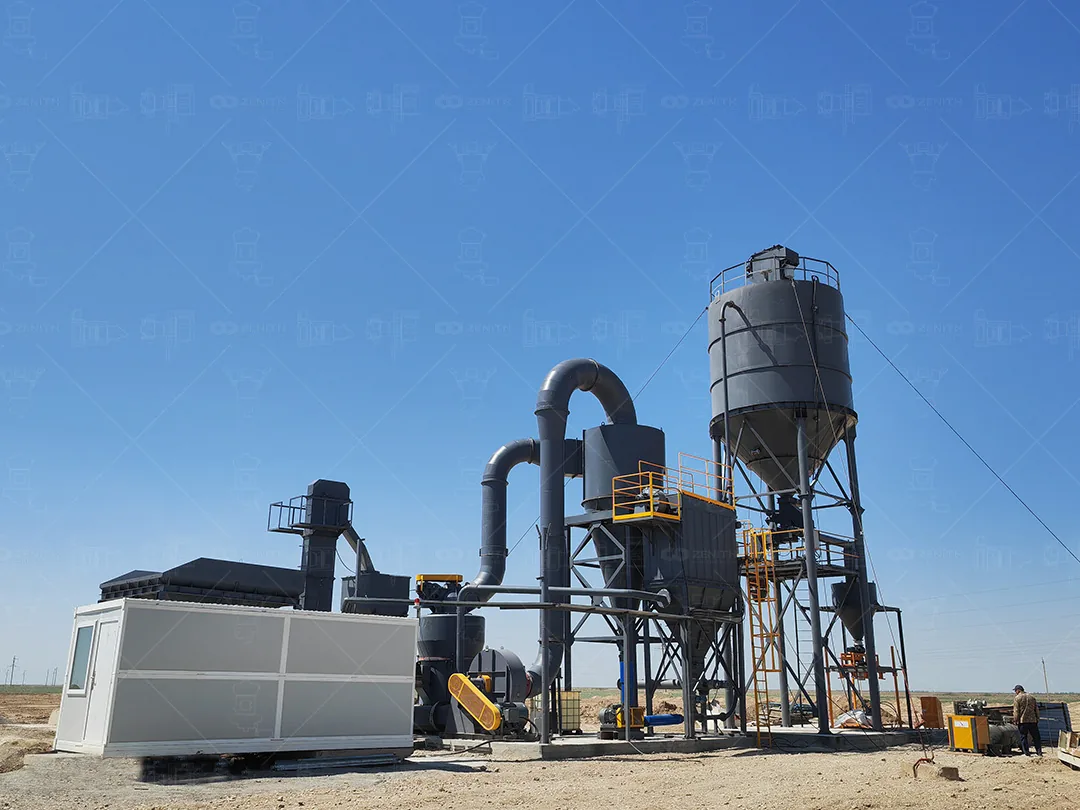
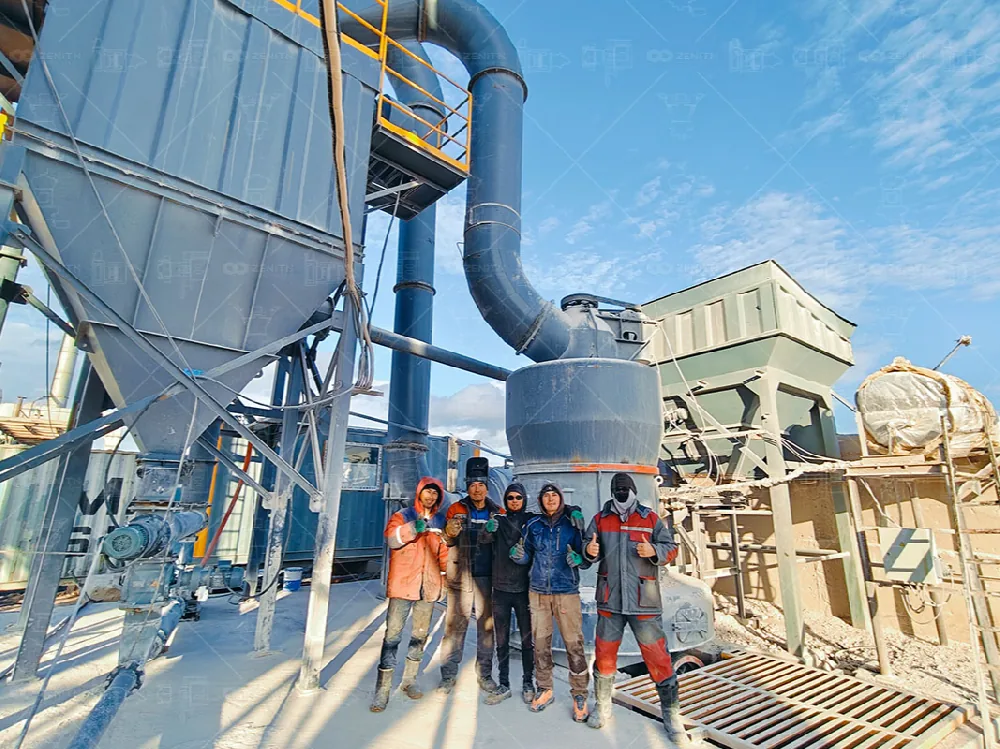
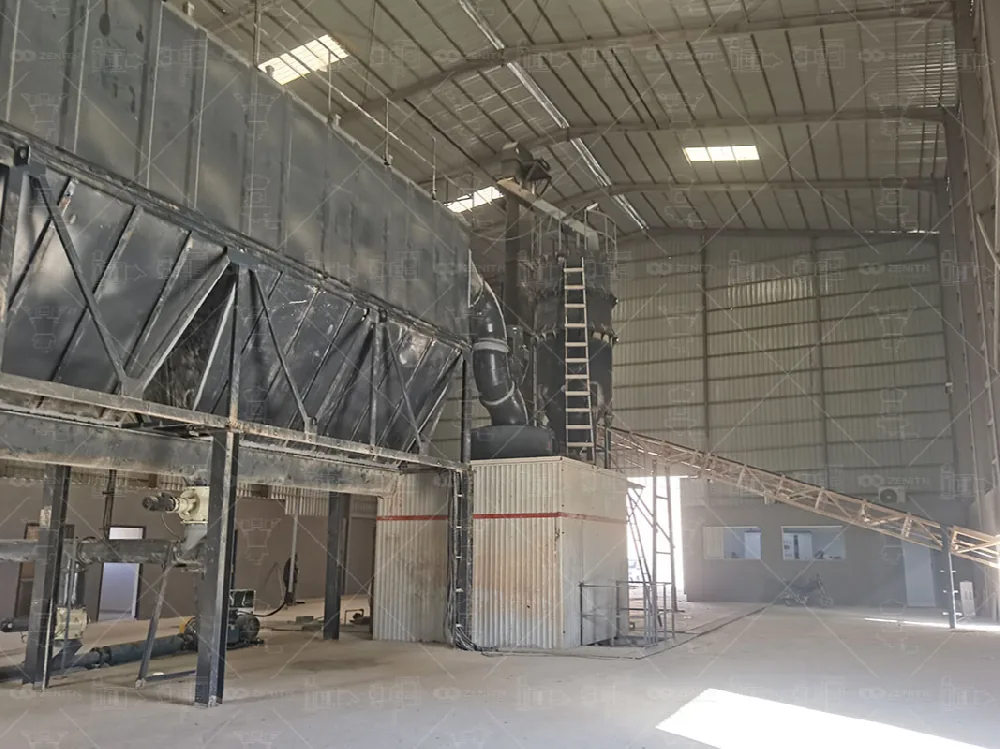
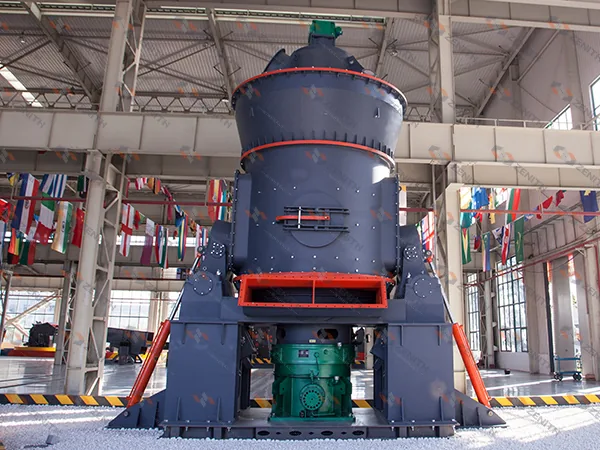
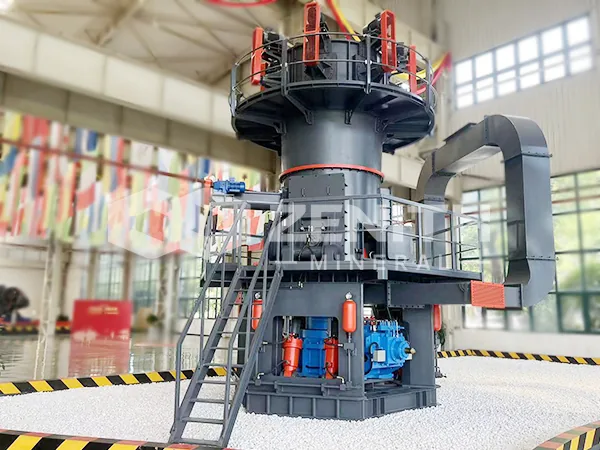
A calcium carbonate powder factory purchased 10t/h calcium carbonate grinding mill finished powder to supply the coatings, plastics and ceramics industries.
2026-03-21 02:24:20
In the competitive landscape of industrial mineral processing, a calcium carbonate powder factory faced a critical challenge: reliably producing 10 tons per hour of high-quality finished powder to serve the exacting standards of the coatings, plastics, and ceramics industries. This demand required more than just capacity; it necessitated precise particle size control, high material purity, and operational efficiency. The selection of the grinding mill would directly impact product quality, production costs, and the ability to meet diverse client specifications.
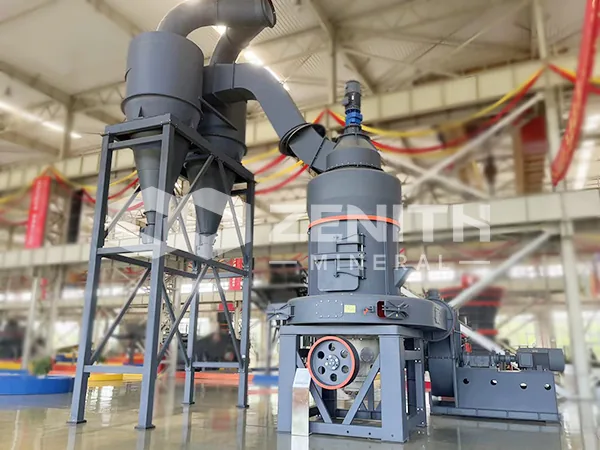
The factory's technical team evaluated several options, prioritizing systems that could deliver consistent fineness between 400 to 1250 mesh for ultrafine applications, while maintaining the flexibility to produce coarser grades when needed. Energy consumption and floor space were also significant considerations. After a thorough analysis, the LM Vertical Grinding Mill emerged as the cornerstone of their new production line. Its reputation for 24-hour continuous operation, high degree of automation, and compact integrated design offered a compelling solution for achieving stable, large-capacity output.
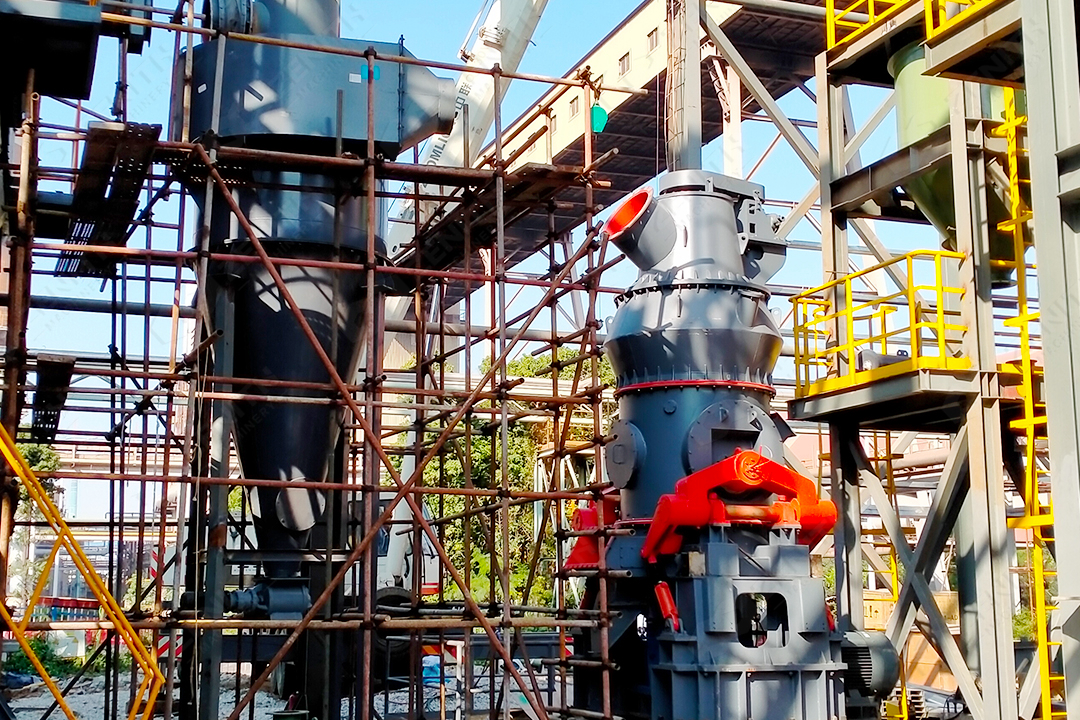
The LM Vertical Mill's working principle proved ideal for calcium carbonate. The main motor drives the grinding disc, and material fed to the center is crushed by rollers under centrifugal force. The integrated classifier ensures precise particle separation, with coarse material returning for regrinding and fine powder efficiently collected. This closed-loop system, operating under negative pressure, was a key factor, as it guaranteed the high purity and whiteness essential for premium coatings and plastics by minimizing contamination and dust spillage.
Beyond the core mill, the factory's broader needs were addressed by a complementary suite of equipment from the same technology provider. For preliminary size reduction of feedstock, a robust Hammer Mill was employed to efficiently produce 0-3mm coarse powder. For clients requiring even finer, micron-grade products up to 2500 mesh for high-end ceramics or specialty plastics, the LUM Ultrafine Vertical Grinding Mill was integrated into the process flow. This mill, incorporating advanced grinding roller and powder separating technology, excels in energy-saving ultrafine grinding, reducing energy consumption by 30-50% compared to conventional mills.
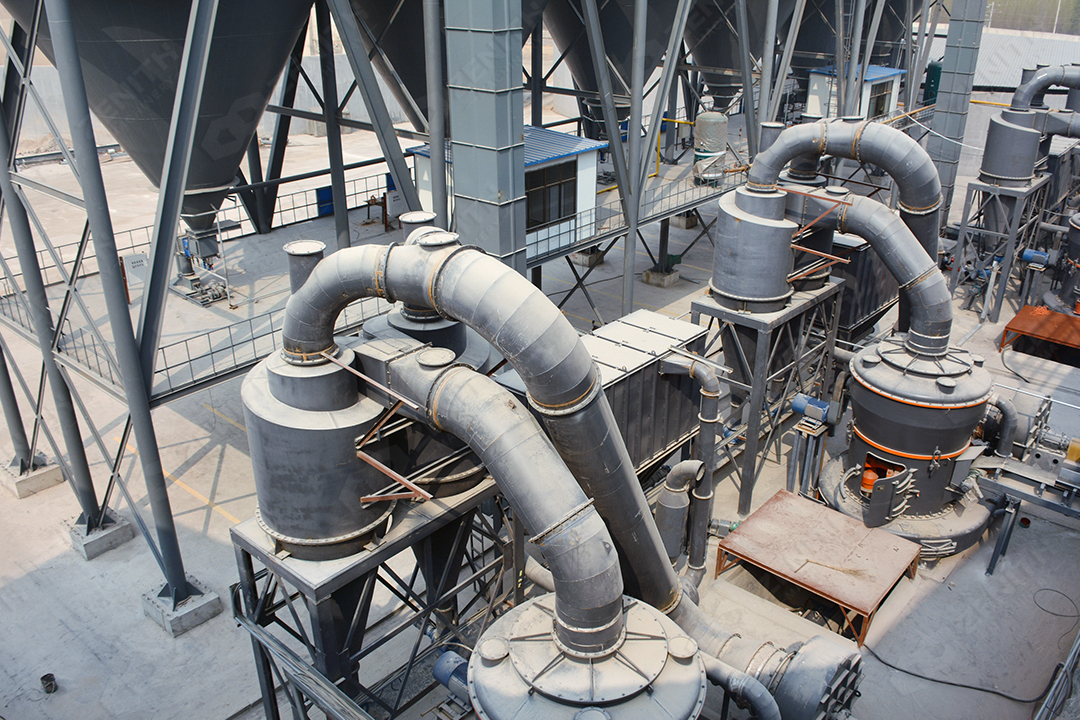
The success of this project hinged on more than just machine specifications. It relied on engineering support from a partner with a global footprint and deep industry expertise. The supplier's certifications, including ISO, CE, and CU-TR, provided assurance of international quality and safety standards. Their ability to offer a complete system—from crushing and grinding to classification and dust collection—simplified project management and ensured component compatibility.
The operational results have been transformative. The factory now reliably meets its 10t/h target with superior product consistency. The automated control system of the LM mill allows for easy monitoring and adjustment, reducing labor costs and human error. Furthermore, the system's 60% lower energy consumption compared to traditional ball mill solutions has led to substantial operational cost savings, enhancing the factory's market competitiveness. The flexibility to produce a wide range of fineness has also allowed them to expand their client base across all three target industries.
_1774031060083.jpg)
Frequently Asked Questions (FAQs)
- What is the primary advantage of a vertical roller mill like the LM series for calcium carbonate grinding?
The primary advantages are its high energy efficiency (up to 60% lower consumption than ball mills), compact footprint (about 50% smaller area), high degree of automation for stable product quality, and its ability to operate continuously under negative pressure for a clean, dust-free environment. - Can one mill produce powder for both plastics (which often need fine powder) and ceramics (which may need ultrafine powder)?
While a single mill like the LM or MTW series can cover a broad range (e.g., 80-400 mesh), producing very ultrafine powder (e.g., >1250 mesh) typically requires a dedicated ultrafine mill like the LUM or XZM series for optimal efficiency and particle size distribution. - How is the fineness of the final powder controlled and adjusted?
Fineness is primarily controlled by an internal dynamic classifier. In mills like the XZM or MTW, the classifier rotor speed can be adjusted via a Variable Frequency Drive (VFD) on the control panel, allowing quick and arbitrary changes to the output fineness without stopping production. - What are the key factors in ensuring the whiteness and purity of calcium carbonate powder for coatings?
Key factors include using a mill with a non-contaminating grinding mechanism (e.g., ceramic or specially lined rollers), an efficient closed-circuit system that minimizes iron wear, and operation under negative pressure with effective dust collection to prevent cross-contamination. - Is the grinding system environmentally friendly?
Yes, modern systems like the LM, LUM, and MTW mills are designed to be eco-friendly. They operate under sealed, negative pressure conditions with integrated pulse jet dust collectors, ensuring no dust spillage, low noise levels, and compliance with strict national emission standards. - What kind of after-sales support and service availability can be expected for such industrial milling equipment?
Reputable suppliers offer comprehensive support, including installation supervision, operator training, and a global network of service engineers. Availability of genuine spare parts and remote diagnostic support are also crucial for minimizing downtime.