Granular furnace bottom ash is ground into powder and used to prepare paving bricks and permeable bricks.
2026-03-20 02:27:14
The construction industry is undergoing a profound shift towards sustainability, seeking innovative ways to reduce its environmental footprint. One promising avenue lies in the valorization of industrial by-products. Granular furnace bottom ash (FBA), a coarse residue from coal-fired power plants, has emerged as a valuable secondary raw material. When processed correctly, this ash can be ground into a fine powder and effectively incorporated into the production of high-quality paving bricks and permeable bricks, creating durable, eco-friendly building materials.
Traditionally, managing this ash presented a significant challenge, often leading to landfilling. However, its chemical composition—primarily silicates and aluminates—and granular structure make it an excellent partial replacement for natural aggregates and even some binder components in brick formulations. The key to unlocking this potential is efficient and precise size reduction, transforming the 0-50mm granular ash into a consistent, functional powder.
_1773944834173.jpg)
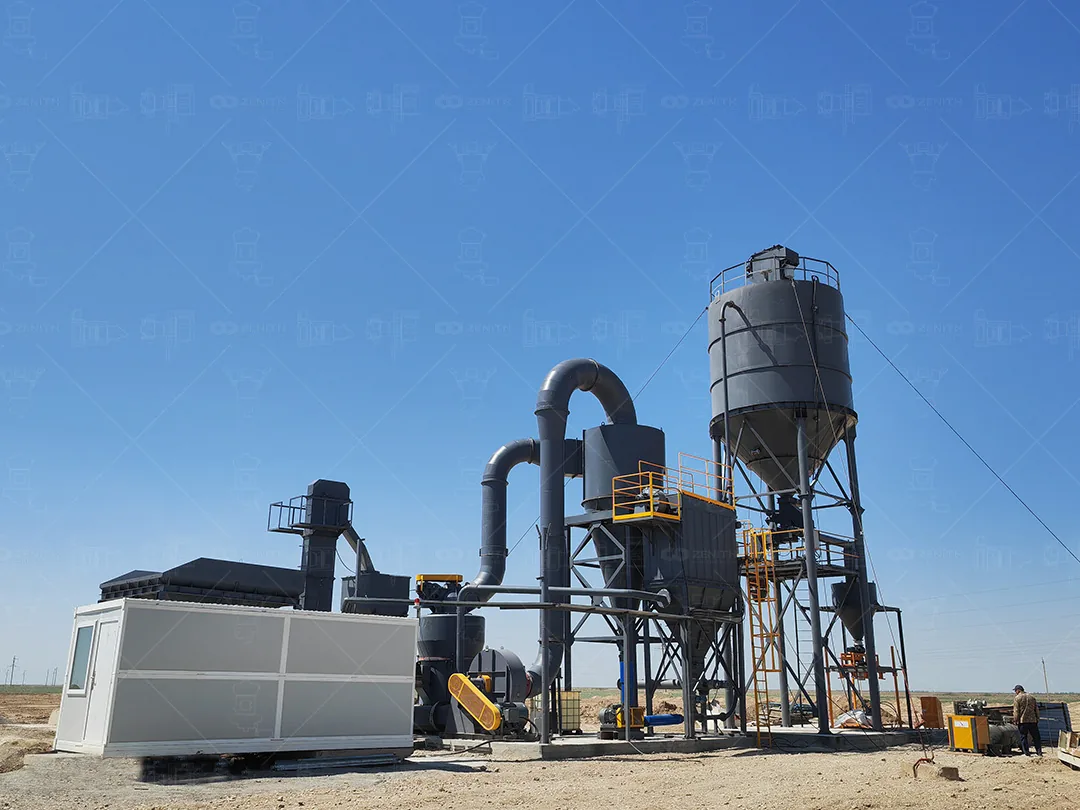
This is where advanced grinding technology becomes critical. At Shanghai Zenith Machinery, we specialize in engineering industrial powder processing solutions tailored for such circular economy applications. The transformation of FBA requires equipment capable of handling abrasive materials, offering adjustable fineness, and operating with high energy efficiency to make the process economically viable.
For the initial coarse grinding stage to produce a 0-3mm powder, ideal as a sand replacement, our HM Series Hammer Mill is exceptionally effective. Its robust design, featuring high-manganese steel liners and a unique cavity, ensures stable performance and a long service life while processing the hard, abrasive ash particles. It provides the high grinding ratio needed to break down the granular ash efficiently.
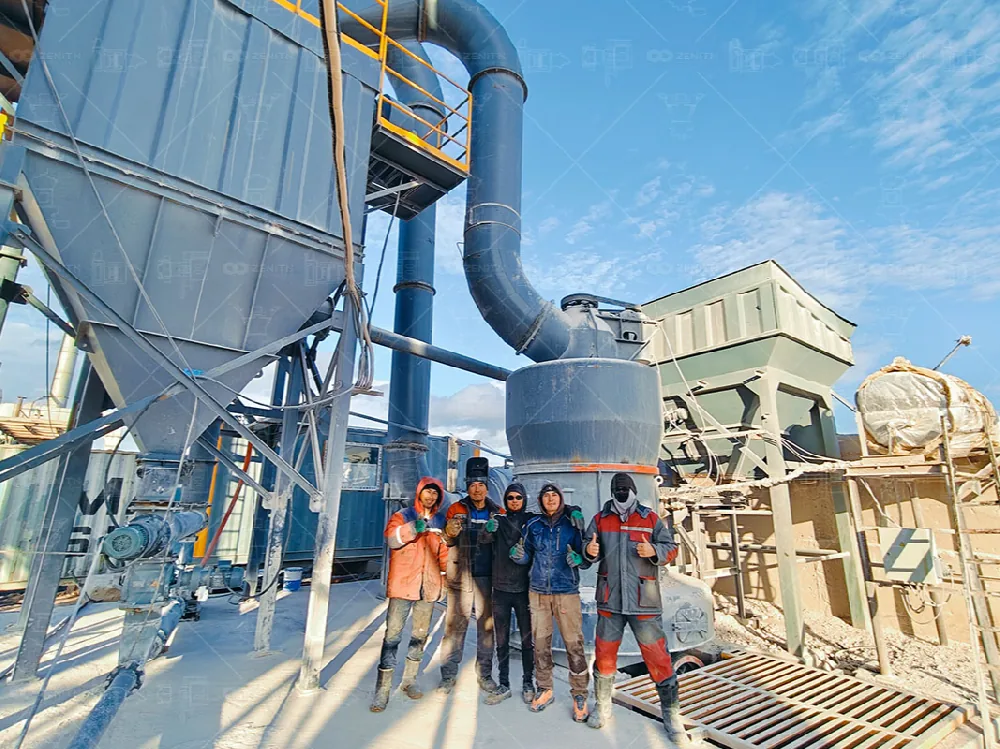
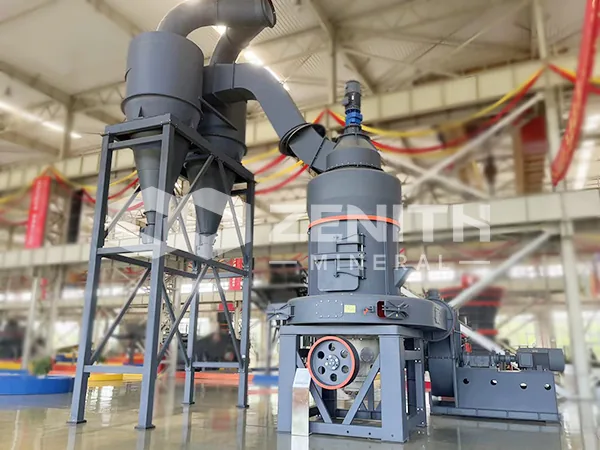
For finer grinding applications, where the ash powder needs to be integrated more homogeneously into the brick matrix or act as a pozzolanic material, our MTW European Trapezium Mill and LM Vertical Grinding Mill are ideal choices. The MTW series, capable of producing 80-400 mesh powder, is renowned for its energy efficiency—consuming over 60% less power than a traditional ball mill of the same capacity. Its modular design allows for quick adjustment of output fineness, which is crucial for optimizing the brick's strength and permeability characteristics.
_1773944834178.jpg)
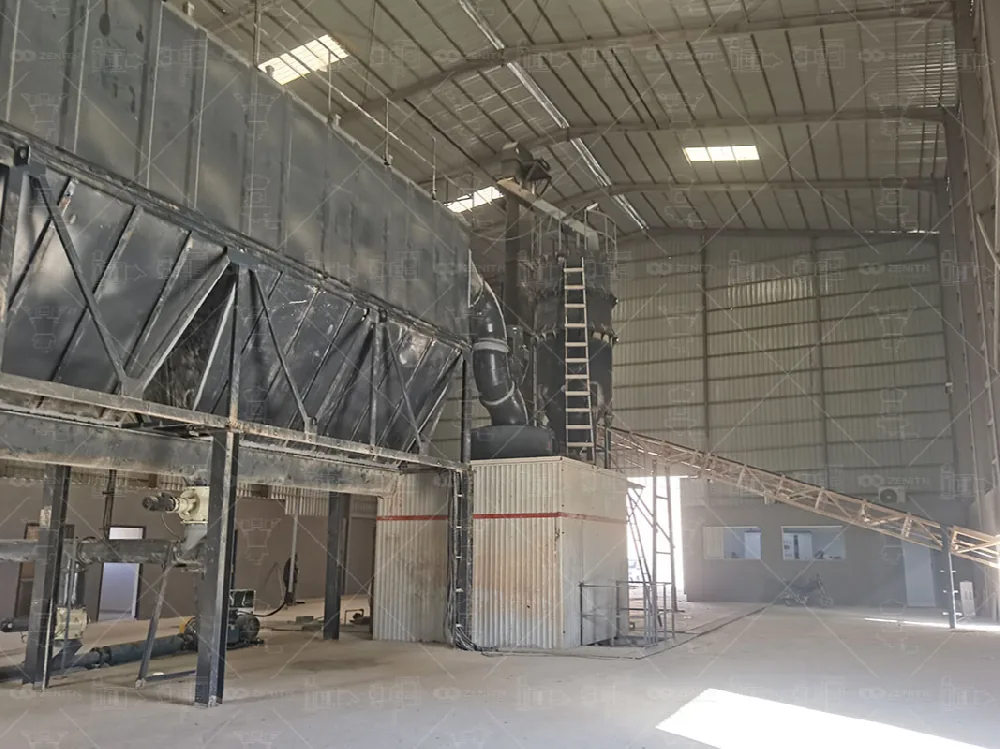
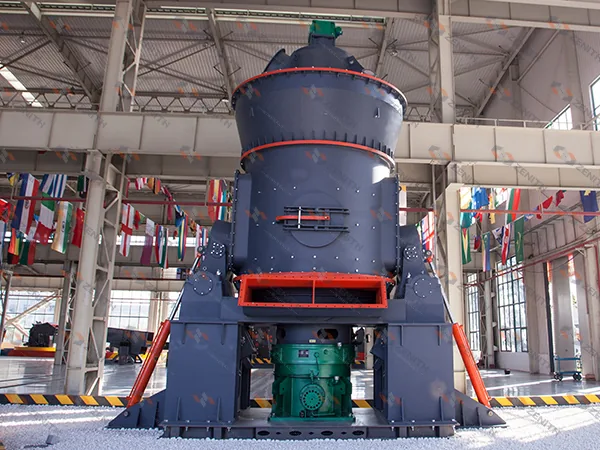
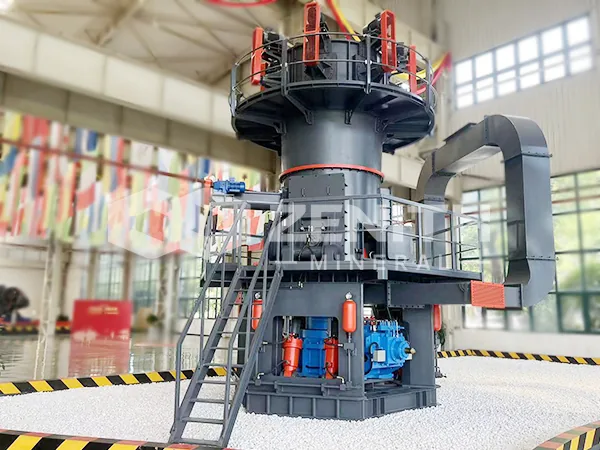
The LM Vertical Grinding Mill offers another robust solution, particularly for large-scale operations. Its integrated design saves significant floor space, and its fully automated control system ensures consistent powder quality—a vital factor for automated brick production lines. Operating under negative pressure, it contains dust completely, aligning with the clean production goals of modern construction material plants.
In the final brick product, the ground FBA contributes to several enhanced properties. In paving bricks, it improves dimensional stability and can reduce weight. In permeable bricks, crucial for sustainable urban drainage systems, the carefully graded ash particles help create the interconnected pore structure necessary for water infiltration. The use of Zenith grinding equipment ensures the ash powder has the consistent particle size distribution required to reliably achieve these engineering properties batch after batch.
_1773944834183.jpg)
Our global experience, with a network spanning over 180 countries, has allowed us to refine our mills for diverse material challenges. The ash from different sources can vary in hardness and abrasiveness. Our mills' adaptable designs, from the wear-resistant components of the Hammer Mill to the adjustable grinding pressure of the LUM Ultrafine Mill, provide the flexibility needed to process a wide range of FBA types into a valuable resource, turning an industrial waste stream into the foundation of sustainable cities.
Frequently Asked Questions (FAQs)
- What fineness (mesh size) is typically required for furnace bottom ash in brick making?
For use as a fine aggregate replacement, grinding to 0-3mm (coarse powder) is common. For more reactive, pozzolanic use or finer matrix integration, grinding to 80-400 mesh (fine powder) is often targeted. The optimal size depends on the specific brick formula and performance requirements. - How does using ground bottom ash impact the strength and durability of the bricks?
When properly processed and incorporated, ground FBA can enhance compressive strength and freeze-thaw resistance due to its pozzolanic activity and particle packing. Consistent fineness from stable grinding equipment is key to predictable strength outcomes. - Are Zenith's grinding mills energy-efficient for processing abrasive materials like ash?
Yes. Our MTW and LM series mills are designed for high efficiency, consuming up to 60% less energy than traditional ball mills for the same output. Their wear-resistant materials and optimized grinding principles also reduce energy loss from abrasion. - Can the same grinding system handle different types of industrial by-products?
Absolutely. Our grinding systems, particularly the MTW and LM Vertical Mills, are highly adaptable. By adjusting parameters like roller pressure, classifier speed, and feed rate, they can process various materials from slag to fly ash, offering great flexibility for recycling centers. - What are the main dust control features of your mills for environmental compliance?
Our mills, especially the LM and LUM vertical models, operate under fully sealed, negative pressure conditions. They are integrated with high-efficiency pulse jet bag dust collectors, ensuring no dust spillage and meeting strict international environmental standards like CE. - Is the grinding process automated?
Yes, our advanced mills feature intelligent control systems. Operators can monitor and adjust key parameters (feed rate, fineness, pressure) remotely from a central control panel, ensuring consistent product quality and reducing labor costs. - What is the typical capacity range for processing furnace bottom ash?
Capacities vary by equipment. Our Hammer Mill (HM Series) for coarse powder can process 3-50 T/H. For fine powder, our MTW/MTM mills handle 3-22 T/H, and the larger LM Vertical Mill can process up to 340 T/H, catering to both pilot projects and large-scale industrial production.