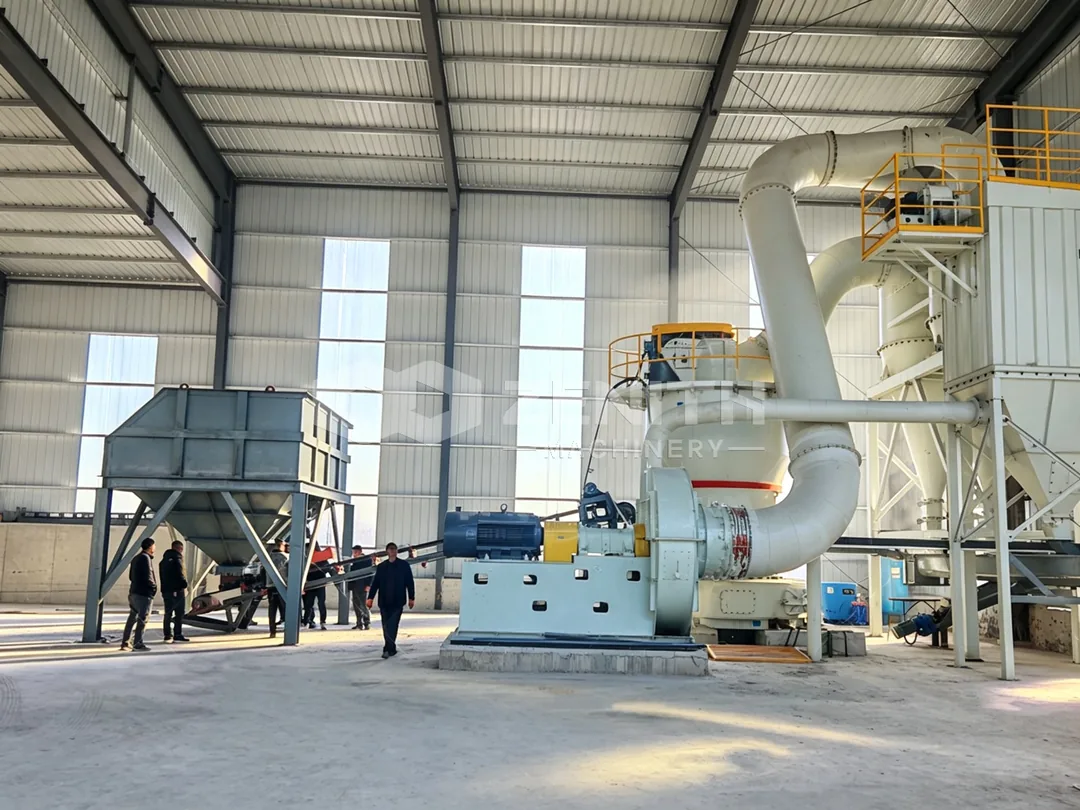
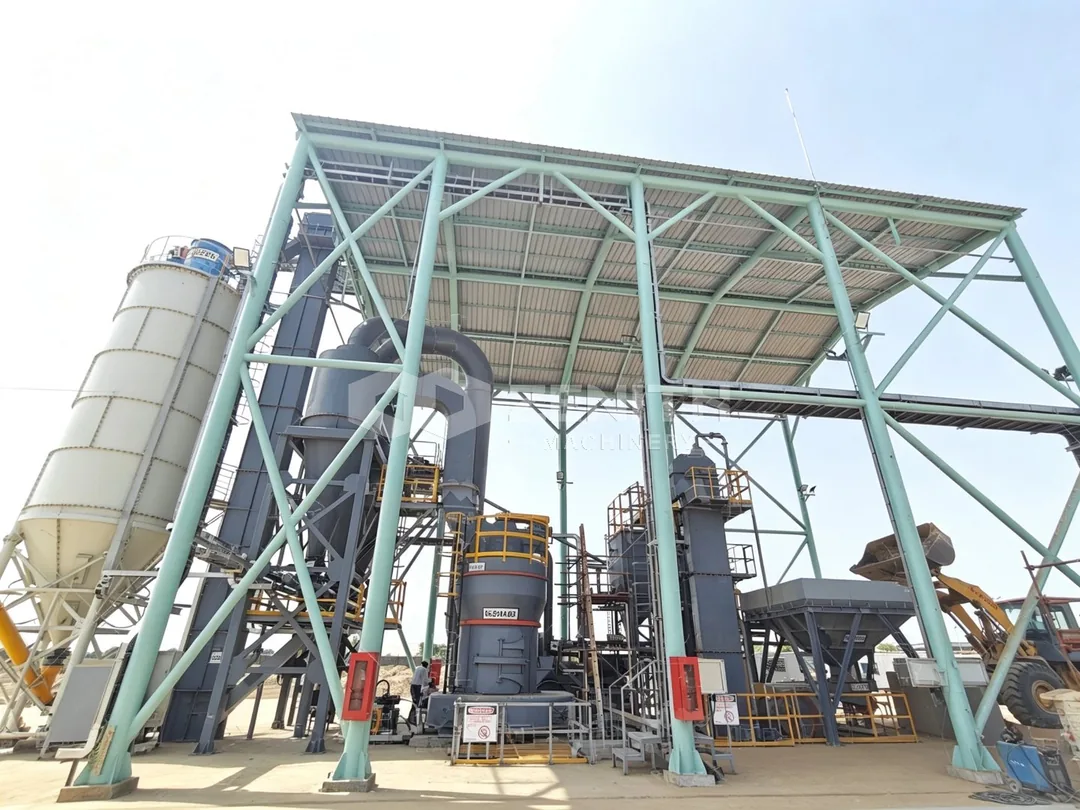
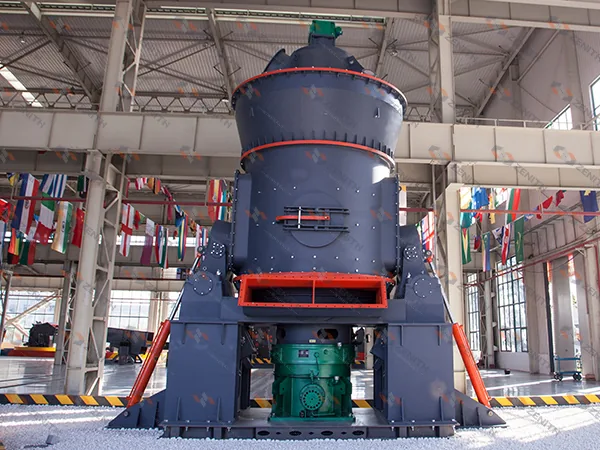
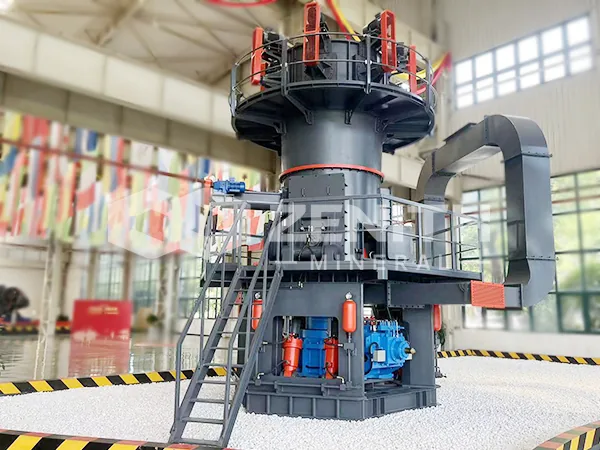
An indonesian silica processing plant has a silica sand grinding production line with a capacity of 100 t/h, producing a finished product with a fineness of 200-400 mesh.
2026-03-07 02:27:42
In the heart of Indonesia's thriving industrial sector, a silica processing plant operates a critical grinding production line. With a target capacity of 100 tons per hour and a stringent fineness requirement of 200-400 mesh for its finished silica powder, the selection of grinding equipment is not merely a purchase—it's a strategic decision impacting efficiency, operational cost, and product quality for years to come. For such demanding applications, conventional solutions often fall short, struggling with energy intensity, inconsistent particle size distribution, or inadequate throughput.
Shanghai Zenith Machinery, with its global footprint spanning over 180 countries and deep specialization in industrial powder processing, understands these challenges intimately. Our engineering philosophy is built on providing not just machines, but integrated solutions that align with specific production goals. For a high-capacity, fine-powder operation like this Indonesian plant, several key factors come into play: energy consumption per ton, footprint constraints, ease of fineness adjustment, and system stability.
_1772821662872.jpg)
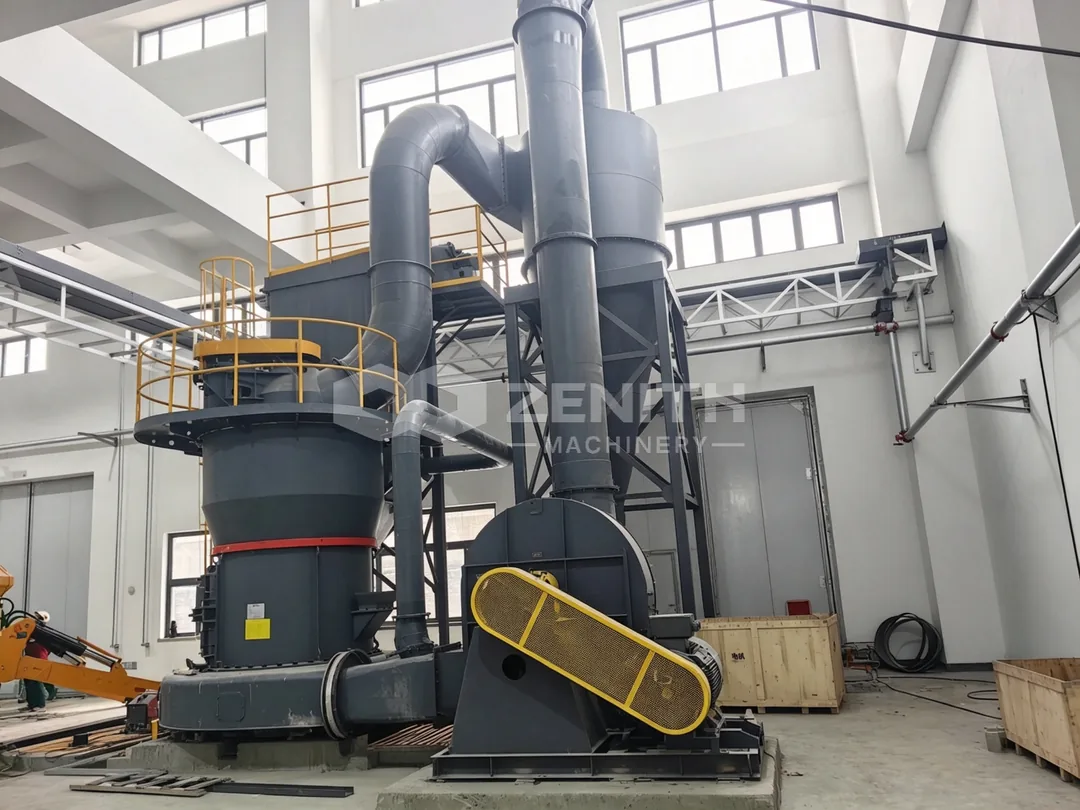
When evaluating equipment for a 100 t/h, 200-400 mesh silica sand line, Zenith's LM Vertical Grinding Mill presents a compelling primary option. Its capacity range of up to 340 T/H comfortably exceeds the requirement, providing a buffer for peak performance. The vertical roller mill design is renowned for its high grinding efficiency and significantly lower specific energy consumption compared to traditional ball mills—a critical consideration for cost-sensitive operations. Its integrated design and ability to operate in open-air layouts translate to less comprehensive investment in plant infrastructure.
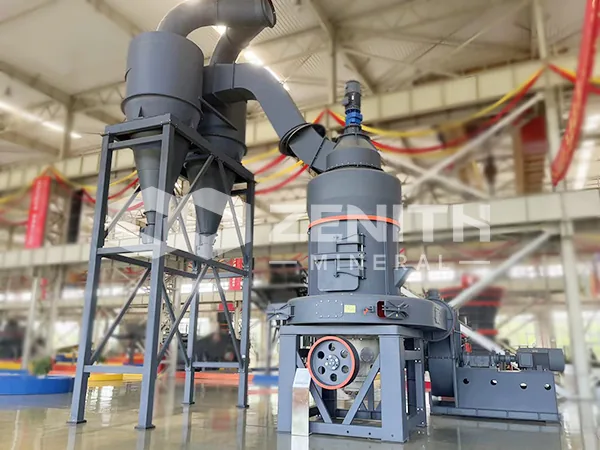
The need for a consistent product between 200 and 400 mesh is precisely where Zenith's technology shines. The MTW European Trapezium Mill is another powerhouse engineered for this range, capable of producing 80-400 mesh powder with remarkable stability. Its modular impeller adjustment device allows operators to change product fineness swiftly, offering exceptional flexibility to meet varying customer specifications without downtime for major reconfiguration. Furthermore, its high-efficiency impeller fan system ensures optimal airflow, directly impacting classification accuracy and yield.
_1772821662875.jpg)
Beyond the main grinding unit, a successful production line relies on a coherent system. Zenith's approach encompasses everything from feeding to dust collection. The working principle common across our mills—where material is ground, classified via internal or external powder selectors, with coarse particles automatically recirculated—ensures a closed-loop, efficient process. This system operates under negative pressure, and when paired with our pulse dust collectors, it guarantees an environmentally friendly operation that meets stringent international standards, a non-negotiable aspect for modern plants.
For plant managers, the proof is in the operational metrics. Zenith's trapezium and vertical mills are designed to consume over 60% less energy than ball mills of equivalent output. In a 100 t/h operation running 24/7, this differential represents monumental savings in power costs. Additionally, the high degree of automation embedded in models like the LM Vertical Mill allows for remote monitoring and control, reducing labor costs and minimizing human error, ensuring the production line delivers its designed capacity reliably.
_1772821662877.jpg)
The journey from raw silica sand to a premium 200-400 mesh product demands precision engineering. It requires equipment that is not only robust enough for continuous duty but also intelligent enough to maintain product uniformity. With certifications like ISO, CE, and CU-TR, Zenith's grinding solutions offer the reliability and technological edge needed to turn a high-capacity production target into a sustainable, profitable reality. For the Indonesian silica industry and similar sectors worldwide, investing in such advanced grinding technology is the cornerstone of building a competitive and future-ready processing operation.
Frequently Asked Questions (FAQs)
- What is the main advantage of using an LM Vertical Mill over a traditional ball mill for a 100 t/h silica line?
The primary advantages are significantly lower energy consumption (often over 60% less), a smaller physical footprint (about 50% of a ball mill system), higher automation, and stable product quality due to efficient bed grinding and precise classification. - Can the fineness of the final product be easily adjusted between 200 and 400 mesh during operation?
Yes, mills like the MTW and MTM European Trapezium Mills feature a modular impeller adjustment device. Changing the impeller configuration allows operators to shift the output fineness within the 80-400 mesh range relatively quickly to meet different orders. - How does the system ensure environmental compliance, particularly with dust control?
The grinding system operates under negative pressure, preventing dust leakage. It is integrated with high-efficiency pulse jet dust collectors (bag filters) that capture over 99.9% of airborne particles, ensuring emissions meet strict international environmental standards. - Is the 100 t/h capacity achievable with a single grinding unit, or would multiple machines be required?
Depending on the specific model selected, a single unit can achieve this. For instance, the larger models of the LM Vertical Grinding Mill have capacities extending to 340 T/H, making a single-line, single-machine setup feasible and simpler to manage. - What kind of after-sales support and service availability can be expected in Indonesia?
Zenith has a global network with offices in over 30 countries. Comprehensive support includes installation supervision, operator training, a ready supply of genuine wear parts, and remote technical assistance to ensure minimal downtime. - How does the equipment handle the abrasive nature of silica sand to minimize wear and maintenance costs?
Critical wear parts like grinding rollers, tables (for vertical mills), and liners are made from high-chromium or other advanced abrasion-resistant alloys. This design, coupled with easy-maintenance features like externally swingable rollers, extends service life and reduces long-term operating costs.