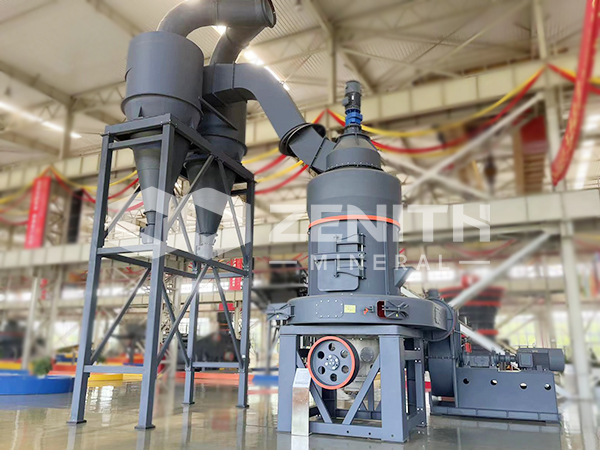
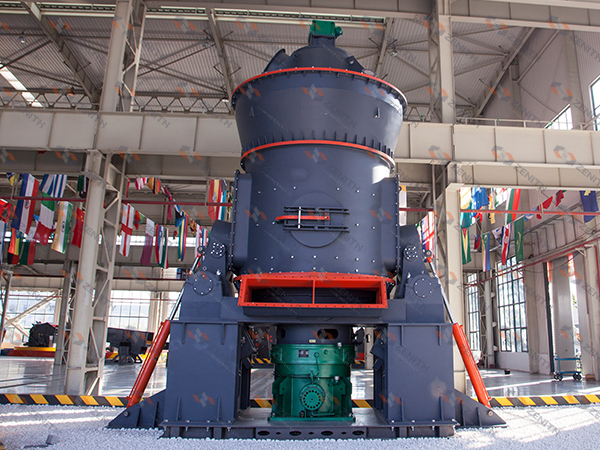
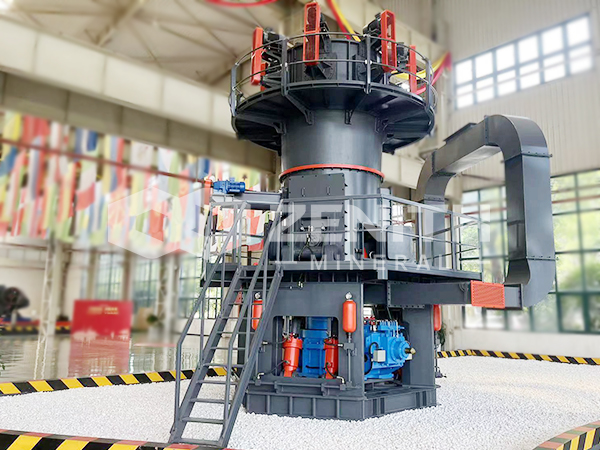
An indian company purchased a bentonite grinding mill with a capacity of 50 t/h. the finished powder will be used to produce iron ore metallurgical pellets.
2026-03-18 02:23:52
In a strategic move to secure a reliable and high-quality supply chain for its iron ore pelletizing operations, a prominent Indian steel and mining company has recently commissioned a new bentonite grinding facility. The core of this investment is a high-capacity grinding mill specifically selected to produce 50 tons per hour of finely ground bentonite powder, a critical binder in the production of metallurgical-grade iron ore pellets. This decision underscores the growing emphasis on operational efficiency, product consistency, and cost control within the competitive global steel industry.
Bentonite, with its exceptional binding and swelling properties, is indispensable in the pelletizing process. It ensures the formation of strong, uniform green pellets that can withstand handling and the intense heat of the induration furnace. The quality of the bentonite powder—its fineness, consistency, and purity—directly impacts pellet strength, reducibility, and ultimately, the efficiency of the blast furnace. Therefore, selecting the right grinding technology was not merely an equipment purchase but a critical process investment.
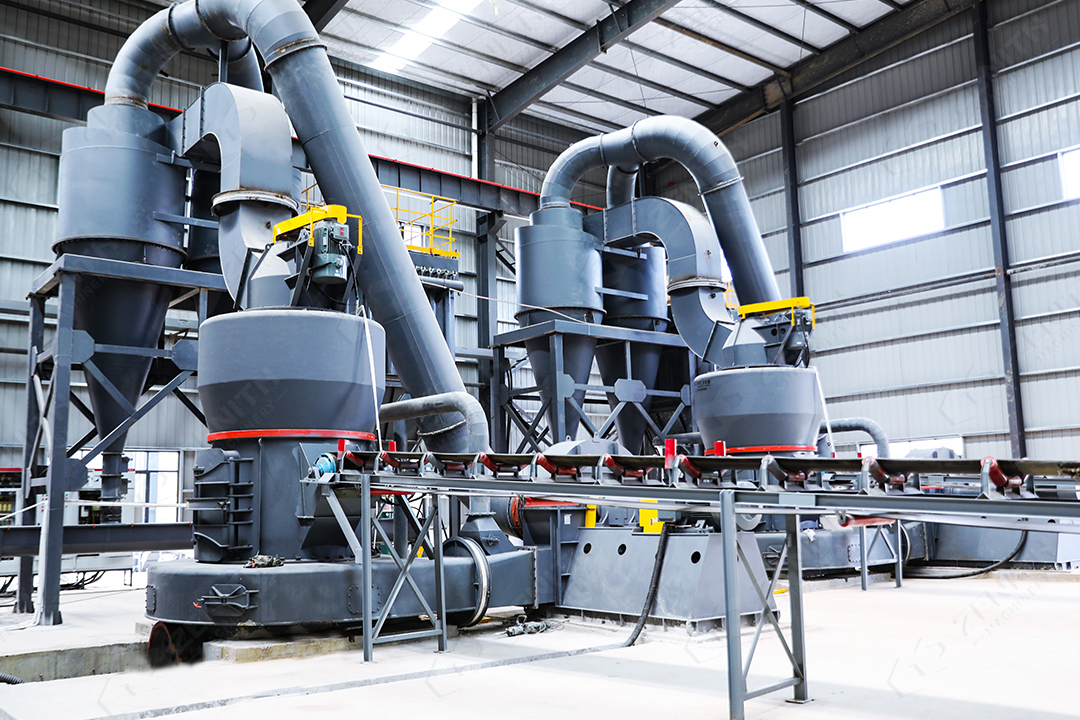
After a thorough technical and commercial evaluation, the company opted for a grinding solution renowned for its balance of high output, energy efficiency, and operational stability. The chosen system is engineered to handle the specific characteristics of bentonite, transforming raw clay into a perfectly calibrated powder. The requirement for a consistent 50 t/h output ruled out smaller, batch-oriented systems and demanded a robust, continuous grinding machine capable of 24/7 operation with minimal downtime.
The installed mill, such as our LM Vertical Grinding Mill, is particularly suited for such large-scale, continuous mineral processing applications. Its integrated design and vertical structure lead to a significantly smaller footprint—about 50% less than a traditional ball mill system—which translates into lower civil construction costs. For a new greenfield project or a plant expansion, this space-saving advantage is a considerable benefit.
_1773771832453.jpg)
One of the most compelling factors behind this choice was the dramatic reduction in energy consumption. Modern trapezium and vertical roller mills, like our MTW/MTM and LM series, demonstrate energy savings of over 60% compared to conventional ball mills of similar capacity. In an industry where power costs constitute a major portion of operational expenses, this efficiency directly enhances the long-term profitability of the pellet plant. Furthermore, the system operates under negative pressure, ensuring a dust-free environment and full compliance with stringent environmental regulations—a non-negotiable aspect for responsible mining operations today.
The need for precise quality control was another decisive factor. The pelletizing process requires bentonite powder within a specific fineness range, typically between 200 and 400 mesh. The selected mill features an adjustable powder classifier, allowing plant operators to easily fine-tune the output fineness by changing impellers or adjusting rotor speed via a VFD control panel. This flexibility ensures the final product consistently meets the exact specifications required for optimal pellet bonding strength.
_1773771832455.jpg)
Beyond the core mill, the complete system supplied includes integrated feeding, classification, and collection components—forming a closed-loop production line from bulk material to finished powder. This turnkey approach, backed by comprehensive after-sales support and a global spare parts network spanning over 180 countries, provides the Indian company with the operational reliability and technical assurance needed for mission-critical infrastructure.
This investment is a clear indicator of the Indian steel industry's forward-looking approach. By deploying advanced grinding technology to optimize a key raw material, the company is not only strengthening its own production efficiency but also contributing to the broader goal of sustainable and cost-effective steel manufacturing. The successful operation of this 50 t/h bentonite grinding mill sets a new benchmark for raw material preparation in metallurgical applications.
_1773771832456.jpg)
Frequently Asked Questions (FAQs)
- Why is bentonite grinding so important for iron ore pellet production?
Finely ground bentonite acts as a crucial binder, providing the necessary plasticity and strength to form "green" pellets and ensuring they remain intact during drying and high-temperature induration, which directly affects blast furnace efficiency. - What are the key advantages of a vertical roller mill (like the LM series) for this application?
Key advantages include significantly higher energy efficiency (over 60% savings vs. ball mills), a compact footprint, high automation level for stable operation, and environmentally friendly sealed, dust-free grinding under negative pressure. - How is the fineness of the bentonite powder controlled in such a high-capacity mill?
The fineness is precisely controlled by an integrated dynamic classifier. By adjusting the speed of the classification rotor (often via a VFD) or changing modular impellers, operators can easily achieve and maintain the desired product size between 80 and 400 mesh. - Can the mill handle variations in the moisture or hardness of the raw bentonite?
Yes, modern grinding mills like the MTW/MTM and LM series are designed with robust construction and adjustable grinding force. They can adapt to reasonable variations in material properties, though consistent feed quality is always recommended for optimal performance. - What kind of after-sales support is typically provided with such an industrial grinding project?
Comprehensive support includes installation supervision, commissioning, operator training, a readily available global inventory of wear parts, and remote technical assistance to ensure maximum uptime and productivity. - Is the grinding system environmentally compliant?
Absolutely. The entire system operates under negative pressure and is equipped with high-efficiency pulse jet bag dust collectors, ensuring all emissions are well below national and international environmental protection standards.