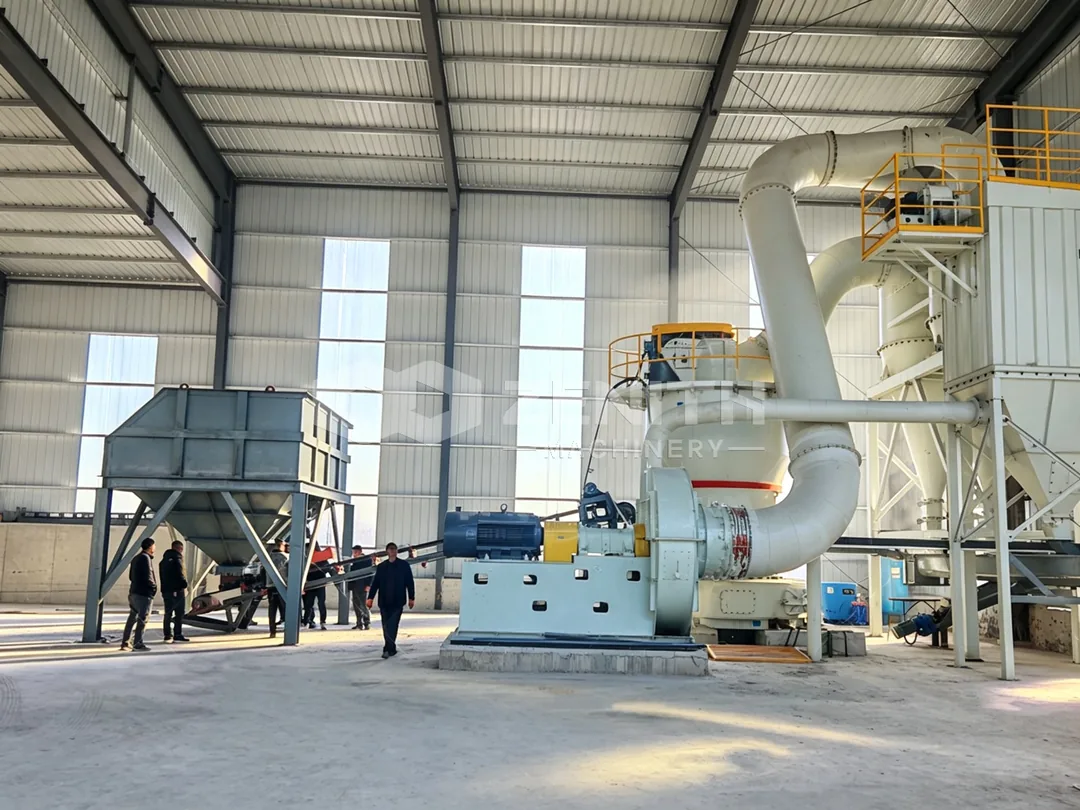
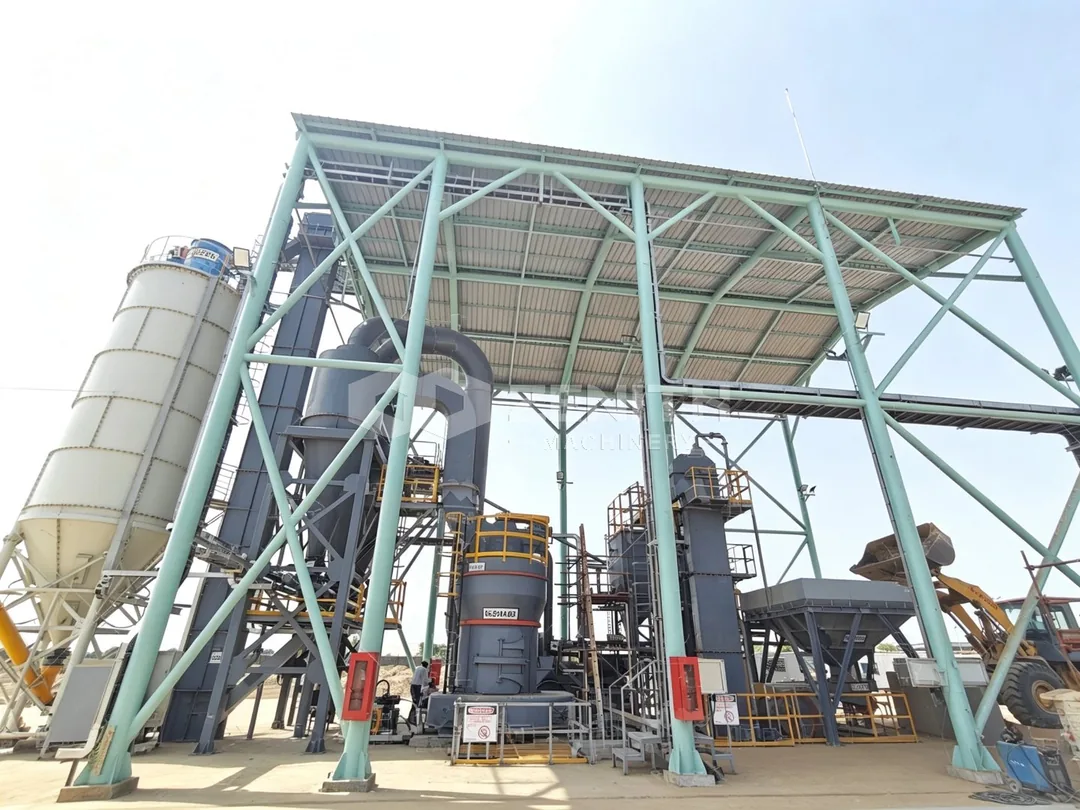
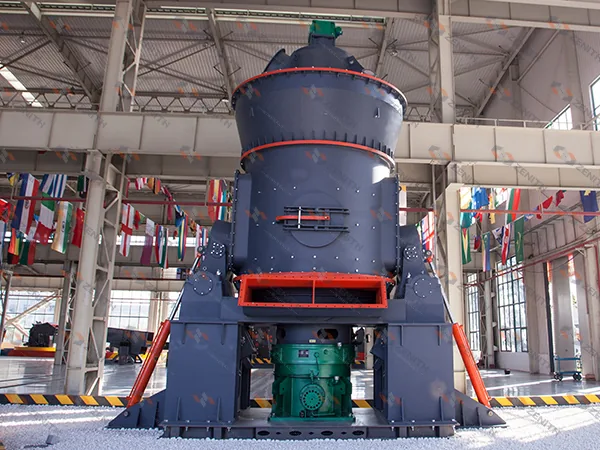
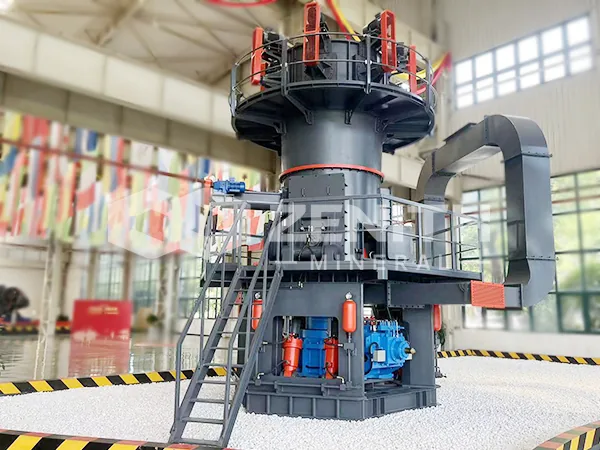
A building materials factory in tanzania purchased a large dolomite grinding mill with a capacity of 20 tons per hour. the finished powder will be used for wall putty.
2026-03-06 02:24:26
In a strategic move to bolster its production capabilities and meet the growing domestic demand for quality construction materials, a prominent building materials factory in Tanzania has recently commissioned a large-scale dolomite grinding mill with an impressive capacity of 20 tons per hour. The primary application for this finely processed powder is the manufacturing of high-grade wall putty, a critical component in modern construction for achieving smooth, durable, and aesthetically pleasing interior and exterior finishes.
The selection of the right grinding technology was paramount for this project. The factory required a solution that was not only capable of handling the specific hardness and characteristics of Tanzanian dolomite but also one that promised operational efficiency, consistent product quality, and long-term reliability. After extensive evaluation of global suppliers, the factory partnered with Shanghai Zenith Machinery Co., Ltd., leveraging their decades of expertise in industrial powder processing. Zenith's equipment, renowned for its robust engineering and adherence to international standards like ISO, CE, and CU-TR, offered a compelling fit for the project's ambitious goals.
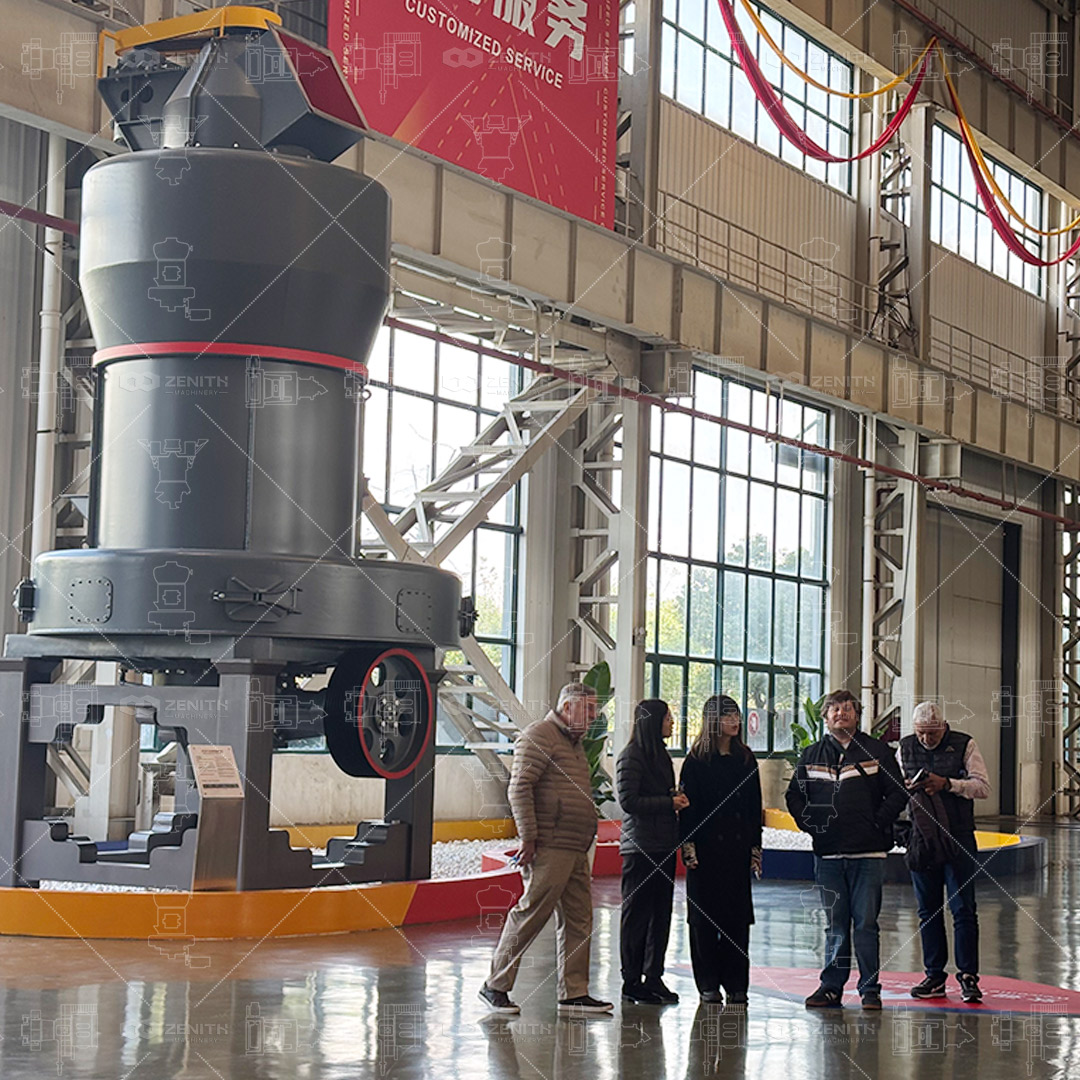
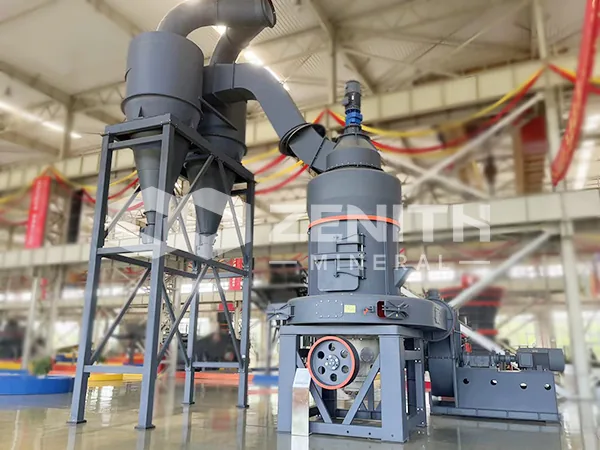
For this specific application, the MTW European Trapezium Mill emerged as the optimal choice. This model is particularly well-suited for producing fine powders in the 80-400 mesh range, which perfectly aligns with the fineness requirements for wall putty. Its ability to deliver up to 50 tons per hour in larger configurations provided the necessary headroom for the factory's 20-ton-per-hour target, ensuring stable and uninterrupted production. The mill's design philosophy emphasizes energy savings, boasting over 60% lower energy consumption compared to traditional ball mills of similar capacity—a critical factor in managing operational costs in an energy-intensive industry.
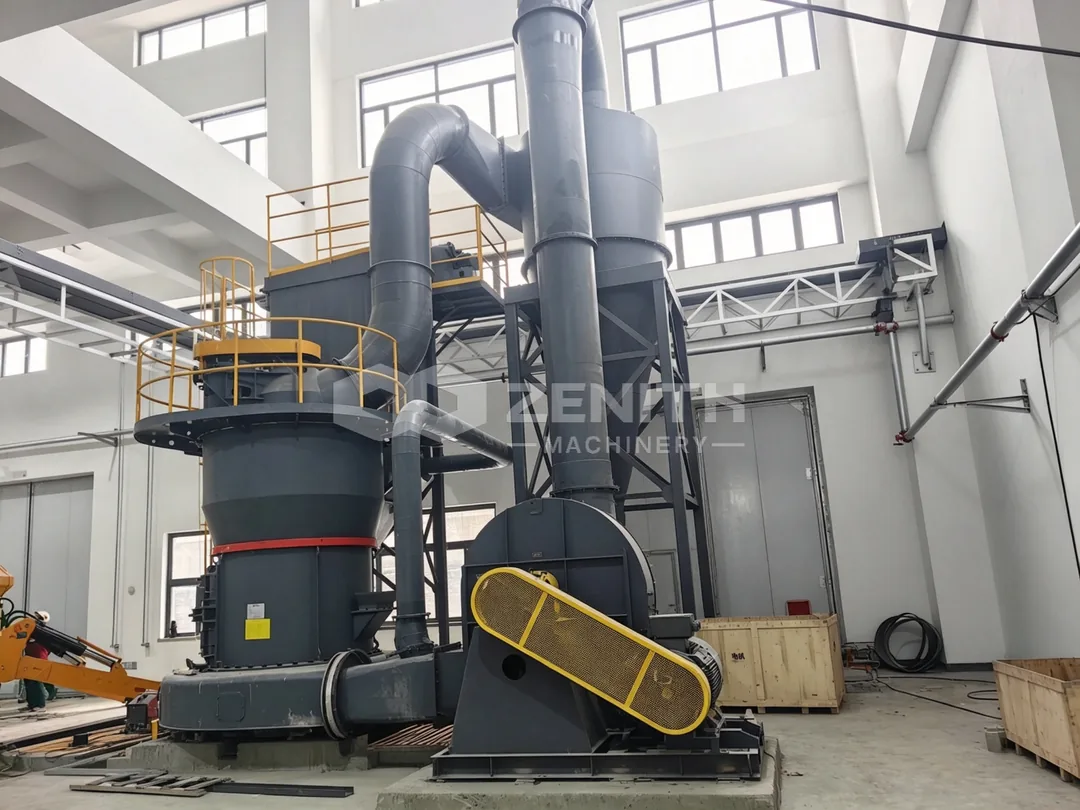
The technical advantages of the MTW series extend beyond mere capacity. Its integrated production system, from raw material feeding to final powder collection, significantly reduces the footprint of the plant and minimizes foundational investment. _1772735066767.jpg) The adjustable output fineness, achieved through a modular impeller system, allows the plant operators to fine-tune the product specifications for different wall putty formulations with remarkable ease. Furthermore, the high-efficiency induced air system (85% efficiency) ensures optimal material flow and classification, contributing to a uniform and high-quality final powder.
The adjustable output fineness, achieved through a modular impeller system, allows the plant operators to fine-tune the product specifications for different wall putty formulations with remarkable ease. Furthermore, the high-efficiency induced air system (85% efficiency) ensures optimal material flow and classification, contributing to a uniform and high-quality final powder.
The working principle of the MTW mill guarantees a clean and efficient process. Crushed dolomite is fed into the grinding chamber, where it is pulverized. The fan-driven airflow then carries the powder to an internal classifier. Here, particles meeting the target fineness are separated and collected as finished product in the cyclone collector, while coarser particles are returned for re-grinding. The entire system operates under a controlled negative pressure environment, integrated with a pulse dust collector, ensuring that the production process is not only efficient but also environmentally compliant, with minimal dust emission.
This investment represents more than just an equipment upgrade; it is a significant step towards industrial modernization for the Tanzanian factory. By adopting Zenith's advanced grinding technology, the factory positions itself as a leader in local building material supply, capable of producing superior wall putty that meets international quality benchmarks. The reliability and low maintenance requirements of the MTW mill translate into higher overall equipment effectiveness (OEE), reducing downtime and ensuring a steady supply to the market.
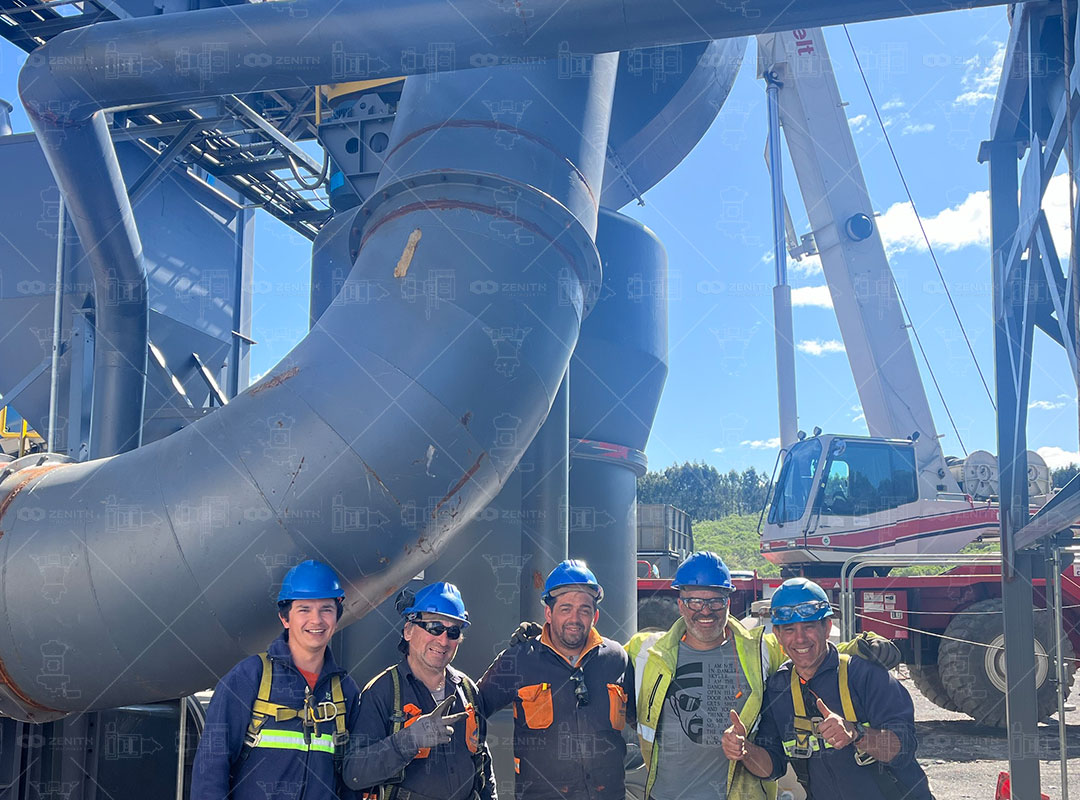
Shanghai Zenith's global support network, with a presence in over 180 countries and offices in more than 30, provided crucial assurance. From initial consultation and plant layout design to installation guidance and after-sales service, their team worked closely with the Tanzanian engineers to ensure a smooth commissioning process. This collaboration underscores Zenith's commitment to supporting industrial growth in Africa by providing tailored, high-tech solutions.
In conclusion, the successful deployment of this 20-tph dolomite grinding mill is a testament to the synergy between visionary local enterprise and world-class engineering. It empowers the Tanzanian factory to play a pivotal role in the nation's construction sector, providing the essential materials needed for infrastructure development and housing projects, all while setting new standards for efficiency and environmental stewardship in mineral processing.
Frequently Asked Questions (FAQs)
- What is the typical fineness range required for dolomite powder used in wall putty?
Dolomite powder for wall putty typically requires a fineness between 200 and 400 mesh. The MTW European Trapezium Mill is expertly designed to produce powder within this precise range, ensuring excellent binding properties and a smooth finish. - How does the energy consumption of the MTW mill compare to a traditional ball mill?
Under ideal working conditions, the MTW series trapezium mill consumes over 60% less energy than a ball mill of the same grade and output capacity, leading to substantial reductions in long-term operational costs. - Can the mill handle variations in the hardness or moisture content of the raw dolomite?
Yes, the MTW mill features a robust design and an adjustable grinding force mechanism, providing good adaptability to normal variations in material hardness. For materials with higher moisture, a drying system can be integrated into the grinding circuit if necessary. - What kind of after-sales support and spare parts availability can be expected?
Zenith maintains a comprehensive global supply chain and service network. Spare parts for critical wear components are standardized and kept in stock, with local technical support available to ensure minimal downtime for maintenance. - Is the grinding process environmentally friendly?
Absolutely. The system operates under negative pressure and is equipped with high-efficiency pulse jet bag dust collectors. This configuration effectively contains dust, ensuring that the plant meets stringent national and international environmental protection standards. - What is the expected service life of the grinding rollers and other wearing parts?
Key wearing parts like grinding rollers and rings are manufactured from high-chromium alloy or other advanced abrasion-resistant materials. Their service life depends on material abrasiveness but is significantly extended through superior material science, often lasting several thousand hours of operation.