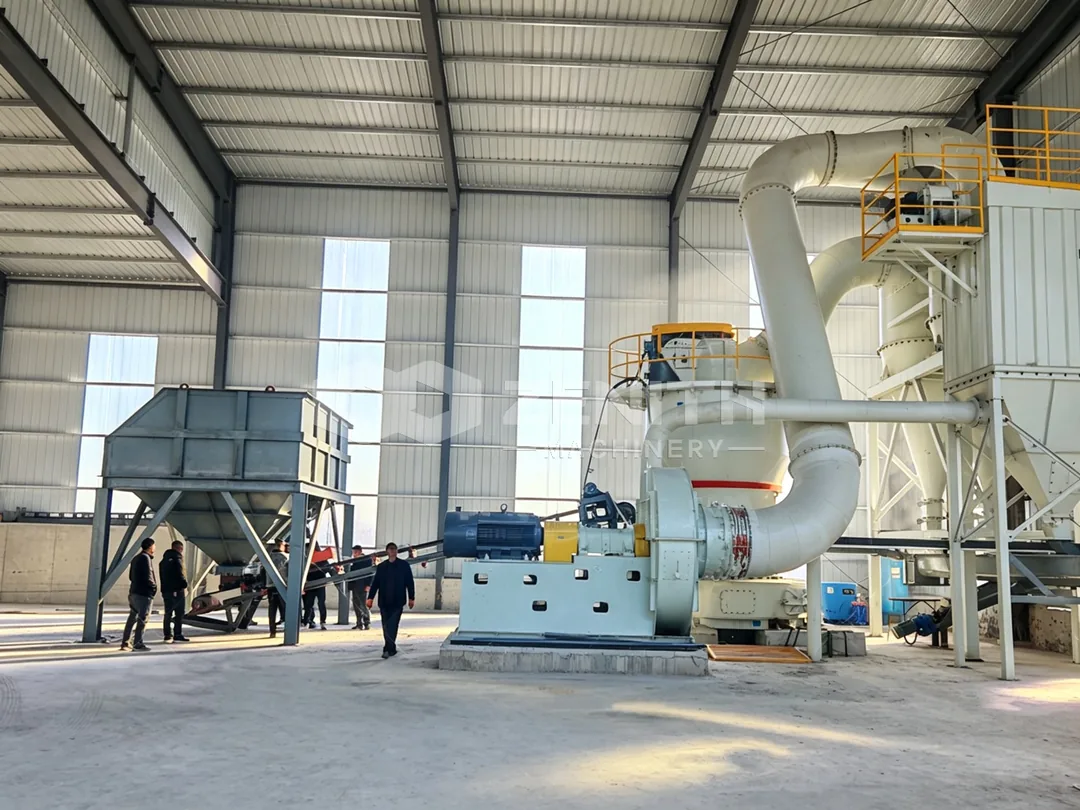
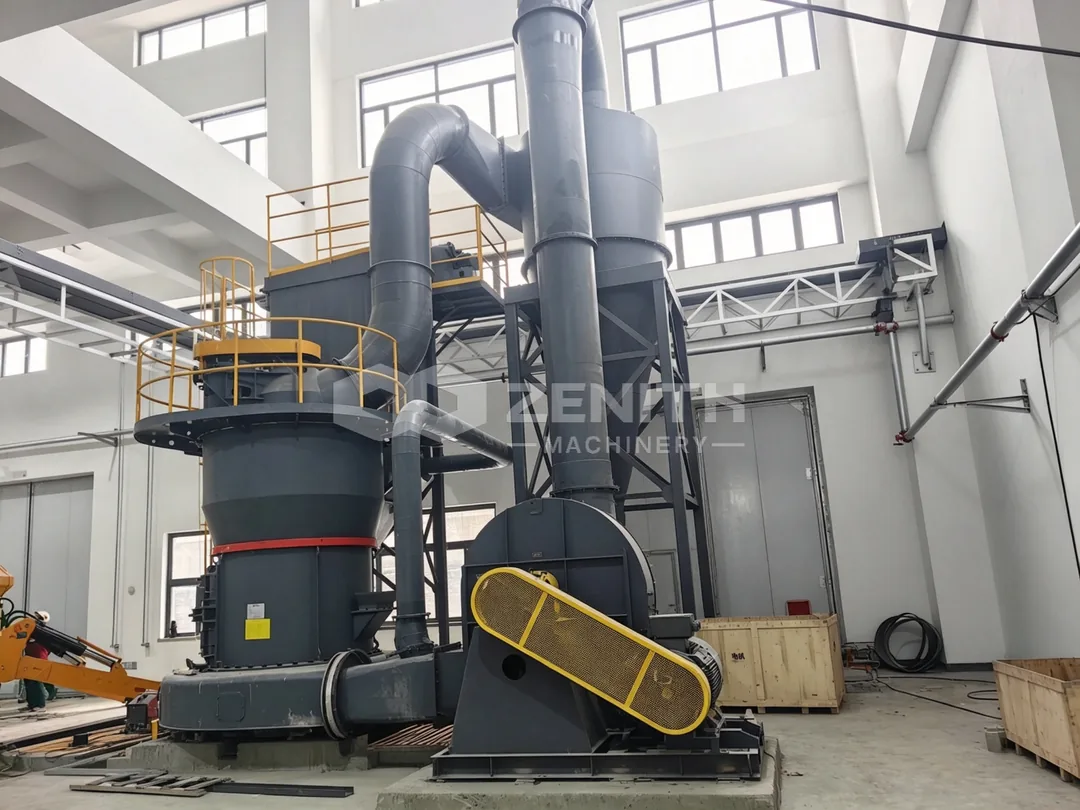
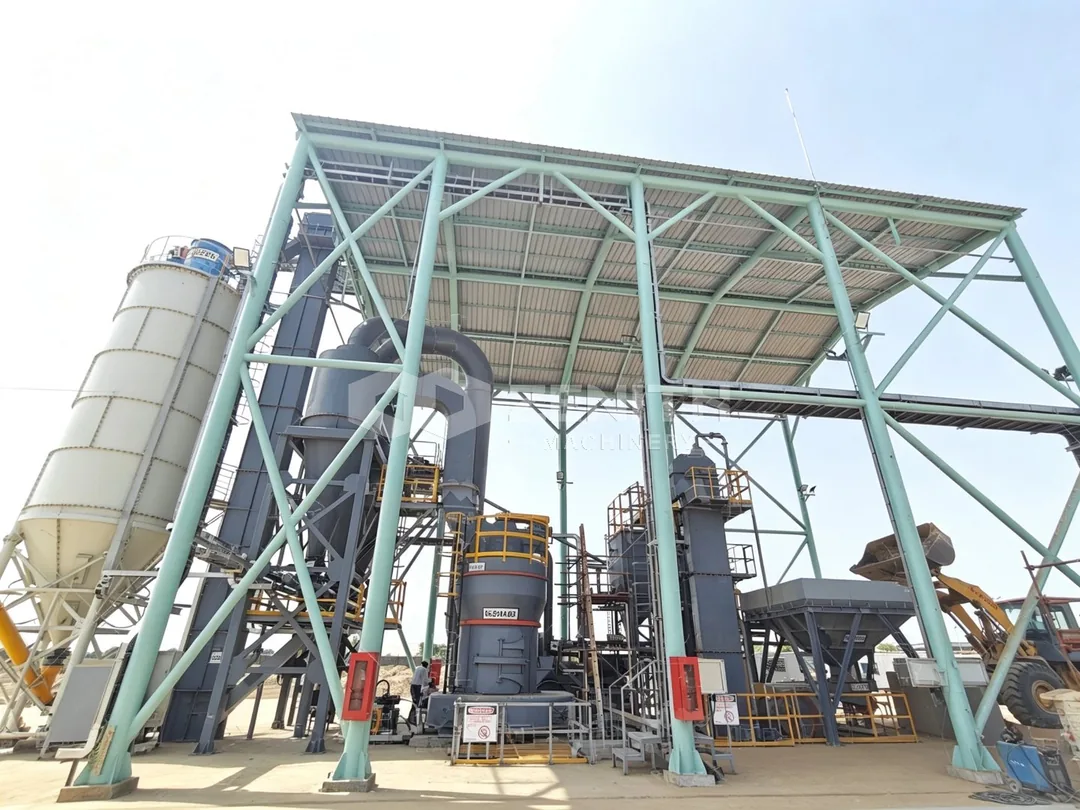
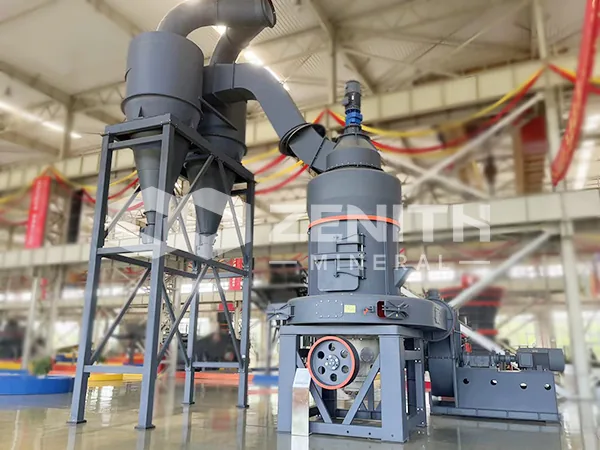
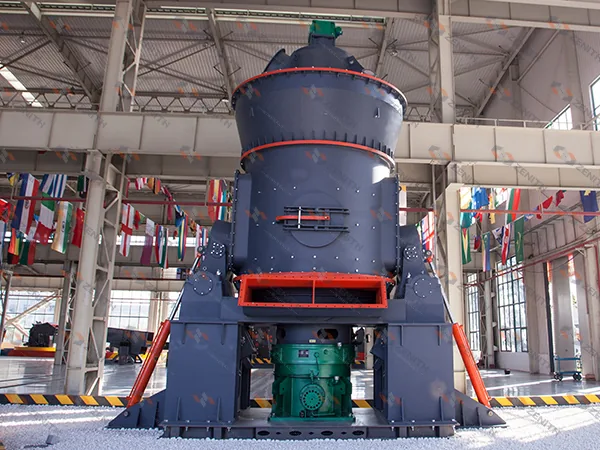
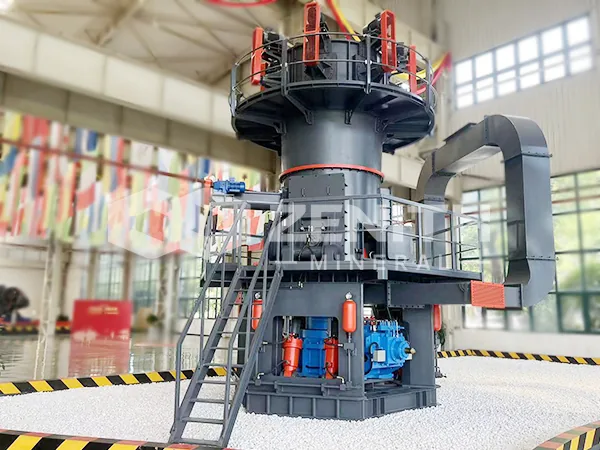
A company purchased a european-style grinding mill to process crushed glass into a fineness of 100-150 mesh for the production of ceramic tiles.
2026-03-01 02:24:33
In the competitive landscape of ceramic tile manufacturing, the quality of raw materials is paramount. A key challenge lies in processing recycled materials, such as crushed glass, into a consistent and fine powder suitable for high-grade tile bodies. One company recently addressed this challenge head-on by investing in a European-style grinding mill, specifically engineered to transform crushed glass into a precise 100-150 mesh fineness. This strategic move not only enhances product quality but also aligns with sustainable manufacturing practices.
_1772303073202.jpg)
The selection process for the right equipment was rigorous. The primary requirement was a mill capable of delivering a narrow particle size distribution within the 100-150 mesh range (approximately 150 to 106 microns). This specific fineness is crucial for ceramic tile production, as it ensures a smooth surface finish, optimal sintering behavior, and consistent physical properties in the final tile. After evaluating several options, the company chose a solution from Zenith, a global leader in industrial grinding technology known for its hi-tech engineering and extensive product portfolio.
The chosen equipment was the MTW European Trapezium Mill. This model stood out for its perfect balance of capacity, precision, and energy efficiency. With an output range of 30-325 mesh, it is ideally suited to target the 100-150 mesh sweet spot reliably. One of the decisive factors was its significantly lower energy consumption—reportedly over 60% lower than traditional ball mills of the same grade. For a production facility aiming for cost-effectiveness and reduced operational footprint, this was a major advantage.
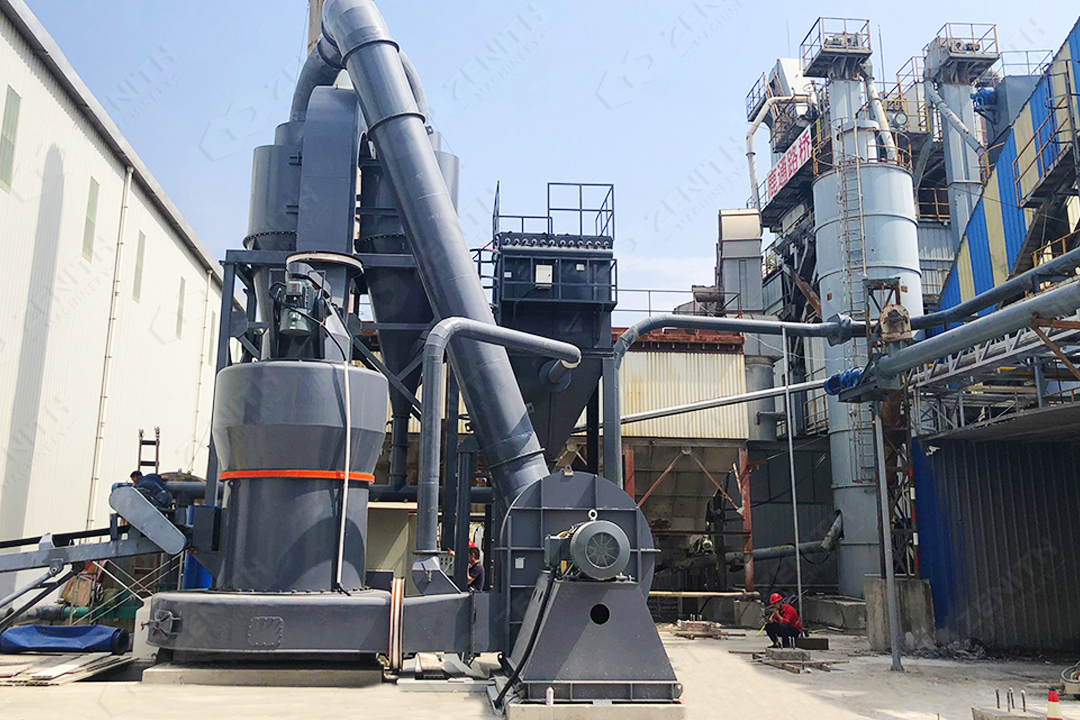
The mill's working principle ensures a clean and efficient process. Crushed glass is fed into the grinding chamber and pulverized by rollers. The resulting powder is then carried by an induced airflow to an integrated powder classifier. Here, the precise separation occurs: particles meeting the 100-150 mesh specification are extracted as finished product, while coarser particles are returned for re-grinding. This closed-loop system, operating under negative pressure, is key to achieving consistent fineness and maintaining a dust-free workshop environment, which is essential for both product purity and worker safety.
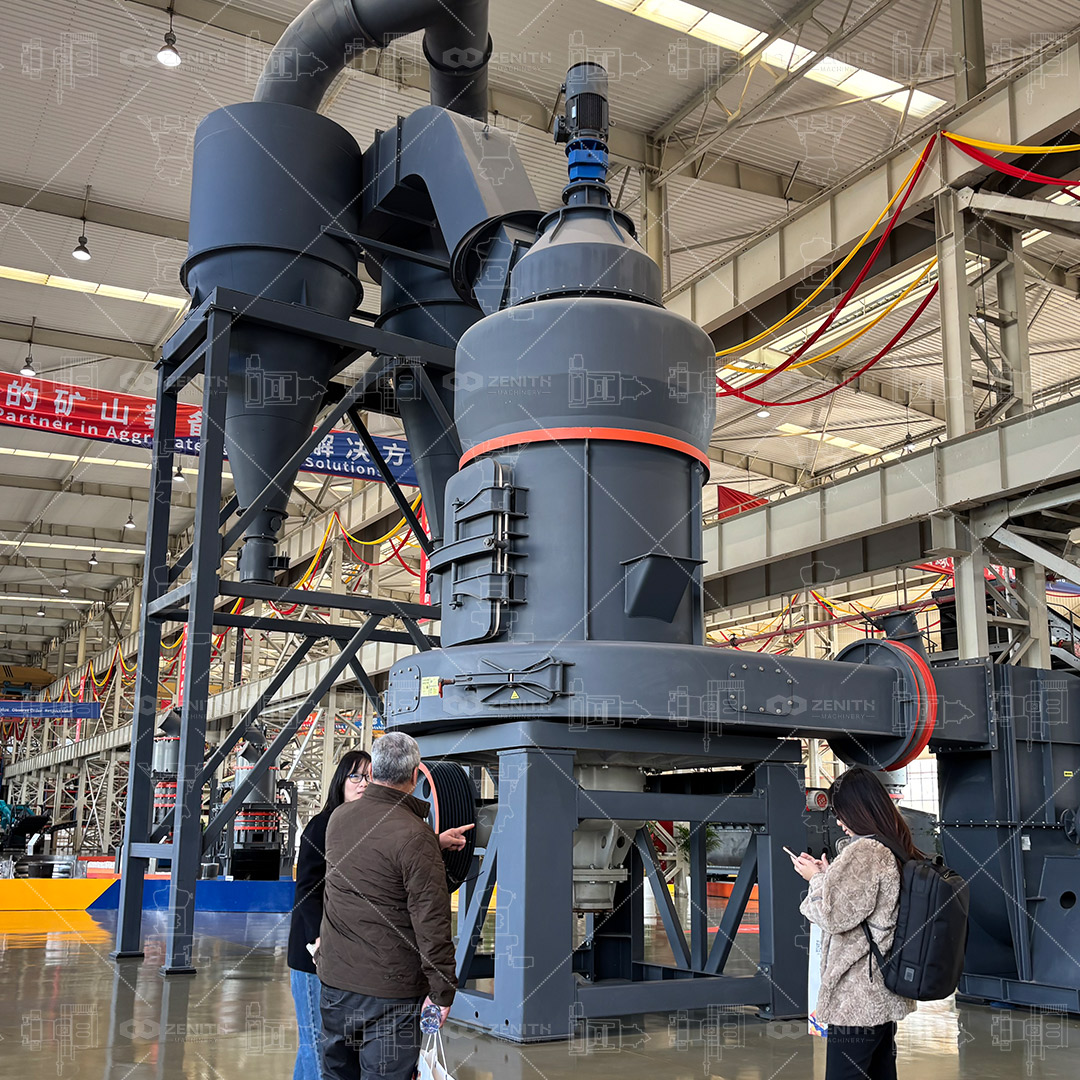
Beyond the core grinding function, the MTW mill offered several practical benefits that influenced the purchase decision. Its modular design and compact footprint meant less investment in plant infrastructure. The adjustable fineness feature, achieved through a modular impeller system, provides future flexibility should the recipe require a different particle size. Furthermore, the mill's high induced air efficiency (up to 85%) contributes to stable system operation and lower power draw for the collection system.
The integration of this European-style mill has transformed the company's raw material preparation stage. The ability to consistently produce 100-150 mesh glass powder from post-consumer or industrial glass waste has opened doors to higher-value tile lines. The uniformity of the ground powder leads to better compaction during pressing and more predictable behavior in the kiln, ultimately reducing waste and improving tile strength and aesthetics. This investment is a clear example of how advanced milling technology can be a catalyst for both product excellence and sustainable industrial practices.
Frequently Asked Questions (FAQs)
- What is the main advantage of using a European-style trapezium mill over a traditional ball mill for this application?
The primary advantages are significantly higher energy efficiency (over 60% lower consumption), a more compact design requiring less floor space, and superior control over particle size distribution, which is critical for achieving a consistent 100-150 mesh product. - Can this grinding mill handle other materials besides crushed glass for ceramic production?
Absolutely. The MTW series mill is versatile and commonly used for grinding various non-metallic minerals like feldspar, quartz, clay, and limestone—all key raw materials in the ceramics industry. - How is the desired fineness (e.g., 100-150 mesh) adjusted and controlled on the mill?
The fineness is precisely controlled by the integrated powder classifier. The mill features a modular impeller adjustment device; by changing the impeller speed or configuration, the cut point of the classifier can be accurately set to separate particles within the target size range. - What are the dust control features of this grinding system?
The entire system operates under negative pressure, preventing dust leakage. It is also equipped with a high-efficiency pulse jet bag filter or cyclone collector, ensuring that exhaust air meets strict environmental standards and the working area remains clean. - What is the typical production capacity for processing crushed glass to 100-150 mesh with this equipment?
Capacity depends on the specific model. The MTW series offers a range from 3 to 22 tons per hour (T/H). For a dedicated 100-150 mesh output from crushed glass, a mid-range model can typically deliver a stable 10-15 T/H, depending on material hardness and moisture content. - Is the system automated, and what is required for routine maintenance?
Yes, the system can be equipped with full automation controls for feeding, grinding, and collection. Routine maintenance is straightforward, primarily involving the inspection and replacement of wear parts like grinding rollers and liners, which are designed for easy access. - Does the supplier provide support for installation and optimization for a specific material like crushed glass?
Reputable suppliers like Zenith offer comprehensive technical support, including process layout design, installation guidance, and on-site commissioning to optimize mill parameters (such as roller pressure and classifier speed) specifically for the customer's crushed glass feedstock.