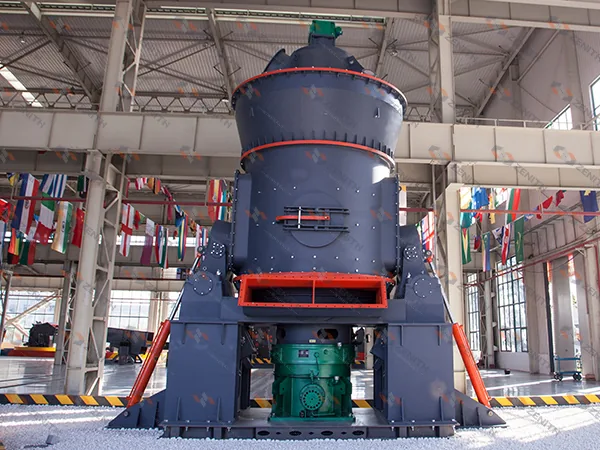
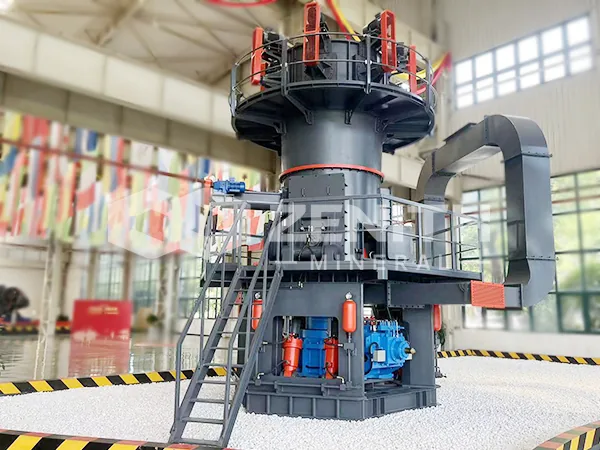
A cement plant's vertical mill grinding project using dolomite and limestone has a capacity of 100 t/h.
2026-02-28 02:24:41
In the competitive landscape of modern cement production, achieving high-capacity, efficient, and consistent raw material grinding is a cornerstone of operational success. A project demanding a 100-ton-per-hour output for processing key materials like dolomite and limestone presents a significant engineering challenge. It requires equipment that is not only robust and high-yielding but also energy-conscious and capable of producing the precise fineness required for optimal clinker formation. At Shanghai Zenith Machinery, we understand that such projects are not just about moving material; they are about transforming raw mineral potential into reliable, high-quality feedstock through intelligent engineering.
Our approach is rooted in decades of specialization in industrial powder grinding technology. With a global footprint spanning over 180 countries and backed by certifications like ISO, CE, and CU-TR, Zenith solutions are engineered for global standards. For a high-throughput application like this, where uptime and consistency are paramount, our LM Vertical Grinding Mill series emerges as the premier technological fit. Designed for 24/7 continuous operation, these mills offer the automation, stability, and large capacity essential for modern cement raw meal preparation.
_1772216681980.jpg)
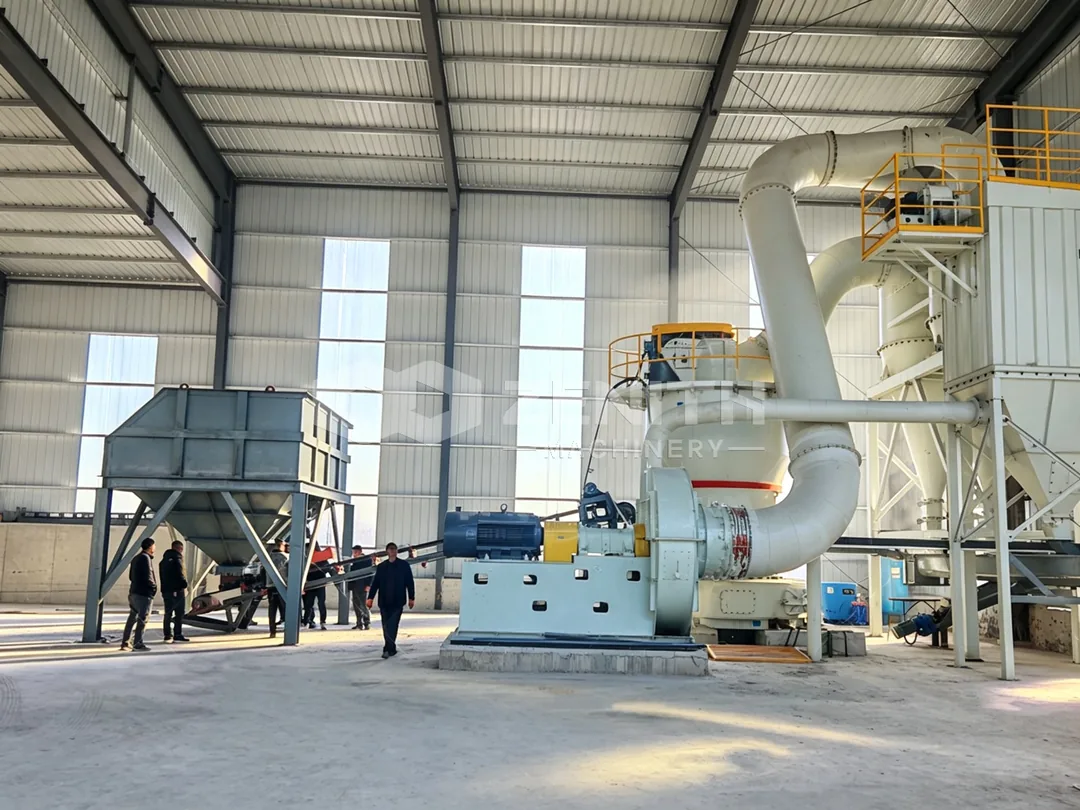
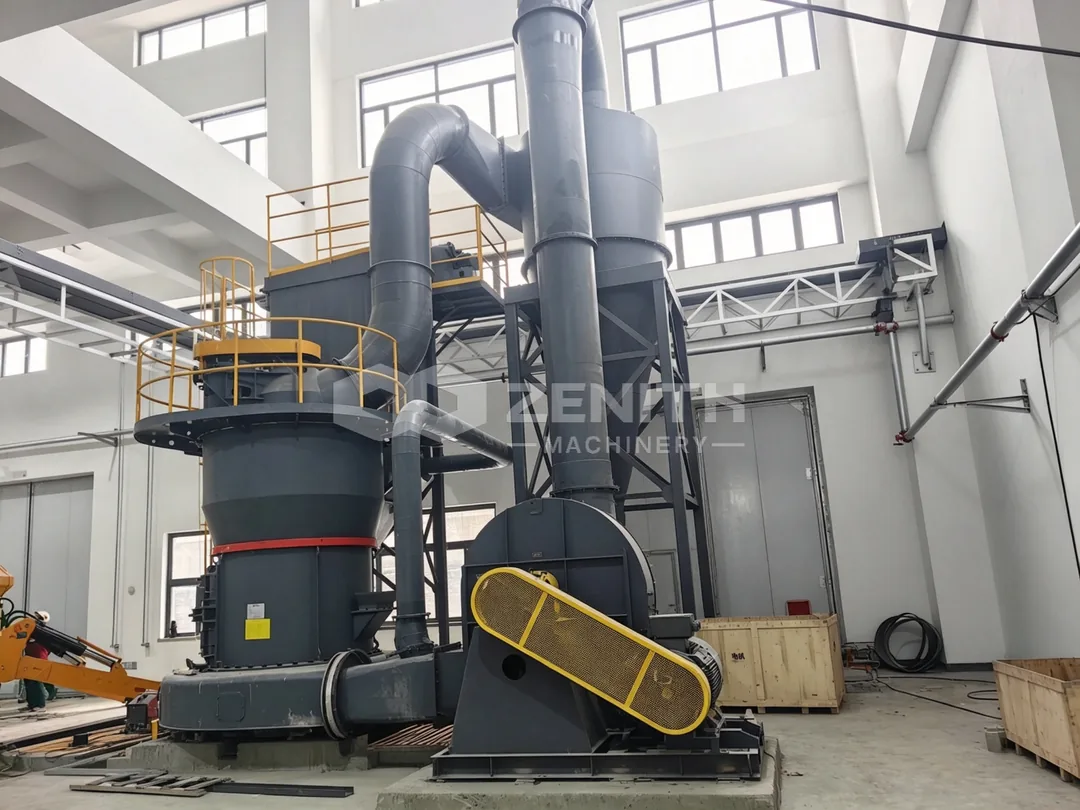
The core advantage of the LM Vertical Mill in this context is its integrated design philosophy. By adopting a compact, vertical layout, it occupies approximately 50% less area than a traditional ball mill system. This translates directly into lower civil engineering costs and a smaller plant footprint. For a 100 t/h project, this space efficiency is a major strategic benefit. Furthermore, its operation under negative pressure ensures a dust-free environment, aligning with stringent environmental protection standards—a non-negotiable aspect of contemporary industrial projects.
Energy consumption is the single largest operational cost in grinding. Here, Zenith's vertical mill technology delivers a decisive edge. Compared to a ball mill of equivalent output, the LM series demonstrates over 60% lower energy consumption under ideal conditions. This efficiency stems from its direct grinding principle: the motor drives the grinding disc, and material is crushed between rollers and the disc in a bed-on-bed mechanism, minimizing energy waste from impact and friction associated with tumbling ball mills. For a plant running continuously, this saving represents a monumental reduction in both operational expense and carbon footprint.
_1772216681984.jpg)
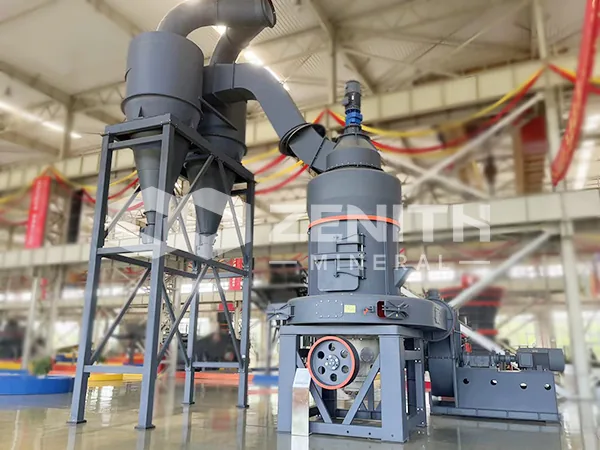
Processing a blend of dolomite and limestone requires precise control over product fineness and chemical consistency. The LM Vertical Mill excels here through its advanced separation system and automated control. The integrated powder selector ensures a tight particle size distribution, typically between 80-400 mesh, which is ideal for raw meal homogeneity. The high degree of automation allows for remote monitoring and control, ensuring stable product quality with minimal manual intervention, thus reducing labor costs and human error.
While the LM series is the workhorse for such large-scale raw material grinding, Zenith's portfolio offers tailored solutions for every stage of mineral processing. For instance, if the project requires preliminary size reduction of very large feedstock, our Hammer Mill (HM Series) is perfect for producing 0-3mm coarse powder efficiently. Conversely, if a portion of the output is destined for high-value additives requiring ultra-fine specifications, our LUM Ultrafine Vertical Mill or XZM Ultrafine Grinding Mill can achieve fineness up to 3250 mesh, integrating seamlessly into broader production value chains.
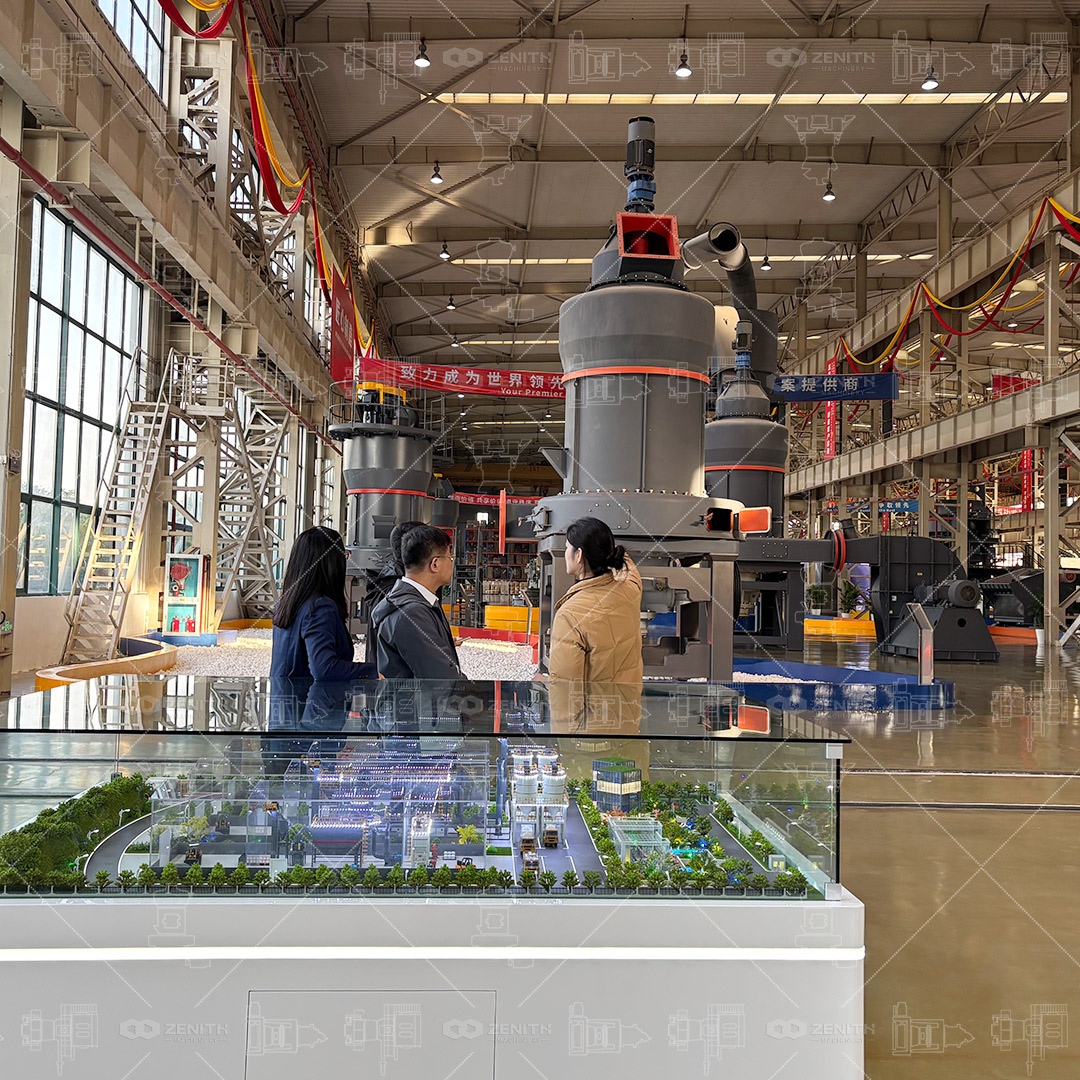
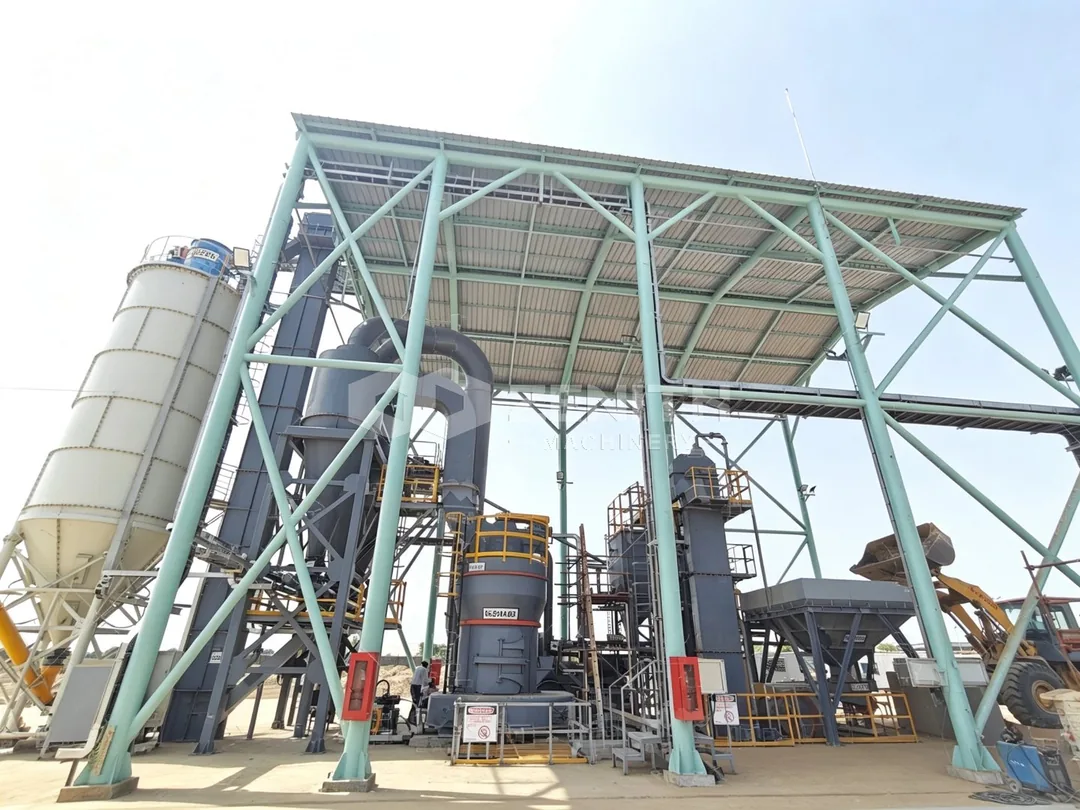
The success of a 100 t/h grinding project hinges on more than just the main mill. It depends on a holistic system—from feeding and grinding to classification and collection. Zenith provides this integrated production system. Our equipment's working principle ensures a closed-loop, efficient process: material is fed, ground on the rotating disc, classified by airflow, with coarse particles returning for regrinding and fine powder collected cyclonically. This system guarantees high yield, consistent quality, and operational reliability, making it a future-proof investment for cement producers aiming for excellence in dolomite and limestone processing.
Frequently Asked Questions (FAQs)
- Why is a vertical roller mill (VRM) like the LM series preferred over a traditional ball mill for a 100 t/h cement raw material project?
VRMs offer significantly higher energy efficiency (over 60% lower consumption), a smaller footprint, better drying capability for moist materials, and more stable product quality with advanced automation, making them more economical and reliable for large-scale, continuous operations. - Can the LM Vertical Grinding Mill handle the abrasive nature of dolomite and limestone effectively?
Yes. The LM mill is designed with wear-resistant materials for grinding rollers and the disc liner. Its grinding principle reduces metal-to-metal contact, and the hydraulic system allows for easy adjustment and partial rotation of rollers to evenly distribute wear, ensuring long service life even with abrasive materials. - What is the typical output fineness range for raw meal preparation, and can the mill adjust to different requirements?
For cement raw meal, the required fineness is usually around 80-90% passing 200 mesh (74 microns). The LM Vertical Mill can easily adjust output between 80-400 mesh via its external separator speed control, ensuring precise adherence to specific blend requirements. - How does the system ensure environmental compliance regarding dust emissions?
The entire grinding system operates under negative pressure. Paired with high-efficiency pulse jet bag dust collectors, it prevents dust spillage. All emissions are filtered to meet strict national and international environmental standards, ensuring a clean plant environment. - What kind of after-sales support and service does Zenith provide for such a major project?
Zenith offers comprehensive support including foundation and layout drawing supply, installation guidance, operator training, and readily available spare parts through our global network of over 30 overseas offices, ensuring minimal downtime. - Is the system automated, and what level of manpower is required for operation?
The LM mill system features a high degree of automation with PLC control. It allows for remote monitoring and control, enabling largely unmanned operation in the mill area. Typically, only periodic inspection and maintenance crews are needed, drastically reducing labor costs.