An indian agricultural company's dolomite powder production project produces 300-micron powder for fertilizer production.
2026-02-27 02:23:53
In the heart of India's dynamic agricultural sector, a forward-thinking company has embarked on a critical project: establishing a high-capacity production line for 300-micron dolomite powder, a vital soil amendment and fertilizer filler. This specific fineness—roughly equivalent to 50 mesh—is crucial for optimal soil application, ensuring rapid dissolution and nutrient availability while preventing dust issues common with finer powders. The success of such a project hinges not just on the raw material but on the precision, efficiency, and reliability of the grinding technology at its core.
For this ambitious endeavor, selecting the right milling equipment was paramount. The company's technical team, after extensive global evaluation, partnered with Shanghai Zenith Machinery Co., Ltd., leveraging their deep expertise in industrial powder processing. Zenith's proven track record in providing tailored solutions for mineral processing, backed by ISO, CE, and CU-TR certifications, provided the necessary assurance for a project demanding consistent quality and uninterrupted output.
_1772130233559.jpg)
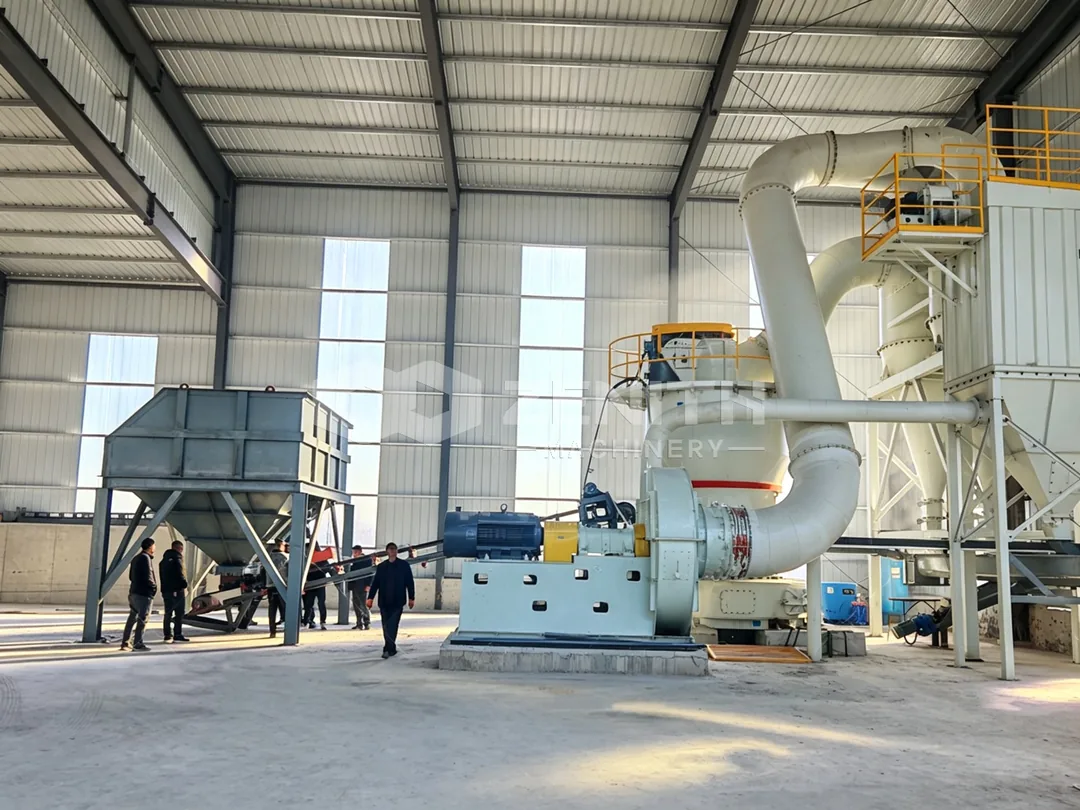
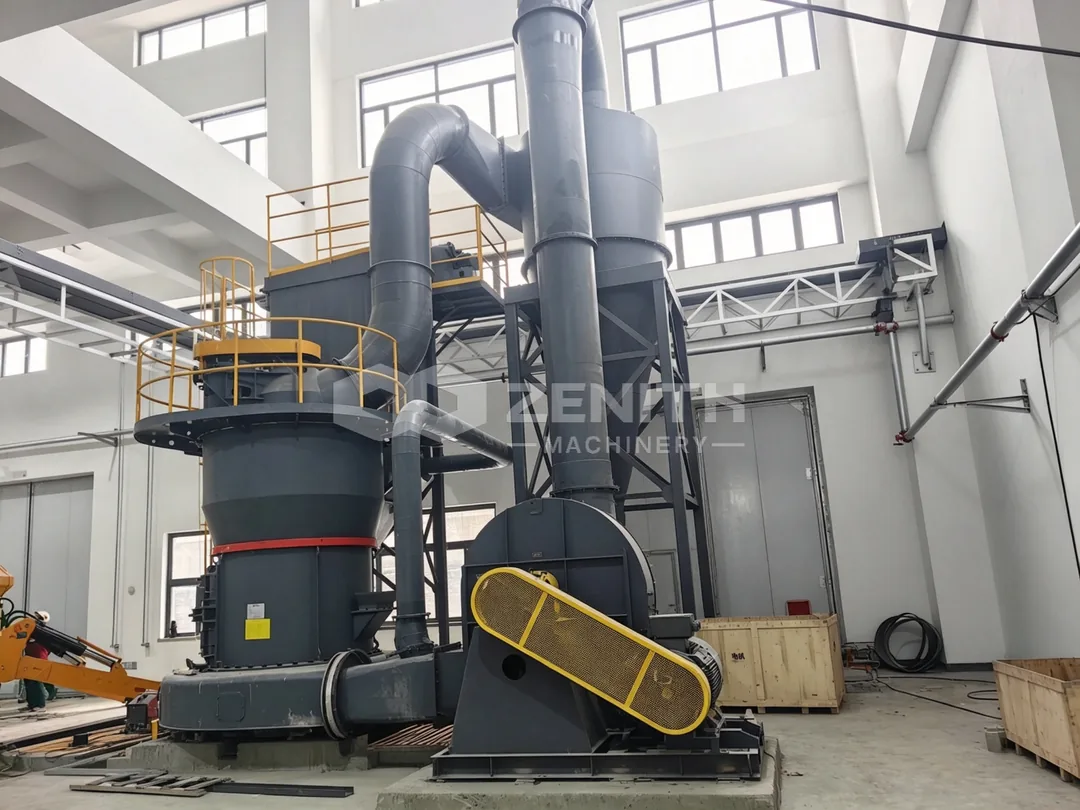
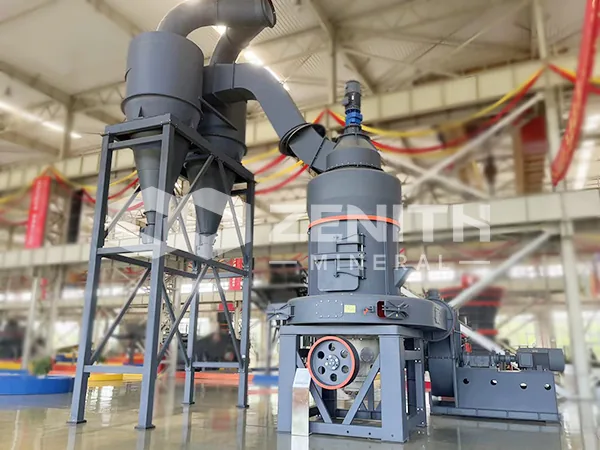
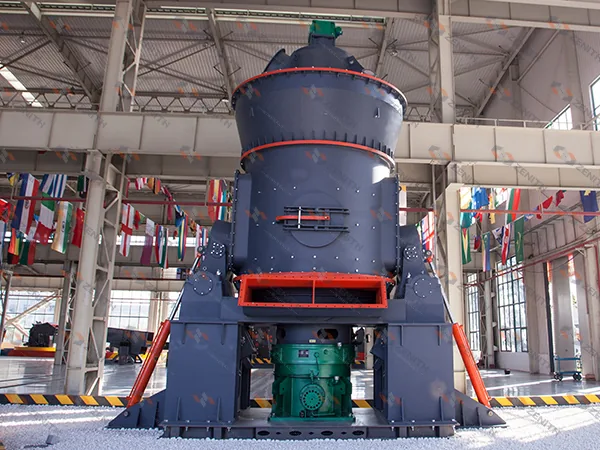
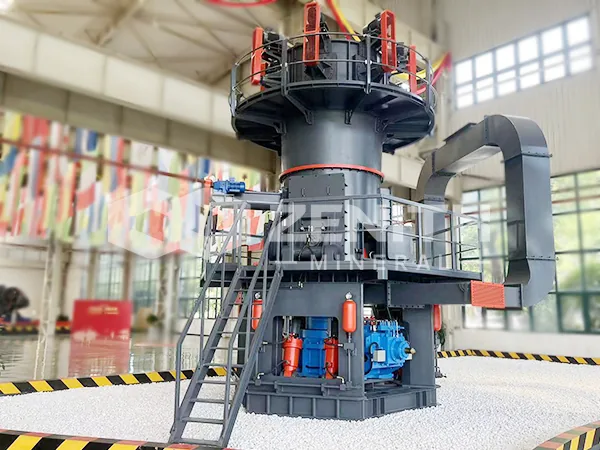
The cornerstone of the production line is Zenith's MTW European Trapezium Mill. This mill was selected for its exceptional balance of capacity, energy efficiency, and precise particle size control. With an output range covering 30 to 325 mesh, it is perfectly suited to reliably produce the target 300-micron (approx. 50 mesh) powder. A key deciding factor was its 60% lower energy consumption compared to traditional ball mills, a feature that translates directly into significant long-term operational cost savings and a reduced carbon footprint—a growing priority for modern agri-businesses.
"Our goal was not just to make powder, but to make it intelligently," explains the project's lead engineer. "The MTW Mill's modular impeller adjustment system allows us to fine-tune the fineness with simple component changes. This future-proofs our investment, allowing potential product diversification without major machinery overhaul. Its high-efficiency induced air system (85% efficiency) ensures smooth material flow and superior classification, which is essential for achieving the tight particle size distribution we require for our fertilizer blends."
_1772130233561.jpg)
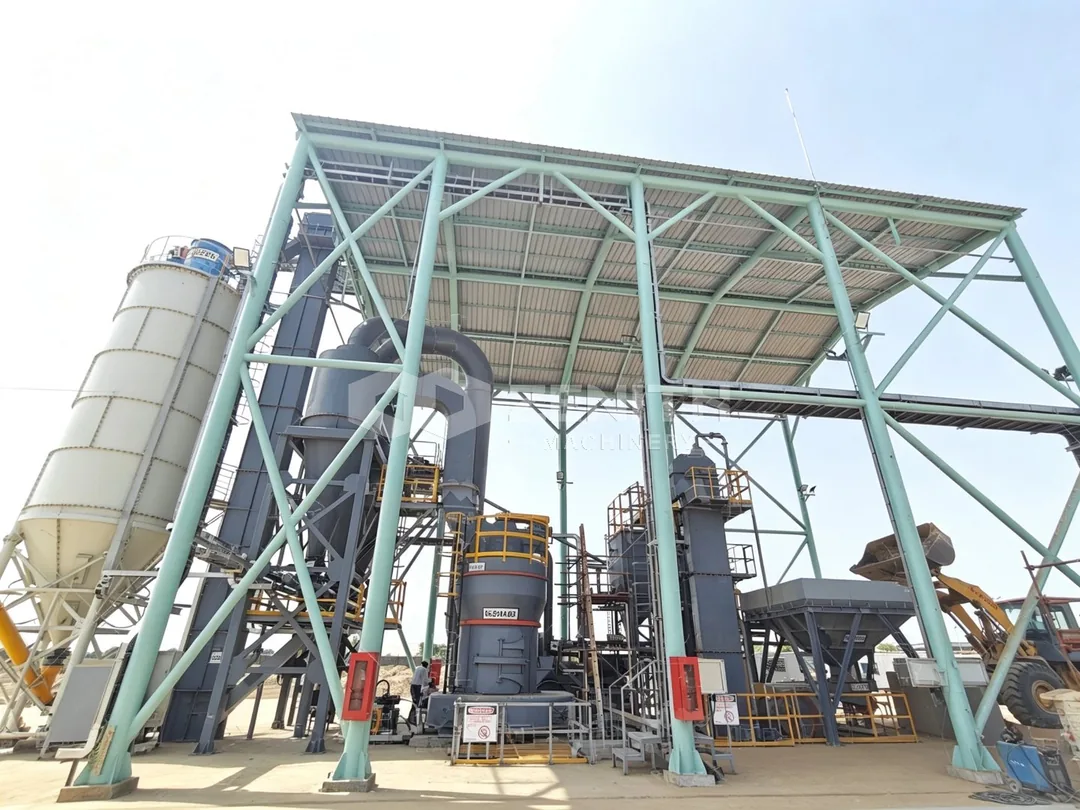
The production process begins with crushed dolomite ore (0-35mm), fed via a variable frequency feeder into the MTW Mill's grinding chamber. The ground material is then pneumatically conveyed to the integrated powder classifier. Here, the precision separation occurs: particles meeting the 300-micron specification are extracted as finished product via a cyclone collector, while oversize material is seamlessly returned for regrinding. The entire system operates under negative pressure, with a pulse dust collector ensuring a clean, environmentally compliant workspace that meets stringent Indian regulatory standards.
Beyond the core mill, Zenith's holistic approach ensured project success. The compact and integrated design of the MTW system minimized the plant's footprint and reduced foundational costs. For preliminary size reduction of larger feedstock, Zenith's robust Hammer Mill series was integrated to produce the consistent 0-3mm coarse powder ideal for feeding the MTW Mill. This synergy between coarse and fine grinding stages creates a seamless, automated production flow.
_1772130233563.jpg)
The project has been a resounding success. The line now consistently produces high-purity, uniformly sized dolomite powder, enhancing the quality and effectiveness of the company's fertilizer products. The reliability and low maintenance requirements of the Zenith equipment have maximized uptime, while the energy savings have delivered a compelling return on investment. This project stands as a testament to how targeted technological partnerships can drive efficiency and quality in agricultural input manufacturing, contributing to more sustainable and productive farming.
Frequently Asked Questions (FAQs)
- Why is 300-micron specifically important for agricultural dolomite powder?
300-micron (approx. 50 mesh) offers an ideal balance. It is fine enough to react reasonably quickly in soil to correct pH and supply calcium and magnesium, yet coarse enough to minimize dust during handling and application, improving worker safety and material efficiency. - What makes the MTW European Trapezium Mill more energy-efficient than a ball mill for this application?
The MTW Mill utilizes a roller-grinding principle with a material bed and efficient centrifugal classification, minimizing energy wasted on friction and over-grinding. Its integrated high-efficiency fan and optimized airflow path further reduce auxiliary power consumption, leading to the documented 60%+ energy savings. - Can this system produce powder finer or coarser than 300-micron if needed in the future?
Yes. The MTW Mill's adjustable impeller classifier and grinding force settings allow for flexible output fineness within its range (30-325 mesh/roughly 600 to 45 microns) without changing the core structure, offering excellent adaptability for future product lines. - How does the system ensure consistent powder quality and fineness?
Consistency is achieved through the closed-loop grinding-classification system. The internal powder selector continuously removes qualified fine powder, while oversized particles are automatically recirculated for further grinding. This ensures a tight, stable particle size distribution in the final product. - What kind of after-sales support and service does Zenith provide for such projects?
Zenith provides comprehensive support including installation supervision, operator training, a year of warranty, and lifelong technical consultation. With offices in over 30 countries, they offer prompt spare parts supply and local engineer support when needed. - Is the production process environmentally friendly?
Absolutely. The system is fully sealed and operates under negative pressure, preventing dust escape. The final stage pulse jet dust collector ensures emissions are well below national and international environmental standards, making it a clean production setup.