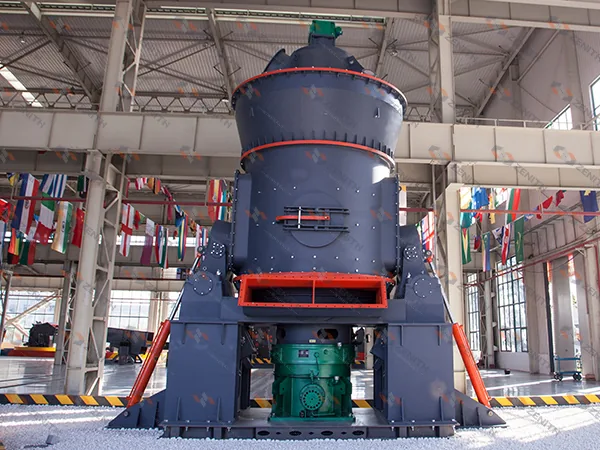
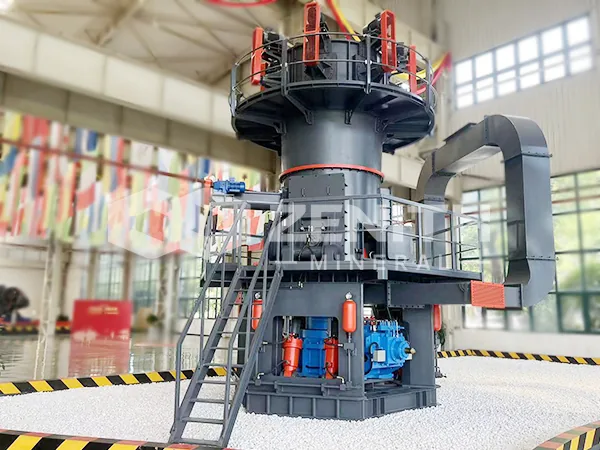
An indian company purchased a raymond mill to process calcite with a capacity of 2 tons per hour, producing a finished product with a fineness of 325 mesh.
2026-02-26 16:15:04
In the competitive landscape of industrial mineral processing, achieving consistent quality and operational efficiency is paramount. A forward-thinking Indian company recently faced this exact challenge. Their goal was to establish a reliable production line for processing calcite, targeting a specific output of 2 tons per hour with a finished product fineness of 325 mesh. The selection of the right grinding equipment was critical to their project's success, balancing capacity, energy consumption, and long-term operational stability.
The company's technical team conducted extensive research, evaluating various grinding solutions available on the global market. Their criteria were stringent: the mill needed to be robust enough for continuous operation, energy-efficient to control running costs, and capable of delivering a precisely controlled particle size distribution. After comparing specifications and performance data from several manufacturers, their analysis pointed them towards advanced European-type grinding mill technology.
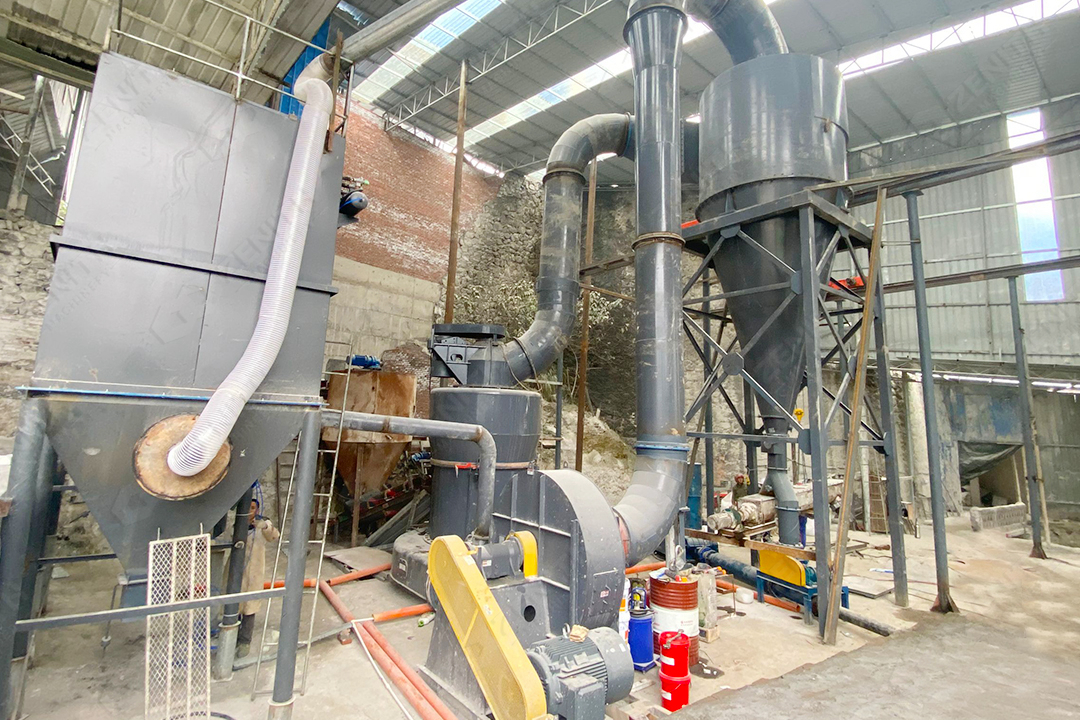
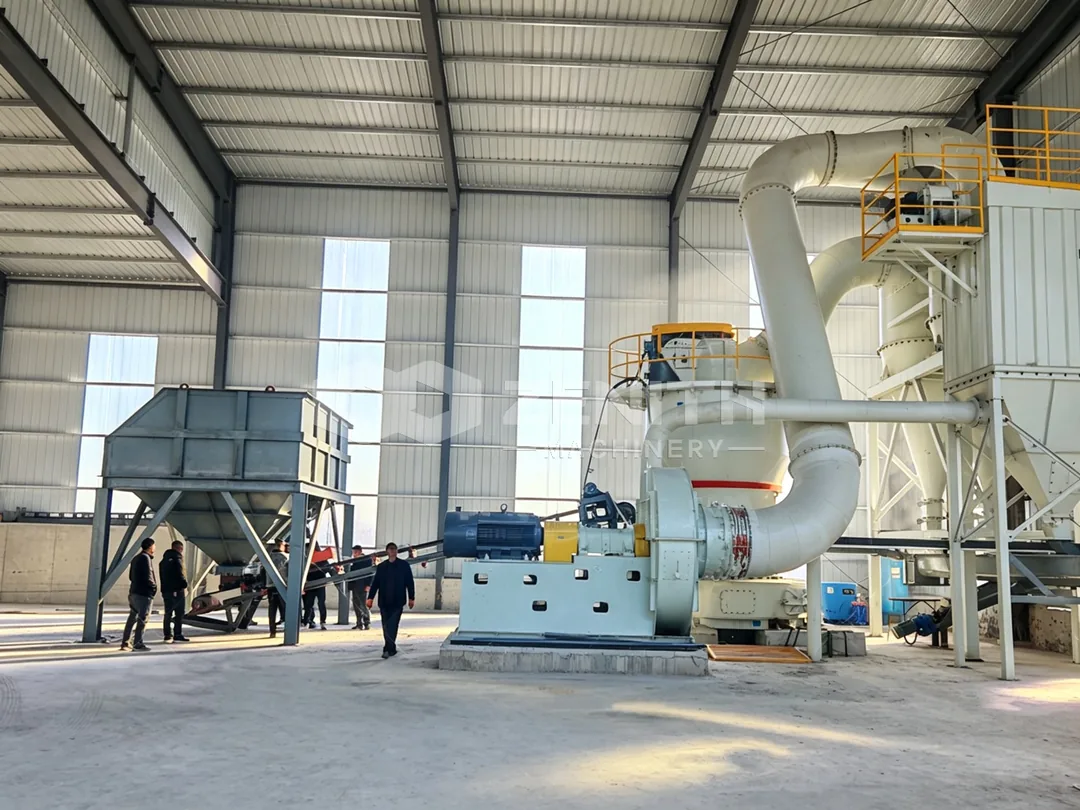
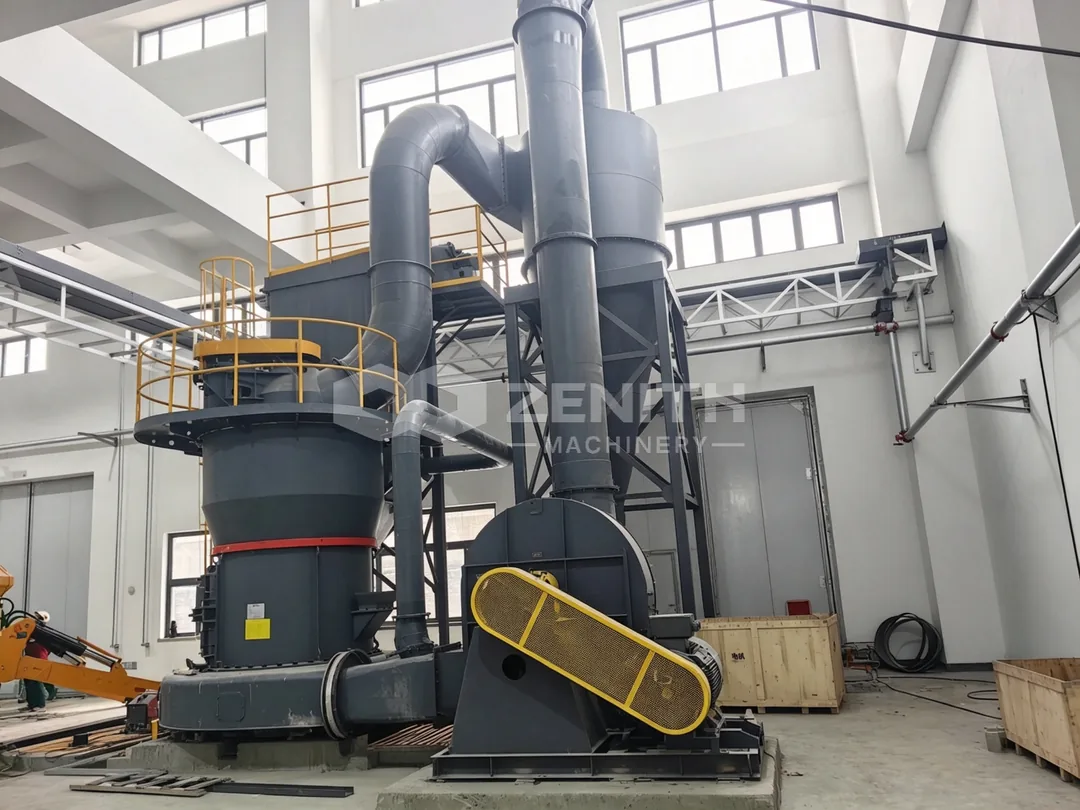
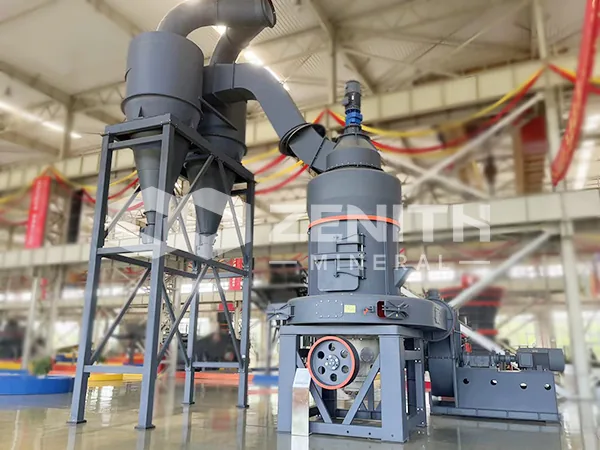
Why did this technology stand out? For processing minerals like calcite to a 325-mesh fineness, traditional ball mills, while common, often incur significantly higher energy costs. Modern trapezium mill designs, however, have revolutionized this space. The chosen solution operates on a principle that integrates crushing, grinding, classification, and conveying into a single, cohesive system. After initial crushing, material is fed into the main grinding chamber. Here, rollers exert pressure on a rotating grinding ring or disc, pulverizing the calcite. The crushed material is then pneumatically conveyed to an integrated high-efficiency classifier.
This classification stage is crucial for achieving the target 325-mesh fineness. The advanced impeller adjustment system allows for precise control over the separation point. Fine particles that meet the specification are carried by the airflow into cyclone collectors, resulting in a uniform finished powder. Coarser particles are rejected by the classifier and gravity-fed back into the grinding chamber for further size reduction. This closed-circuit system ensures high efficiency and consistent product quality.
_1772093704260.jpg)
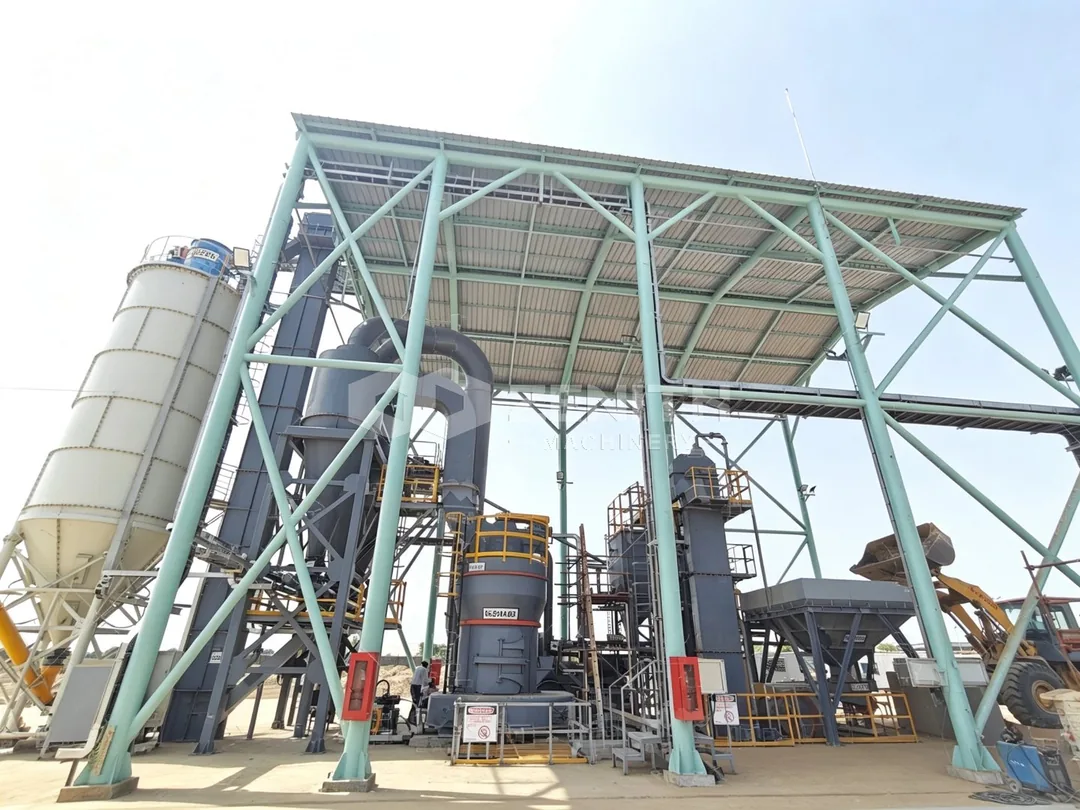
For the Indian company, the operational benefits were a major deciding factor. The selected mill system is designed as a self-contained production line, from bulk material to finished powder. This integrated design translates to a smaller physical footprint, reducing initial investment in plant infrastructure and foundation work. Perhaps even more compelling were the figures on energy savings. Under ideal working conditions, this class of mill consumes over 60% less energy compared to a traditional ball mill of equivalent output. Given the continuous nature of mineral processing, this reduction in power consumption represents a substantial decrease in lifetime operating costs.
Furthermore, the mill's adaptability was key. The modular impeller adjustment device provides the flexibility to produce different product finenesses—from coarse to fine powder—simply by changing impellers. This future-proofs their investment, allowing them to potentially cater to different market demands without major equipment overhaul. The system's high induced-air efficiency, improved from 62% to 85%, ensures stable material flow and thermal control, which is essential for maintaining calcite's properties like brightness and purity.
_1772093704265.jpg)
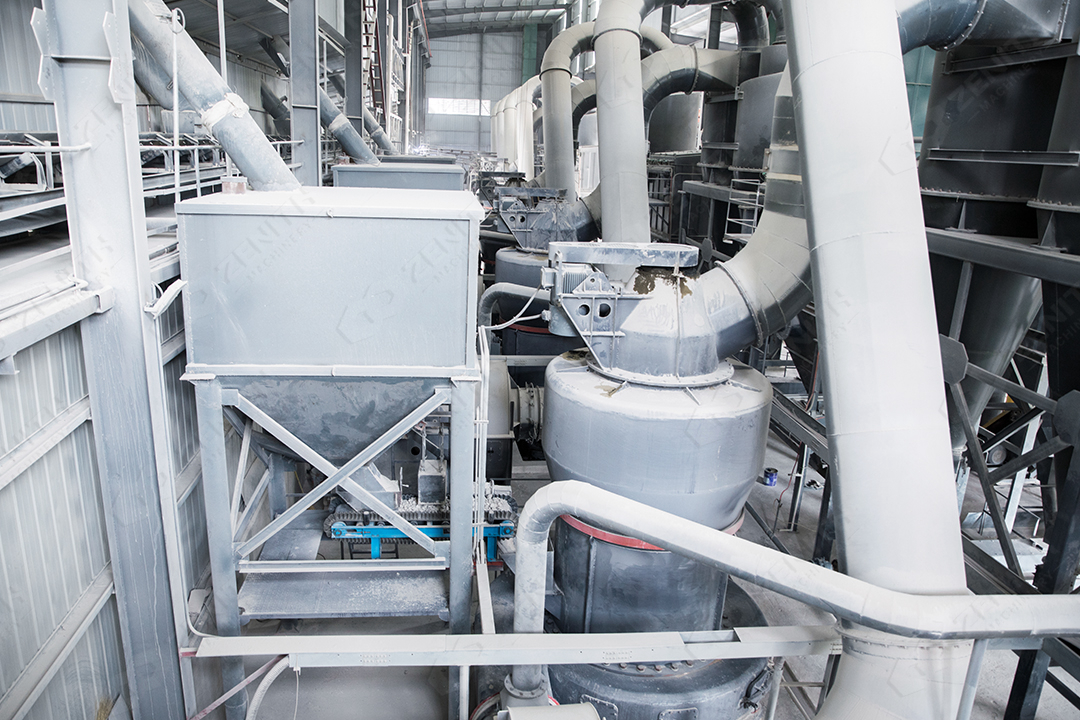
Beyond the core grinding mechanics, the company valued the ancillary benefits that support sustainable and smooth operation. The entire grinding system operates under negative pressure, which combined with an efficient pulse jet dust collector, ensures a dust-free workshop environment that complies with stringent international environmental standards. The intelligent electrical control system enables automated, labor-free operation and facilitates easy maintenance, further driving down long-term operational expenses.
The successful deployment of this grinding solution has enabled the Indian company to reliably meet its production target of 2 tons per hour of 325-mesh calcite powder. The combination of high capacity, precise fineness control, and remarkable energy efficiency has provided them with a significant competitive edge in their market. This case underscores a global trend in mineral processing: moving towards smarter, more integrated, and more economical grinding technologies to enhance profitability and product quality.
Frequently Asked Questions (FAQs)
- What is the main advantage of using this type of mill over a traditional ball mill for calcite processing?
The primary advantage is dramatically lower energy consumption, typically over 60% less under comparable conditions, leading to significantly reduced operational costs over the equipment's lifetime. - Can the output fineness be adjusted after installation, or is it fixed?
Yes, fineness is highly adjustable. The mill features a modular impeller adjustment system, allowing operators to produce different product finenesses, such as 200 mesh or 400 mesh, by changing or adjusting the impellers in the classifier. - How does the system ensure environmental compliance regarding dust?
The system operates under a negative pressure condition and is equipped with a high-efficiency pulse jet dust collector. This design contains all dust within the system, preventing spillage and ensuring clean, compliant workshop air quality. - Is the 2 tons per hour capacity for 325-mesh output guaranteed for all mineral types?
The capacity can vary slightly depending on the hardness, moisture content, and feed size of the input material. The 2 TPH capacity for 325-mesh calcite is a standard performance metric; a detailed test with customer material is recommended for precise guarantees. - What is the typical particle size distribution for the 325-mesh product?
The product from this milling system exhibits a very well-distributed particle size. It is designed so that over 99% of the finished powder can pass through the 325-mesh screen, ensuring consistency and quality. - How automated is the mill's operation?
The mill system is equipped with an intelligent control system that allows for fully automated operation, including remote monitoring and control. This enables labor-free operation in the workshop and simplifies the maintenance process. - What kind of after-sales support and service is available for such equipment?
Manufacturers with a global presence typically offer comprehensive support, including installation supervision, operator training, a supply of genuine wear parts, and remote technical assistance through local offices or partners to ensure minimal downtime.