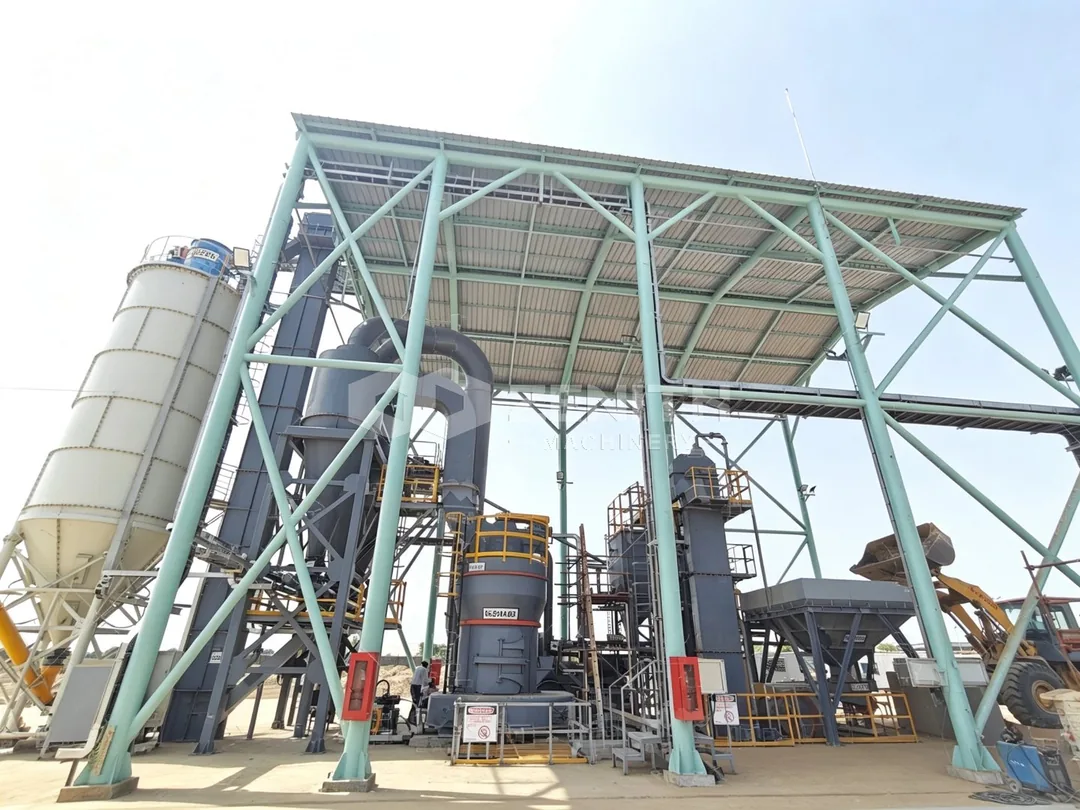
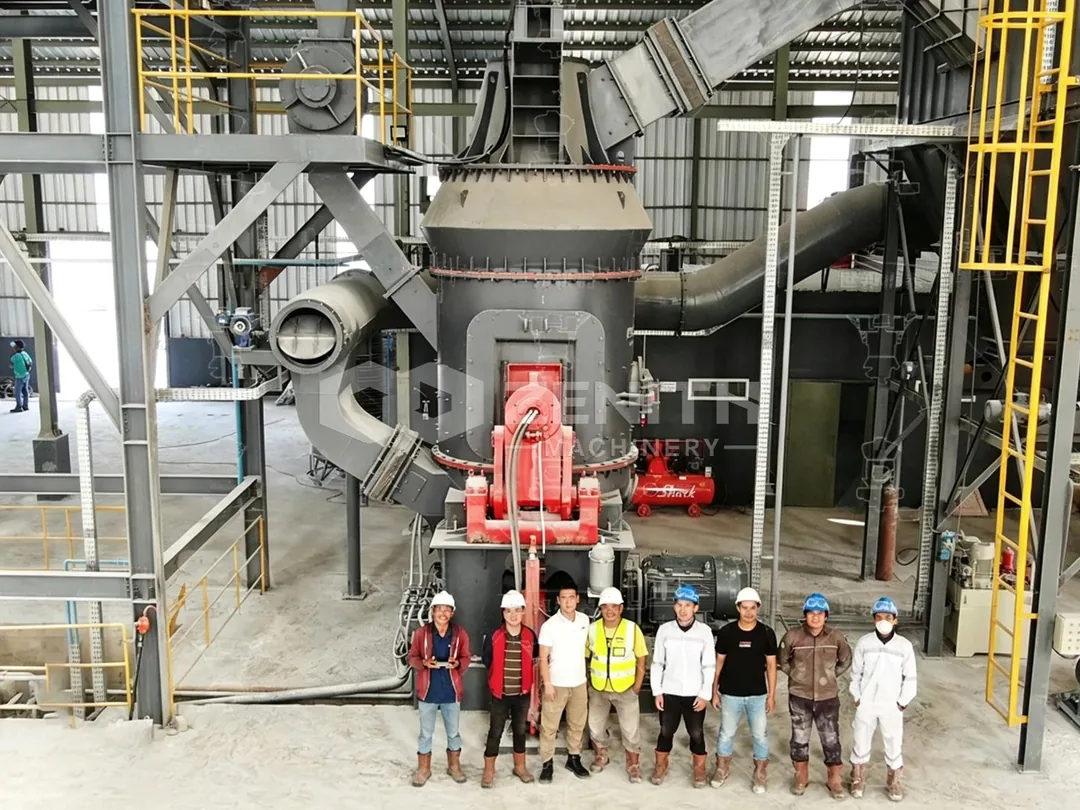
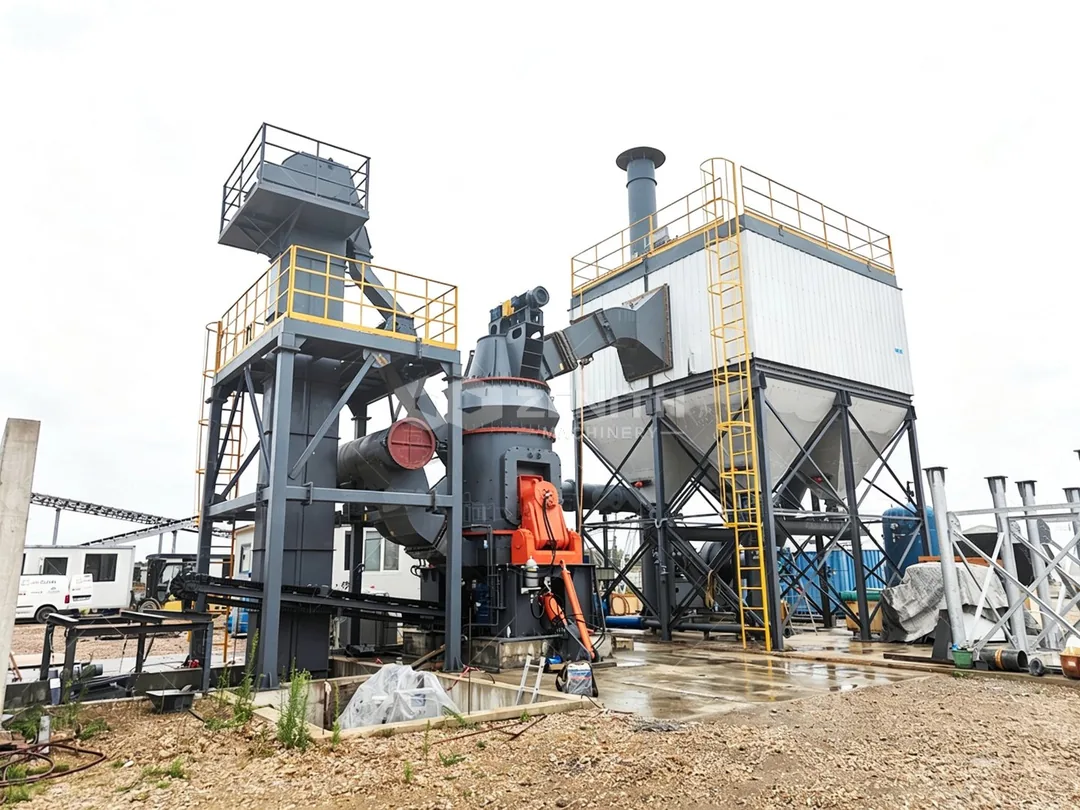
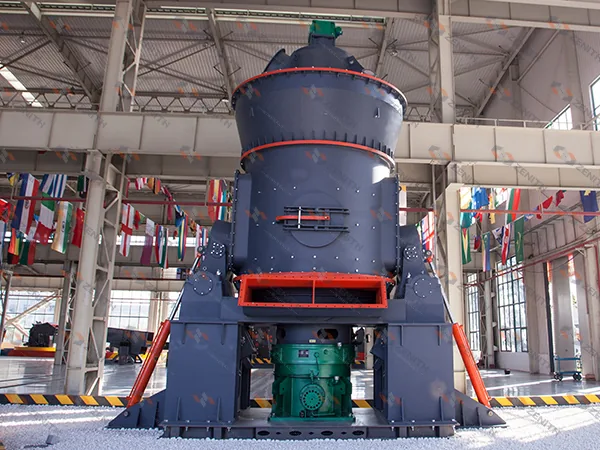
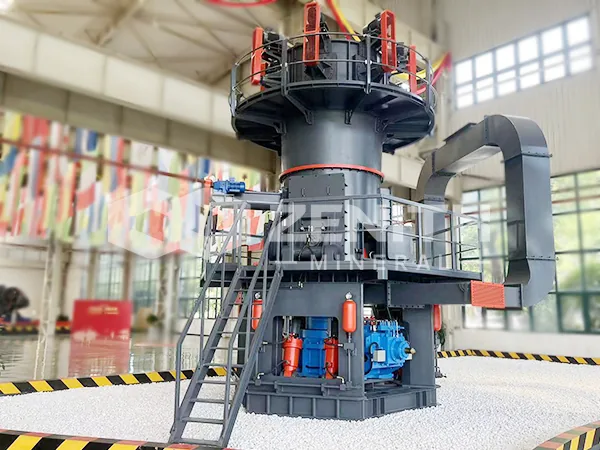
A kazakhstani heating company purchased an lm vertical coal mill to process 200 mesh bituminous coal for use as boiler fuel.
2026-02-14 00:54:57
In the demanding climate of Kazakhstan, where reliable and efficient heating is not a luxury but a necessity, the choice of fuel processing technology becomes a critical business decision. A leading Kazakhstani heating company recently made a strategic investment to enhance its boiler fuel production line by purchasing and installing a Zenith LM Vertical Coal Mill. The objective was clear: to process bituminous coal into a consistent, high-quality 200-mesh powder, optimizing combustion efficiency and reducing operational costs for their large-scale heating systems.
The selection process was rigorous. The company required a system capable of handling the specific properties of local bituminous coal, delivering high throughput with exceptional stability for 24/7 operation, and meeting stringent environmental standards. After evaluating various grinding technologies, the Zenith LM Vertical Grinding Mill emerged as the superior solution. Its reputation for constant running capacity, high degree of automation, and suitability for large-scale industrial plants like dedicated coal grinding facilities aligned perfectly with the project's core requirements.
_1771001697788.jpg)
The operational advantages of the LM Vertical Mill were decisive. For a heating plant where space is often at a premium, the mill's compact integrated design was a significant benefit, reducing the footprint by approximately 50% compared to a traditional ball mill system. This translated into lower civil construction costs and more flexible site planning. Furthermore, the promise of over 60% lower energy consumption than a ball mill of equivalent output presented a compelling case for long-term operational savings, a key factor in the total cost of ownership calculation.
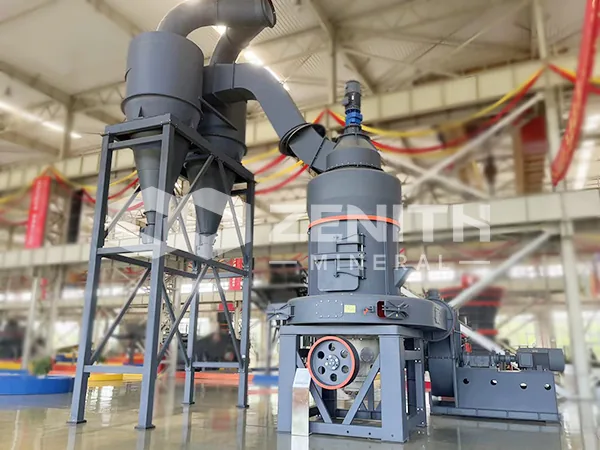
The delivered LM mill is engineered for the precise task of producing 200-mesh coal powder. Its working principle ensures efficient and uniform grinding. The main motor drives the grinding disc via a reducer, while controlled hot air is introduced into the chamber. Coal fed to the disc's center is distributed outward by centrifugal force and crushed by the rollers, forming a dense material bed that promotes efficient inter-particle comminution. The adjustable parameters of the system allow fine-tuning to achieve the exact 200-mesh fineness required for optimal pneumatic feeding and combustion in the company's boilers.
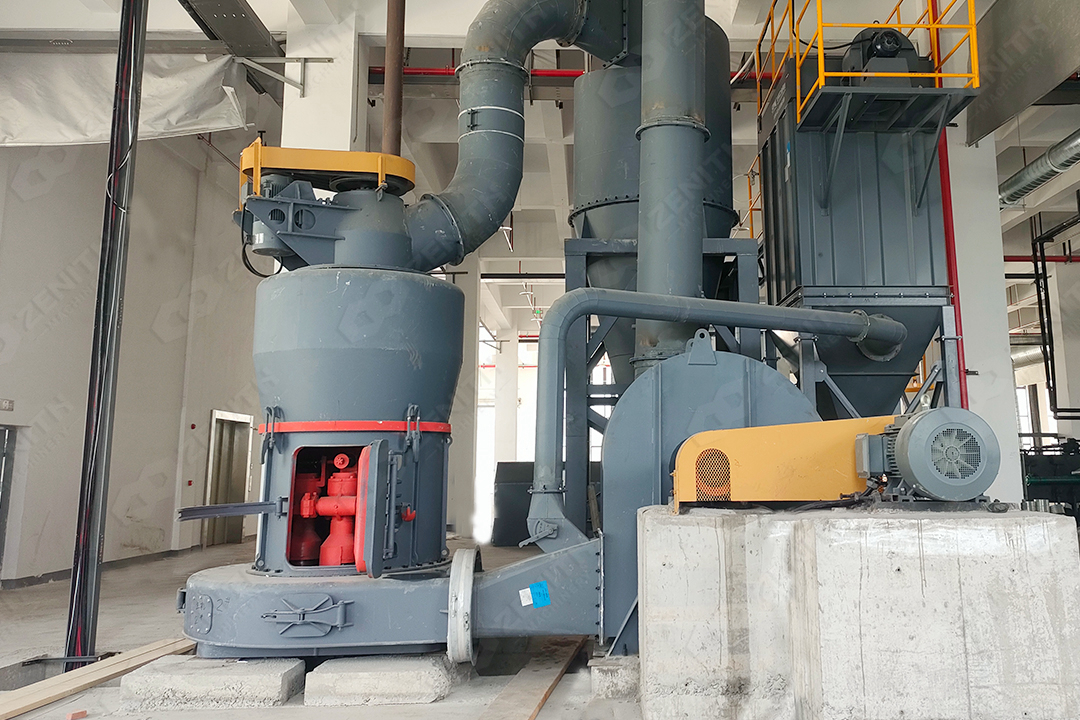
Beyond efficiency and product quality, environmental compliance was non-negotiable. The Zenith LM Vertical Mill operates under a fully sealed, negative-pressure system. This design is characterized by no dust spillage, low vibration, and minimal noise, ensuring that the production process aligns with both local regulations and the company's sustainability goals. The integrated pulse dust collector guarantees that emissions are well-controlled, making the entire grinding process clean and environmentally friendly.
The successful deployment of this LM Vertical Mill marks a significant upgrade for the Kazakhstani heating company. It transforms raw bituminous coal into a highly reactive, uniform boiler fuel that promises more complete combustion, higher thermal efficiency, and reduced slagging. This investment not only secures a more reliable and cost-effective fuel supply chain for their heating services but also demonstrates a forward-thinking approach to industrial modernization, leveraging robust and intelligent machinery to meet essential civic infrastructure needs.
_1771001697793.jpg)
Frequently Asked Questions (FAQs)
- Why is a 200-mesh fineness specifically targeted for boiler fuel?
A 200-mesh coal powder (approximately 74 microns) offers an ideal surface-area-to-volume ratio for suspension firing in industrial boilers. This fineness ensures rapid ignition, complete combustion, high heat release, and minimized unburned carbon, leading to superior boiler efficiency and lower emissions. - How does the LM Vertical Mill's energy consumption compare to a traditional Raymond mill for coal grinding?
The LM Vertical Mill utilizes a bed grinding principle with higher grinding efficiency and integrates grinding, drying, and classification. It typically offers significantly lower energy consumption per ton of product compared to traditional roller-type mills like the Raymond mill, especially for medium to large capacity requirements. - Can the LM Vertical Mill handle variations in the moisture content of the feed coal?
Yes. The system is equipped with a hot air source that simultaneously dries and grinds the material. It can effectively handle coal with a certain range of moisture content by adjusting the inlet air temperature, ensuring stable production of dry, fine powder. - What is the typical maintenance interval for the grinding rollers and disc liner in coal grinding applications?
Wear life depends on coal abrasiveness and operating hours. However, the wear-resistant materials used in key components and the mill's stable grinding bed principle contribute to extended service life. Routine inspections are recommended, with major overhauls often scheduled after several thousand hours of operation. - Is the system automated, and what level of manpower is required for operation?
The LM Vertical Mill features a high degree of automation with a centralized control system. It allows for remote monitoring and control, including start/stop sequences and fineness adjustment. Typically, only periodic supervision is needed, drastically reducing labor costs compared to manual milling systems. - What safety features are incorporated for coal grinding, given the combustible nature of the material?
The system is designed with multiple safety features. The inert atmosphere created by the sealed, negative-pressure operation minimizes oxygen ingress. Additionally, explosion-proof designs, pressure relief valves, and monitoring systems for temperature and gas composition are standard to ensure safe operation.