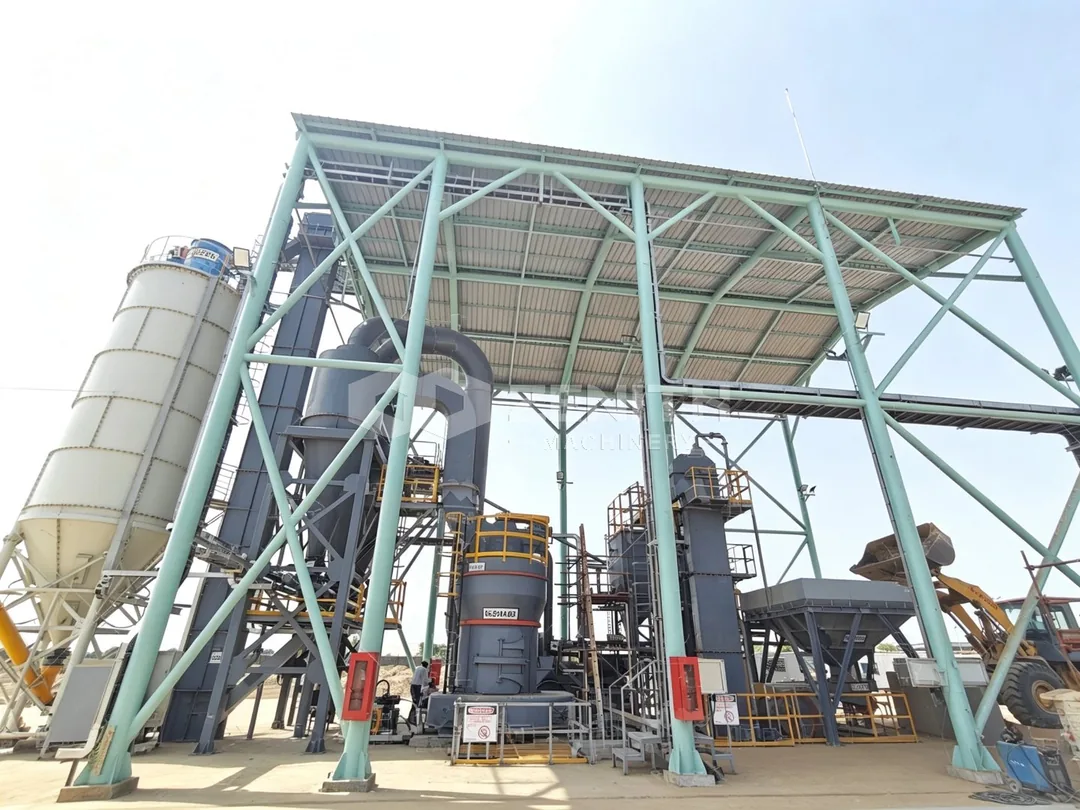
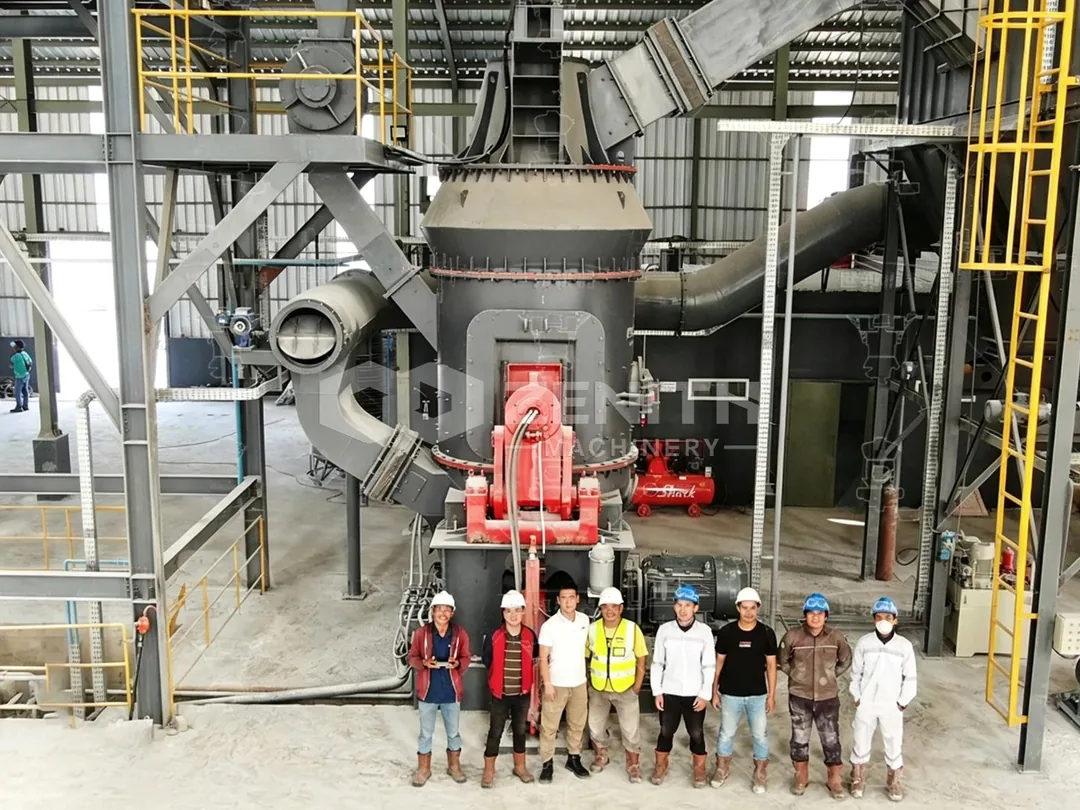
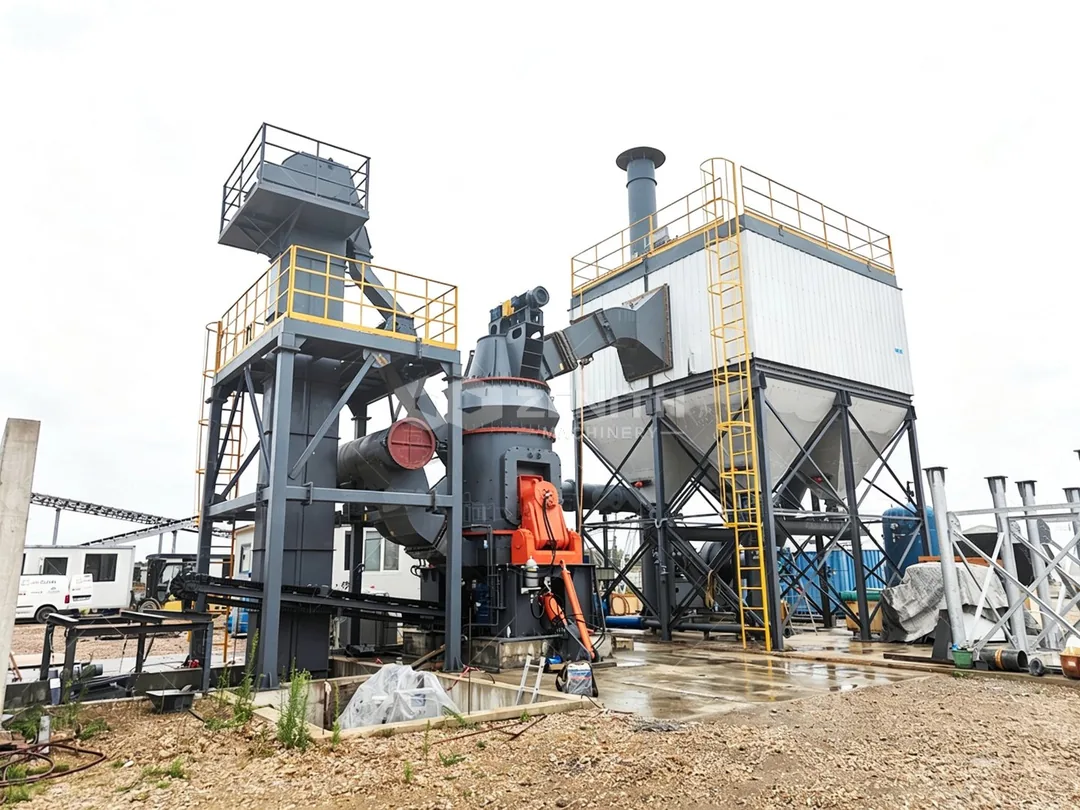
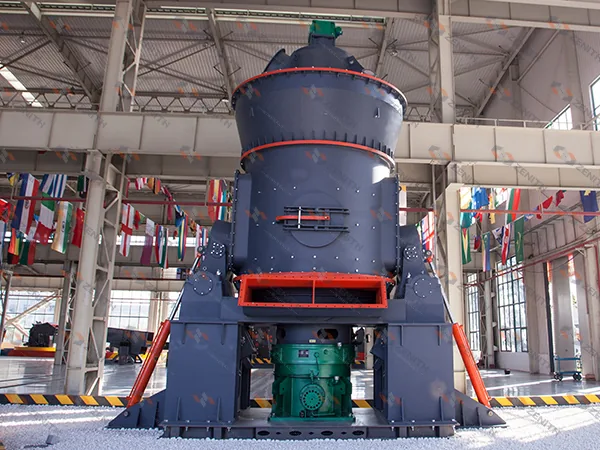
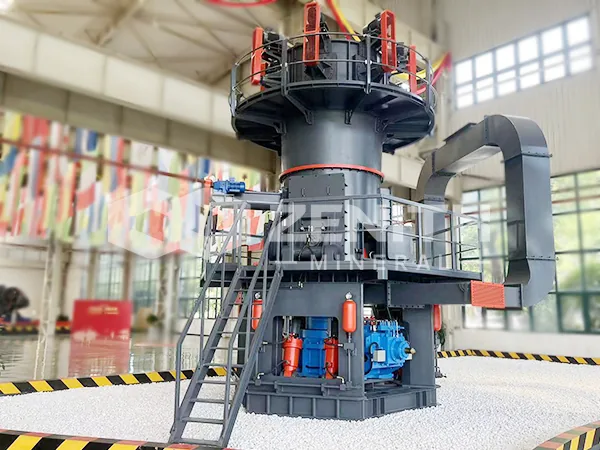
An indian activated carbon company has purchased lm vertical coal mills to produce 150,000 tons of coal-based activated carbon annually.
2026-02-13 17:54:07
The global demand for high-quality activated carbon, particularly in water purification, air filtration, and gold recovery, is on a steady rise. To meet this growing market need and secure a competitive edge through superior production efficiency, a leading Indian activated carbon manufacturer has made a significant strategic investment. The company has recently commissioned multiple LM Vertical Coal Mills from Shanghai Zenith Machinery to establish a new production line with an ambitious annual output target of 150,000 tons of coal-based activated carbon.
This move underscores a clear industry trend: transitioning from traditional, less efficient grinding systems to advanced, integrated milling solutions. The choice of Zenith's LM Vertical Grinding Mill was driven by the need for a system capable of handling the rigorous, continuous operation required for such a large-scale production facility. The client's primary objectives were clear: achieve consistent product quality at a high throughput, significantly reduce operational energy costs, and ensure an environmentally compliant production process.
_1770976447832.jpg)
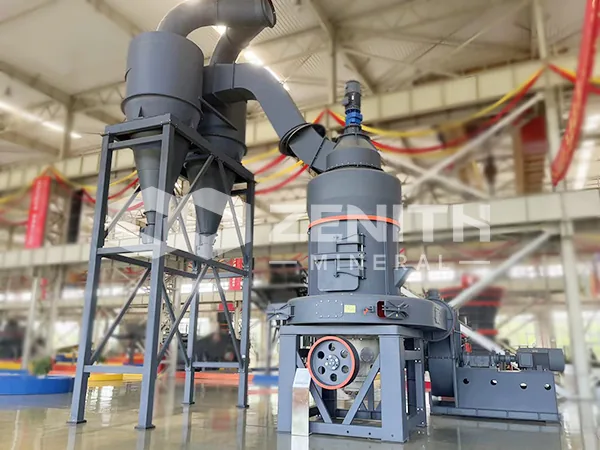
The LM series mill is uniquely suited for this application. Its design philosophy centers on robust, 24/7 operation with minimal downtime. For an activated carbon producer, where the precursor coal must be ground to a precise and consistent fineness (typically within the 80-400 mesh range) to ensure optimal activation later in the process, this reliability is paramount. The mill's fully automated control system allows for precise monitoring and adjustment of grinding parameters, ensuring the final powdered coal meets strict specifications batch after batch.
From a financial and operational standpoint, the advantages are compelling. The compact, integrated design of the LM mill results in a 50% smaller footprint compared to a traditional ball mill system, drastically reducing civil construction costs. More critically, the energy efficiency is transformative. Operational data confirms that the LM Vertical Grinding Mill consumes over 60% less energy than a ball mill of equivalent output. For a facility producing 150,000 tons annually, this translates into millions of dollars in saved power costs over the mill's lifetime, a decisive factor in the total cost of ownership.
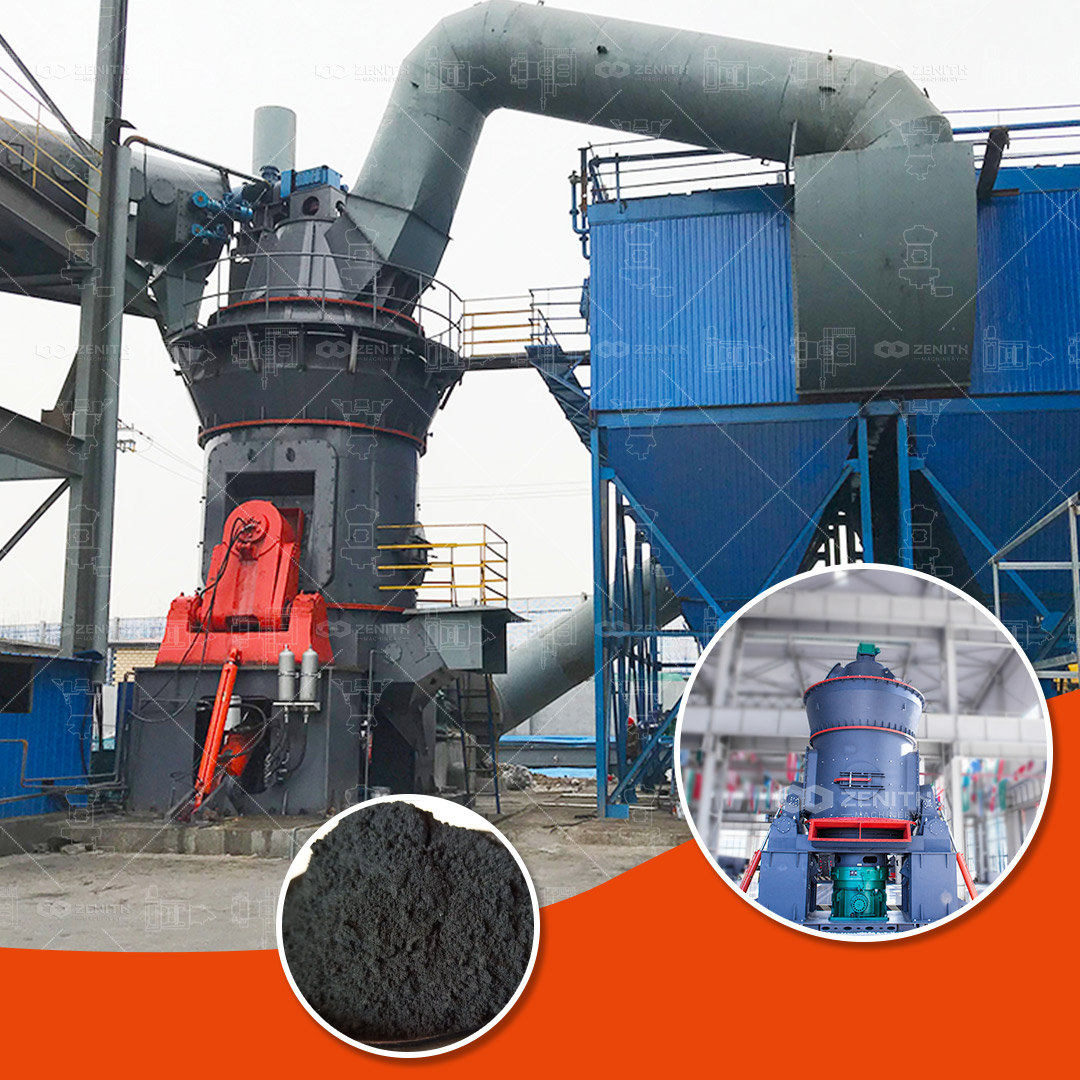
Environmental and workplace safety were also key considerations. The entire LM mill system operates under negative pressure with a fully sealed structure. This design guarantees no dust spillage during the grinding and classification process, creating a cleaner, safer plant environment and ensuring full compliance with stringent Indian and international environmental standards. The integrated pulse dust collector further captures any airborne particulates, making the production line both worker-friendly and eco-conscious.
Shanghai Zenith Machinery provided more than just equipment; they delivered a complete solution. The scope included technical consultation, layout planning, installation supervision, and comprehensive operator training. With a global network spanning over 180 countries and certifications like ISO, CE, and CU-TR, Zenith's engineers leveraged extensive experience in mineral and coal processing to tailor the system to the specific moisture content and grindability of the client's coal feedstock.
_1770976447836.jpg)
The successful deployment of these LM Vertical Coal Mills positions the Indian company not just as a volume producer, but as a technologically advanced and cost-efficient leader in the activated carbon market. By leveraging Zenith's grinding technology, they have built a foundation for sustainable growth, reduced their environmental footprint, and secured a powerful advantage in a competitive global industry. This project stands as a testament to how strategic capital investment in advanced industrial machinery can redefine production capabilities and market positioning.
Frequently Asked Questions (FAQs)
- Why is a consistent coal powder fineness so critical for activated carbon production?
The activation process, whether chemical or physical, relies on a uniform raw material size. Consistent fineness ensures even pore development during activation, leading to a higher surface area and more predictable adsorption performance in the final activated carbon product. - How does the LM Vertical Mill's automation reduce operational costs?
The automated control system allows for remote monitoring and adjustment, reducing the need for constant manual intervention. It optimizes grinding pressure, feed rate, and classifier speed in real-time, maximizing efficiency and minimizing energy waste and labor costs. - Can the LM mill handle variations in the moisture content of the feed coal?
Yes. The LM Vertical Grinding Mill system can be equipped with a hot air generator. This allows for simultaneous grinding and drying of the material within the mill chamber, effectively handling coal with moderate moisture content to ensure smooth operation and desired powder dryness. - What kind of after-sales support does Zenith provide for such a large-scale installation?
Zenith provides a full suite of support including a warranty period, ready supply of genuine wear parts (like grinding rollers and discs), remote diagnostic assistance, and the availability of experienced engineers for on-site service if required. - How does the energy consumption of an LM mill compare to a Raymond mill for coal grinding?
While both are efficient, the LM Vertical Mill typically offers superior energy efficiency for large-capacity, continuous production lines (like this 150,000-ton project). For lower capacity requirements, a Raymond mill might be a suitable and economical choice. - Is the system truly dust-free?
The combination of a fully sealed mill body operating under negative pressure and an efficient pulse-jet bag dust collector ensures that dust emission is virtually eliminated, meeting the most stringent workplace and environmental regulations.