Is a raymond mill suitable for crushing limestone to a 325-mesh size?
2026-02-13 00:55:19
This is a question we encounter frequently at Shanghai Zenith Machinery. As a hi-tech engineering group specializing in industrial powder grinding equipment, we understand that selecting the right mill is critical for achieving optimal product quality, efficiency, and cost-effectiveness. The short answer is: Yes, a modern Raymond Mill is absolutely capable of processing limestone to a 325-mesh size, and it can be an excellent choice for many applications. However, the complete answer requires a deeper look into the capabilities of today's Raymond Mills and how they compare to other fine grinding solutions.
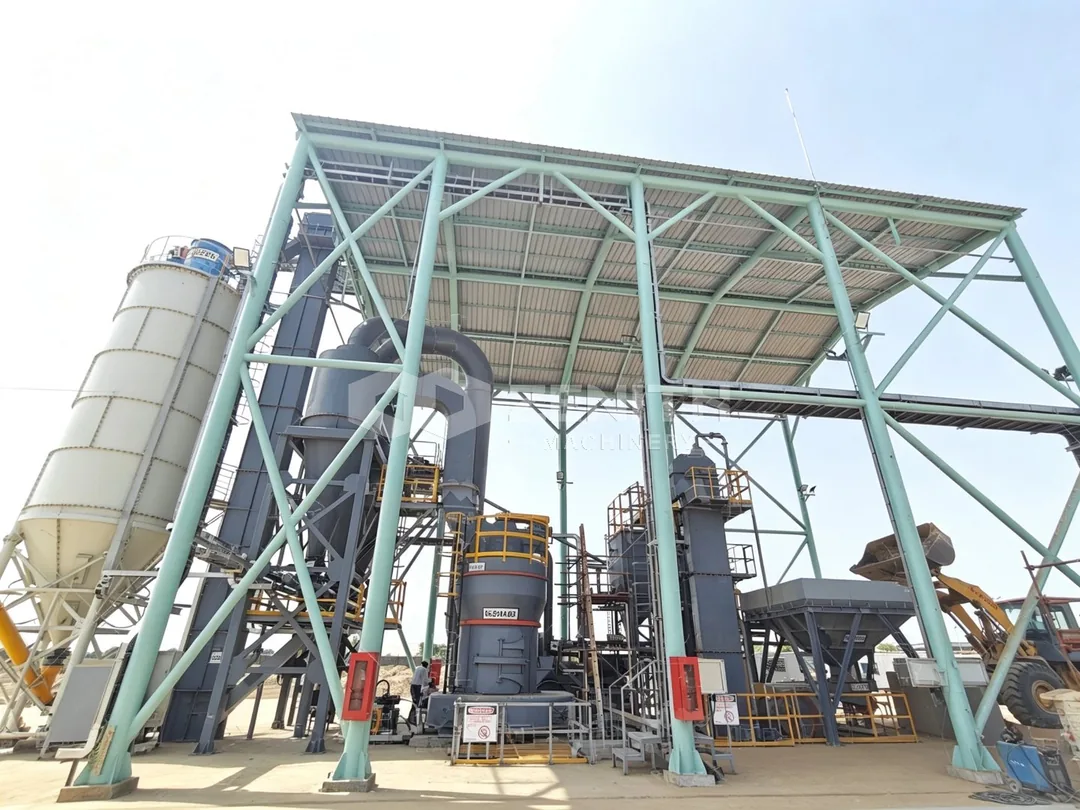
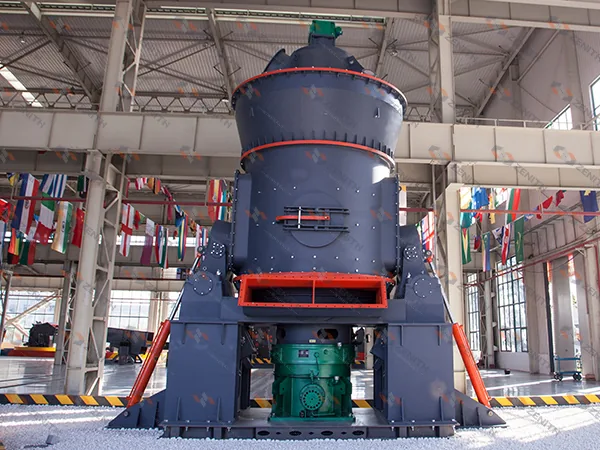
Traditional Raymond Mill technology has evolved significantly. Our latest generation Raymond Mill, often referred to as a high-pressure roller mill, is engineered to overcome historical limitations. It is specifically designed for the preparation of various mineral powders, including limestone, with an output range spanning from 10 to 325 mesh. This places the 325-mesh target comfortably within its operational spectrum.
_1770915319137.jpg)
The working principle is both robust and efficient. Material is fed into the machine and ground between the rotating grinding rollers and the stationary grinding ring. The centrifugal force ensures consistent pressure for effective pulverization. A key advantage for achieving consistent 325-mesh product is the 99% screening efficiency of the integrated classifier. This ensures an exceptionally high proportion of the final powder meets the target fineness, with a well-distributed particle size that minimizes oversize or undersize fractions—a common concern in fine powder production.
Beyond Basic Suitability: Key Advantages for Limestone Grinding
Choosing our Raymond Mill for 325-mesh limestone offers several tangible benefits:
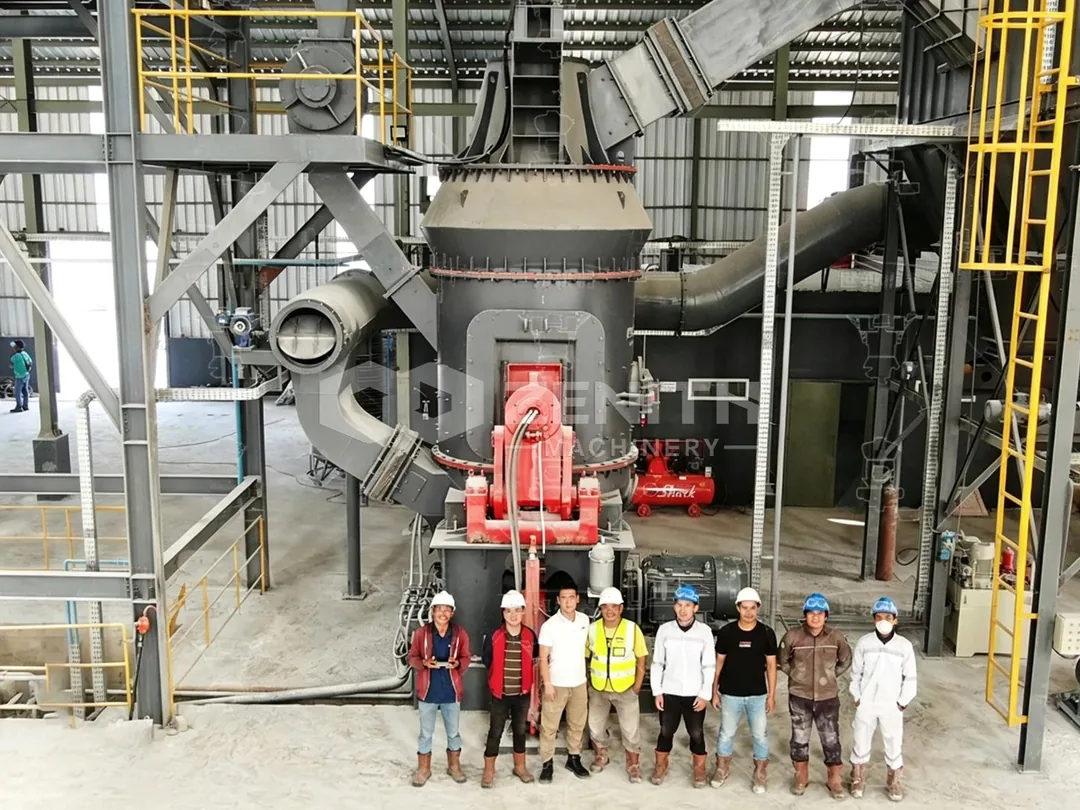
- Compact Footprint & Independent System: It forms a complete, independent production system from raw material to final powder, yet occupies less floor space compared to ball mill systems. This translates to lower investment in plant infrastructure.
- Intelligent Operation: The electric system features intelligent control, enabling simplified operation and remote monitoring, which reduces labor costs and enhances consistency.
- Build Quality: Critical components are manufactured from high-quality steel, and vulnerable wear parts use premium abrasion-resistant materials, ensuring longevity when processing abrasive materials like limestone.
_1770915319140.jpg)
Contextualizing the Choice: Other Zenith Solutions for 325-Mesh Limestone
While the Raymond Mill is suitable, it is part of a broader ecosystem of grinding technology at Zenith. For clients with specific requirements, our other mills present compelling alternatives:
MTW/MTM European Trapezium Mills: These are arguably the most direct and popular competitors for this application. The MTW Series, for instance, offers a robust output range of 30-325 mesh with capacities up to 22 T/H. Its modular impeller adjustment device allows for easy fineness tuning. A standout feature is its energy consumption, which is over 60% lower than a traditional ball mill of the same grade. For operations focused on 80-325 mesh powder with high capacity and low energy use, the MTW/MTM series is often the preferred workhorse.
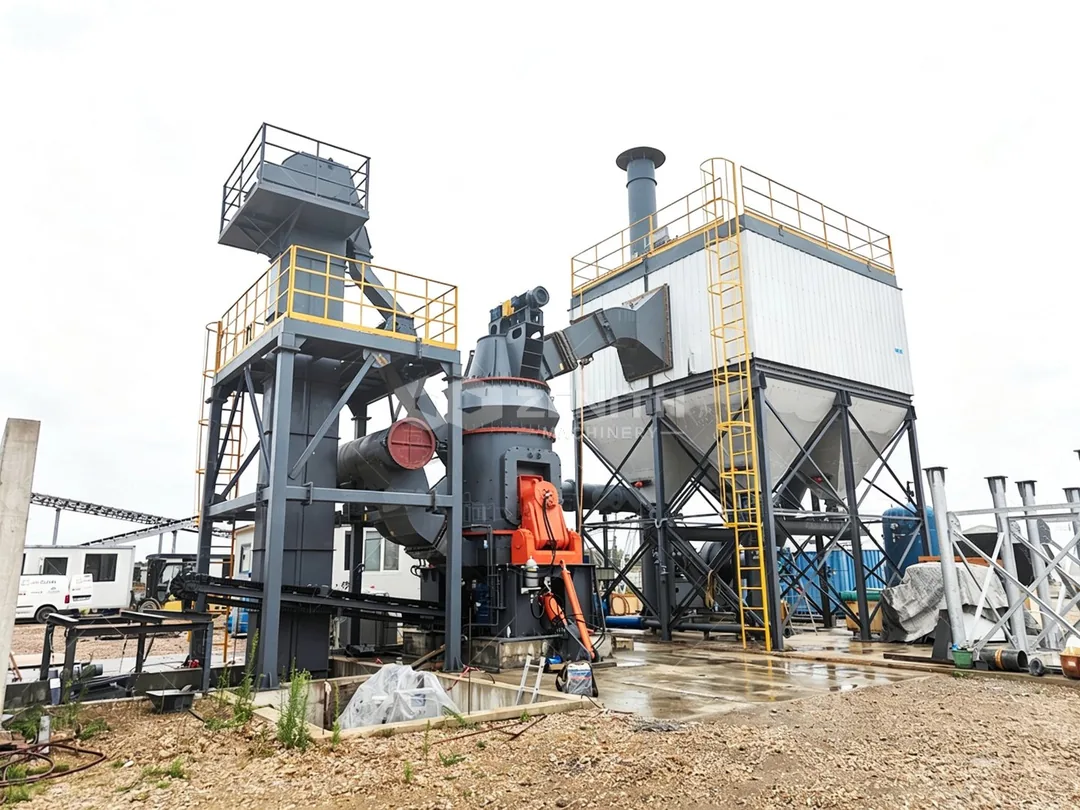
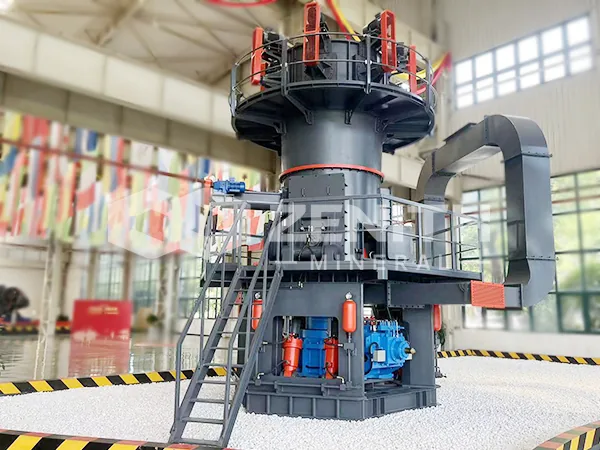
LM Vertical Grinding Mill: For large-scale production requiring continuous 24/7 operation, the LM Vertical Mill is a powerhouse. It handles inputs up to 70mm and can produce 80-400 mesh powder at very high capacities (up to 340 T/H). It offers a high degree of automation, excellent environmental control with negative pressure operation, and a 50% smaller footprint than ball mill systems. It is ideal for dedicated, high-volume limestone powder plants.
_1770915319141.jpg)
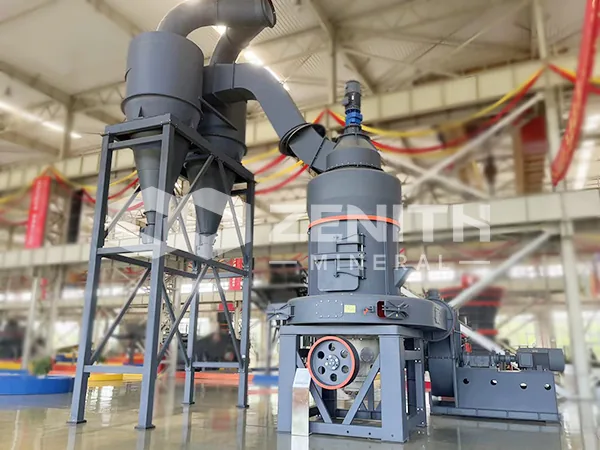
XZM Ultrafine Grinding Mill: If future-proofing or product flexibility is a concern, the XZM Series is a remarkable machine. It can produce powder from 325 mesh all the way up to 3250 mesh in a single classification. Its fineness can be arbitrarily adjusted via a VFD on the classifier. For a 325-mesh target, it operates with 40% higher efficiency and 70% lower energy consumption compared to some alternative fine-grinding technologies. It's the perfect choice if you anticipate needing finer grades or require exceptional powder quality for high-value applications like paints or plastics.
Making the Right Decision
The suitability of a Raymond Mill for your 325-mesh limestone project depends on your specific project parameters. It is an excellent, cost-effective, and reliable solution for many small to medium-scale operations. However, for maximum energy efficiency, consider the MTW Series. For massive, automated production lines, evaluate the LM Vertical Mill. And for ultimate flexibility and top-tier efficiency for fine powders, the XZM Ultrafine Mill is unparalleled.
At Zenith, with our global experience and comprehensive product portfolio covering from 1-3mm coarse powder to 3250-mesh micro powder, we are positioned to provide not just equipment, but the optimal grinding solution. We recommend a detailed analysis of your capacity needs, input size, long-term product goals, and site constraints to select the machine that delivers the best return on investment.
Frequently Asked Questions (FAQs)
- What is the typical capacity range of a Zenith Raymond Mill for 325-mesh limestone?
Our Raymond Mill models offer a capacity range from 3 to 22 tons per hour for producing 325-mesh powder, depending on the model and specific conditions of the limestone. - How does the energy consumption of a Raymond Mill compare to a ball mill for this application?
While our Raymond Mill is efficient, our MTW/MTM European Trapezium Mills are specifically engineered to consume over 60% less energy than a ball mill of equivalent output for fine powder production like 325-mesh limestone. - Can I adjust the fineness easily if I need to switch between 200-mesh and 325-mesh production?
Yes. Our Raymond Mill and MTW/MTM mills feature adjustable classifiers or modular impellers, allowing relatively straightforward adjustment of the output fineness within their respective ranges. - Is the 325-mesh powder produced by a Raymond Mill suitable for industrial fillers or paints?
Absolutely. The high screening efficiency (99%) ensures a consistent and well-graded 325-mesh product that is ideal for use as a filler in plastics, paints, sealants, and other industrial applications. - Which Zenith mill is best for producing both 325-mesh powder and much finer powder (e.g., 1250 mesh) from limestone?
The XZM Ultrafine Grinding Mill is the ideal choice. It is uniquely designed to produce powder from 325 mesh up to 3250 mesh, offering unparalleled flexibility for future product development without changing the core grinding equipment. - What are the key environmental features of these mills when grinding limestone?
Our mills, including the Raymond, LM, and LUM series, are designed to operate under negative or controlled pressure and are equipped with pulse dust collection systems. This ensures minimal dust spillage, low noise, and compliance with international environmental standards. - Do you provide support for selecting the right mill and setting up the production line?
Yes. With over 30 years of experience and a presence in more than 180 countries, Zenith provides comprehensive technical support, from initial material testing and mill selection to installation guidance and after-sales service, ensuring your project's success.