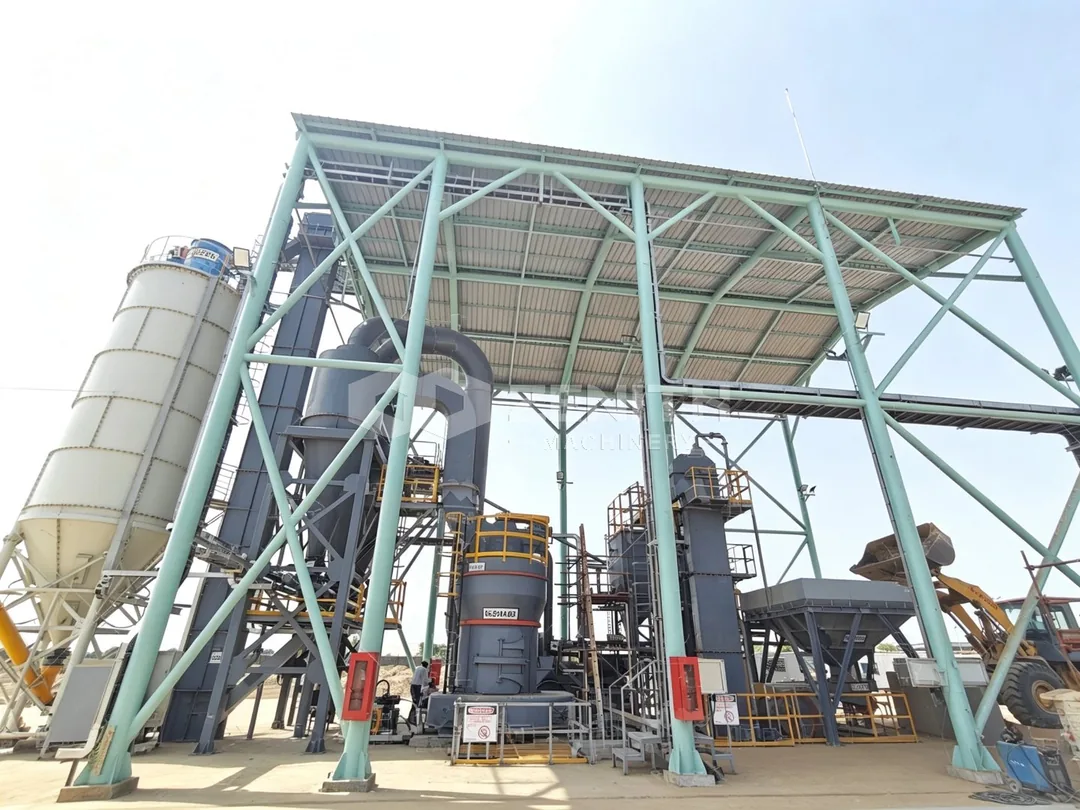
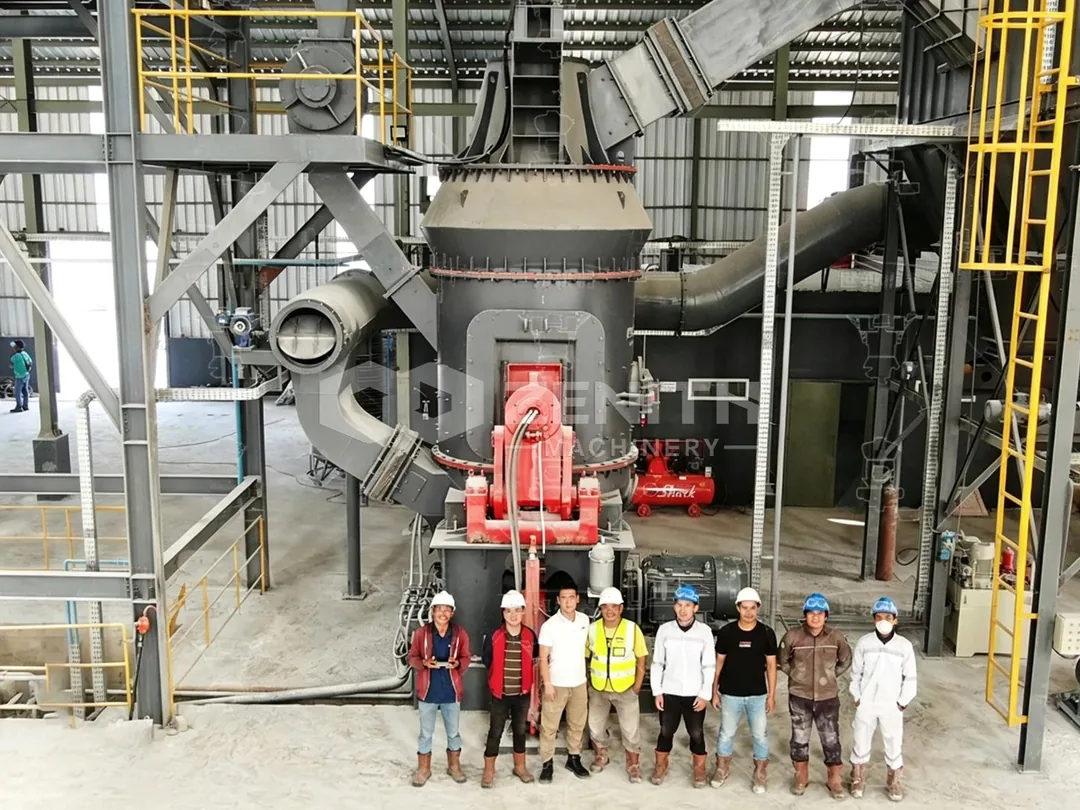
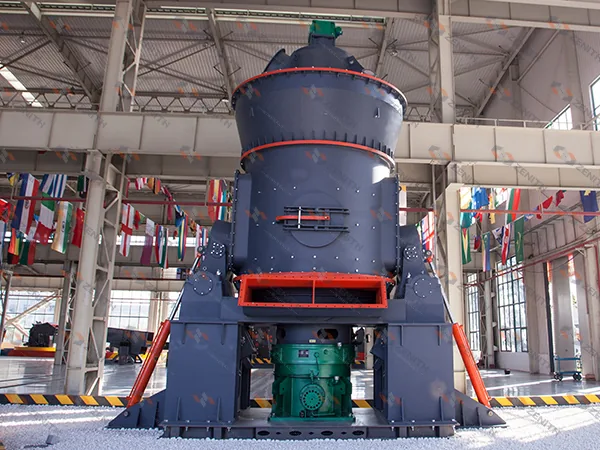
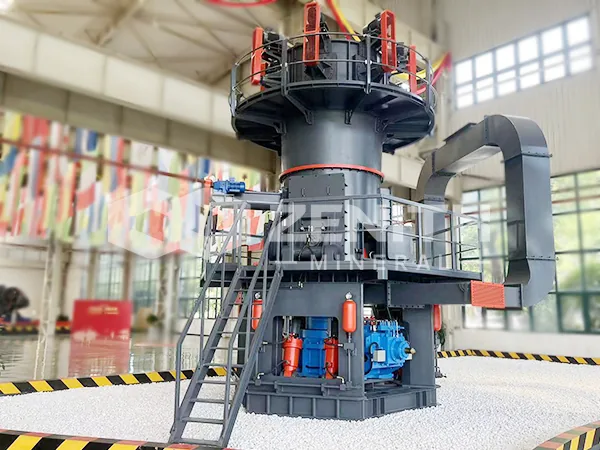
The egyptian phosphate rock powdering project produces 150-micron fine powder at a capacity of 25 t/h for fertilizer production.
2026-02-12 17:58:48
In the heart of Egypt's mineral processing sector, a critical project is setting new benchmarks for efficiency and quality. Dedicated to producing fertilizer-grade phosphate rock powder, this facility operates at a robust capacity of 25 tons per hour, with a stringent final product specification of 150 microns (approximately 100 mesh). This fineness is crucial for ensuring optimal chemical reactivity in subsequent fertilizer production processes, directly impacting crop yield and soil health. The success of such a high-capacity, precision-driven operation hinges not just on raw material quality, but fundamentally on the selection of advanced, reliable grinding technology.
_1770890328065.jpg)
For projects of this scale and importance, the choice of grinding equipment is a strategic decision. The requirement for consistent 150-micron output at 25 t/h demands a mill that combines high throughput with exceptional classification accuracy and energy efficiency. At Shanghai Zenith Machinery, our engineering philosophy is built on providing tailored solutions for precisely these challenges. With a global footprint spanning over 180 countries and backed by certifications like ISO, CE, and CU-TR, our equipment is engineered for the demanding conditions of mineral processing.
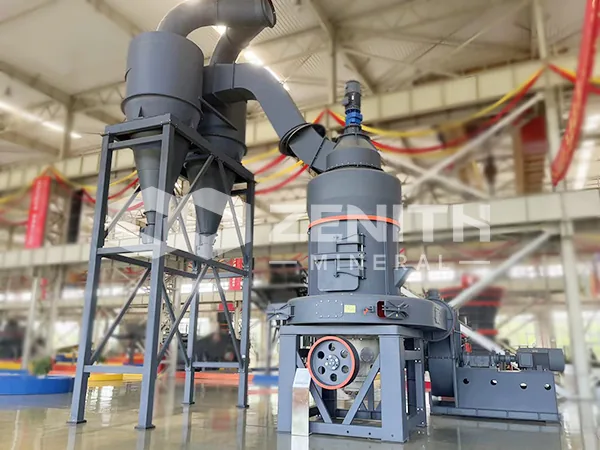
In the context of this Egyptian project, several grinding series from our portfolio offer compelling advantages. The MTW European Trapezium Mill stands out for its proven stability and efficiency in the fine powder range. Capable of producing 80-400 mesh powder with models reaching up to 50 tph, its design aligns perfectly with the project's output needs. A key benefit is its 60% lower energy consumption compared to traditional ball mills, a critical factor for cost-effective, sustainable production. Its modular impeller system allows for precise adjustment of fineness, ensuring the consistent 150-micron target is reliably met.
_1770890328069.jpg)
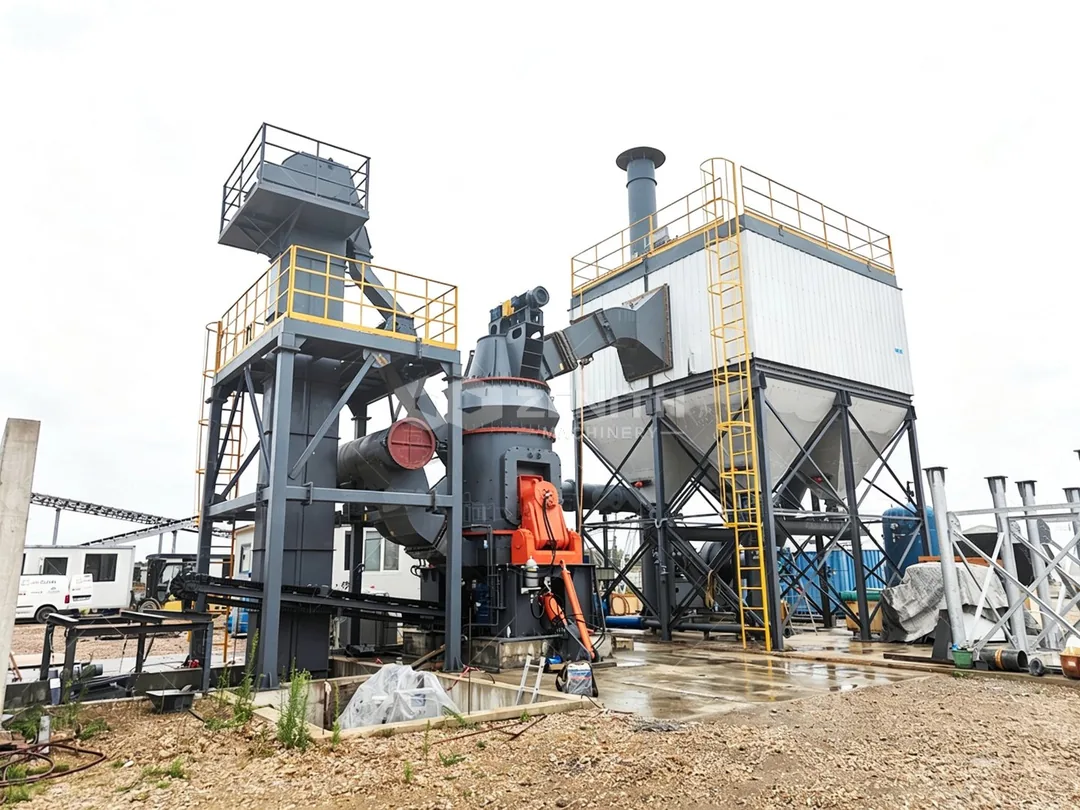
Alternatively, the LM Vertical Grinding Mill presents a robust solution for continuous, high-capacity operation. Known for its 24-hour constant running capability and high degree of automation, it minimizes labor costs and ensures product stability—essential for feeding a continuous fertilizer production line. Its compact integrated design reduces the plant's footprint, while operation under negative pressure guarantees an environmentally friendly, dust-free workspace. For materials where maintaining high purity is paramount, the LM mill's excellent control over product composition is a significant advantage.
The grinding process itself is a symphony of precision engineering. As illustrated by our mill designs, qualified phosphate rock is fed into the grinding chamber. Whether crushed by rollers in a vertical mill or between a roller and ring in a trapezium mill, the material is reduced through mechanical force. The ground powder is then pneumatically transported to an integrated high-efficiency classifier. Here, the critical separation occurs: particles meeting the 150-micron specification pass through as finished product, while coarser particles are rejected and returned for regrinding. This closed-circuit system, often equipped with advanced pulse dust collectors, ensures maximum yield, consistent quality, and full compliance with environmental standards.
_1770890328071.jpg)
Beyond the core mill, Zenith's holistic approach considers the entire production chain. From initial crushing via robust Hammer Mills for coarse reduction to the potential for producing ultrafine additives with our LUM or XZM Ultrafine Grinding Mills, we offer a complete ecosystem of size reduction technology. This ensures seamless compatibility and optimized performance across all stages of the mineral processing plant, from raw lump phosphate to the perfectly graded powder ready for fertilizer granulation.
The Egyptian 25 t/h phosphate powdering project exemplifies modern mineral processing: it is data-driven, efficiency-focused, and quality-centric. By leveraging advanced grinding technologies that prioritize energy savings, operational stability, and precise classification, such projects not only achieve their immediate production goals but also build a foundation for long-term profitability and sustainable growth in the vital global agriculture sector.
Frequently Asked Questions (FAQs)
- What are the main advantages of using an MTW/MTM Trapezium Mill over a traditional Ball Mill for phosphate grinding?
The primary advantages are significantly lower energy consumption (over 60% less), a more compact system that reduces initial investment in plant space and foundation, and superior classification efficiency leading to a more consistent product fineness with less over-grinding. - Can your grinding mills handle variations in the hardness or moisture content of the phosphate rock?
Yes, our mills, particularly the LM Vertical and MTW series, are designed with robust construction and adjustable operational parameters (such as grinding force and airflow) to adapt to reasonable fluctuations in material properties and ensure stable output. - How is the final powder fineness (like the 150-micron target) precisely controlled?
Fineness is primarily controlled by the integrated dynamic classifier. In mills like the MTW or XZM, the classifier speed can be adjusted via a Variable Frequency Drive (VFD) on the control panel, allowing operators to easily tune the separation point to achieve the exact micron size required. - What measures are in place to ensure the plant meets environmental protection standards?
Our grinding systems are designed to operate under negative or balanced pressure. They are equipped with high-efficiency pulse jet bag dust collectors (or similar) at the final exhaust point, ensuring dust emissions are far below national and international regulatory limits. - What is the typical particle size range of the feed material suitable for these fine grinding mills?
For fine grinding mills like the MTW, LM, or Raymond Mill, the optimal feed size is typically under 35mm (after primary crushing). Consistent feed size is crucial for achieving stable grinding bed conditions and maximizing mill capacity and efficiency. - Do you provide support for the entire project, from design to commissioning?
Yes, Zenith offers comprehensive support. We can provide plant layout design suggestions, equipment selection based on your specific material test reports, installation supervision guidance, operator training, and after-sales technical support to ensure successful project commissioning and operation.