Selection and investment cost of potassium sodium orthoclase powdering equipment
2026-02-12 00:58:44
For producers in the ceramics, glass, and coatings industries, the efficient processing of potassium sodium orthoclase (a key feldspar mineral) into precise powder specifications is a critical operational pillar. The selection of the right grinding equipment directly impacts product quality, production capacity, energy expenditure, and ultimately, the return on investment. As a hi-tech engineering group with decades of specialization in industrial comminution, Zenith Machinery provides a suite of advanced solutions tailored to the unique properties of orthoclase, from coarse crushing to ultrafine micronization.
The journey begins with understanding your target fineness. Orthoclase is often processed across a broad spectrum: from coarse aggregates (1-3mm) for certain ceramics, to fine powders (20-400 mesh) for glazes and fillers, and even ultrafine grades (400-3250 mesh) for high-performance applications. Each range demands different grinding principles. For initial size reduction to 0-3mm coarse powder, our HM Series Hammer Mill offers a high grinding ratio and stable performance, serving as a robust and cost-effective primary stage.
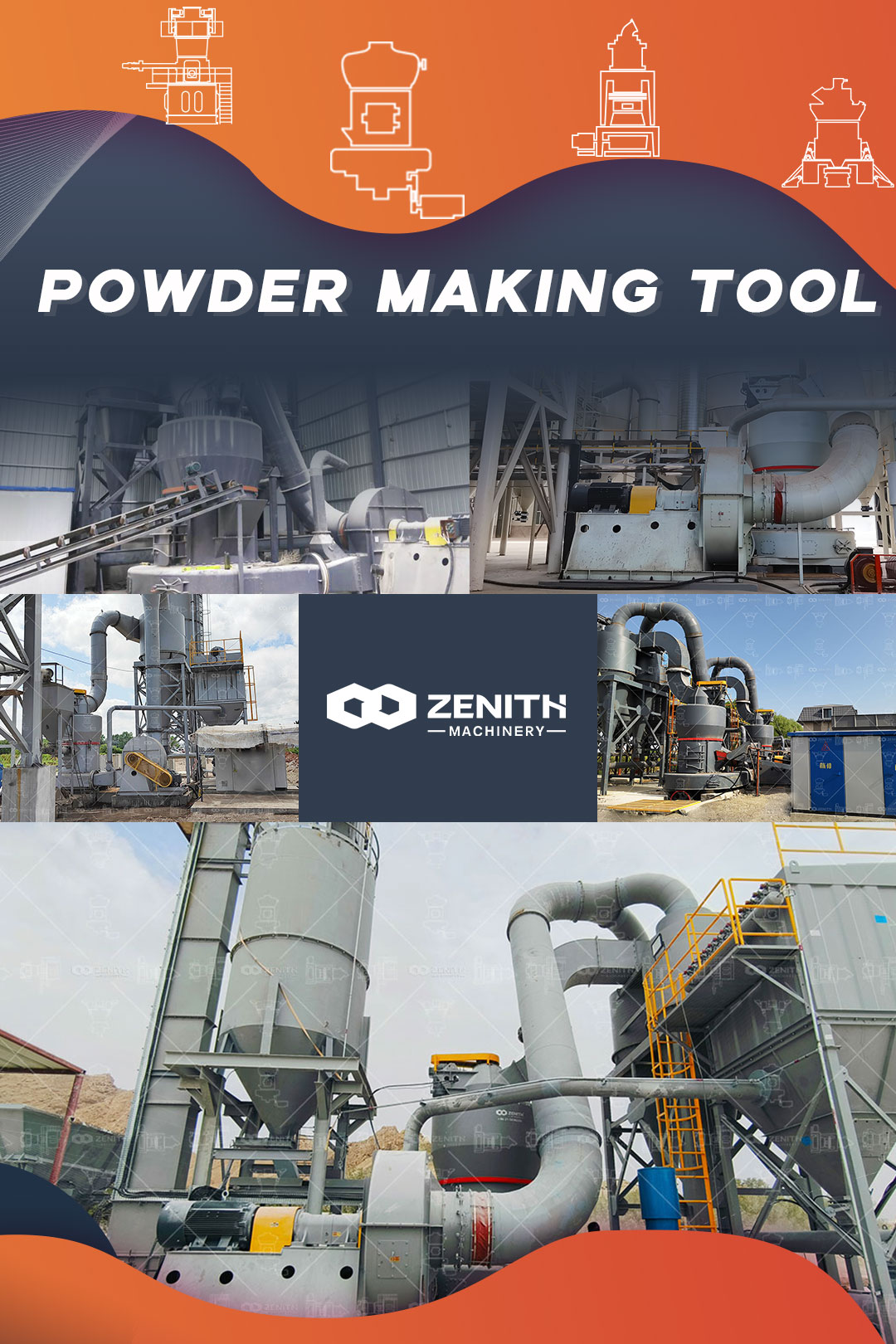
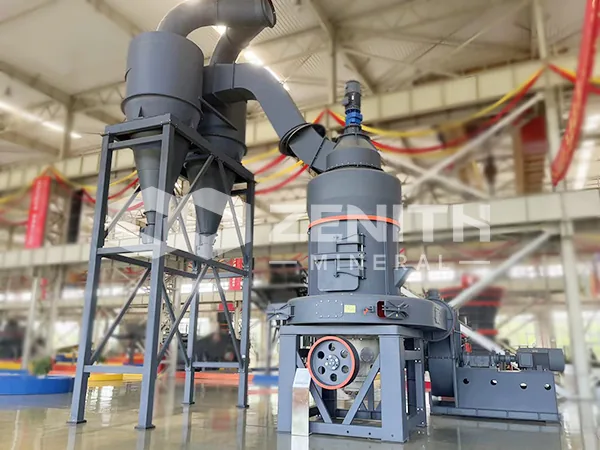
For the core production of fine powders in the 80-400 mesh range—the workhorse requirement for many orthoclase applications—Zenith's trapezium mill series stands out. The MTW European Trapezium Mill and the proven MTM European Trapezium Mill are engineered for stability and economy. A pivotal consideration for any investment is operational cost, and here, these mills deliver a decisive advantage: energy consumption is over 60% lower than traditional ball mills of the same grade. Furthermore, their integrated design—from feeding to classification—minimizes plant footprint and foundation costs. The modular impeller system allows quick adjustment of output fineness, providing flexibility to meet varying customer specifications without major downtime.
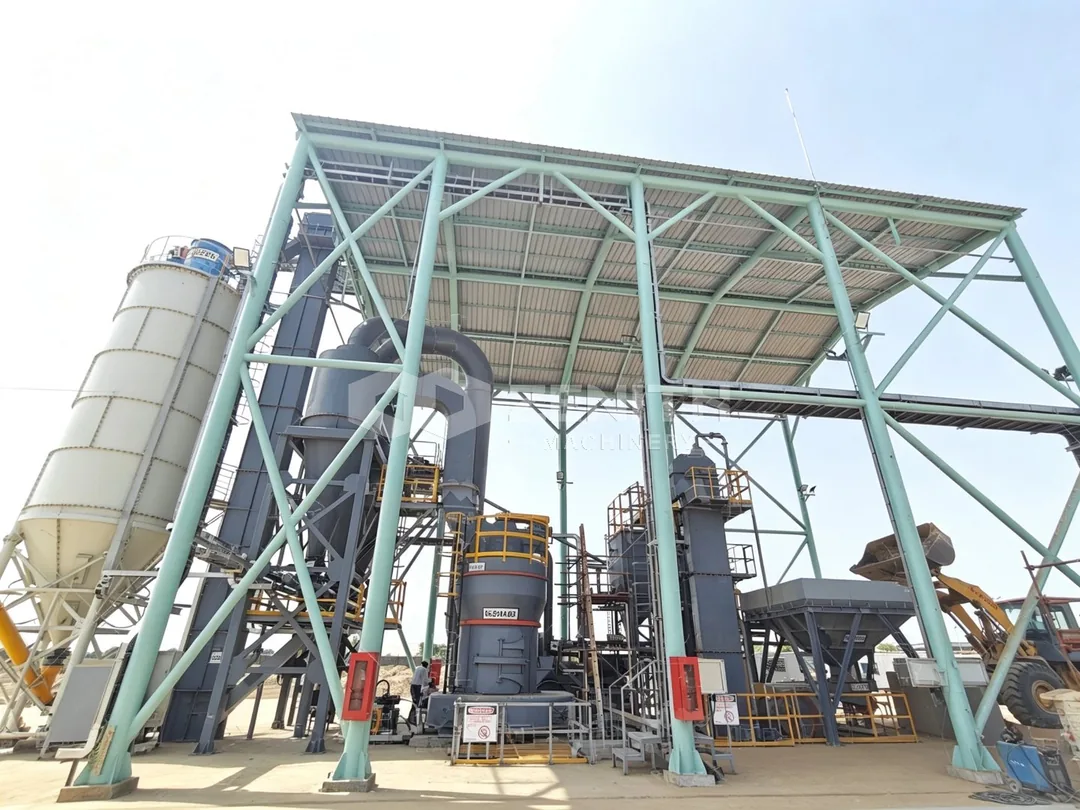
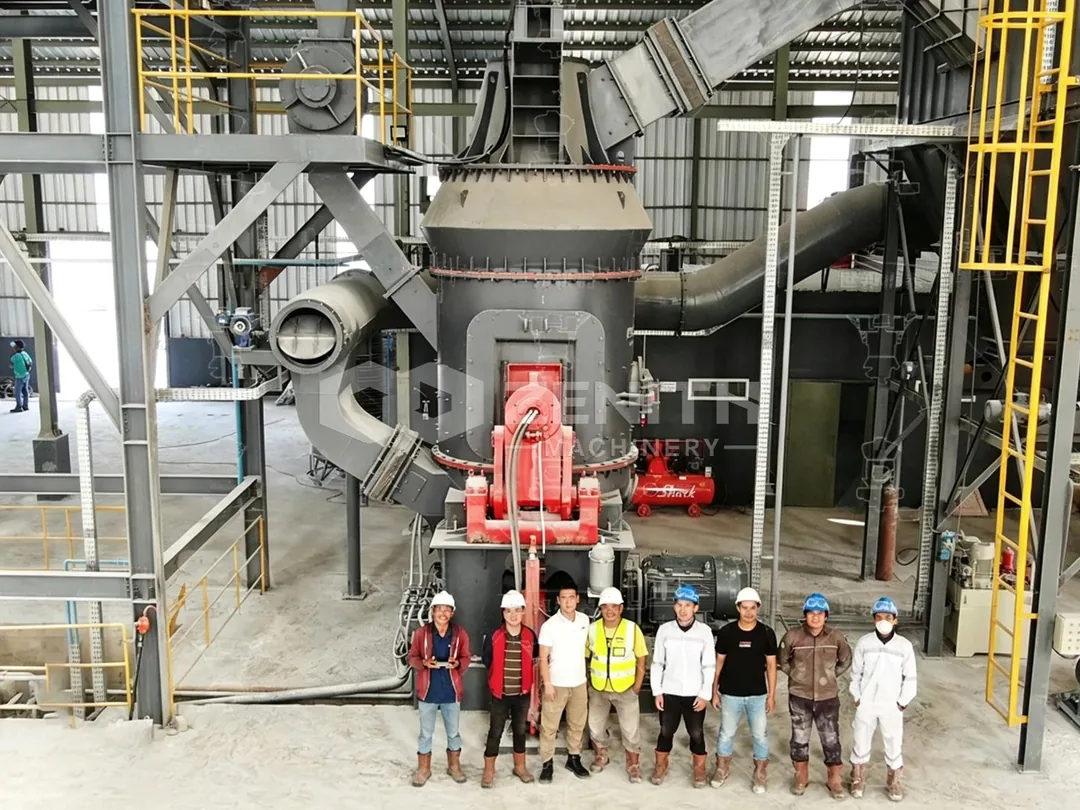
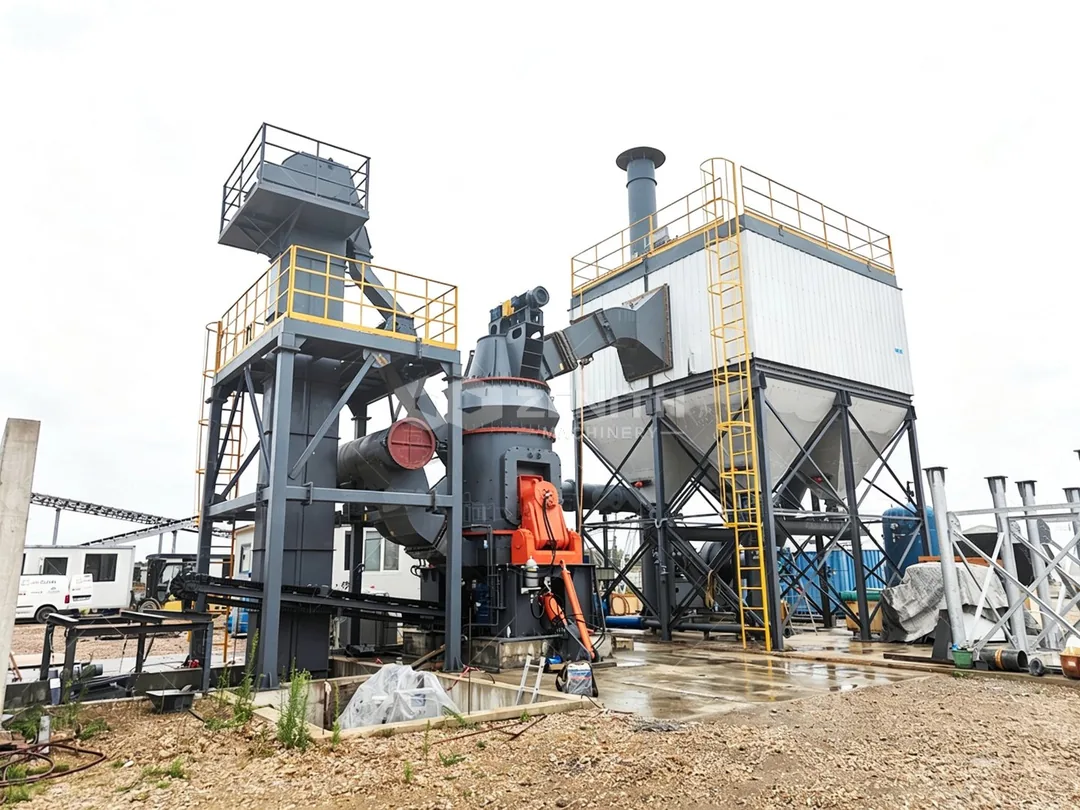
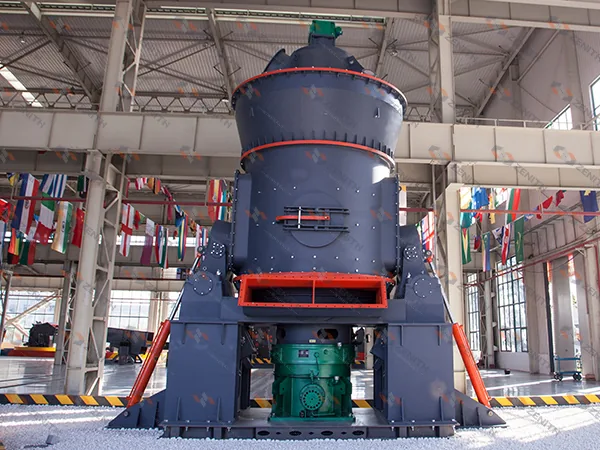
When production scale, automation, and constant 24/7 operation are paramount, the LM Vertical Grinding Mill presents a superior choice. Ideal for large-capacity mineral powder plants, its compact design reduces the occupied area by about 50% compared to a ball mill system, significantly lowering comprehensive investment. It ensures high material purity—a must for orthoclase used in high-grade ceramics—and operates under negative pressure for an environmentally friendly, dust-free workshop. For operations seeking the reliability of a time-tested solution, the upgraded Raymond Mill (High-pressure Grinding Mill) offers exceptional screening efficiency of 99% and intelligent, labor-saving control.
_1770829124468.jpg)
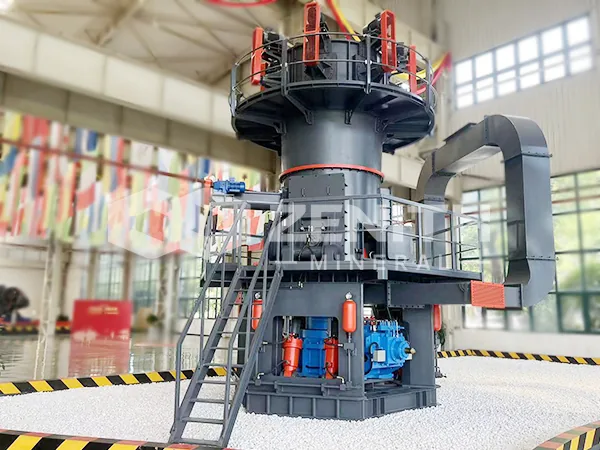
The true technological frontier for orthoclase processing lies in ultrafine and micro-powder production (400-3250 mesh). Here, Zenith's advanced vertical mill technology shines. The LUM Ultrafine Vertical Grinding Mill, integrating German separating technology, is designed for high-end applications requiring precise control over particle size and iron contamination. It achieves remarkable energy savings of 30-50% and features a reversible, easy-to-maintain roller assembly. For even finer requirements with single-classification efficiency, the XZM Ultrafine Grinding Mill can achieve a fineness range from 325 to 2500 mesh (D97 <5μm) with 40% higher efficiency and 70% lower energy consumption than some alternative fine-grinding technologies.
It is crucial to contrast these systems with traditional Ball Mills, which, while highly adaptable and capable of wet or dry grinding, generally occupy more space and have higher specific energy consumption. For very high-capacity, coarse to medium grinding tasks, Zenith's Mining Ball Mill or the innovative LM-Y Vertical Pre-grinding Roller Mill—which integrates grinding and sand-making functions—may be considered. The LM-Y model is particularly noteworthy for its low operating cost and ease of roller maintenance.
_1770829124470.jpg)
Ultimately, the investment cost is not merely the equipment price tag. It is a calculation of capital outlay, installation footprint, energy consumption per ton, maintenance accessibility, and the longevity of wear parts. Zenith equipment, backed by ISO, CE, and CU-TR certifications, is designed to optimize this total cost of ownership. Our global network ensures professional support for selection, installation, and service, helping you unlock the full value of your potassium sodium orthoclase resources with technology that is both powerful and prudent.
Frequently Asked Questions (FAQs)
- What is the primary energy-saving advantage of Zenith's MTW/MTM Mills over a traditional ball mill for orthoclase grinding?
Under ideal working conditions, the MTW and MTM European Trapezium Mills consume over 60% less energy than a ball mill of the same grade producing equivalent fine powder (80-400 mesh), dramatically reducing long-term operational costs. - Which Zenith mill is most suitable for producing ultrafine orthoclase powder above 1250 mesh?
The XZM Ultrafine Grinding Mill and the LUM Ultrafine Vertical Mill are specifically engineered for this range. The XZM can achieve 2500+ mesh in a single classification, while the LUM excels in high-purity, energy-efficient ultrafine grinding up to 2500 mesh. - How does the LM Vertical Mill contribute to a lower comprehensive investment?
Its compact integrated design reduces the floor space requirement by approximately 50% compared to a ball mill system. It can often be installed outdoors, saving on building costs, and its high automation reduces labor expenses. - Can the fineness of the output be adjusted easily after the mill is installed?
Yes. Mills like the MTW, MTM, and XZM feature modular or frequency-controlled adjustment devices (e.g., classifier impellers or rotors) that allow operators to change the product fineness within the machine's range quickly without major disassembly. - What environmental features are incorporated into Zenith's grinding mills?
Our vertical mills (LM, LUM) and trapezium mills operate under negative or sealed pressure conditions, equipped with pulse dust collectors. This design ensures no dust spillage, low noise, and compliance with international environmental protection standards. - For a project requiring both coarse orthoclase sand (0-3mm) and fine powder, is there a multi-purpose solution?
The LM-Y Vertical Pre-grinding Roller Mill is designed for such versatility. It integrates sand-making and grinding functions, capable of producing <5mm coarse powder or sand with good particle shape, as well as serving as a grinding equipment. - What after-sales support is available for Zenith grinding equipment globally?
Zenith has a marketing network covering over 180 countries and regions, with overseas offices in more than 30 countries. This provides local technical support, spare parts service, and operational training to ensure optimal mill performance.