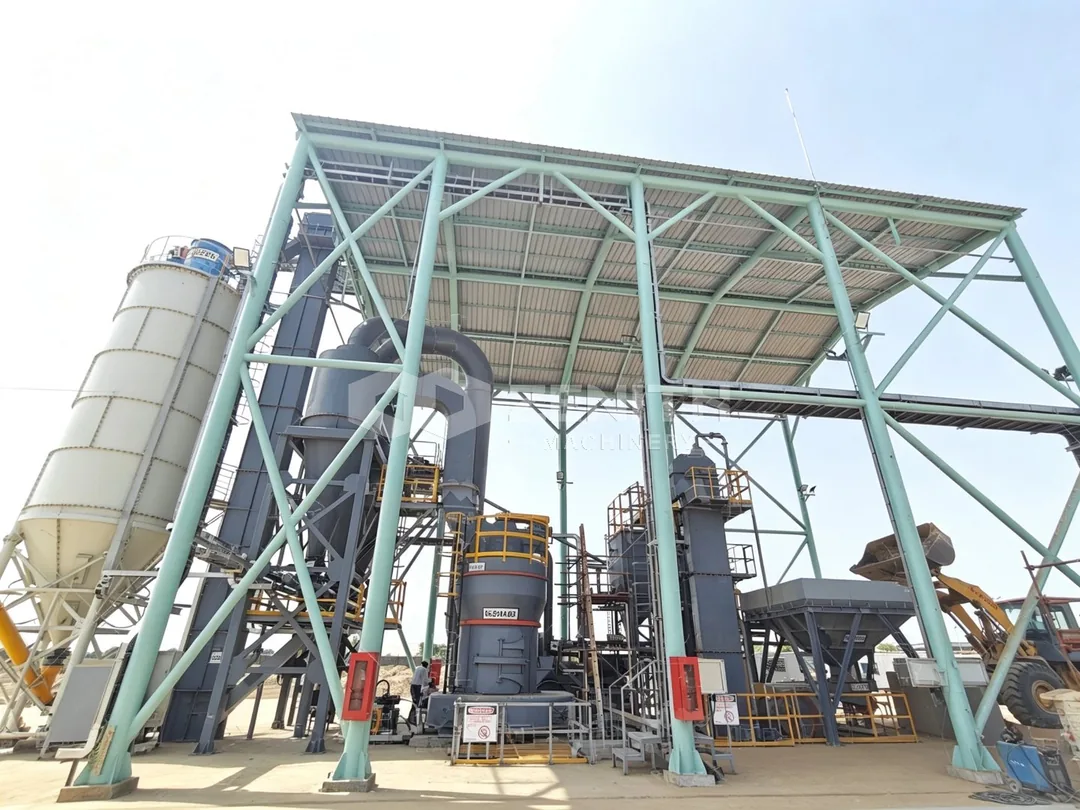
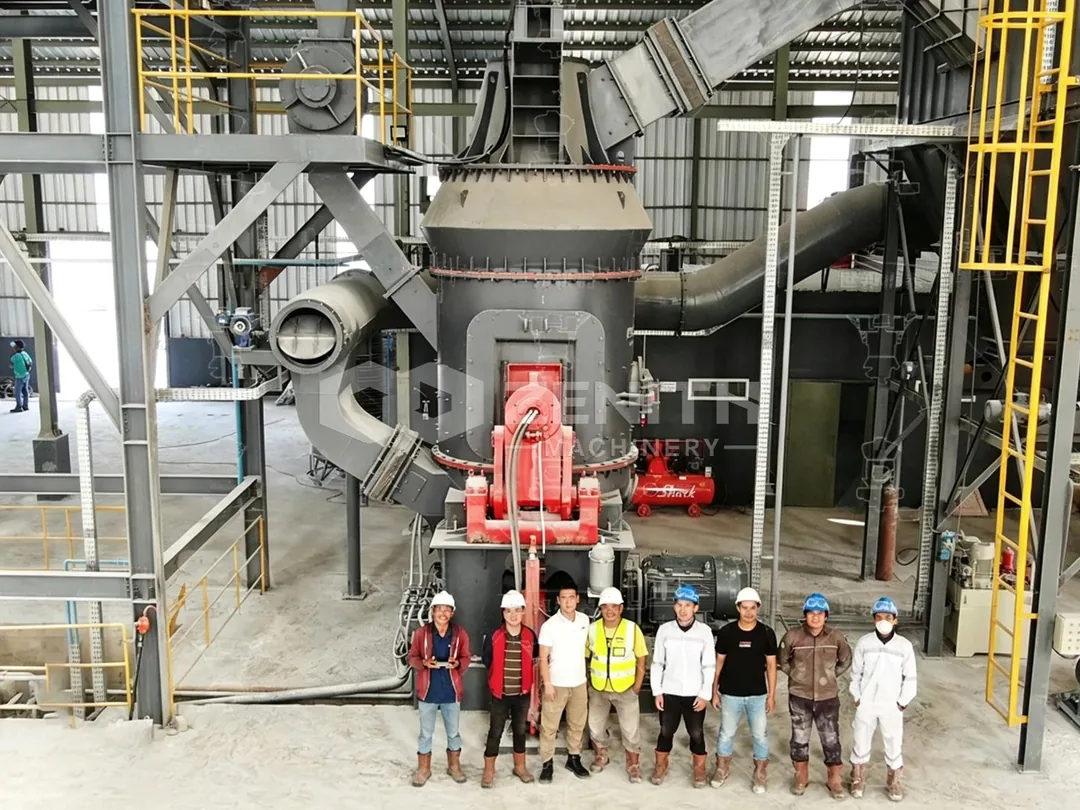
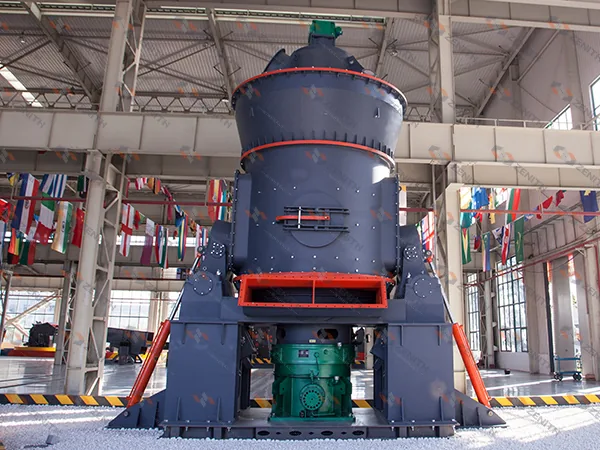
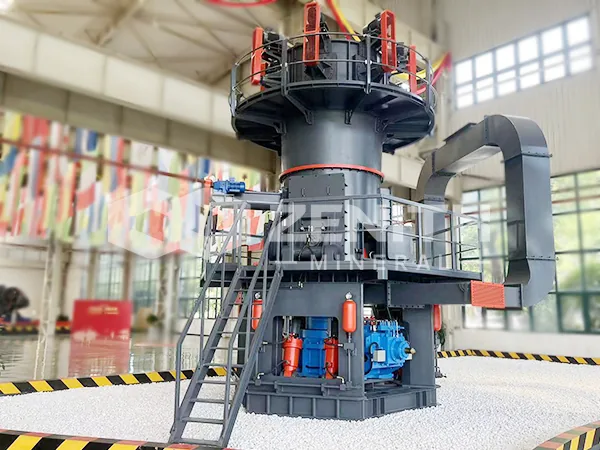
A mexican company purchased an mtw european-style grinding mill to process barite into 200-mesh d97 particles with a capacity of 20 t/h for use in the preparation of drilling weighting agents.
2026-02-11 17:53:33
In the competitive landscape of oilfield services, the quality and consistency of drilling fluid additives are paramount. A leading Mexican industrial company recently made a strategic investment to enhance its production capabilities, selecting an MTW European-style trapezium grinding mill from Zenith to process barite into high-grade weighting agents. The primary goal was to achieve a consistent output of 200-mesh (D97) particles at a robust capacity of 20 tons per hour, a specification critical for meeting the demanding standards of modern drilling operations.
The decision was driven by the need for a reliable, high-efficiency solution. Barite, or baryte, is a dense mineral used to increase the density of drilling muds, preventing blowouts. Processing it to a precise 200-mesh fineness ensures optimal suspension properties and minimizes abrasion on drilling equipment. After a thorough evaluation of available technologies, the company identified Zenith's MTW series mill as the ideal fit, citing its reputation for stable performance, energy efficiency, and adaptability to exacting fineness requirements.
_1770803613623.jpg)
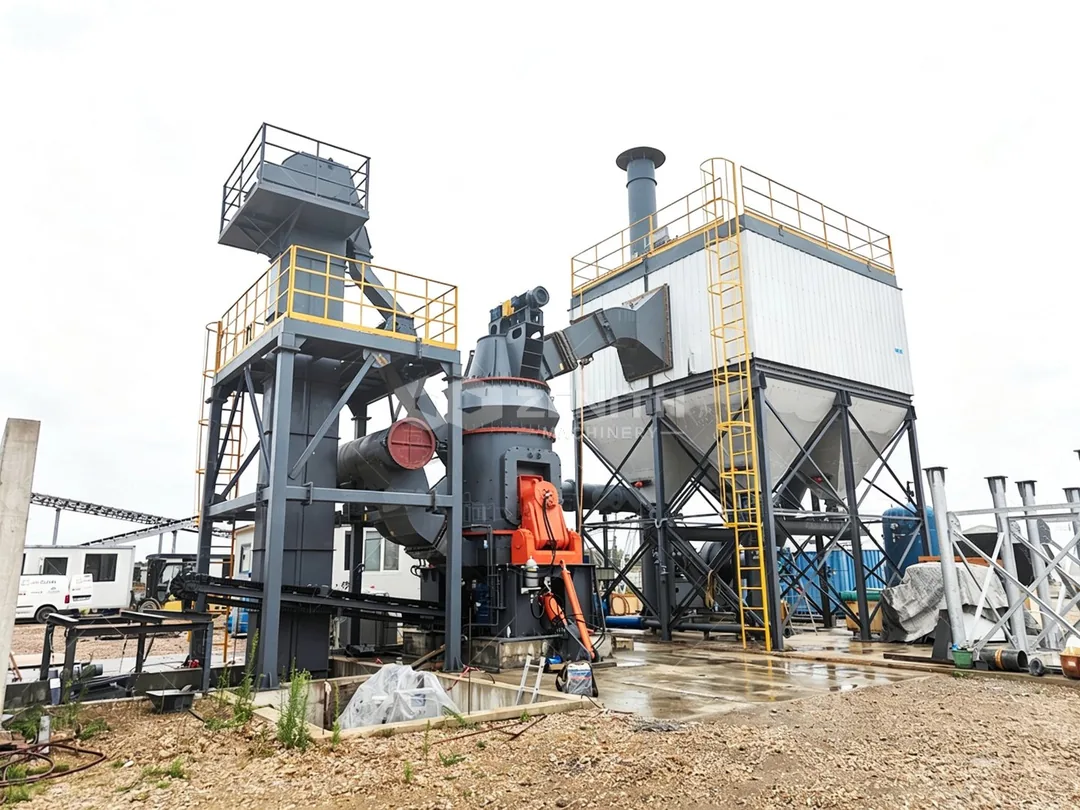
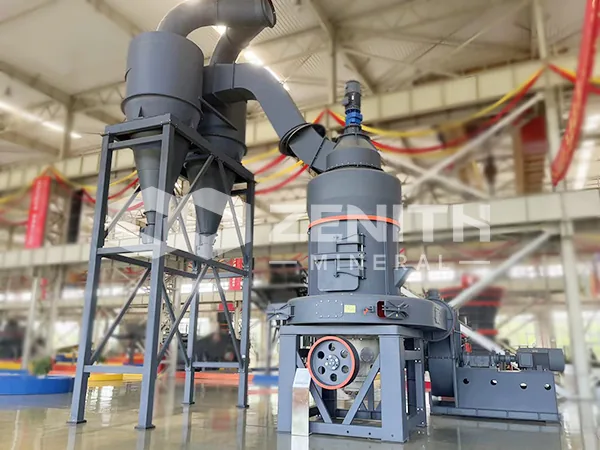
Zenith's MTW European Trapezium Mill stands out in the mineral processing sector for its integrated design philosophy. Unlike traditional systems that require separate components for crushing, grinding, and classification, the MTW mill incorporates a complete production system from bulk material to finished powder. This not only reduces the plant's physical footprint—a significant consideration for optimizing existing facility layouts—but also lowers initial investment in auxiliary infrastructure and foundation work. For our Mexican client, this meant a faster, more cost-effective deployment of their new production line.
A core factor in the selection was the mill's remarkable energy profile. Operational data and engineering specifications confirm that the MTW series achieves an energy consumption more than 60% lower than that of a traditional ball mill of equivalent output grade. This is accomplished through advanced design features like a high-efficiency impeller fan, which boosts induced air efficiency from 62% to 85%, optimizing the entire pneumatic conveying and classification cycle. In an industry where operational costs are closely scrutinized, this efficiency translates directly into a stronger bottom line and a reduced environmental footprint.
_1770803613626.jpg)
Precision and flexibility were non-negotiable. The requirement for 200-mesh D97 particles necessitates exact control over the grinding and classification process. The MTW mill's modular impeller adjustment device allows operators to fine-tune output fineness simply by changing impellers, enabling quick adjustments should product specifications evolve. The system's intelligent airflow design, featuring a high-efficiency powder selector, ensures a consistent, narrow particle size distribution. Qualified fine powder is cleanly separated in the cyclone collector, while coarse particles are efficiently returned for re-grinding, guaranteeing that every batch meets the stringent D97 standard.
Beyond performance, operational safety and environmental compliance were critical. The MTW mill system operates under a sealed, negative-pressure condition, effectively containing dust. This is complemented by an integrated pulse dust collector that ensures emissions are well within both Mexican national standards and international environmental protocols. The client appreciated this turn-key approach to eco-friendly production, which mitigates workplace health risks and aligns with corporate sustainability goals.
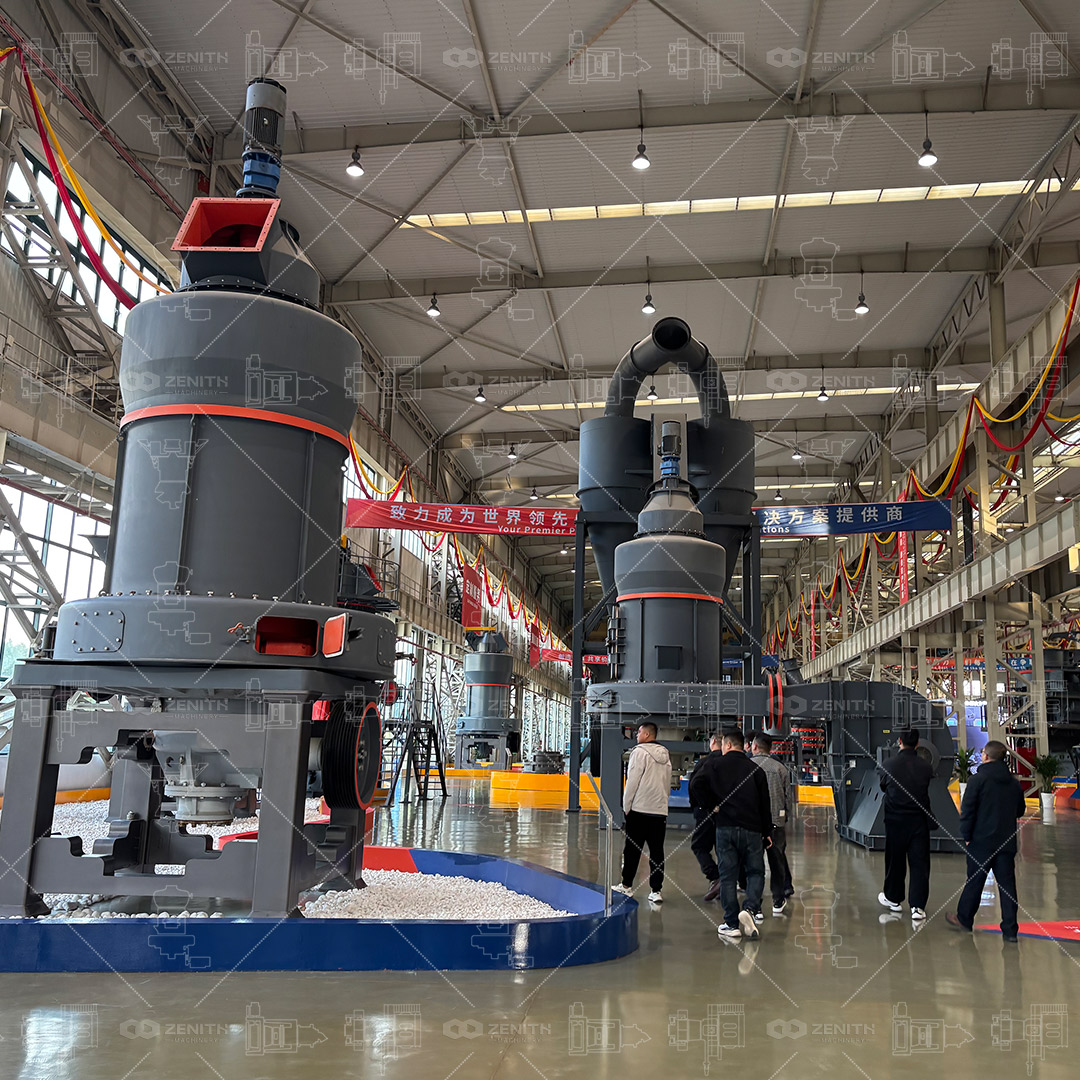
This project underscores Zenith's global commitment to providing tailored industrial solutions. With ISO, CE, and CU-TR certifications, our equipment is engineered for global applicability. The successful deployment of this MTW mill in Mexico—a key market within our network spanning over 180 countries—demonstrates how our technology bridges regional industrial needs with world-class engineering. The client now possesses a reliable, high-capacity core for their drilling weighting agent production, fortified by the stability and support synonymous with the Zenith brand.
Frequently Asked Questions (FAQs)
- What is the primary advantage of the MTW mill over a traditional ball mill for barite processing?
The most significant advantage is energy efficiency; the MTW series consumes over 60% less energy than a ball mill of comparable capacity. It also offers a more compact footprint, integrated production flow, and easier fineness adjustment. - Can the MTW mill produce fineness other than 200-mesh?
Yes, absolutely. The mill is designed for flexible output ranging from 30 to 325 mesh. The modular impeller adjustment device allows operators to change product fineness relatively easily to meet different market specifications. - How does the system ensure consistent particle size (D97) quality?
Consistency is achieved through the integrated high-efficiency powder selector and closed-circuit grinding system. The selector precisely classifies particles, returning oversize material for re-grinding, while the stable negative-pressure airflow ensures uniform processing conditions. - Is the MTW mill suitable for processing other minerals besides barite?
Yes, the MTW European Trapezium Mill is a versatile platform widely used for fine powder production in agriculture, chemicals, paints, putty, and various non-metallic minerals where fineness between 30-325 mesh is required. - What kind of after-sales support and certification does Zenith provide?
Zenith provides comprehensive technical support and parts services. The equipment is certified under ISO international quality standards, the European Union CE mark, and the Customs Union CU-TR, ensuring compliance with major global market regulations. - How is dust control managed during operation?
The entire milling system operates under negative pressure and is sealed to prevent dust leakage. It is equipped with a high-efficiency pulse jet dust collector that captures airborne particles, ensuring a clean working environment and meeting strict environmental standards.