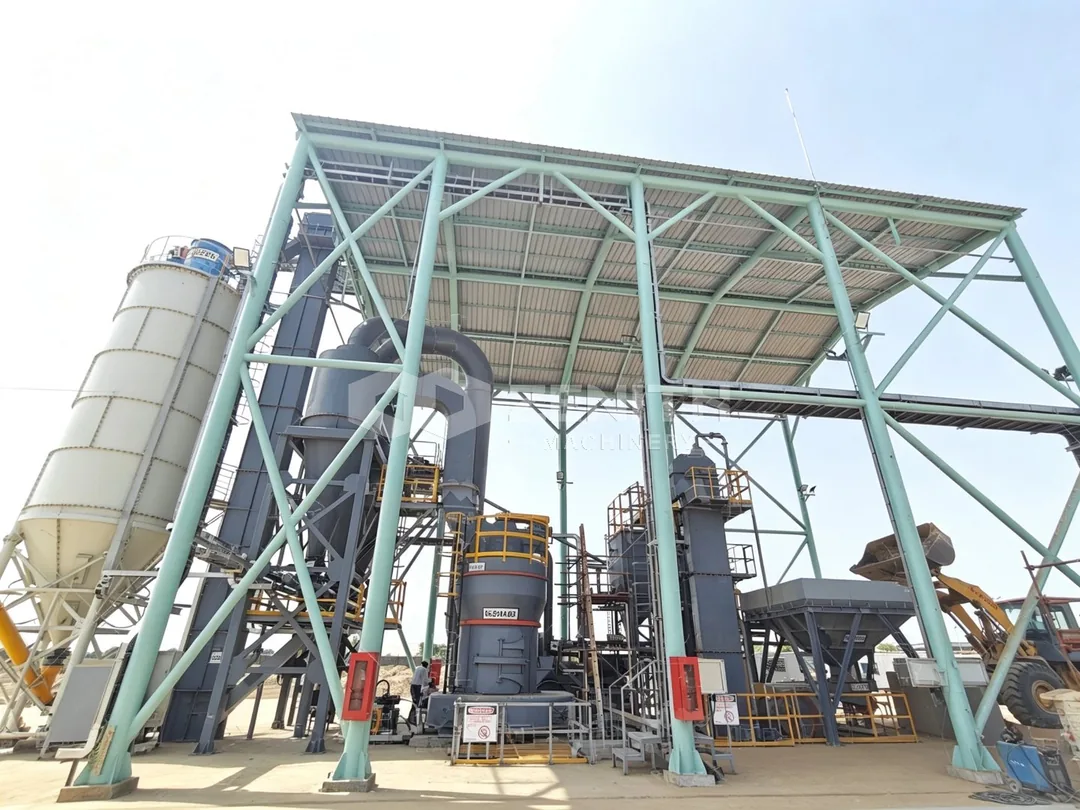
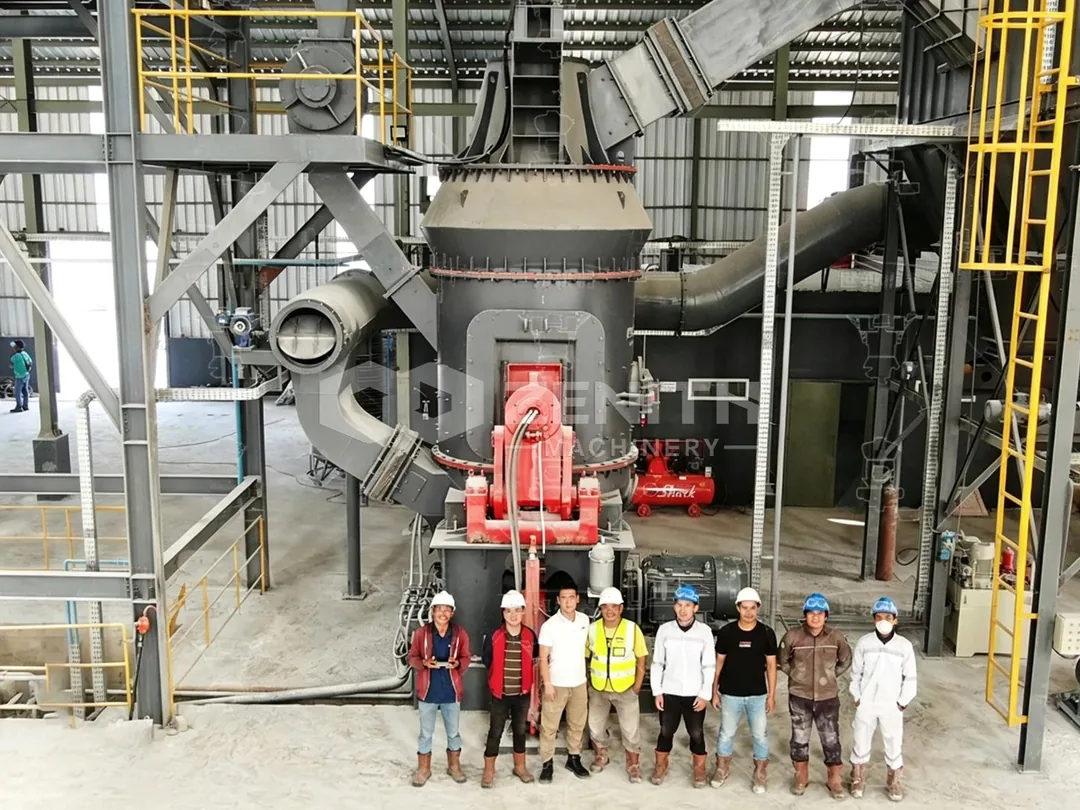
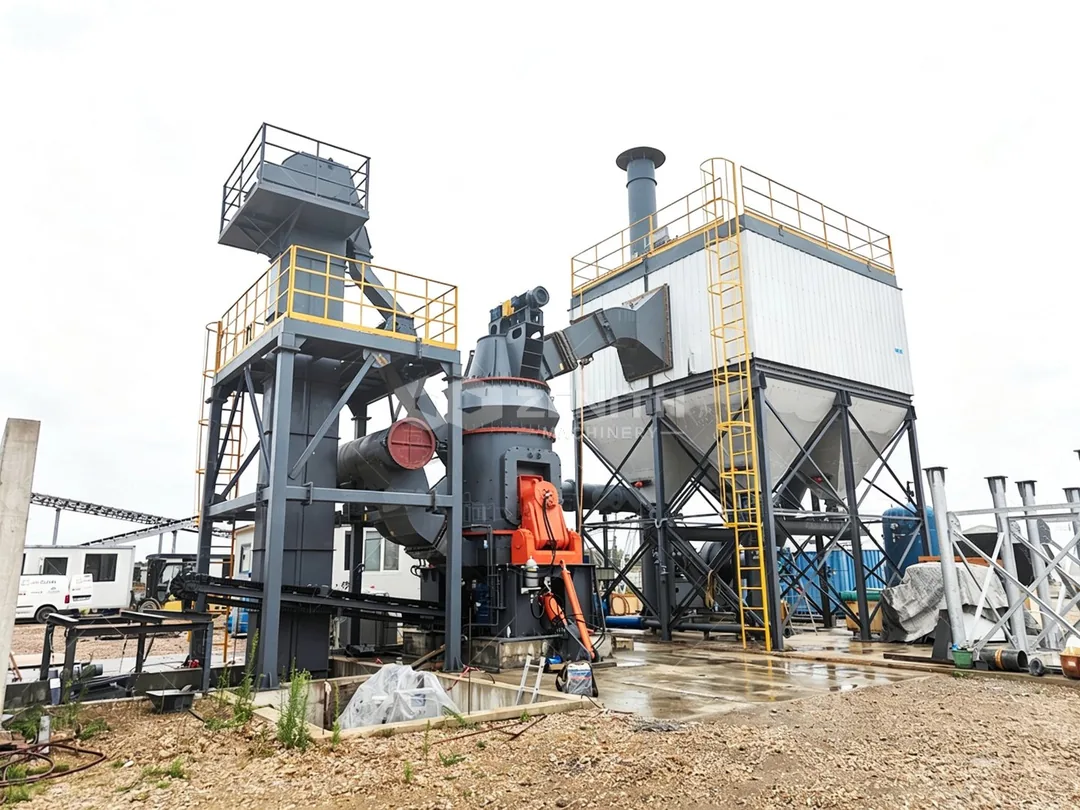
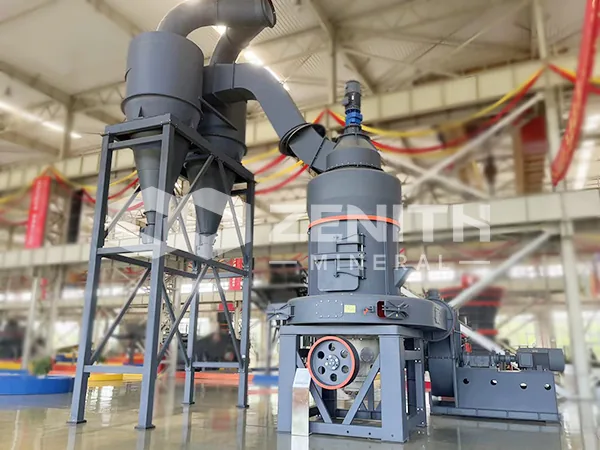
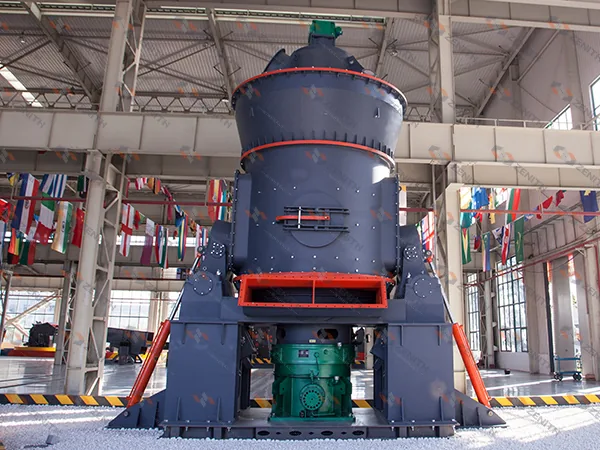
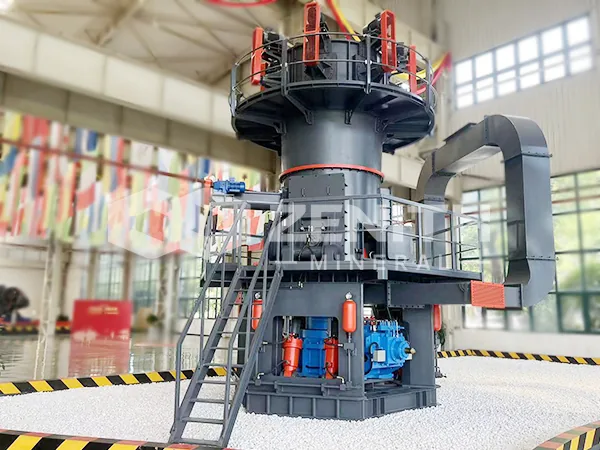
A nigerian mining company has selected a 10t/h vertical roller mill with a particle size of 300 mesh for its quartz powder production project, intended for manufacturing quartz slabs.
2026-02-11 00:56:39
In the competitive landscape of engineered stone manufacturing, the quality of raw quartz powder is a decisive factor for the final product's strength, consistency, and aesthetic appeal. A forward-thinking Nigerian mining company, embarking on a major quartz slab production project, has made a strategic equipment selection that underscores a commitment to excellence and operational efficiency. The cornerstone of their new processing line is a high-capacity 10-ton-per-hour vertical roller mill (VRM), calibrated to produce premium quartz powder with a consistent particle size of 300 mesh (approximately 48 microns). This fineness is critical for achieving the smooth, non-porous surface and structural integrity required in high-end quartz slabs.
_1770742599878.jpg)
The company's choice aligns with a global trend in mineral processing: moving towards grinding solutions that offer superior energy efficiency, product purity, and automation. Traditional ball mills, while reliable, often consume significantly more power and can introduce higher iron contamination—a critical concern for maintaining the brilliant whiteness of quartz. The selected vertical roller mill technology addresses these challenges head-on. By utilizing a bed-compression grinding principle between rollers and a rotating disc, it achieves particle size reduction with remarkable energy savings, reportedly over 60% lower than equivalent ball mill systems. For a project of this scale, this translates into substantial long-term reductions in operational costs and a smaller carbon footprint.
Beyond energy savings, the purity of the final product was a paramount consideration. Quartz destined for slab manufacturing must exhibit exceptional whiteness and minimal impurities. The enclosed, negative-pressure design of modern VRMs is a key advantage here. This system ensures no dust spillage, creating a cleaner work environment and, more importantly, preventing external contaminants from entering the grinding chamber. Furthermore, advanced models feature effective iron control mechanisms. Any incidental metallic debris from wear parts is separated and discharged automatically, safeguarding the chemical composition and color consistency of the quartz powder. This level of control is essential for meeting the stringent quality standards of slab manufacturers.
_1770742599880.jpg)
The project's requirement for a precise 300-mesh output highlights another strength of the vertical roller mill system: precise classification and adjustability. Integrated high-efficiency powder selectors, often with variable frequency drives, allow operators to fine-tune the fineness of the product with ease. The 10t/h capacity at this specific fineness demonstrates a machine optimized for both high throughput and exacting quality control. This ensures a stable, uniform feed of powder for the subsequent slab pressing and polymerization processes, directly influencing the slab's density and visual homogeneity.
Operational practicality also played a major role in the selection. The compact, integrated design of a complete VRM system requires less floor space and foundational investment compared to traditional grinding circuits. For a new greenfield project, this means a more streamlined plant layout. Additionally, the high degree of automation incorporated into these mills allows for remote monitoring and control, leading to lower labor costs, consistent operation, and reduced potential for human error. The reliability and capacity for 24/7 continuous running make it an ideal backbone for a high-volume production facility.
_1770742599881.jpg)
This investment by the Nigerian company is a testament to the evolving sophistication of Africa's mining and value-addition sectors. By deploying advanced grinding technology like the 10t/h vertical roller mill, they are not merely processing quartz; they are elevating the entire value chain. The resulting high-purity, consistently fine quartz powder will enable the production of domestic and export-grade slabs that compete on a global level in terms of quality, while the efficiency of the plant ensures competitiveness in terms of cost. This project serves as a compelling case study in how strategic capital investment in modern milling technology is fundamental to unlocking the full potential of mineral resources.
Frequently Asked Questions (FAQs)
- Why is a 300-mesh fineness specifically targeted for quartz slab production?
A 300-mesh (approx. 48-micron) powder provides an optimal balance. It is fine enough to create a dense, non-porous slab surface with excellent polishability, yet not so fine that it creates excessive viscosity in the resin mix or loses the natural granular aesthetic of quartz. - How does a Vertical Roller Mill achieve lower energy consumption compared to a Ball Mill?
VRMs use a more efficient bed-compression grinding method where rollers press directly onto a material bed on a rotating disc. This direct application of force minimizes energy loss from friction and impact noise associated with the tumbling action of balls in a traditional ball mill. - What measures are in place to prevent iron contamination from the mill's wear parts?
Advanced VRMs are designed with sealing systems to prevent grease ingress and feature metal detectors or magnetic separators. Furthermore, the grinding track and roller sleeves are often made from high-chromium, wear-resistant alloys, and any detached metal is typically directed to a dedicated reject chamber for automatic removal. - Can the output fineness be easily adjusted if needed for a different product line?
Yes, one of the key features is adjustable fineness. This is primarily done by changing the speed of the integrated dynamic classifier or adjusting the grinding pressure. This allows the same mill to potentially produce other grades of powder (e.g., 200 mesh or 400 mesh) for different applications. - What are the key maintenance points for a large-capacity VRM in such an application?
Regular maintenance focuses on inspecting and replacing grinding rollers and table liners, checking the lubrication system, monitoring classifier wear parts, and ensuring the proper function of hydraulic tensioning systems. Their modular design often allows for roller replacement without dismantling the entire mill structure. - Is the 10t/h capacity considered for raw feed or finished powder?
The 10-ton-per-hour capacity refers to the output rate of the finished quartz powder meeting the 300-mesh specification. The feed rate of raw quartz ore into the system would be slightly higher to account for moisture content and the rejection of oversize or tramp material.