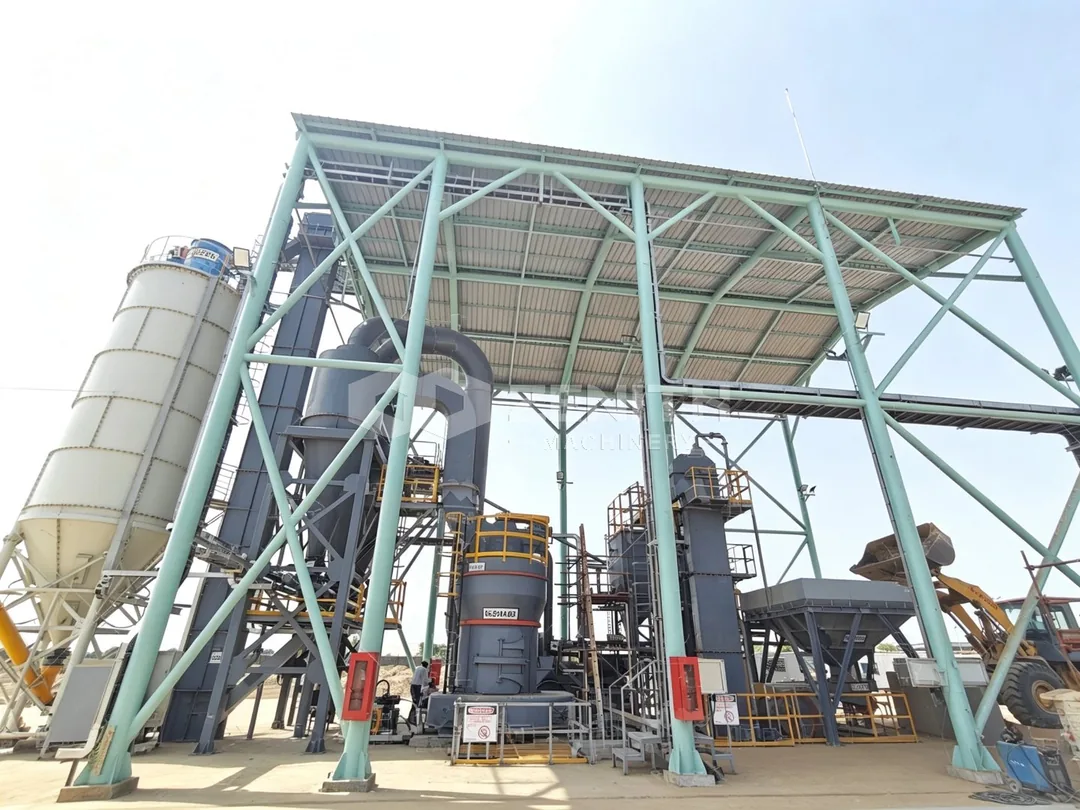
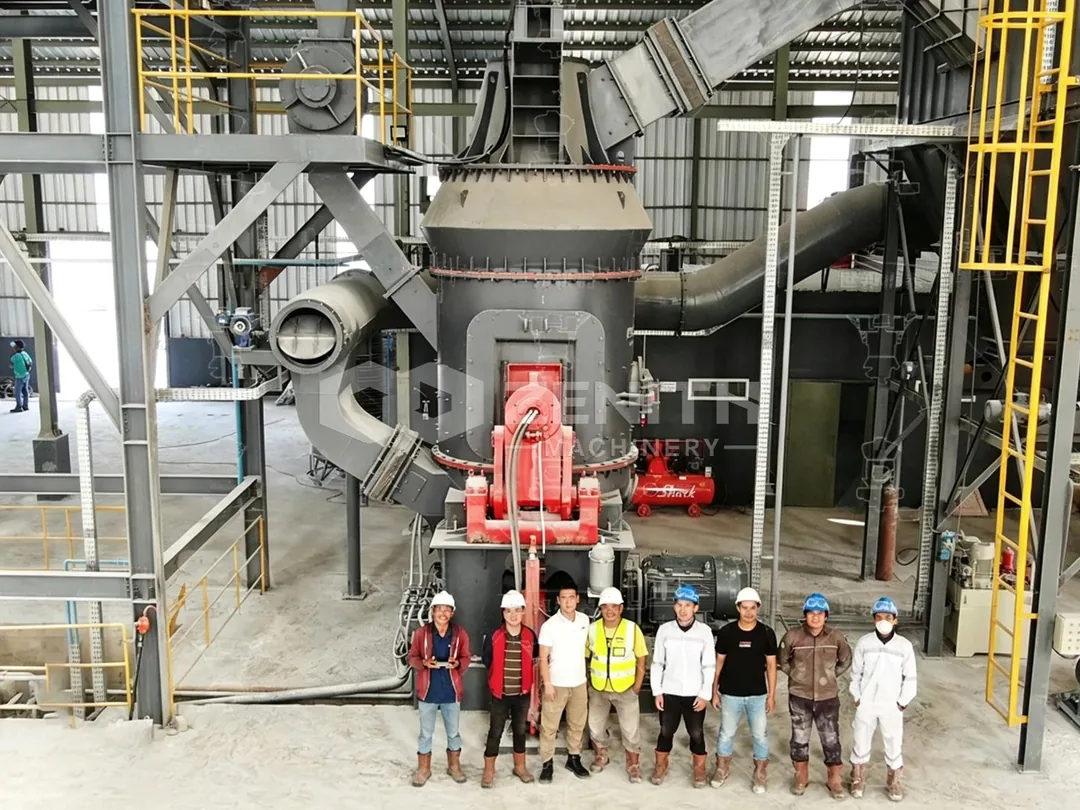
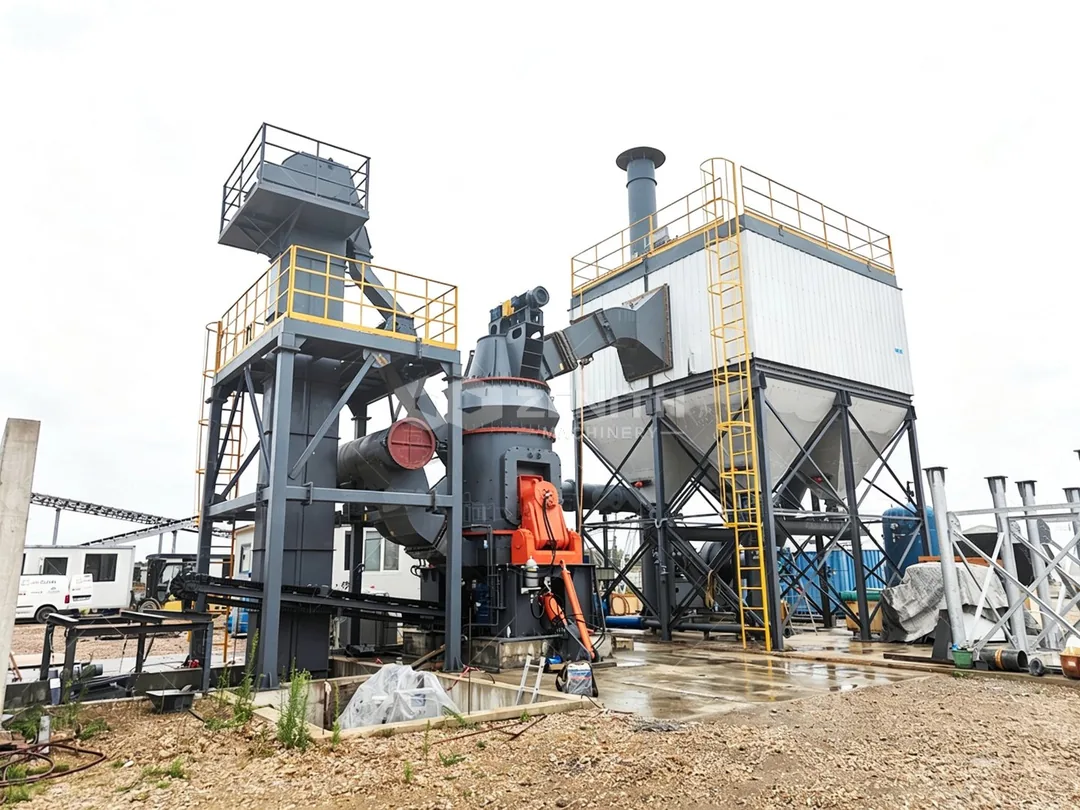
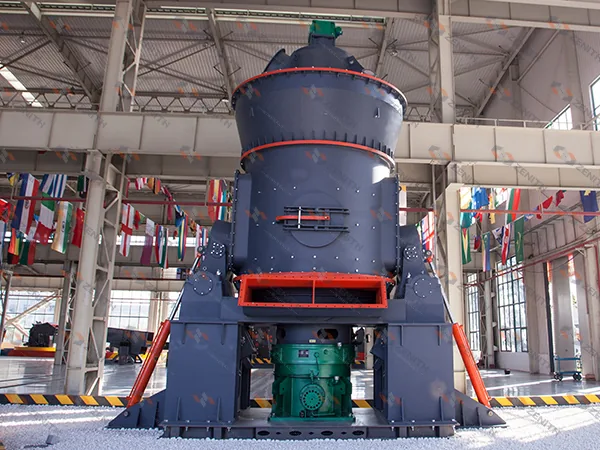
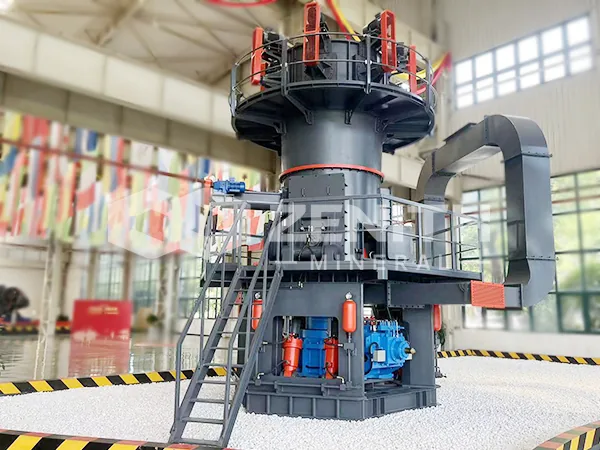
The indonesian tuff and volcanic rock grinding project produces 325-mesh powder, which is used in the building materials industry.
2026-02-10 17:56:02
In the dynamic landscape of the global building materials industry, the demand for high-quality, consistently fine mineral powders is a constant driver of innovation. A prime example of this is a significant project in Indonesia, focusing on the processing of locally abundant tuff and volcanic rock into premium 325-mesh powder. This specific fineness is crucial for applications in construction materials, where it enhances properties like strength, durability, and workability in products such as specialty cements, plasters, and composite panels.
The project's core challenge was to identify grinding technology that could handle the abrasive and sometimes variable nature of volcanic materials while delivering precise particle size control, high throughput, and operational economy. After extensive evaluation, the project engineers selected grinding solutions from Shanghai Zenith Machinery Co., Ltd., a hi-tech engineering group renowned for its specialized research, development, and production of industrial powder grinding equipment.
_1770717362144.jpg)
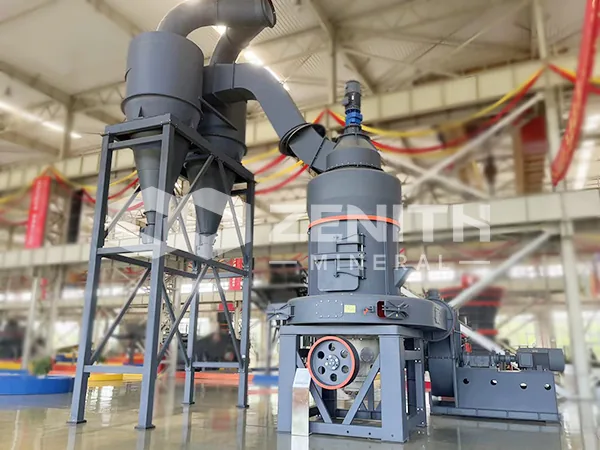
For the production of 325-mesh powder, two of Zenith's flagship series were particularly relevant: the MTW European Trapezium Mill and the MTM European Trapezium Mill. Both are celebrated for their stability and practicality in the 80-400 mesh range, making the target 325-mesh output well within their optimized performance envelope. A key deciding factor was their remarkable energy efficiency. As confirmed by Zenith's technical data, these trapezium mills consume over 60% less energy than traditional ball mills of the same grade under ideal conditions. In an industry where energy costs are a major operational expenditure, this advantage translates directly into a superior return on investment.
Furthermore, the project benefited from the mills' integrated design philosophy. Both the MTW and MTM series feature a complete production system from bulk material to finished powder, requiring less investment in auxiliary plant structures and foundations. Their modular impeller adjustment device allows for flexible fineness control, enabling the operators to fine-tune the output between 80-400 mesh as needed, with 325 mesh being a standard and easily achievable setting. The high-efficiency impeller fan, which boosts air induction efficiency from 62% to 85%, ensures efficient material classification and system airflow, contributing to stable product quality.
_1770717362150.jpg)
While the trapezium mills were ideal for this specific fineness, Zenith's broader portfolio offered scalability for future expansion. For instance, the LM Vertical Grinding Mill, with its high degree of automation and capacity for 24-hour constant running, presents an option for large-scale mineral powder plants seeking maximum uptime. For applications requiring even finer powders, the XZM Ultrafine Grinding Mill can produce powder from 325 mesh up to an impressive 3250 mesh, showcasing the company's technological range from fine to micro-powder processing.
The Indonesian project underscores a critical trend: the move towards intelligent, efficient, and environmentally conscious grinding. Zenith's equipment, certified to ISO, EU CE, and CU-TR standards, operates under negative pressure with integrated pulse dust collectors, ensuring the production process meets stringent environmental regulations—a non-negotiable aspect of modern industrial projects. The successful deployment of this technology not only provides the local building materials sector with a superior raw material but also demonstrates how advanced engineering can transform abundant natural resources into high-value industrial products.
_1770717362154.jpg)
Frequently Asked Questions (FAQs)
- What is the primary advantage of using an MTW/MTM Trapezium Mill over a traditional ball mill for a 325-mesh project?
The most significant advantage is energy savings. Zenith's MTW and MTM series trapezium mills demonstrate over 60% lower energy consumption compared to ball mills of the same capacity, drastically reducing long-term operational costs. - Can the grinding fineness be adjusted after installation, and how is it done?
Yes, fineness is easily adjustable. Both MTW and MTM mills utilize a modular impeller adjustment device. By changing or adjusting the impellers in the powder classifier, the output fineness can be modified within the range of 80-400 mesh without major system overhaul. - Is the system environmentally friendly regarding dust emission?
Absolutely. The grinding systems are designed to operate under negative pressure and are equipped with high-efficiency pulse dust collectors. This sealed design prevents dust spillage, ensuring the production site remains clean and complies with international environmental standards. - What kind of after-sales support does Zenith provide for such international projects?
With a marketing network covering over 180 countries and regions and overseas offices in more than 30 countries, Zenith provides localized technical support, spare parts supply, and operational training to ensure the grinding system runs smoothly throughout its lifecycle. - Beyond 325-mesh, what options exist for producing even finer powders from similar materials?
For ultrafine grinding requirements, Zenith offers the XZM Ultrafine Grinding Mill (325-3250 mesh) and the LUM Ultrafine Vertical Mill (325-2500 mesh). These are ideal for high-value applications where superfine particle size is critical. - How does the system handle the feeding and processing of raw volcanic rock, which can be abrasive?
The grinding rollers and rings in Zenith's mills are manufactured from high-quality, wear-resistant materials. Additionally, the system design includes pre-crushing stages to reduce feed size, and the robust construction of the grinding chamber is engineered to withstand abrasive materials, ensuring long service life and consistent output.