A calcium company's calcium carbonate powder production project has a capacity of 3.5 t/h, with a finished product fineness of 10 microns, which is used as an industrial filler.
2026-03-02 02:24:01
In the competitive landscape of industrial fillers, consistency, purity, and precise particle size are non-negotiable. A calcium company seeking to establish or upgrade a production line for high-quality calcium carbonate powder, targeting a capacity of 3.5 tons per hour with a finished product fineness of 10 microns, requires more than just equipment—it demands a reliable, efficient, and technologically advanced system. This project represents a significant undertaking where the choice of grinding technology directly impacts product quality, operational costs, and long-term profitability.
Shanghai Zenith Machinery Co., Ltd., with its decades of specialization in industrial powder grinding, understands these critical parameters. Our engineering philosophy is built on providing tailored solutions that bridge the gap between raw material potential and market-ready product specifications. For a project of this caliber—producing fine industrial filler at 10 microns (approximately 1250 mesh)—the selection process narrows to ultrafine grinding technologies known for their precision and energy efficiency.
_1772389441768.jpg)
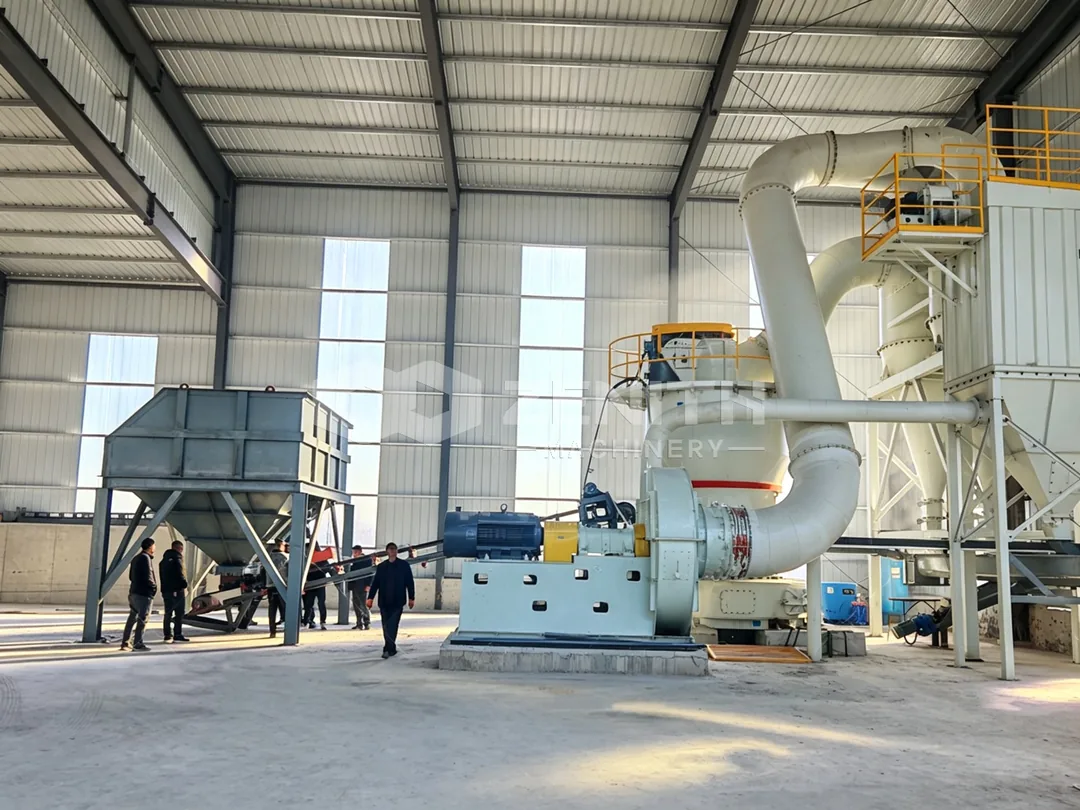
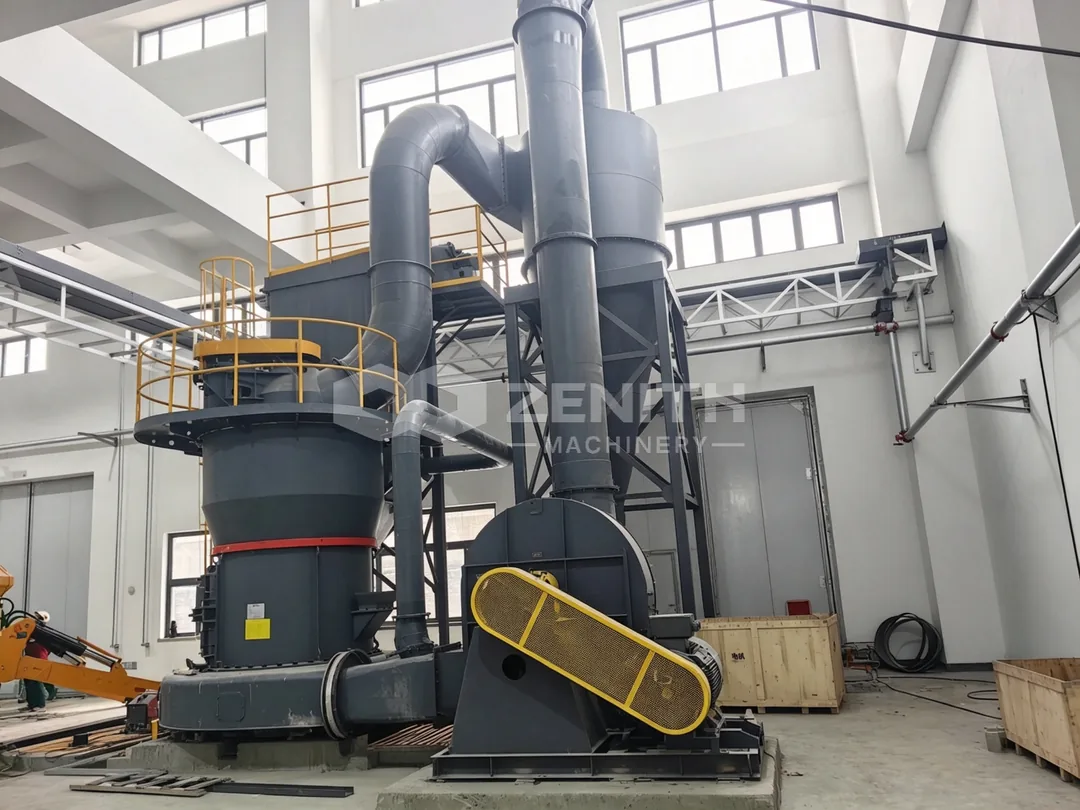
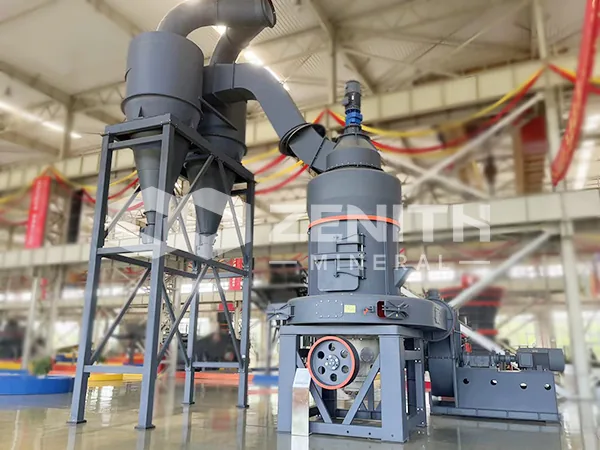
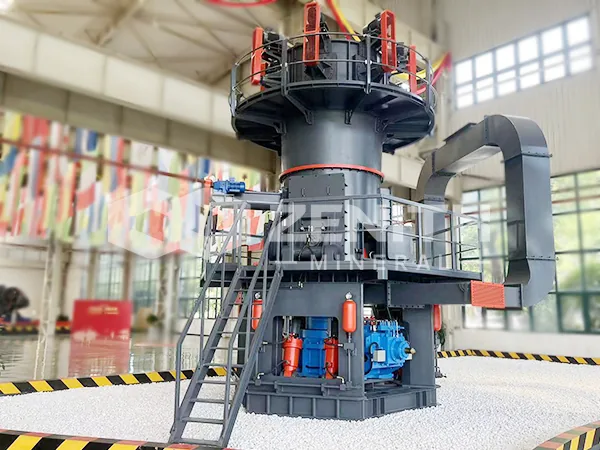
While several mills in our portfolio handle fine powders, two models stand out as optimal candidates for this specific 3.5 t/h, 10-micron application: the XZM Ultrafine Grinding Mill and the LUM Ultrafine Vertical Grinding Mill. The XZM series is renowned for its ability to produce powder in the range of 325 to 3250 mesh (D97 < 5 microns) in a single classification step. Its simple internal structure minimizes downtime, and the Variable Frequency Drive (VFD) on the classifier allows for precise, electronic adjustment of the final fineness directly from the control panel—a perfect match for maintaining a strict 10-micron standard.
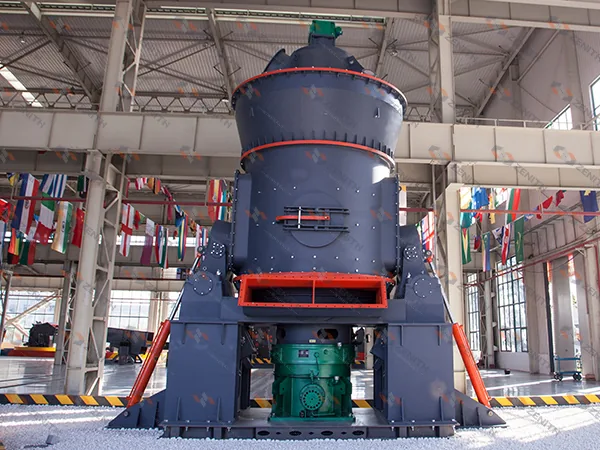
The LUM Ultrafine Vertical Mill represents the pinnacle of integrated grinding technology. Combining powder grinding, separation, and transportation into one streamlined system, it is specifically engineered for high-end processing in industries like plastics, PVC, and artificial stone—common applications for calcium carbonate fillers. Its energy consumption is 30%-50% lower than conventional mills, and its sealed, negative-pressure operation ensures an environmentally friendly process with no dust spillage, crucial for maintaining product purity and plant cleanliness.
_1772389441771.jpg)
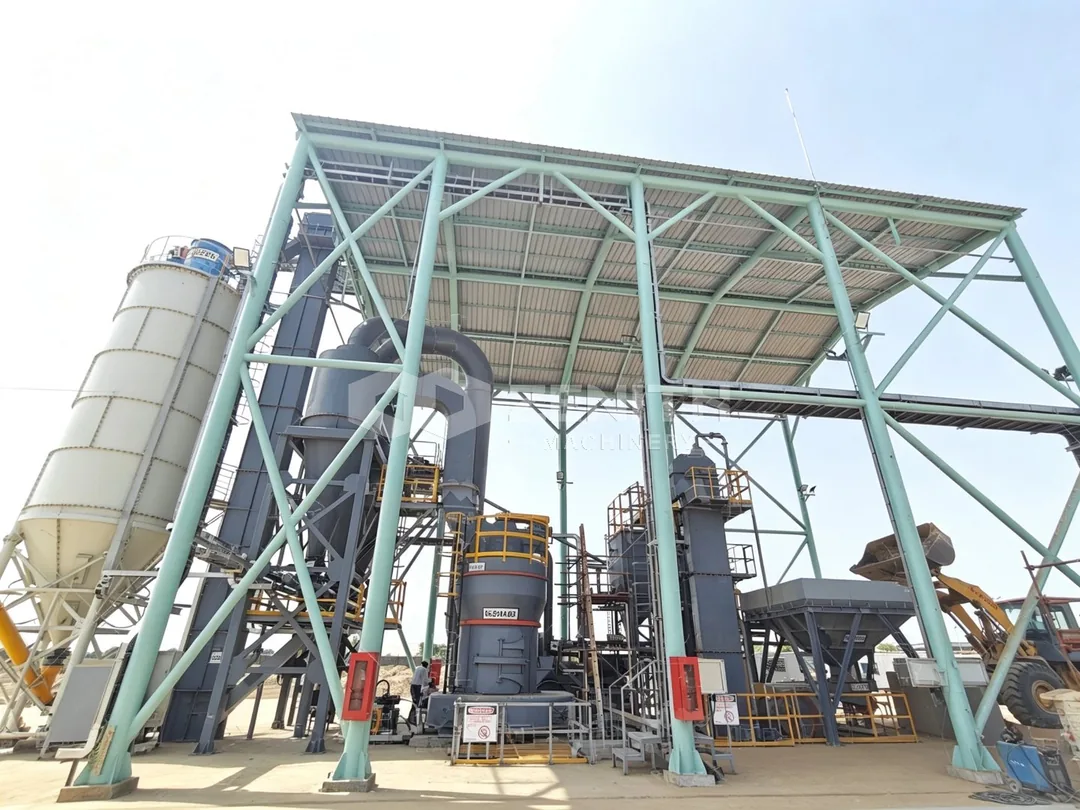
Beyond the core mill, a successful production line is a symphony of coordinated components. Zenith's systems are designed as complete packages. For this project, the process would typically begin with pre-crushed calcium carbonate (≤20mm) being fed via a variable frequency or electromagnetic feeder. The grinding chamber then works its magic: in the XZM, material is crushed on a turntable by grinding rollers; in the LUM, a grinding disc and rollers create inter-particle crushing in a material bed. The ground powder is carried by an induced airflow—boosted by high-efficiency impeller fans with up to 85% efficiency—into an advanced powder classifier.
This classification stage is critical for achieving 10-micron fineness. Here, precise airflow and rotor speed separate particles. Qualified fine powder proceeds to cyclone powder collectors and pulse dust collectors for product recovery, while oversized particles are returned for re-grinding. The entire system operates under controlled negative pressure, ensuring high collection rates and compliance with stringent environmental standards.
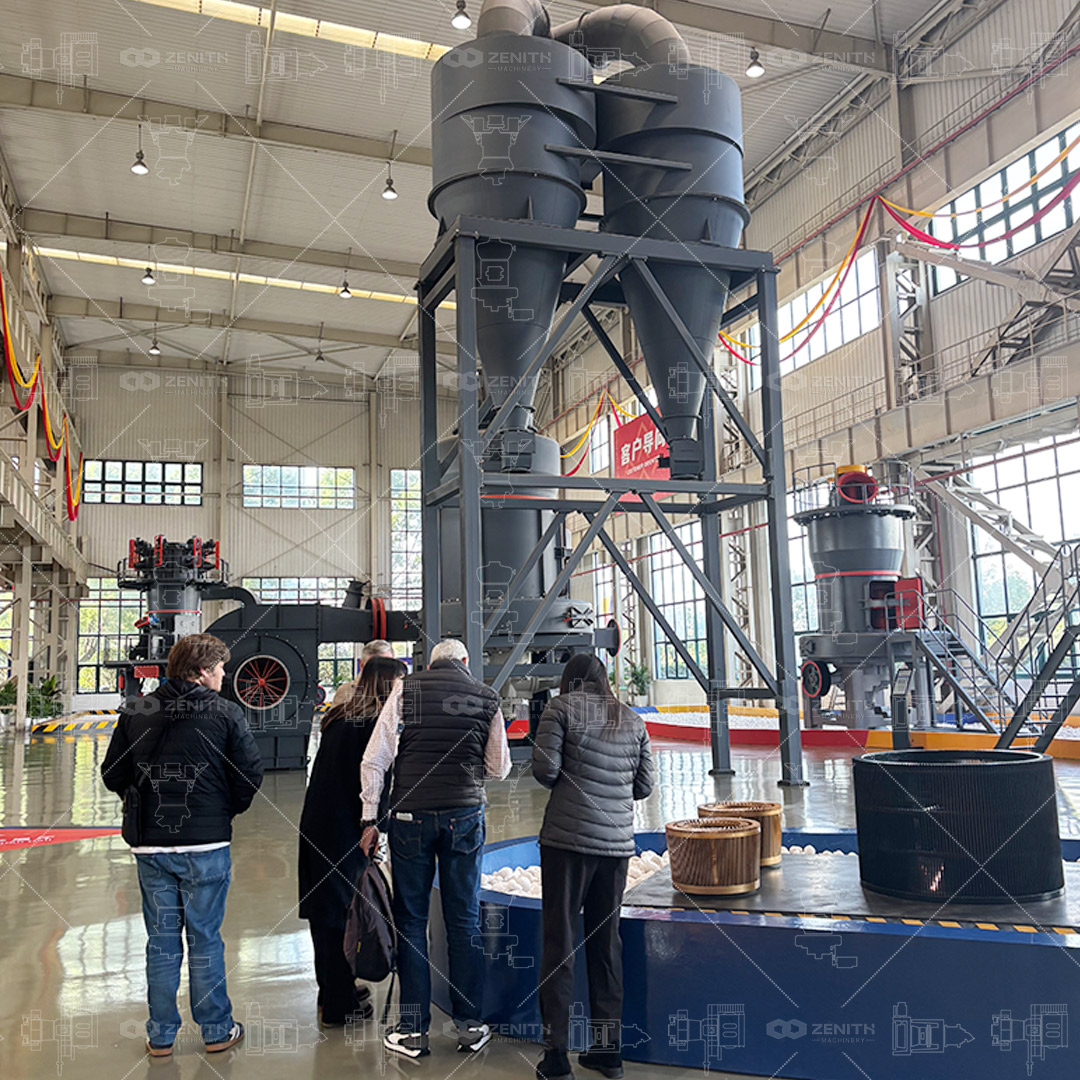
The advantages of partnering with Zenith for such a project are manifold. Our equipment carries international certifications like ISO, CE, and CU-TR, providing a global assurance of quality. The 60% lower energy consumption compared to traditional ball mills translates directly into substantial operational savings. Furthermore, the compact and integrated design of our vertical and ultrafine mills requires less occupied area and foundation investment, reducing the project's overall footprint and civil engineering costs.
Ultimately, a 3.5 t/h calcium carbonate filler line is an investment in future market leadership. By leveraging Zenith's proven grinding technology, companies gain not just a machine, but a reliable production partner. We deliver a system engineered for stable performance, exceptional product purity, and the flexibility to adapt to future market demands, ensuring that every ton of 10-micron powder meets the highest industrial standards.
_1772389441774.jpg)
Frequently Asked Questions (FAQs)
- What is the primary advantage of using an XZM or LUM mill over a traditional ball mill for 10-micron calcium carbonate production?
The key advantages are dramatically higher energy efficiency (40-70% less consumption), precise particle size control through advanced classification, a more compact footprint, and a fully enclosed, dust-free operation that ensures higher product purity. - Can the system handle variations in the hardness or moisture content of the raw calcium carbonate?
Yes. Zenith's grinding mills, particularly the vertical roller and ultrafine models, are designed with robust construction and adjustable operational parameters (like grinding pressure and fan speed) to adapt to reasonable variations in material properties while maintaining consistent output fineness. - How is the 10-micron fineness precisely controlled and maintained during continuous operation?
Fineness is primarily controlled by the integrated powder classifier. In models like the XZM, the classifier rotor speed is adjusted via a VFD on the control panel. The system continuously monitors and recirculates oversize particles, ensuring a stable and uniform product size distribution. - What kind of after-sales support and service does Zenith provide for such a production line?
With overseas offices in over 30 countries and a network covering 180+ regions, Zenith provides comprehensive support including installation supervision, operator training, readily available spare parts, and remote technical assistance to ensure minimal downtime. - Is the production process environmentally friendly?
Absolutely. The grinding system operates under negative pressure and is equipped with high-efficiency pulse jet dust collectors. This design contains all dust within the system, resulting in clean plant operations and emissions that meet international environmental standards. - What is the typical delivery and installation timeline for a complete 3.5 t/h system?
The timeline varies based on specific configuration and location. Generally, after order confirmation, delivery of major equipment occurs within the agreed period, followed by several weeks for installation and commissioning under the guidance of Zenith's engineers. - Can the production capacity be increased in the future if demand grows?
Zenith's modular design philosophy allows for some scalability. While the core mill has an optimal capacity range, system components like feeders and collectors can often be sized with future expansion in mind. Consulting with Zenith engineers during the initial design phase is recommended for planning potential future upgrades.