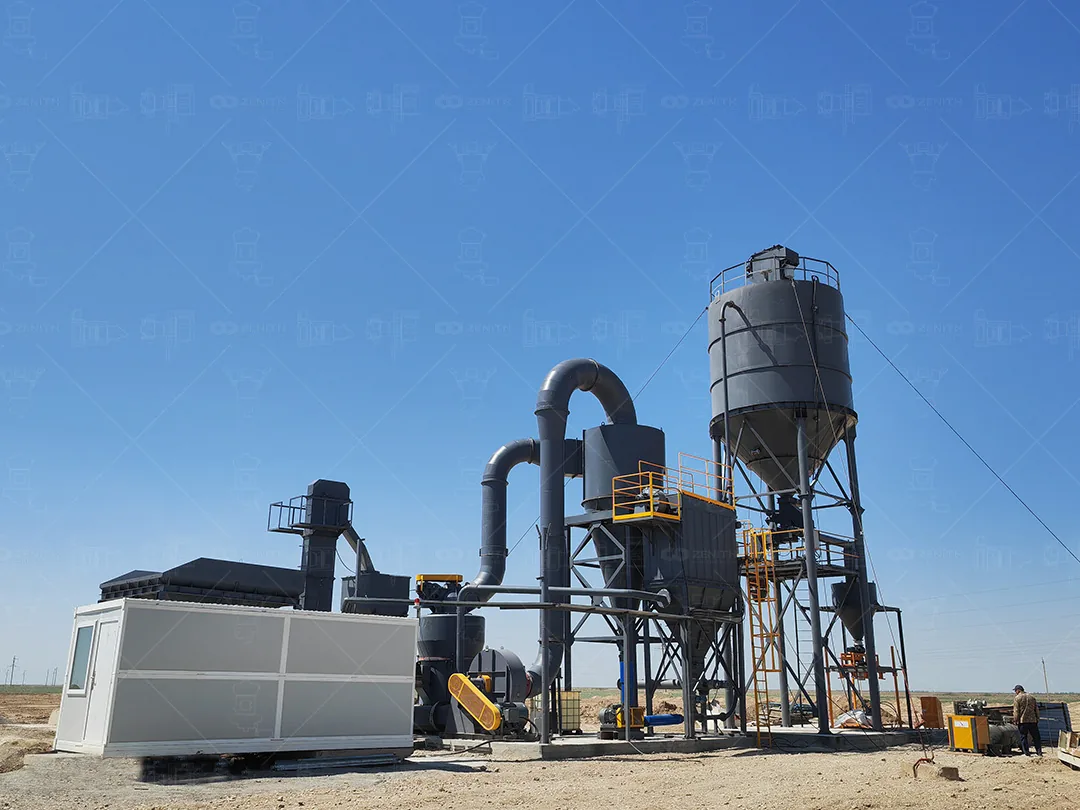
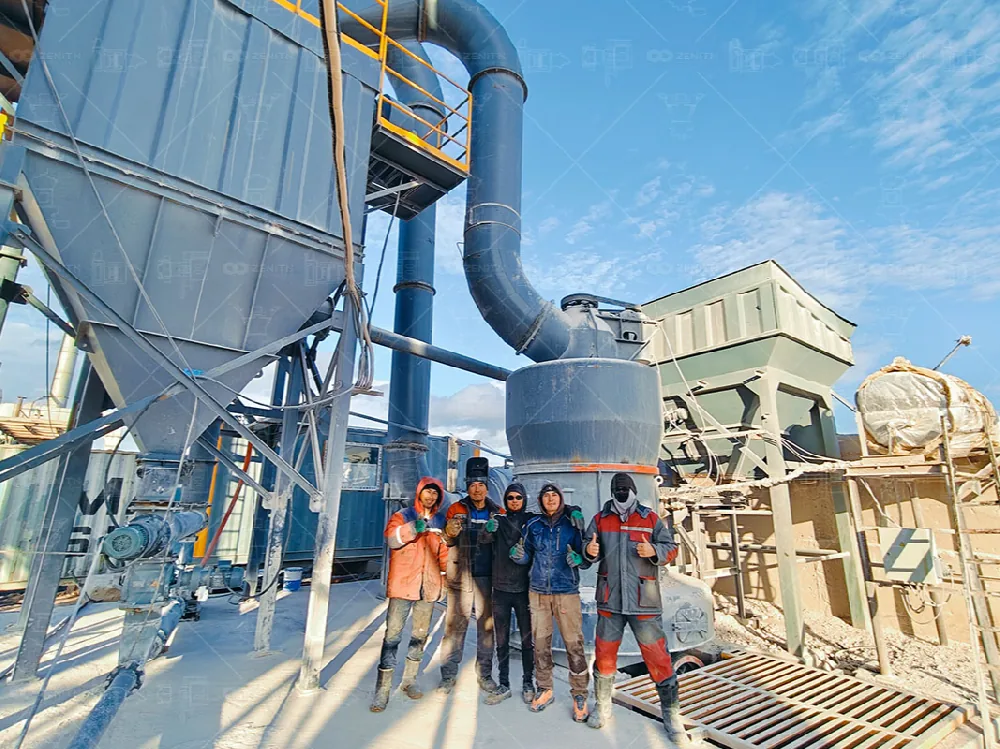
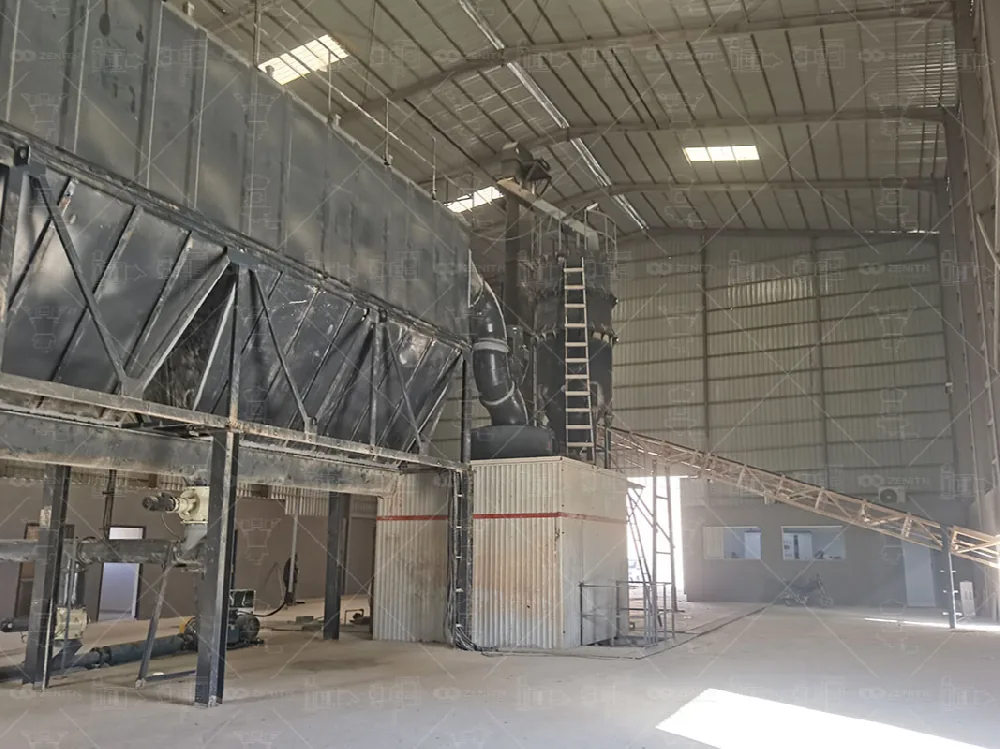
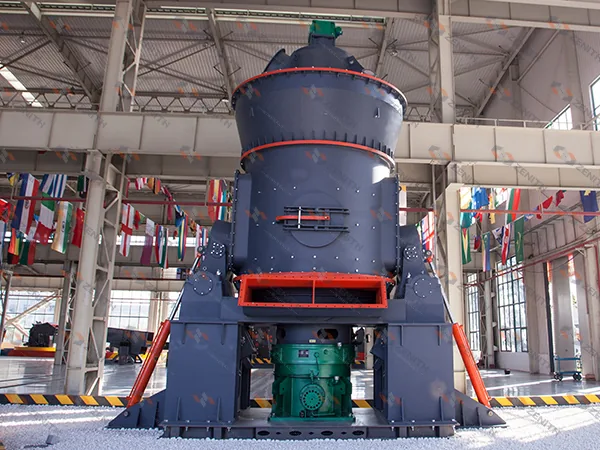
The finished product of the bituminous coal pulverizer is 200 mesh and is used in thermal boilers.
2026-01-23 00:57:41
In the demanding world of thermal power generation, efficiency is not merely a goal—it is an economic and operational imperative. The combustion process within a boiler is profoundly influenced by the quality of its fuel feedstock, specifically the fineness and consistency of pulverized coal. A product ground to a precise 200-mesh specification represents a critical sweet spot, enabling near-complete combustion, maximized heat release, and minimized unburned carbon and harmful emissions. For plant operators, selecting the right pulverization technology to reliably achieve this specification is a decision with far-reaching consequences for plant performance and bottom-line profitability.
Shanghai Zenith Machinery Co., Ltd., a hi-tech engineering group specializing in industrial powder grinding, has long understood this intricate relationship between particle size and thermal efficiency. Our research and development are driven by the precise needs of industries like power generation, where marginal gains in combustion translate into significant operational savings. With a product range capable of processing materials from 1-3mm coarse powder to an ultra-fine 3250 mesh, and backed by international certifications including ISO, CE, and CU-TR, our solutions are engineered for global reliability. _1769101061147.jpg)
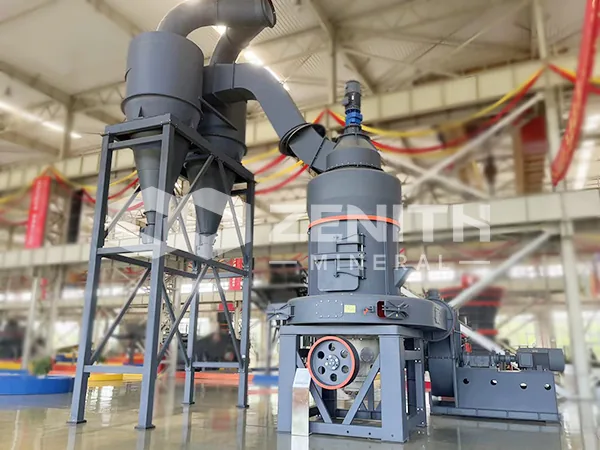
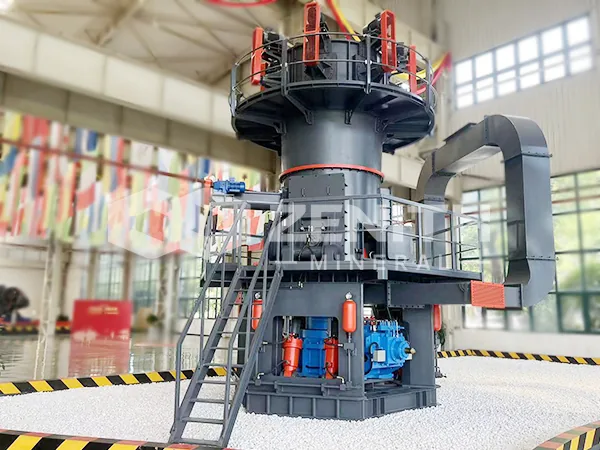
For the specific task of producing 200-mesh bituminous coal, several Zenith grinding mills offer distinct advantages. The MTW European Trapezium Mill stands out as a premier choice. Designed for high-capacity fine powder production (30-325 mesh), its robust construction ensures stable, continuous operation vital for boiler feed. A key benefit is its remarkable energy efficiency, consuming over 60% less power than a traditional ball mill of equivalent output. This directly reduces the parasitic load of the grinding circuit on the plant's own power supply. Furthermore, its modular impeller adjustment allows operators to fine-tune the output fineness around the 200-mesh target with ease, adapting to variations in coal feedstock without compromising product quality.
_1769101061151.jpg)
Similarly, the LM Vertical Grinding Mill presents a compelling solution, particularly for large-scale operations prioritizing automation and footprint efficiency. Its integrated design occupies about 50% less space than a ball mill system and is built for 24/7 constant running. The fully automated control system allows for remote monitoring and operation, reducing labor costs and human error. For coal grinding, its sealed, negative-pressure operation is a significant environmental safeguard, preventing dust spillage and ensuring a cleaner, safer plant environment. The ability to control product size and consistency with high precision makes it ideal for maintaining the strict 200-mesh specification required for optimal boiler flame stability and heat transfer.
The classic Raymond Mill (High-pressure Grinding Mill) remains a trusted and cost-effective workhorse for mineral and coal preparation. Zenith's upgraded models offer exceptional screening efficiency, with up to 99% of the final product passing the target mesh screen. This ensures a uniform particle size distribution where the majority of particles are at or near 200-mesh, eliminating inefficient coarse particles that can lead to slagging and incomplete combustion. Its intelligent control system further streamlines operation, contributing to lower overall lifecycle costs. 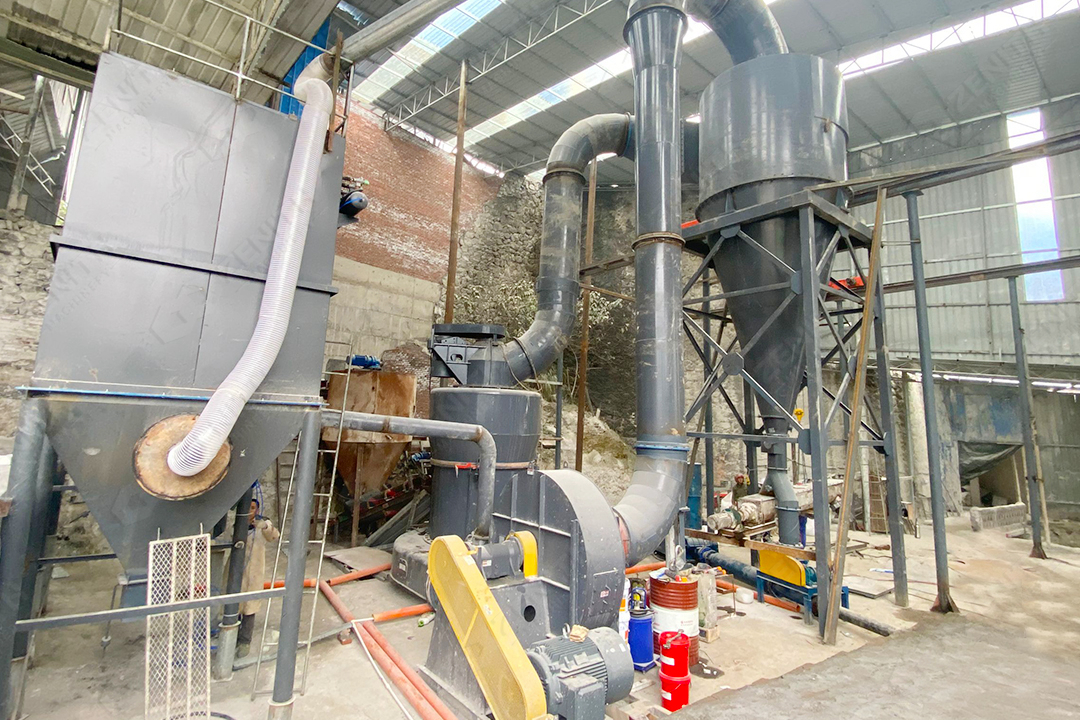
The journey from raw bituminous coal to a perfectly combusted fuel begins with effective pulverization. In both the MTW and LM mills, the working principle ensures a closed-loop, efficient process. Crushed coal is fed into the grinding chamber where rollers or rollers and a disc apply pressure and shear force. The ground material is then pneumatically transported to an integrated high-efficiency classifier. Here, particles meeting the 200-mesh fineness are extracted as final product, while oversized particles are swiftly returned for regrinding. This internal classification loop is key to achieving a tight particle size distribution and high system efficiency.
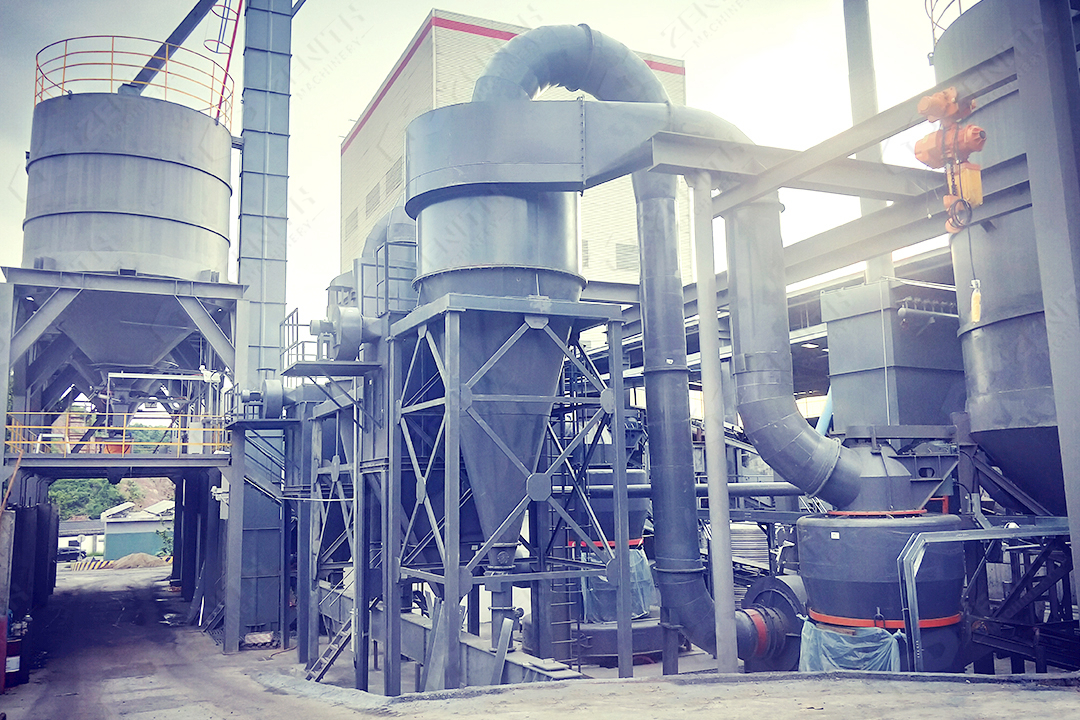
Ultimately, investing in advanced pulverization technology from a proven partner like Zenith is an investment in the entire thermal generation process. Delivering a consistent 200-mesh product leads to more stable boiler operation, higher steam temperatures, reduced maintenance due to slagging and erosion, and compliance with increasingly stringent emission standards. It transforms raw coal into a highly reactive, efficient fuel, unlocking the maximum potential energy stored within every ton. In an industry where optimization is continuous, the grinding mill is not just auxiliary equipment; it is a core component of modern, efficient, and responsible power generation. _1769101061161.jpg)
Frequently Asked Questions (FAQs)
- Why is 200-mesh considered an optimal fineness for bituminous coal in thermal boilers?
A 200-mesh fineness (approximately 74 microns) provides an ideal surface-area-to-mass ratio. This allows for rapid ignition, complete combustion before the particles exit the flame zone, higher heat release rates, and minimal unburned carbon in ash, leading to superior boiler efficiency and lower emissions. - How does the energy consumption of Zenith's MTW/MTM mills compare to traditional ball mills for this application?
Under ideal working conditions, our MTW and MTM European Trapezium Mills demonstrate energy savings exceeding 60% compared to ball mills of the same grade and output. This drastically reduces the operating cost of the pulverization circuit. - Can your mills handle variations in the hardness or moisture content of bituminous coal?
Yes. Our grinding mills, particularly the LM Vertical Mill and MTW Series, are designed with robust construction and adjustable operational parameters (such as grinding pressure and classifier speed) to adapt to reasonable fluctuations in material properties and maintain consistent 200-mesh output. - What measures are in place to ensure environmental compliance during the coal grinding process?
Our systems, especially the LM and LUM vertical mills, operate under fully sealed, negative-pressure conditions. They are equipped with high-efficiency pulse jet bag dust collectors, ensuring no dust spillage, low noise, and full compliance with national and international environmental protection standards. - Is it possible to adjust the output fineness if my boiler requirements change?
Absolutely. Mills like the MTW, MTM, and XZM series feature easily adjustable classification systems. For instance, by changing impellers or adjusting the classifier rotor speed via a VFD, the product fineness can be modified within a wide range (e.g., from 80 mesh to 400 mesh) to meet changing operational demands. - What kind of after-sales support and service network does Zenith offer for global clients?
With a marketing network covering over 180 countries and regional offices in more than 30, Zenith provides comprehensive technical support, installation guidance, operator training, and readily available spare parts services to ensure minimal downtime and long-term reliability of your equipment.