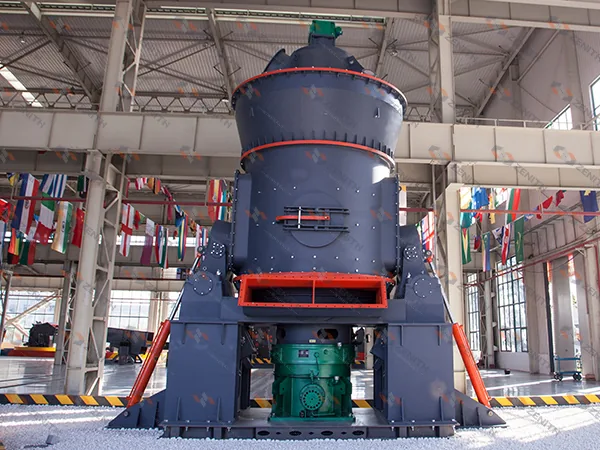
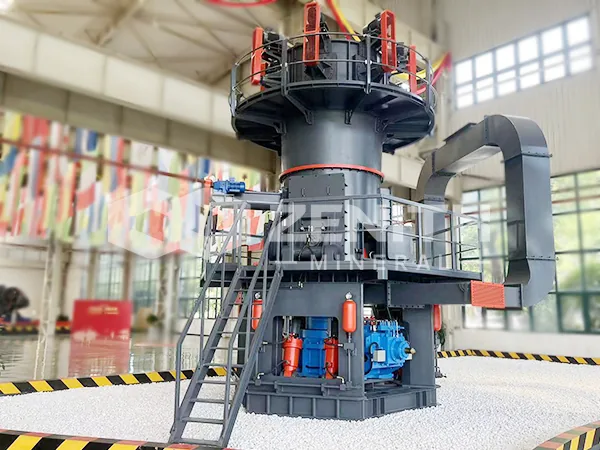
Lm vertical roller mill for spodumene roasting feed powder production project of a lithium carbonate company in nigeria
2026-01-22 17:56:41
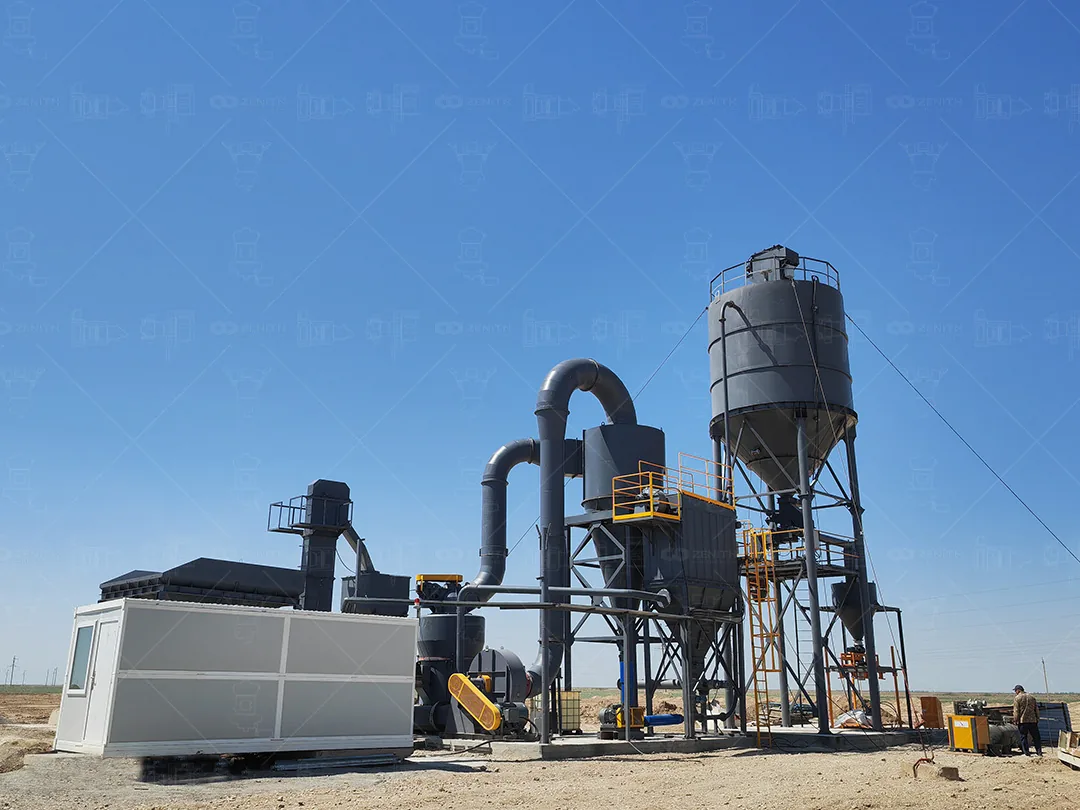
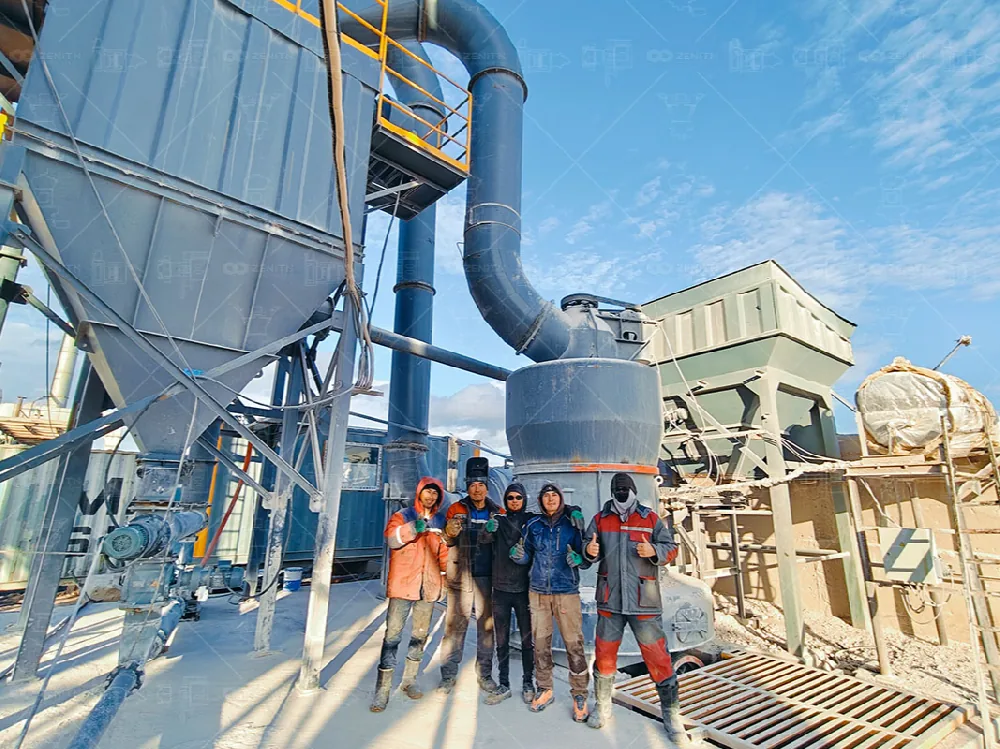
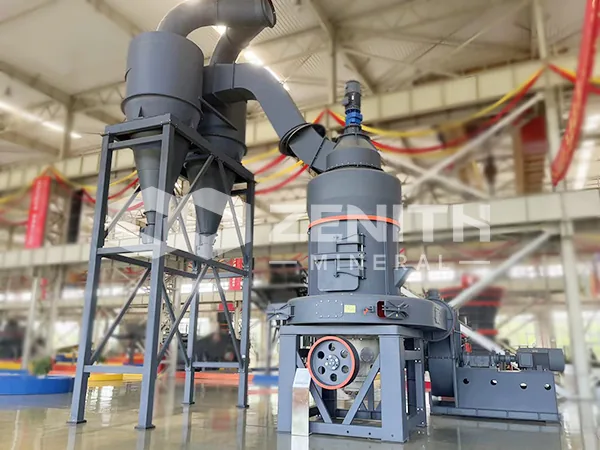
In the burgeoning lithium extraction landscape of West Africa, a pioneering lithium carbonate company in Nigeria is setting new benchmarks for efficiency and sustainability. A critical phase in their production chain—the preparation of finely ground feed powder for the spodumene roasting process—demands equipment that is not only robust and reliable but also exceptionally precise and energy-conscious. For this pivotal application, the project engineers have selected the LM Vertical Roller Mill (VRM) from Zenith, a decision underpinned by the mill's proven capabilities in handling hard, abrasive minerals like spodumene with superior operational and economic advantages.
_1769075801920.jpg)
The transition from raw, crushed spodumene ore to a uniformly fine powder suitable for efficient roasting is a transformative step. The LM Vertical Roller Mill excels here, processing feed sizes up to 70mm and delivering a consistent output fineness between 80-400 mesh. This precise control over particle size distribution is paramount for the subsequent roasting stage, as it ensures optimal heat transfer and reaction kinetics, directly influencing lithium recovery rates and overall process stability. The mill's integrated drying capability, utilizing hot air from process waste heat or auxiliary heaters, allows for simultaneous grinding and drying of the ore, streamlining the production line significantly.
Beyond product quality, the project's viability in a competitive market hinges on operational expenditure and footprint. The LM Vertical Roller Mill offers a compelling value proposition. Its compact, integrated design occupies approximately 50% of the space required by a traditional ball mill system, allowing for a more efficient plant layout and potentially reducing civil construction costs. More critically, its energy efficiency is transformative. By employing a bed crushing principle rather than impact or attrition, the LM VRM consumes over 60% less energy than a ball mill of equivalent output. For a continuous, high-capacity operation targeting up to 340 tons per hour, this translates into massive, long-term savings on power, a key consideration in any industrial setting.
_1769075801922.jpg)
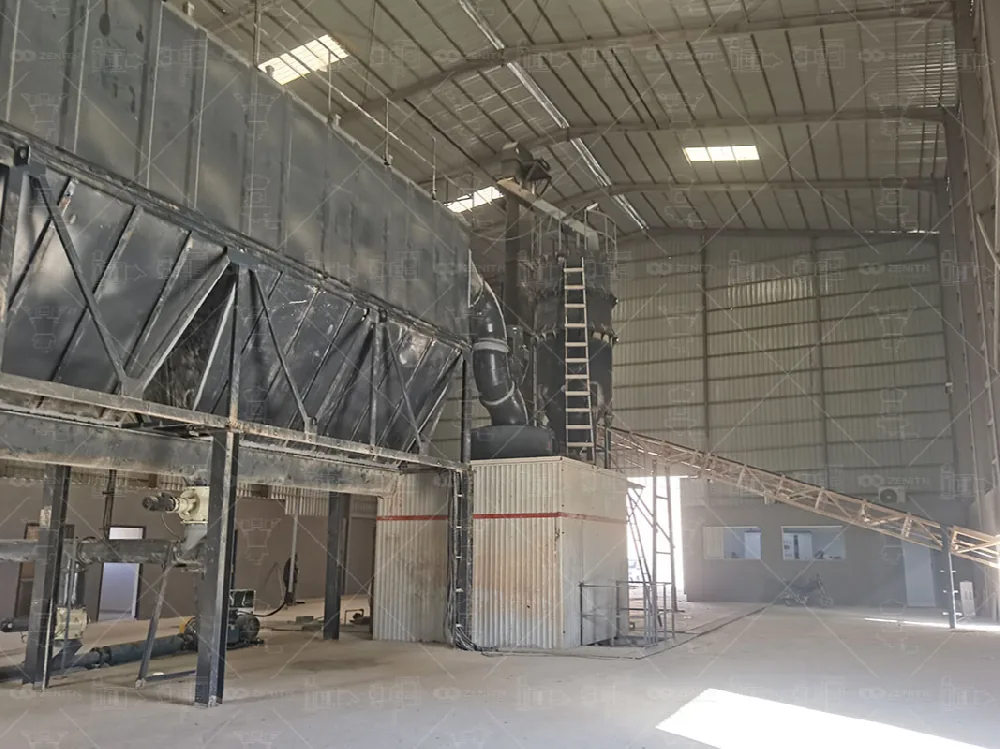
Reliability and ease of operation are non-negotiable for a 24/7 mineral processing plant. The LM mill is engineered for continuous, stable running with a high degree of automation. Its control system enables seamless remote monitoring and operation, reducing labor intensity and the potential for human error. The system operates under negative pressure, which, combined with an efficient pulse dust collector, ensures a clean, dust-free workshop that meets stringent environmental and occupational health standards. Furthermore, the mill's design allows for effective control over iron contamination—a crucial factor in maintaining the purity of the lithium intermediate product—by efficiently separating and discharging tramp metal during operation.
For the Nigerian project, the choice of grinding technology extends beyond mere particle size reduction. It is a strategic investment in the plant's backbone. The LM Vertical Roller Mill provides the foundational stability required for the roasting circuit: a constant, high-volume supply of on-specification feed powder with minimal energy input and operational hassle. This reliability ensures downstream processes can operate at their designed efficiency, maximizing the overall yield of high-purity lithium carbonate. Zenith's global support network, with a presence in over 180 countries, provides the assurance of technical expertise and spare parts availability, safeguarding the project's long-term productivity.
_1769075801924.jpg)
Frequently Asked Questions (FAQs)
- Why is a Vertical Roller Mill preferred over a Ball Mill for spodumene grinding in this application?
The LM VRM offers significantly higher energy efficiency (over 60% savings), a smaller footprint, integrated drying capability, and better control over product fineness and iron content, which are critical for the subsequent roasting process. - What is the typical output fineness range for the LM Mill, and can it be adjusted?
The LM Vertical Roller Mill can produce powder in the range of 80 to 400 mesh. The fineness is easily adjustable through the integrated dynamic classifier, allowing operators to dial in the exact particle size distribution required for optimal roasting. - How does the LM Mill handle the abrasive nature of spodumene ore?
Key wear parts like grinding rollers and the table liner are made from high-chromium or composite wear-resistant materials. The mill's design also allows for hydraulic system adjustments to maintain grinding pressure and for easy maintenance or replacement of these components. - Can the LM Mill operate with varying moisture content in the feed material?
Yes. The LM VRM is equipped with an integrated hot air system that can dry materials with a certain moisture content during the grinding process, making it suitable for a wide range of feed conditions without requiring a separate dryer. - What are the key environmental benefits of using the LM Vertical Roller Mill?
The mill operates in a fully sealed, negative-pressure system, preventing dust emissions. It also features low noise levels and high energy efficiency, contributing to a more sustainable and environmentally friendly production line. - What level of automation does the LM Mill offer for remote operation?
It is equipped with a comprehensive automatic control system that enables full remote monitoring and operation, including start/stop sequences, fineness adjustment, and real-time tracking of operational parameters like pressure and temperature.