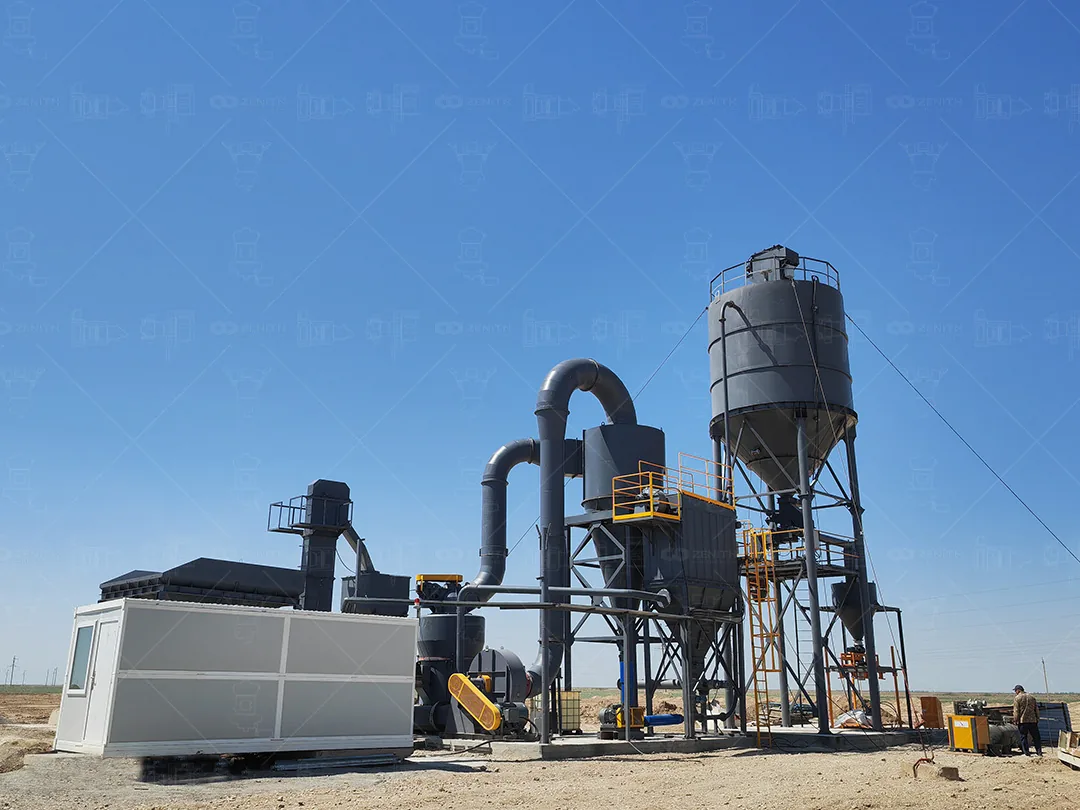
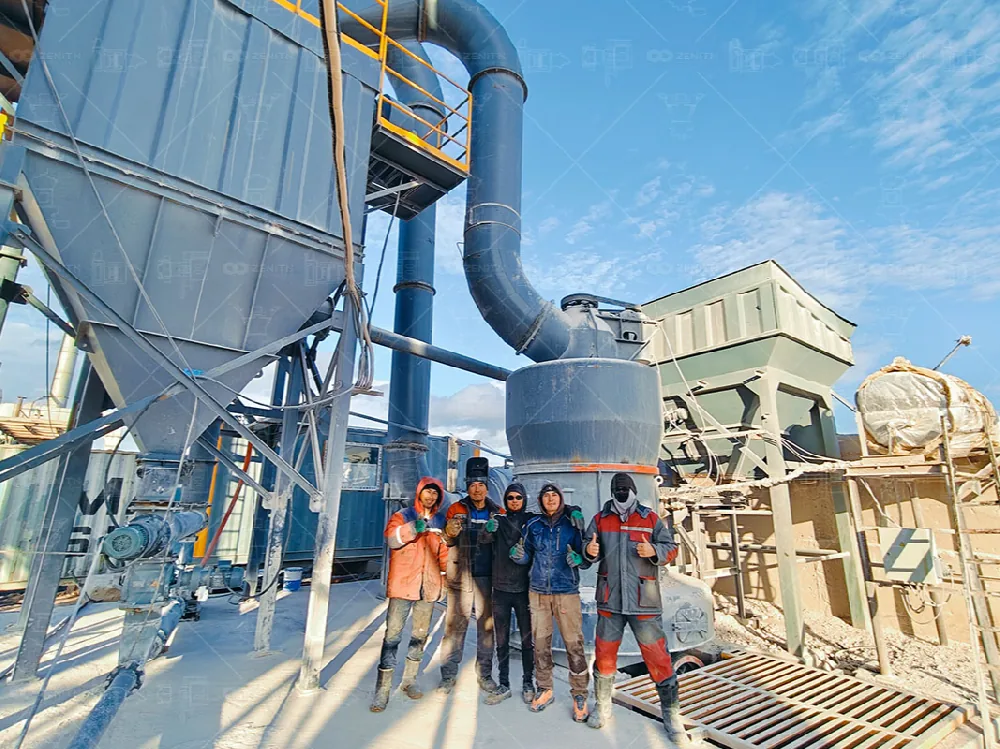
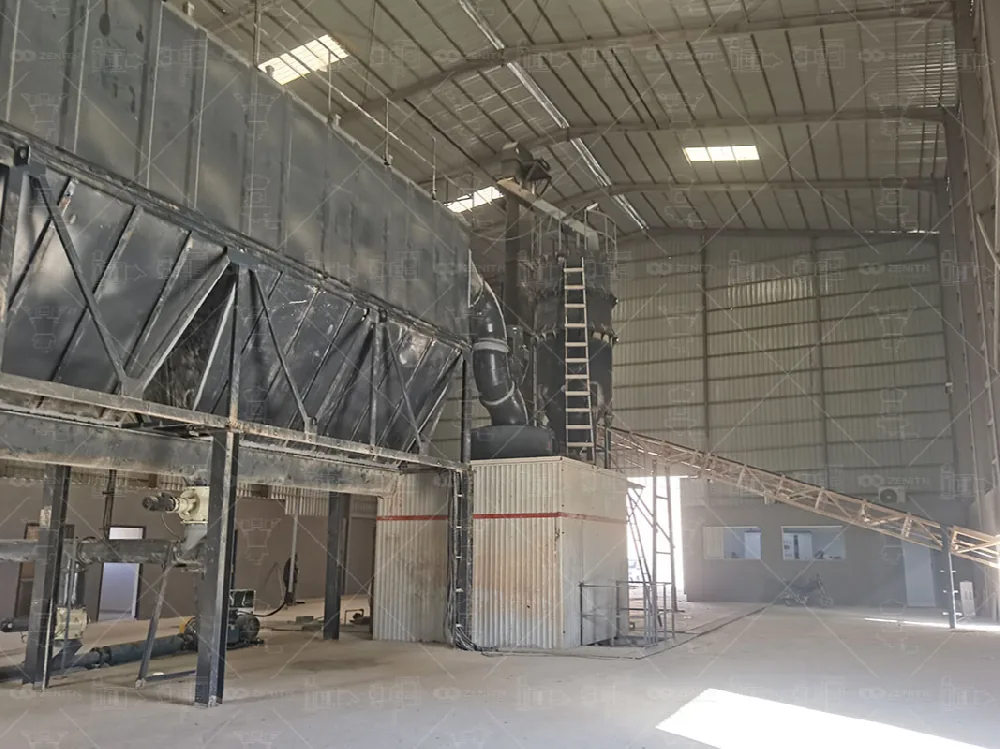
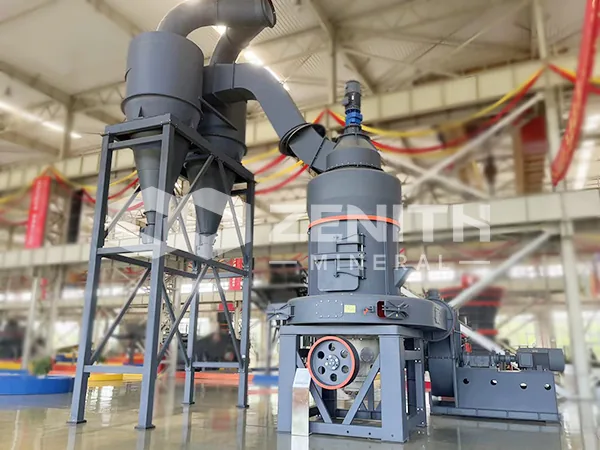
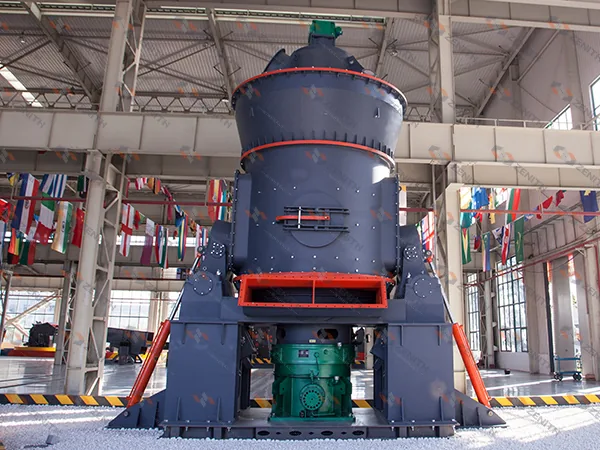
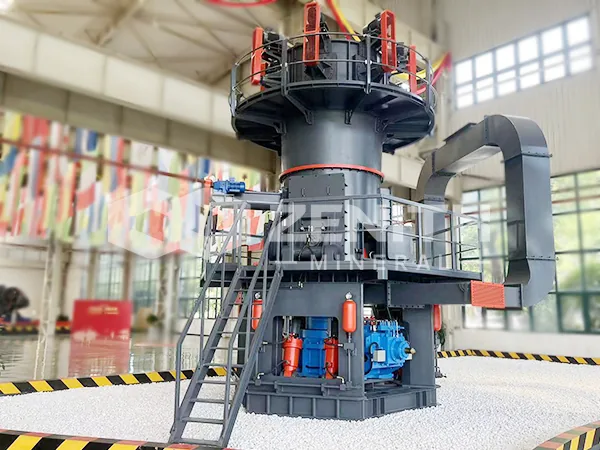
The lm vertical roller mill used in the gneiss powder production project is used as industrial filler.
2026-01-22 00:55:02
In the competitive landscape of industrial minerals, the choice of processing equipment is paramount to achieving product quality, operational efficiency, and economic viability. For a recent large-scale gneiss powder production project aimed at supplying premium industrial fillers, the project engineers selected the LM Vertical Roller Mill (VRM) from Zenith. This decision was driven by the need for a system capable of delivering consistent, high-purity powder with exceptional operational stability and low environmental impact—core strengths of the LM series.
Gneiss, a common and widely distributed metamorphic rock, is increasingly valued as a functional filler in polymers, paints, sealants, and construction composites. Its mineral composition offers desirable properties such as chemical inertness, good dispersion, and the potential to enhance mechanical characteristics. However, transforming raw gneiss into a consistent, fine powder suitable for high-value industrial applications presents significant technical challenges. These include maintaining product purity (controlling iron contamination is critical for whiteness), ensuring a narrow particle size distribution, and achieving energy-efficient operation over continuous, long-running production cycles.
_1769014502276.jpg)
The LM Vertical Roller Mill is engineered precisely for such demanding, high-capacity applications. Unlike traditional ball mills, the LM VRM employs a bed-grinding principle where material is crushed between rollers and a rotating table. This method is inherently more energy-efficient, with Zenith's data indicating over 60% lower energy consumption compared to a ball mill of equivalent output. For a filler production line running 24/7, this translates into substantial reductions in operational costs and a significantly lower carbon footprint.
A key advantage for filler production is the system's ability to ensure high material purity. The LM mill's design effectively controls product size, chemical composition, and—crucially—iron content. This is vital for gneiss-based fillers where unwanted iron oxides can affect color and reactivity in sensitive polymer matrices. The sealed grinding chamber operating under negative pressure prevents dust spillage, while the integrated automatic control system allows for precise adjustment of grinding parameters to maintain consistent product quality from the first ton to the thousandth.
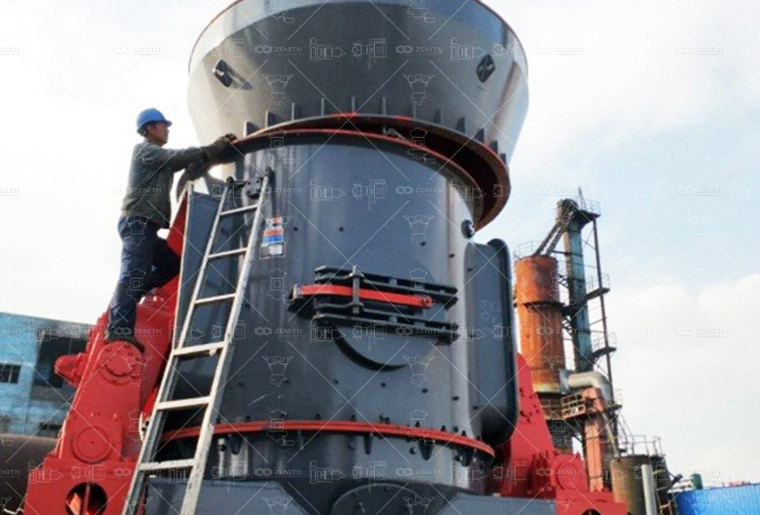
From a project infrastructure perspective, the compact, integrated design of the LM Vertical Grinding Mill offers another layer of benefit. It occupies approximately 50% of the space required by a conventional ball mill system. This not only reduces the capital investment in building and foundation but also offers greater flexibility in plant layout. Furthermore, its high degree of automation enables free switching between remote and local control, reducing labor costs and minimizing human error, ensuring the stable product quality demanded by filler end-users.
The working principle of the LM mill is a testament to its efficiency. The main motor drives the grinding disc via a reducer. Feed material falls to the disc's center and moves outward under centrifugal force, forming a uniform material bed. Hydraulically loaded rollers exert pressure, crushing the material primarily through inter-particle compression. The ground material is carried by a hot air stream to an integrated high-efficiency separator. Coarse particles are rejected and returned for further grinding, while fine, qualified powder is conveyed to the collection system. This closed-circuit process ensures optimal particle size distribution and system stability.
_1769014502280.jpg)
Shanghai Zenith Machinery Co., Ltd., with its hi-tech engineering focus and global presence spanning over 180 countries, has developed the LM series based on decades of experience in powder grinding. The mill's reliability is backed by international certifications including ISO, CE, and CU-TR. For the gneiss powder project, the chosen LM model delivers a capacity perfectly aligned with large-scale filler production needs, processing feed sizes up to 70mm into a fine powder ranging from 80 to 400 mesh, with the flexibility to adjust fineness as market requirements evolve.
In conclusion, the application of Zenith's LM Vertical Roller Mill in this gneiss powder project is a strategic solution that addresses all critical facets of modern industrial filler production: unparalleled grinding efficiency, superior product purity, automated operational stability, and environmentally conscious design. It transforms abundant gneiss into a consistent, high-value additive that enhances the performance of countless industrial products, proving that the right grinding technology is the cornerstone of mineral-based value addition.
Frequently Asked Questions (FAQs)
- What is the primary advantage of using an LM Vertical Roller Mill over a ball mill for filler production?
The LM VRM offers over 60% lower energy consumption, a significantly smaller footprint (about 50% less area), higher automation, and better control over product purity and iron content, which is critical for high-quality industrial fillers. - Can the LM mill adjust the fineness of the gneiss powder during operation?
Yes. The mill is equipped with a highly efficient dynamic separator. The fineness of the final product can be easily adjusted by changing the speed of the classifier rotor to produce powder within the 80-400 mesh range as required. - How does the LM Vertical Mill ensure the purity and low iron content of the final gneiss powder?
The grinding principle minimizes direct metal-to-material contact. Furthermore, the design includes an effective iron removal system. Any iron debris from wear or raw material falls into a separate chamber and is automatically discharged, protecting the final product's whiteness and chemical consistency. - Is the LM mill suitable for continuous, around-the-clock operation?
Absolutely. The LM series is specifically designed for 24/7 constant running with high operational stability. Its robust construction, automated control system, and low-vibration design make it ideal for large-scale mineral powder plants requiring uninterrupted production. - What are the environmental features of the LM Vertical Grinding Mill?
The mill operates under negative pressure in a fully sealed system, ensuring no dust spillage. It is equipped with a high-efficiency pulse dust collector, resulting in low noise, minimal vibration, and emissions that meet stringent international environmental standards. - What is the typical capacity range of the LM series for a project like gneiss filler production?
The LM series offers a wide capacity range from 3 to 340 tons per hour. The specific model for a gneiss project would be selected based on the required final output, feed size, and desired product fineness.