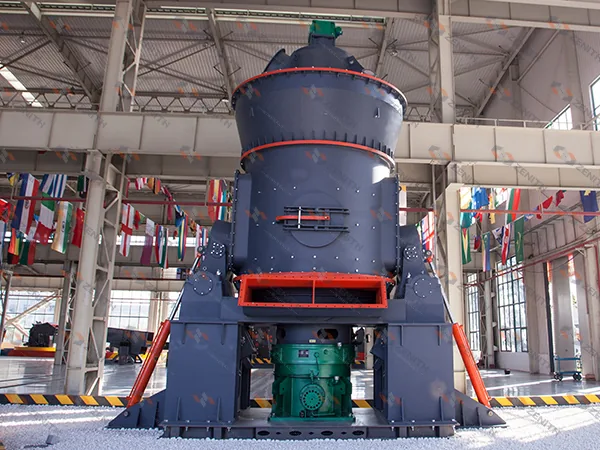
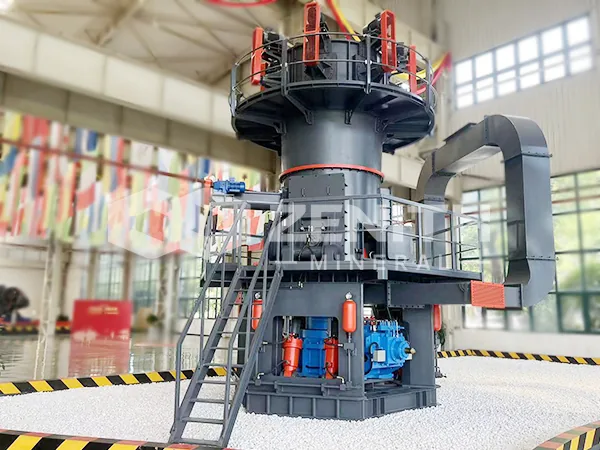
Lm vertical mill for processing tailings and scrap materials
2026-01-23 17:53:54
In today's industrial landscape, the efficient and responsible management of by-products like tailings and scrap materials is not just an environmental imperative but a significant economic opportunity. Transforming these often-discarded resources into valuable, marketable products requires robust, reliable, and intelligent processing technology. This is where Zenith's LM Series Vertical Grinding Mill (VRM) establishes itself as a cornerstone solution for modern mineral processing and recycling operations.
Zenith Machinery, a hi-tech engineering group with a global footprint spanning over 180 countries, has dedicated decades to the research and development of industrial powder grinding equipment. Our commitment is to provide machinery that doesn't just perform but excels in the most demanding applications, including the reprocessing of challenging materials like mining tailings and industrial scrap. The LM Vertical Mill is engineered specifically for such continuous, high-capacity operations where stability, automation, and product purity are non-negotiable.
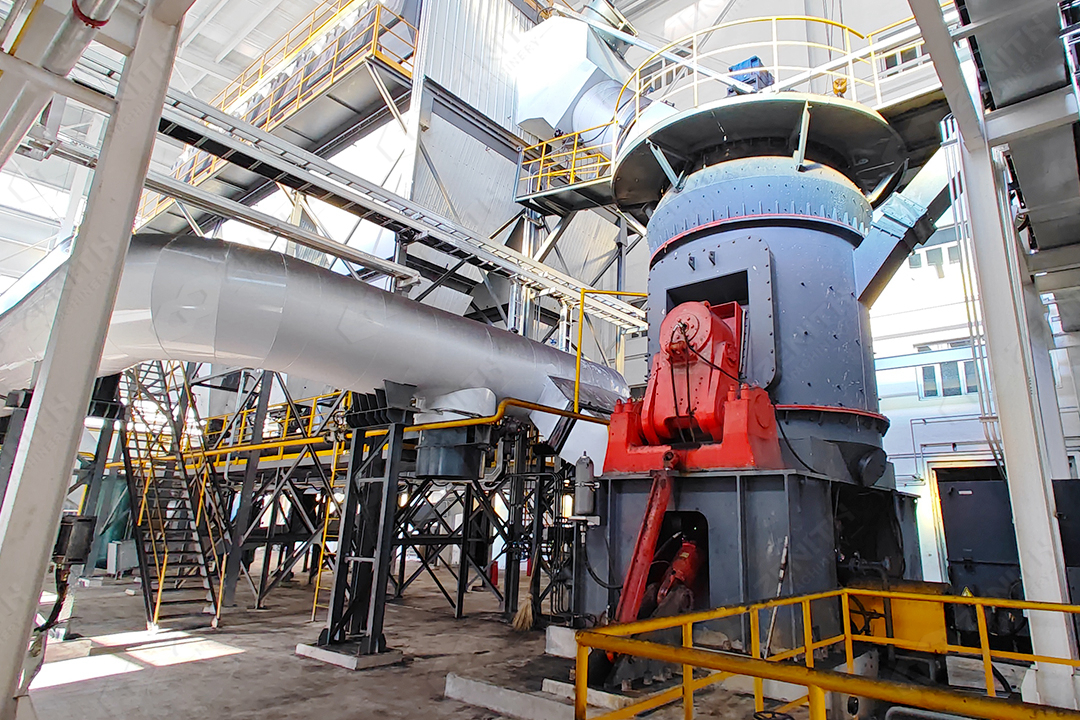
Engineered for Demanding, Continuous Duty
Unlike conventional grinding systems, the LM Vertical Roller Mill is designed for 24/7 constant running. Its core strength lies in handling materials that require consistent, high-volume throughput. For tailings—the fine-grained residues left over after the extraction of valuable minerals—the LM Mill offers a second life. It can efficiently grind these materials to a controlled fineness (80-400 mesh), transforming environmental liabilities into saleable products for construction, agriculture, or chemical industries. Similarly, for various metallic and non-metallic scrap materials, the mill's ability to control iron content and chemical composition ensures a high-purity final powder.
Key Advantages in Tailings and Scrap Processing
The LM Vertical Mill delivers a compelling set of benefits that directly address the pain points of processing secondary materials:
- High Purity & Controlled Quality: The mill's efficient separation system and sealed operation effectively control product size, chemical composition, and iron contamination. This is critical when processing scrap to ensure the whiteness and purity of the final mineral powder, maximizing its market value.
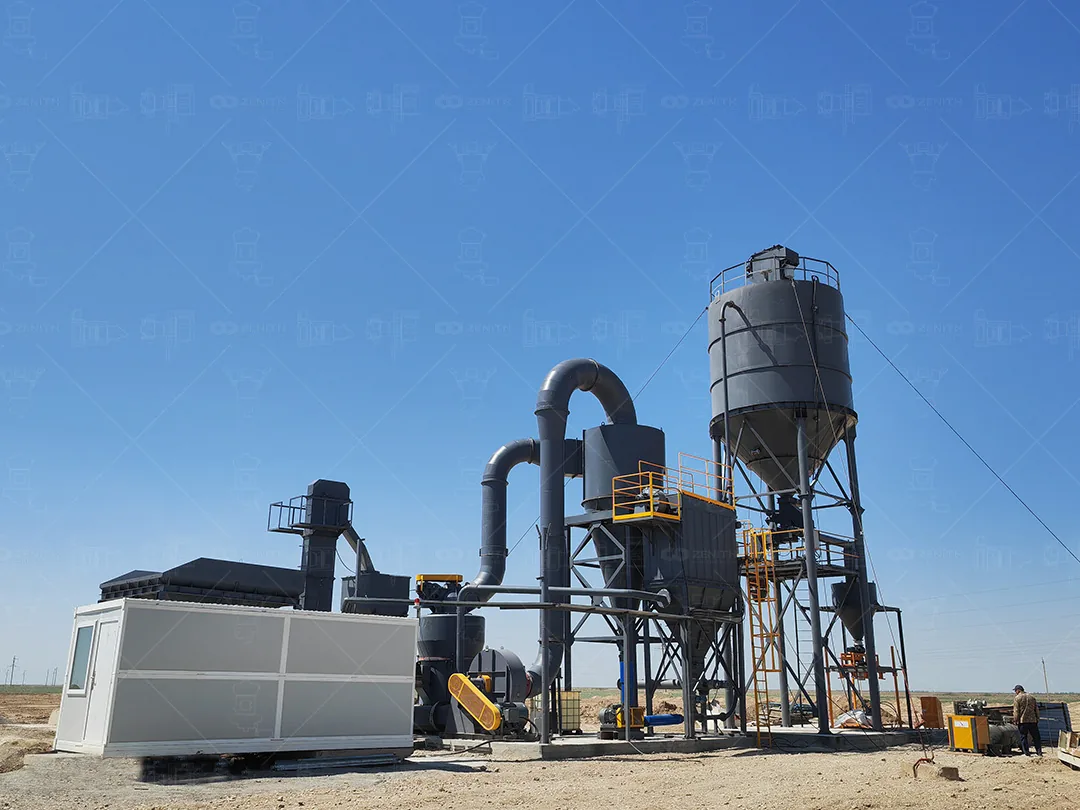
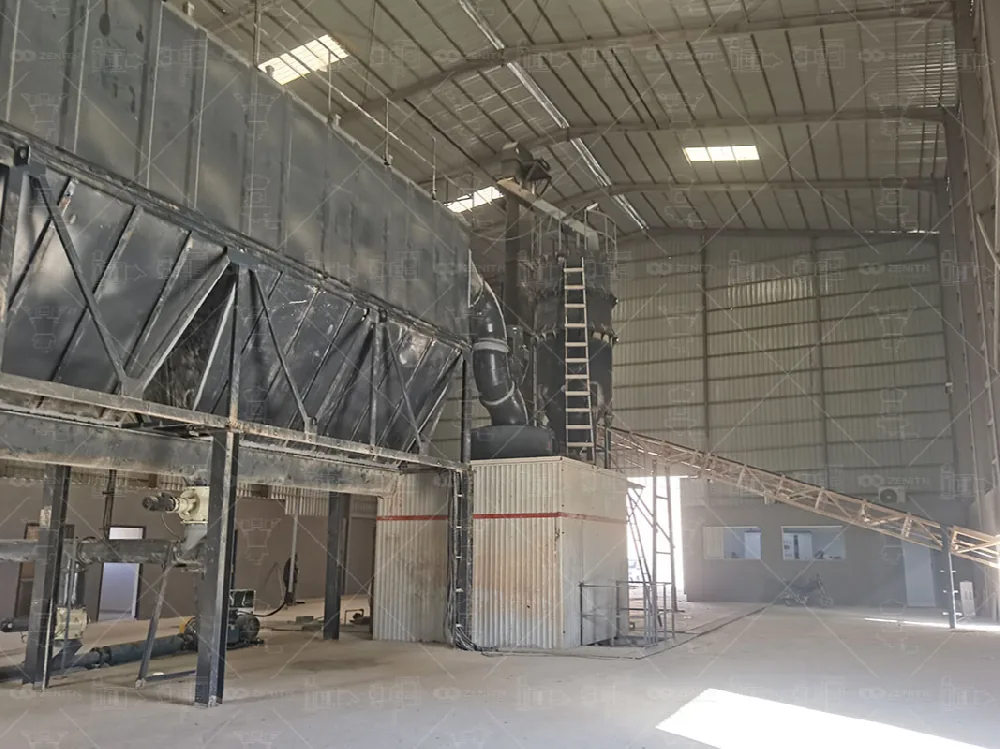
- Superior Economic & Spatial Efficiency: With its compact, integrated design, the LM system occupies approximately 50% of the space required by a traditional ball mill plant. This leads to significantly lower civil engineering costs and allows for flexible outdoor installation, reducing overall capital investment.
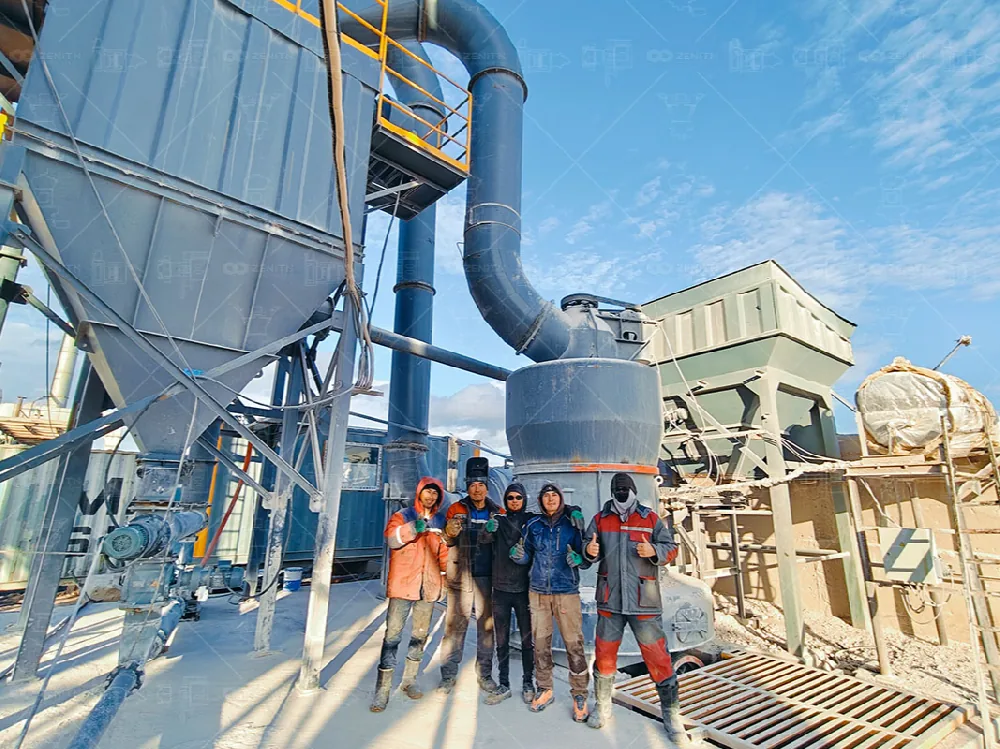
- Unmatched Automation & Operational Simplicity: Equipped with a fully automatic control system, the LM Mill enables seamless remote or local operation. This drastically reduces labor costs, minimizes human error, and ensures stable, repeatable product quality—a vital factor for large-scale tailings processing plants.
- Inherently Environmentally Friendly: The entire grinding process occurs under negative pressure within a sealed housing. This design guarantees no dust spillage, contains noise pollution, and features minimal vibration. It allows operations to meet the strictest environmental standards, a crucial consideration for sustainable resource recovery.
_1769162034872.jpg)
Robust Working Principle for Consistent Output
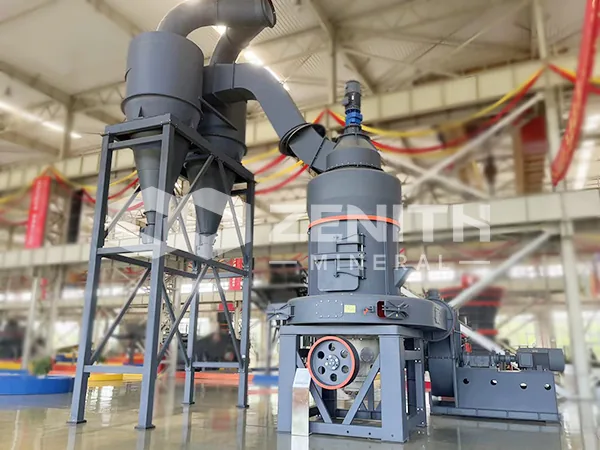
The operational excellence of the LM Mill stems from its precise engineering. The main motor drives the grinding disc via a reducer. Material is fed onto the center of the rotating disc and is flung outward by centrifugal force, passing under the grinding rollers to form a uniform material bed. The crucial size reduction happens through a combination of compression and inter-particle crushing within this bed. The ground material is then carried by a hot air stream to an integrated high-efficiency separator. Here, oversized particles are rejected and returned for further grinding, while the on-spec fine powder is conveyed to the collection system. A dedicated scraper mechanism efficiently removes any heavy, non-grindable debris (like metal scraps) from the grinding chamber, protecting the mill's internals and ensuring continuous operation.
_1769162034874.jpg)
Conclusion: A Strategic Investment for Resource Recovery
Processing tailings and industrial scrap is no longer just about waste disposal; it's a sophisticated value-creation process. Zenith's LM Vertical Grinding Mill provides the technological backbone for this transformation. By combining high capacity with automated control, exceptional product quality with environmental stewardship, and operational reliability with lower total cost of ownership, the LM Mill represents a strategic investment for any forward-looking enterprise in mining, metallurgy, or recycling. It is more than a mill; it's a partner in building a more efficient and circular industrial economy.
Frequently Asked Questions (FAQs)
- What is the typical feed size range for the LM Vertical Mill when processing tailings?
The LM Vertical Mill can accept feed material with a size of up to 70mm, making it well-suited for handling most tailings and pre-crushed scrap materials directly. - How does the LM Mill's energy consumption compare to a traditional ball mill for the same task?
The LM Vertical Mill is significantly more energy-efficient. Under ideal conditions, it can achieve energy savings of over 60% compared to a ball mill of the same production grade. - Can the fineness of the final product be adjusted, and how is this done?
Yes, the output fineness is highly adjustable within the 80-400 mesh range. This is primarily achieved by regulating the speed of the integrated dynamic classifier, allowing for quick and precise changes to meet different product specifications. - Is the LM Mill suitable for processing abrasive materials like certain metal slags or quartz-rich tailings?
Absolutely. Key wear parts, such as grinding rollers and the disc liner, are manufactured from high-quality, abrasion-resistant materials. Their design also allows for easier maintenance and replacement, ensuring long service life even with abrasive feeds. - How does the mill handle tramp metal or non-grindable debris that might be present in scrap feed?
The mill is designed with a protective mechanism. Heavy, non-grindable items like pieces of metal fall through the grinding zone into a lower chamber, where they are automatically scraped out and discharged through a separate port, preventing damage to the grinding components. - What level of manpower is required to operate an LM Vertical Mill system?
Due to its high degree of automation, the LM Mill requires minimal operational manpower. The central control system allows for monitoring and adjustment from a single station, significantly reducing labor costs compared to manual milling systems.