Indian slag is ground into powder and used to produce precast concrete components.
2026-01-18 17:54:28
In the global pursuit of sustainable construction, the valorization of industrial by-products has taken center stage. Among these, Indian slag—a granular by-product from steel production—presents a remarkable opportunity. When processed correctly, this material transforms from an industrial residue into a high-quality supplementary cementitious material (SCM), enhancing the durability, strength, and environmental profile of precast concrete components. The key to unlocking this potential lies in sophisticated grinding technology that can consistently produce the precise powder specifications required by modern precast manufacturers.
The journey from coarse slag to a reactive powder is a critical one. The particle size distribution, fineness, and morphology of the ground slag directly influence its pozzolanic activity and packing density within the concrete matrix. For precast applications, where consistency, early strength gain, and surface finish are paramount, the grinding equipment must deliver not just fineness, but also reliability and energy efficiency. This is where specialized milling machinery becomes the cornerstone of a successful slag valorization operation.
_1768730068475.jpg)
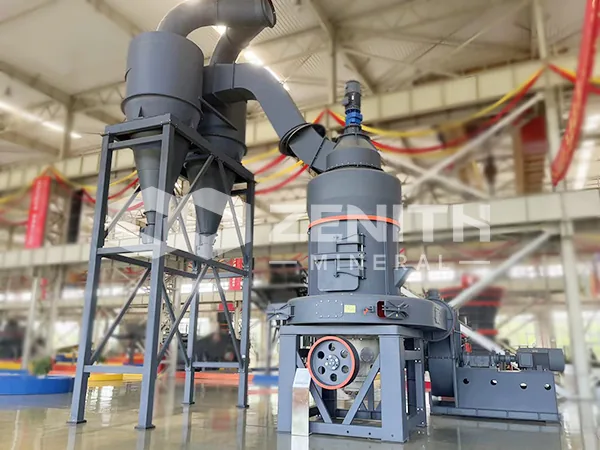
For producers targeting the 80-400 mesh range—ideal for most precast concrete SCM applications—the MTW European Trapezium Mill stands out. Its design is a perfect match for this task, offering large capacity (up to 50 TPH on the biggest model) with significantly lower energy consumption—over 60% less than traditional ball mills. The modular impeller adjustment system allows operators to fine-tune the output fineness with ease, ensuring the slag powder meets the exact specifications for different precast products, from structural beams to architectural cladding. The system's high induced air efficiency (85%) ensures smooth material flow and classification, critical for consistent product quality.
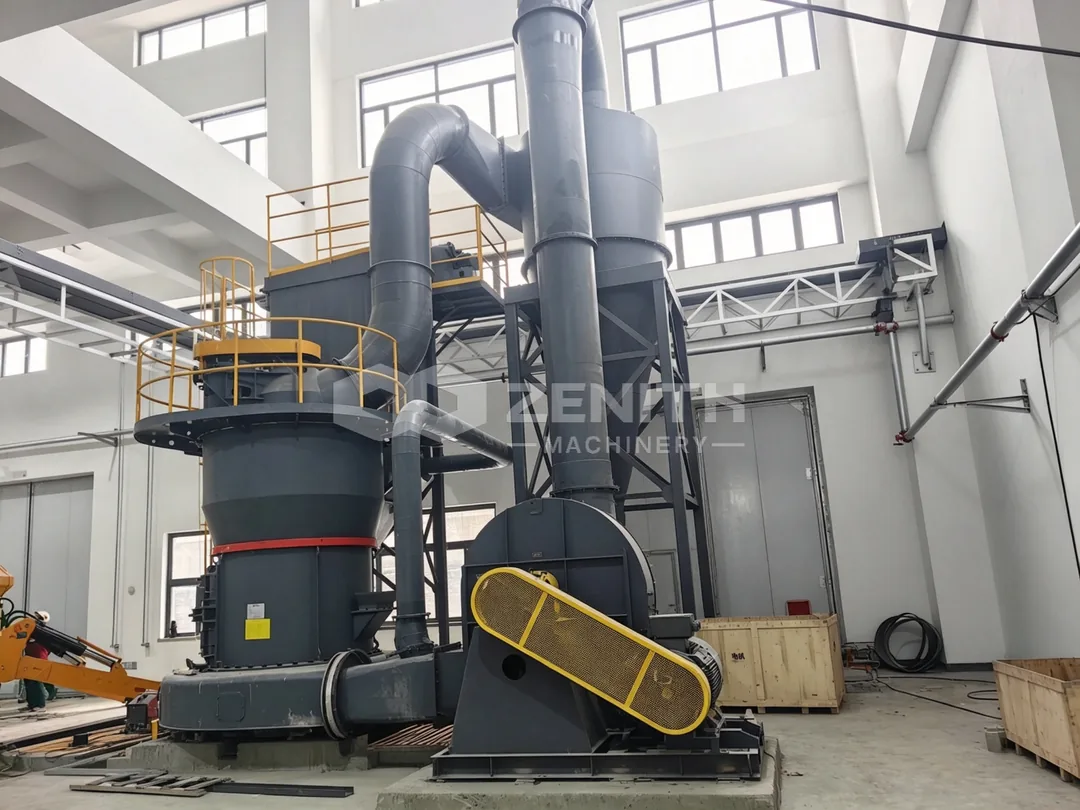
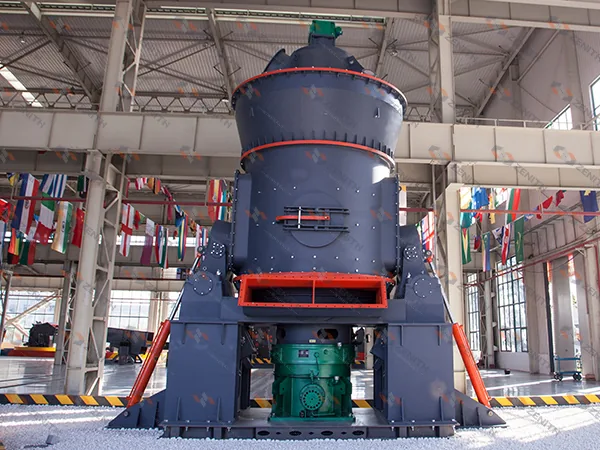
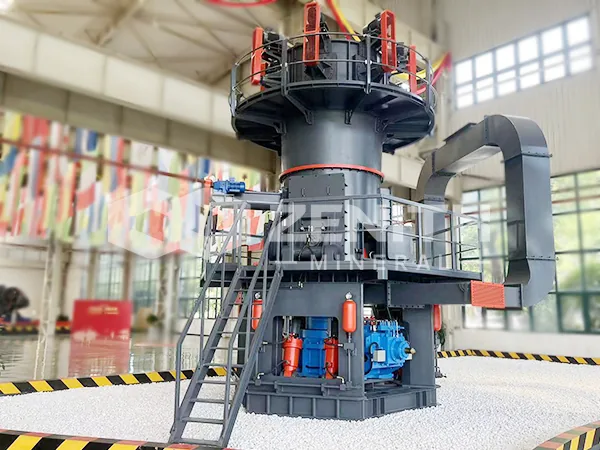
When the project demands even higher fineness for specialized ultra-high-performance concrete (UHPC) or to maximize the slag's reactivity, the LUM Ultrafine Vertical Grinding Mill and XZM Ultrafine Grinding Mill enter the frame. The LUM mill, integrating German separation technology, can produce powders from 325 to 2500 mesh, achieving exceptional purity—a vital factor for the whiteness and chemical consistency of architectural precast elements. Its energy-saving design reduces consumption by 30-50% compared to ordinary mills. Similarly, the XZM series can achieve a one-time fineness of D97 < 5 microns (up to 3250 mesh), with efficiency 40% higher than airflow mills. This level of fineness can unlock higher early strength in precast units, potentially reducing curing times and accelerating production cycles.
_1768730068477.jpg)
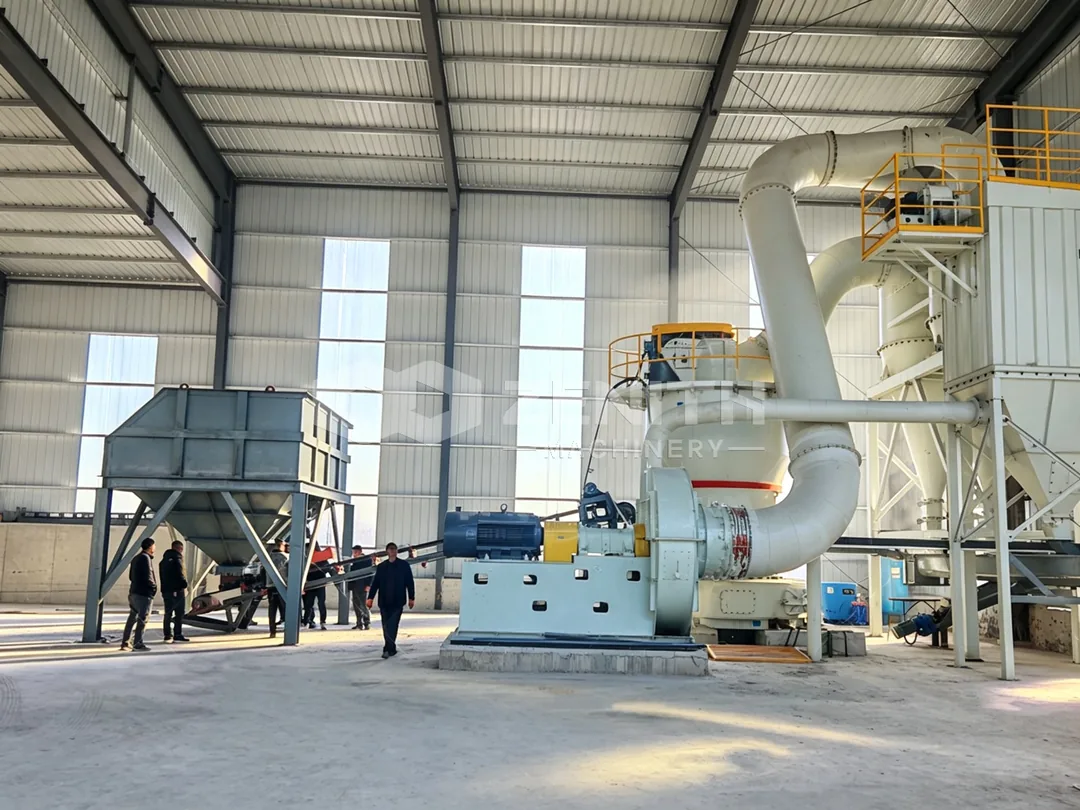
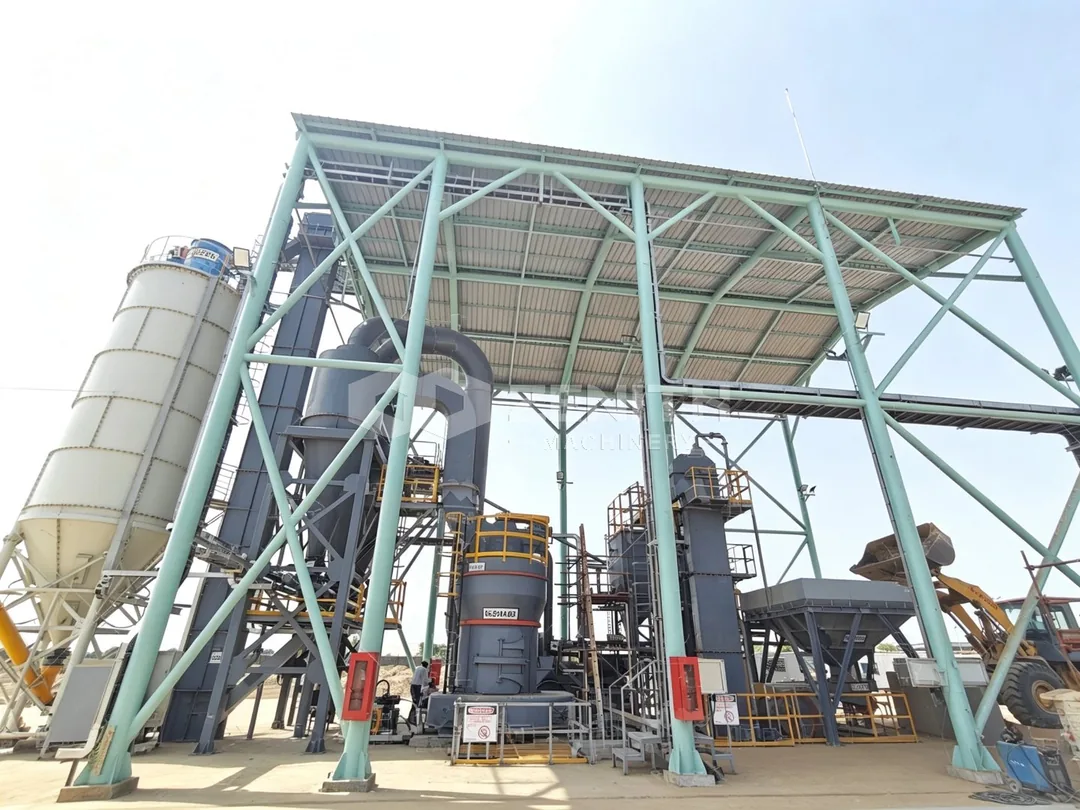
For integrated facilities that handle everything from raw slag crushing to final powder dispatch, the LM Vertical Grinding Mill offers a compelling solution. Its 24-hour constant running capability and high degree of automation make it suitable for large-volume, continuous production required by major precast plants. The compact, integrated design reduces the plant footprint by about 50% compared to ball mill systems, a significant advantage in space-constrained locations. Its sealed, negative-pressure operation guarantees an environmentally friendly process with no dust spillover, aligning with the green ethos of slag recycling.
The initial size reduction of slag is equally important. The Hammer Mill is expertly designed for producing 0-3mm coarse powder, acting as the perfect pre-grinding stage. Its high grinding ratio and stable performance ensure a consistent feed size for downstream fine grinding mills, optimizing the entire production line's efficiency. For the most demanding, large-scale raw material preparation, the LM-Y Vertical Pre-grinding Roller Mill integrates sand-making and grinding, offering versatility and low operating cost for operations that may also produce other raw materials for concrete mixes.
_1768730068479.jpg)
Shanghai Zenith Machinery Co., Ltd. brings over three decades of engineering expertise to this field. Our equipment, backed by ISO, CE, and CU-TR certifications, is trusted by customers in over 180 countries. We understand that a precast concrete plant's profitability hinges on the reliability and efficiency of its raw material processing. By providing grinding solutions that are less energy-intensive, highly automated, and capable of producing a wide spectrum of powder fineness (from 1-3mm coarse to 3250 mesh micro powder), we empower producers to turn Indian slag from a cost center into a high-value, performance-enhancing raw material, driving forward the future of sustainable, high-quality precast construction.
Frequently Asked Questions (FAQs)
- What is the optimal fineness range for ground slag used in precast concrete?
For most precast concrete applications as an SCM, a fineness between 80 and 400 mesh (approximately 180 to 37 microns) is ideal. This range offers an excellent balance of reactivity, water demand reduction, and contribution to strength development. - How does using ground slag powder benefit the precast concrete manufacturing process?
It improves workability, reduces heat of hydration (minimizing thermal cracking), enhances long-term durability and chemical resistance, and can lead to faster demolding times due to improved early strength in some formulations. It also significantly lowers the carbon footprint of the final product. - Which Zenith mill is most recommended for starting a new slag grinding plant for precast supply?
The MTW European Trapezium Mill is often the recommended starting point due to its high capacity, energy efficiency (60%+ savings vs ball mills), and perfect output range for concrete. It offers a lower initial investment and a proven, stable performance for continuous production. - Can your grinding systems handle variations in the moisture content of the incoming slag?
Yes. Our vertical grinding mills (LM, LUM series) and certain configurations of other mills can integrate with drying systems for simultaneous grinding and drying, handling materials with moderate moisture content effectively. - What makes Zenith grinding mills more energy-efficient than traditional ball mills for this application?
Our mills utilize advanced grinding principles like roller-and-disc compression (vertical mills) and efficient air classification, which are inherently more efficient than the impact and attrition of tumbling balls. Features like high-efficiency impeller fans and optimized mechanical designs further minimize energy waste. - How do you ensure the consistency and purity of the final slag powder, which is critical for precast quality?
Our mills are equipped with high-precision powder classifiers (separators) that ensure only particles meeting the target fineness leave the system. The sealed design and negative pressure operation prevent cross-contamination, while the use of wear-resistant materials minimizes iron contamination from the mill itself. - Do you provide support for designing the complete slag grinding production line?
Absolutely. Zenith offers complete turnkey solutions, from plant layout and system design to equipment supply, installation guidance, commissioning, and operator training, ensuring the entire line is optimized for producing concrete-grade slag powder. - Are your mills suitable for grinding other supplementary cementitious materials for concrete?
Yes, our grinding technology is highly adaptable and is also perfectly suited for processing fly ash, pozzolan, limestone, and other industrial by-products or minerals used in modern concrete blends.