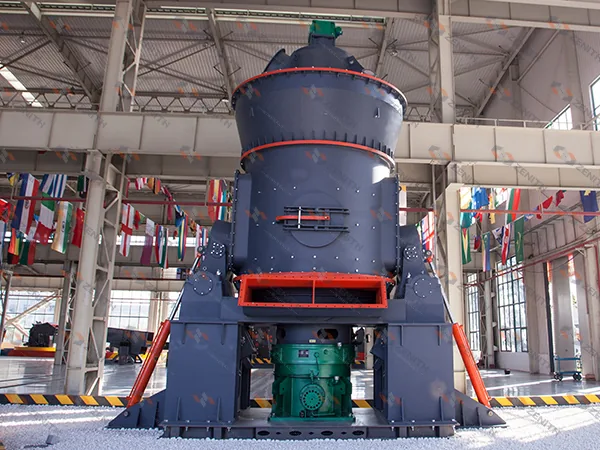
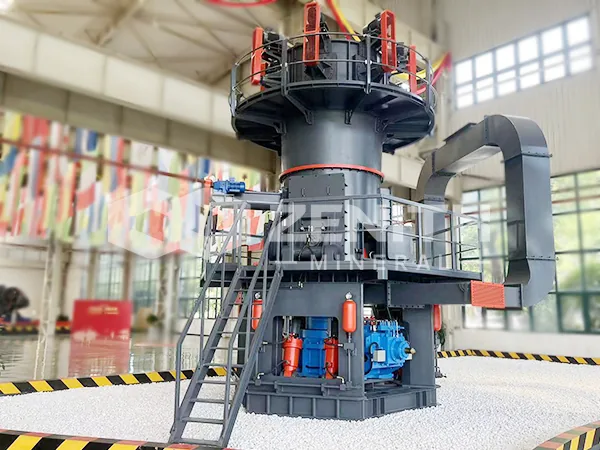
An algerian building materials factory has a production line with an annual output of 30,000 tons of anchoring agent powder.
2026-01-19 00:56:56
In the competitive landscape of North African construction, a factory's ability to reliably produce high-volume, high-quality building materials is a cornerstone of success. Consider an Algerian building materials factory operating a production line with a significant annual output of 30,000 tons of anchoring agent powder. This scale of operation presents a unique set of challenges and opportunities, where the choice of processing equipment becomes the single most critical factor influencing profitability, product quality, and long-term operational stability. The journey from raw mineral feed to the consistent, fine-grade powder required for modern anchoring agents demands precision engineering and robust technology.
_1768755416559.jpg)
Anchoring agents, essential for securing fixtures in masonry and concrete, require a specific particle size distribution for optimal chemical reaction and mechanical bonding. Producing 30,000 tons annually translates to a continuous demand for grinding equipment capable of handling substantial throughput while maintaining exacting fineness specifications, typically within the 80-400 mesh range. The traditional choice for many such operations has often been the ball mill. However, while ball mills are known for their strong adaptability, their high energy consumption—often constituting over 60% of a plant's power costs—and relatively large footprint present significant drawbacks for a cost-conscious, expanding operation.
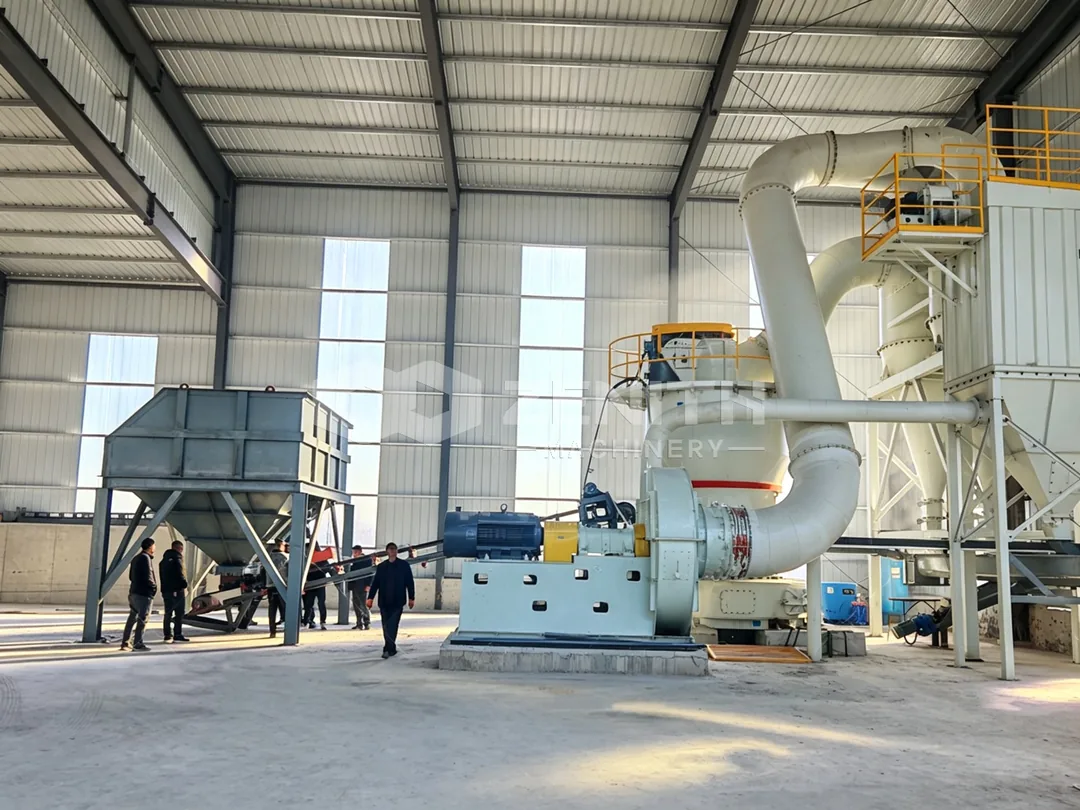
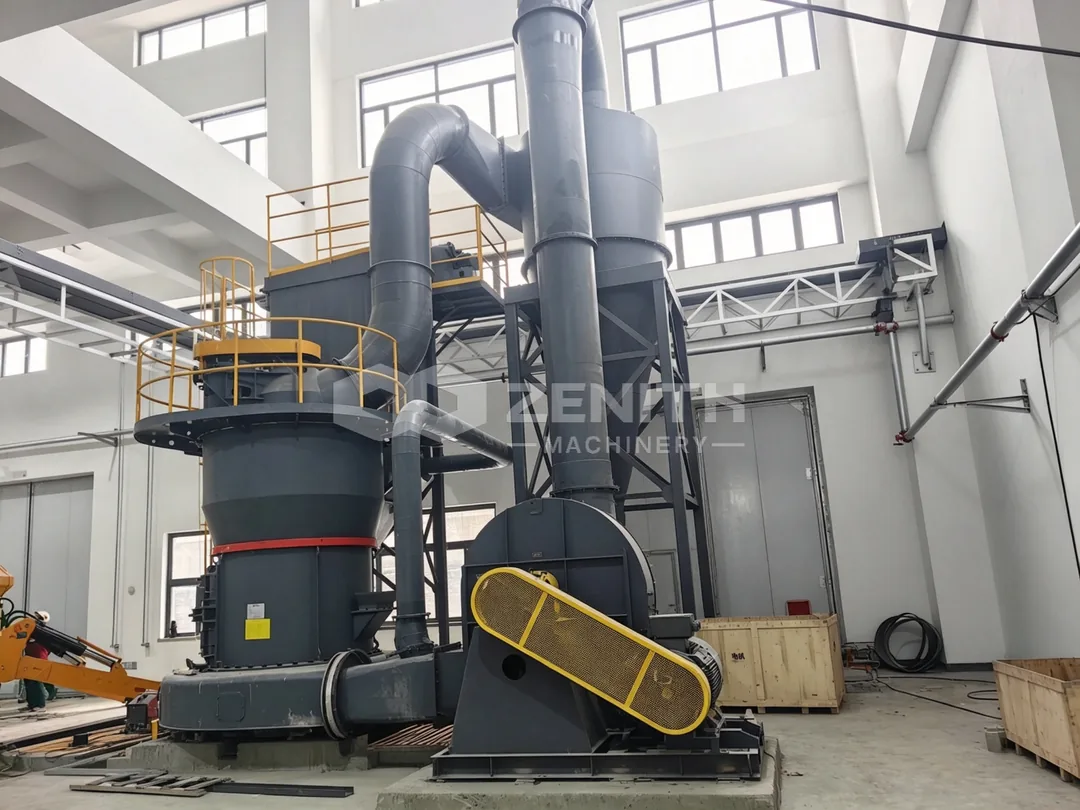
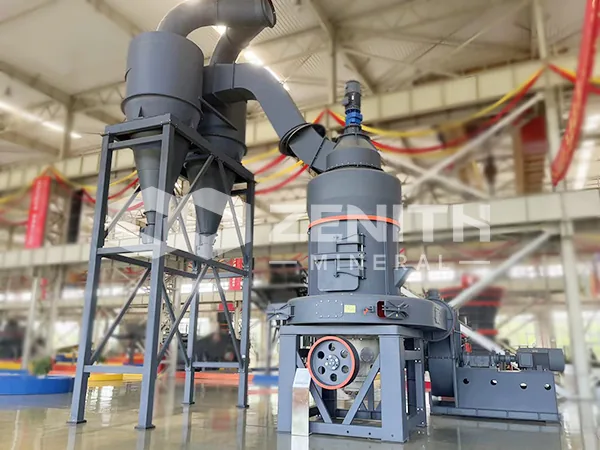
This is where advanced, specialized grinding technology makes a transformative difference. For a production line of this magnitude, the MTW European Trapezium Mill emerges as a particularly compelling solution. Designed as a complete production system from bulk material to finished powder, the MTW series directly addresses the core needs of the Algerian factory. Its capability to deliver 3-22 T/H, with the largest models reaching up to 50 T/H, perfectly aligns with the required 30,000-ton annual output, enabling efficient, continuous operation. Crucially, its design philosophy centers on operational economy: it occupies less area, requires less foundational investment, and, most importantly, consumes over 60% less energy than a ball mill of equivalent output. For an energy-intensive process like powder grinding, this reduction translates into massive annual cost savings, directly boosting the factory's bottom line.
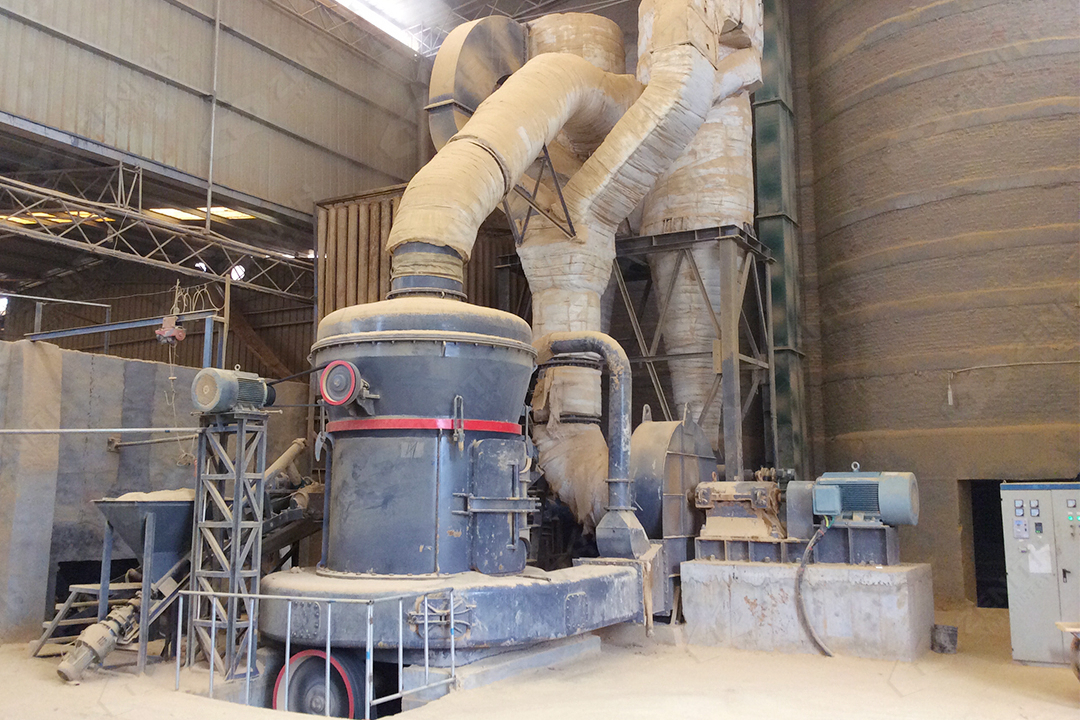
The technical advantages extend beyond mere efficiency. The MTW mill's modular impeller adjustment device allows the factory to easily adjust output fineness. This flexibility is vital for a plant that may need to produce different grades of anchoring agent powder for varied applications without costly downtime or system reconfiguration. Furthermore, the high-efficiency impeller fan (with 85% air induction efficiency) and the positive/negative pressure system with integrated pulse dust collection ensure an environmentally compliant operation—a factor of increasing importance globally. The working principle, where crushed material is classified by a powder selector and coarse particles are efficiently recirculated, guarantees a consistent, high-quality final product with minimal waste.
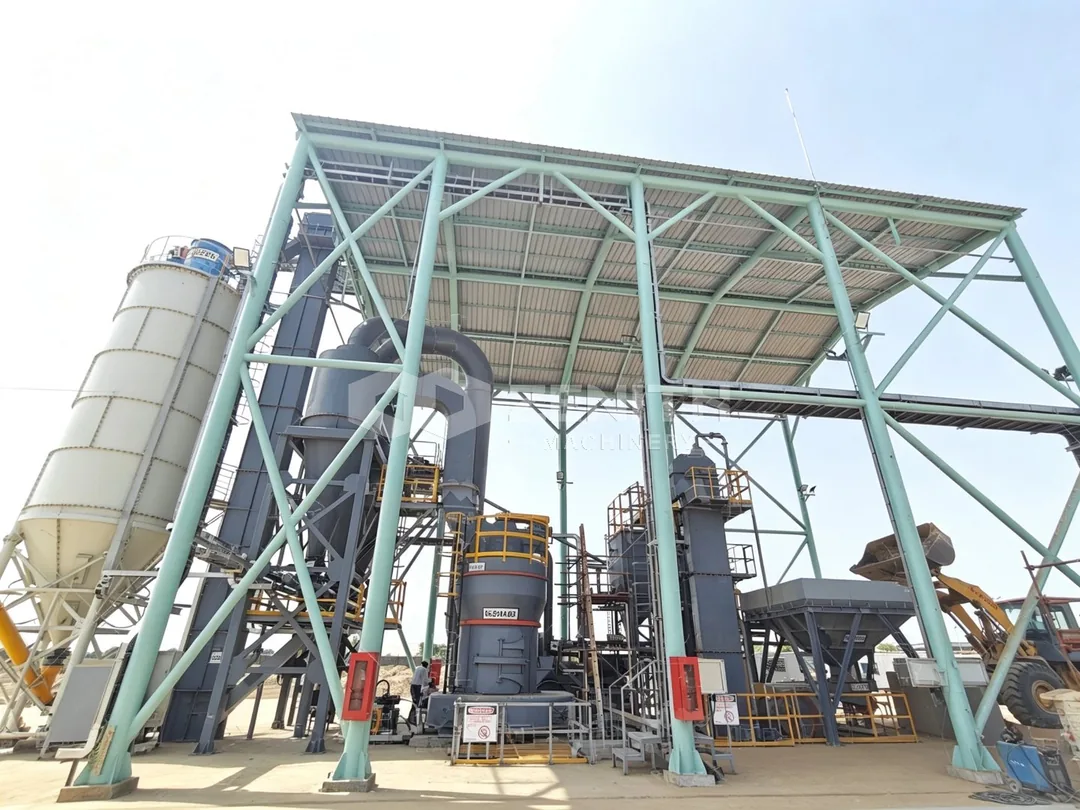
For factories considering an upgrade or seeking even higher levels of automation and capacity for future expansion, the LM Vertical Grinding Mill presents another formidable option. With a capacity range stretching from 3 to an impressive 340 T/H, the LM series is built for 24/7 constant running. Its compact, integrated design reduces the plant footprint by approximately 50% compared to a ball mill system. The high degree of automation allows for remote control and monitoring, reducing labor costs and enhancing process stability—key for maintaining the uniform quality required in anchoring agents. Like the MTW, it operates under negative pressure, ensuring a dust-free, eco-friendly production environment.
_1768755416563.jpg)
When the product strategy calls for ultra-fine or specialized powders, technologies like the LUM Ultrafine Vertical Grinding Mill or the XZM Ultrafine Grinding Mill come into play. The LUM series, integrating German powder separating technology, can achieve fineness up to 2500 mesh while reducing energy consumption by 30-50%. The XZM series offers arbitrary fineness adjustment between 325 and 3250 mesh with a simple, maintenance-friendly structure. For initial coarse crushing of raw materials (0-3mm), the HM Hammer Mill provides a high-grinding-ratio, stable-performance solution to feed the fine grinding circuit efficiently.
Ultimately, the success of a 30,000-ton anchoring agent powder line hinges on selecting a partner with proven global expertise and a portfolio of reliable technology. A supplier with a deep understanding of mineral processing, backed by international certifications like ISO, CE, and CU-TR, and a support network spanning over 180 countries, can provide not just a machine, but a holistic production solution. This partnership ensures the Algerian factory can achieve its production targets with optimal efficiency, superior product quality, and sustainable operational practices, securing its position as a leader in the regional building materials market.
_1768755416565.jpg)
Frequently Asked Questions (FAQs)
- What is the main advantage of an MTW Mill over a traditional ball mill for anchoring agent production?
The primary advantage is dramatically lower energy consumption—over 60% less under ideal conditions. This leads to substantial operational cost savings. Additionally, MTW mills offer a more compact footprint, easier fineness adjustment, and a fully integrated system from feed to finished powder. - Can your grinding equipment handle the abrasive nature of raw materials used for anchoring agents?
Yes. Key wear parts in our mills, such as grinding rollers and rings, are manufactured from high-quality, abrasion-resistant materials. For example, the MTW and LM series use advanced alloy compositions to ensure long service life even with abrasive mineral feeds. - How do you ensure the consistency of powder fineness for batch-to-batch product quality?
Consistency is achieved through advanced classification systems. Equipment like the MTW Mill uses an efficient powder selector (classifier) that precisely separates particles by size. Unqualified coarse powder is automatically returned for re-grinding, ensuring only powder meeting the target fineness is collected as the final product. - Is the system environmentally friendly, particularly regarding dust control?
Absolutely. Our grinding systems, including the MTW, LM, and LUM series, are designed to operate under negative or sealed pressure conditions. They are equipped with high-efficiency pulse jet bag dust collectors (or similar) that capture over 99.9% of process dust, ensuring emissions meet strict international environmental standards. - What level of automation can we expect? Can the mill run with minimal manual intervention?
Our mills, especially the LM Vertical Grinding Mill, feature high degrees of automation. They come with PLC-based automatic control systems that allow for remote monitoring and operation, automatic lubrication, and fault diagnosis. This enables continuous, stable operation with reduced labor requirements. - Do you provide on-site installation and commissioning support for a project of this scale in Algeria?
Yes. We provide comprehensive project support, including foundation drawing supply, installation guidance, and commissioning supervision by experienced engineers. Our extensive network, including service points in over 30 countries, ensures timely and professional technical support. - How is the output fineness adjusted on your mills, and how long does it take?
Fineness is typically adjusted by modifying the speed of the classifier rotor (via a VFD) or by changing modular impellers. On mills like the XZM or MTW, this can often be done quickly from the control panel or with minimal mechanical adjustment, allowing for flexible production scheduling with little downtime. - What is the typical lead time for supplying and installing a complete grinding line for 30,000 tons/year capacity?
Lead time depends on the specific model and project complexity. Generally, after finalizing technical specifications, equipment manufacturing and delivery can be scheduled efficiently. A detailed project timeline, including shipping and installation, is provided during the planning phase to align with your production goals.