Lm slag vertical mill process flow for preparing s95 grade slag powder from steel plant slag
2026-01-18 00:58:22
In the modern steel industry, the efficient and value-added utilization of blast furnace slag is not just an economic imperative but a cornerstone of sustainable circular economy practices. Transforming this industrial by-product into high-grade S95 slag powder, a premium supplementary cementitious material (SCM), requires precise, reliable, and energy-efficient grinding technology. The process flow centered on the LM Vertical Grinding Mill has emerged as the industry benchmark for this critical application, offering unparalleled control over product quality and operational efficiency.
The journey of steel slag to S95 powder begins with proper pre-processing. Raw granulated blast furnace slag (GBFS), with a typical input size of 0-25mm and controlled moisture content, is first fed into a surge bin. From here, a regulated feeding system, such as a belt conveyor or vibrating feeder, delivers the material at a consistent rate to the core of the operation: the LM Vertical Mill. This stage is crucial for maintaining stable grinding bed conditions within the mill.
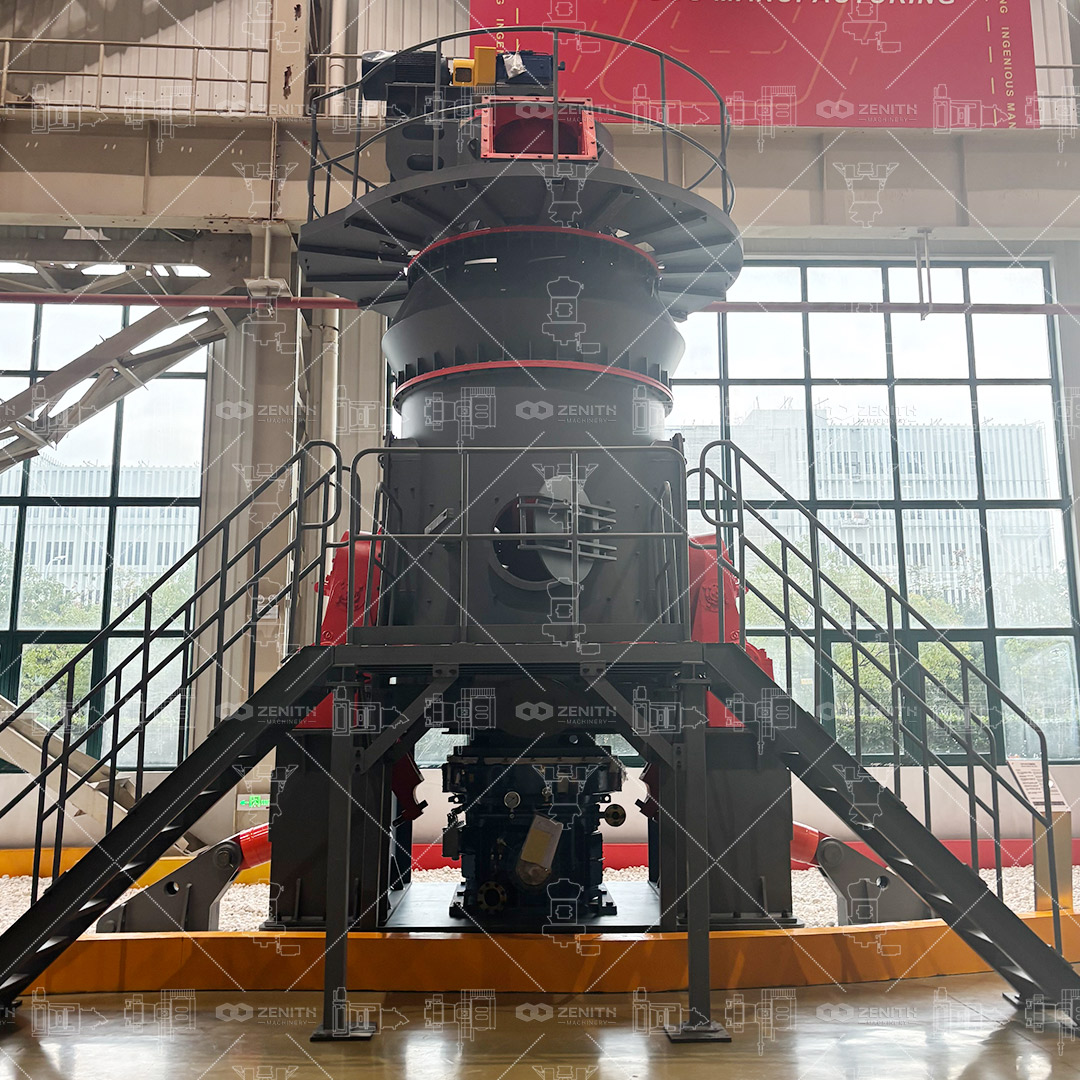
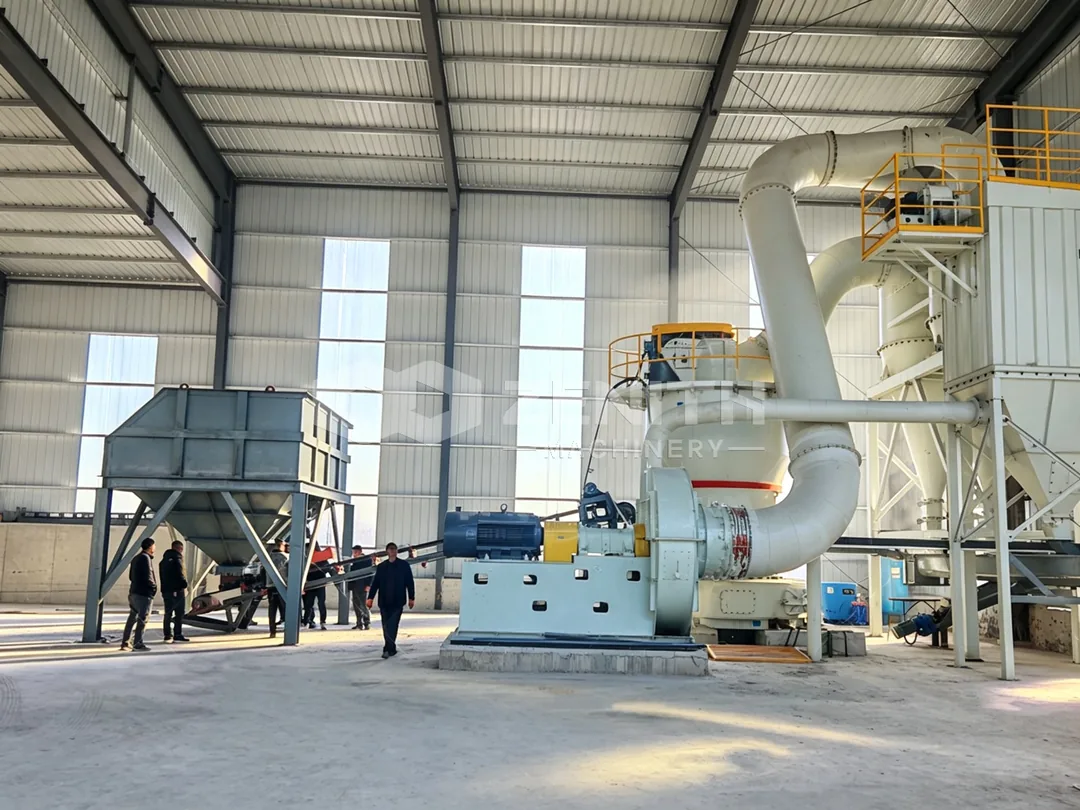
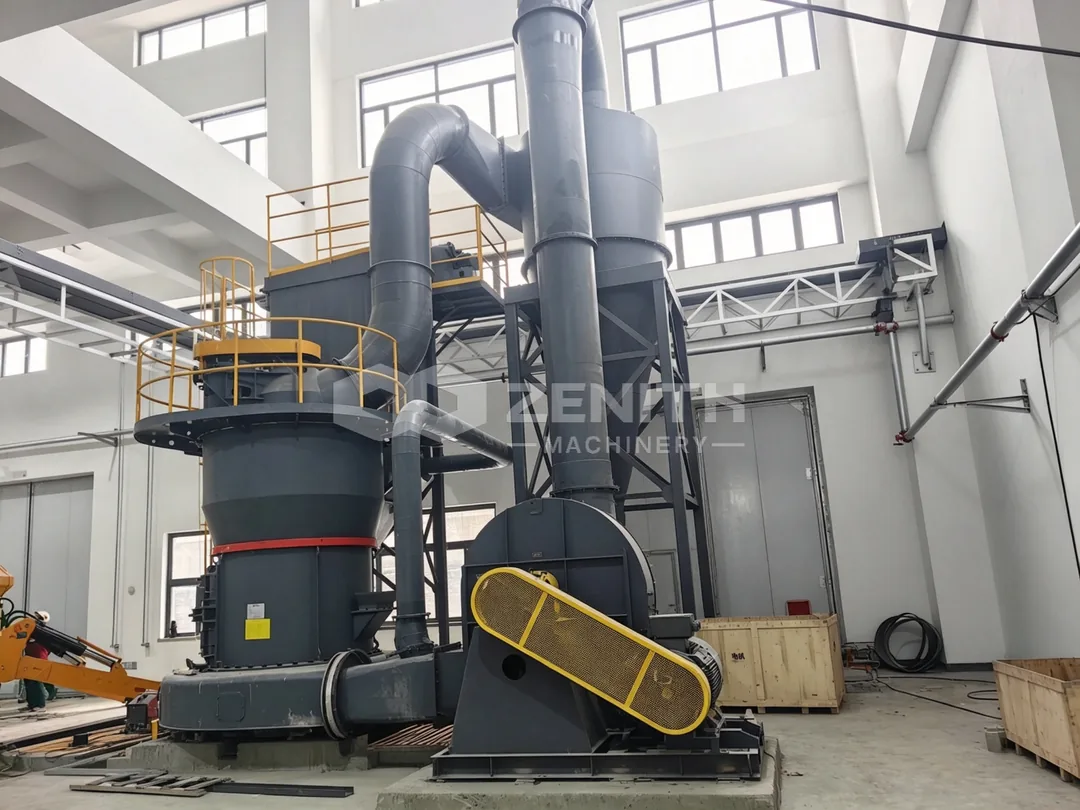
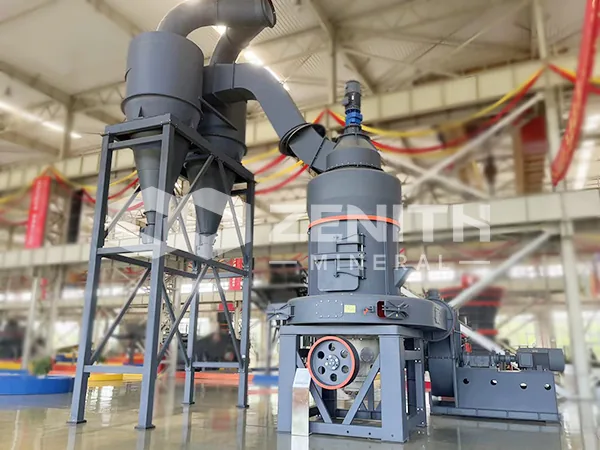
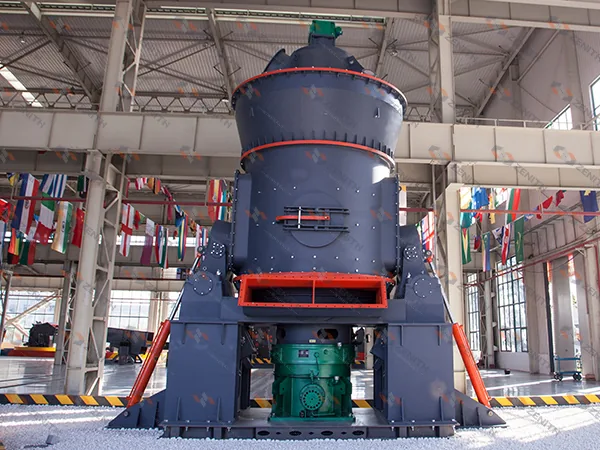
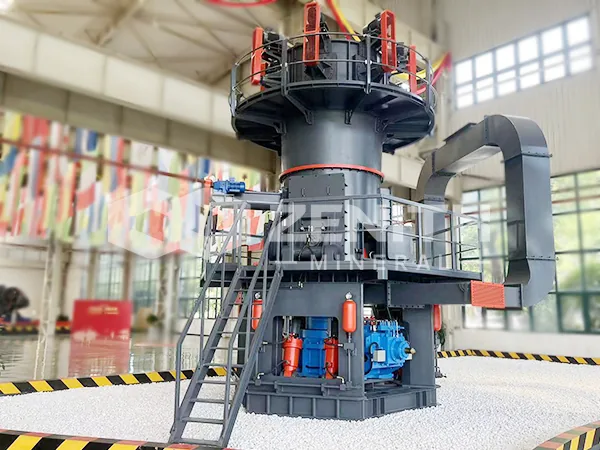
Inside the LM Vertical Grinding Mill, the transformation occurs. The heart of its operation lies in its grinding principle. The main motor drives the grinding table to rotate via a planetary reducer. Hot air, introduced from the wind ring at the mill's bottom, flows upward through the grinding zone. As slag particles are fed onto the center of the rotating table, centrifugal force propels them outward under the grinding rollers. The rollers, hydraulically pressurized, exert immense grinding force on the material bed, achieving efficient inter-particle comminution. The immediate advantage here is the system's ability to handle variations in feed characteristics while maintaining a stable product fineness, a key requirement for S95 grade powder.
The ground material is carried by the hot air stream to the integrated high-efficiency separator mounted atop the mill. This dynamic classifier is the gatekeeper for product quality. It precisely separates particles based on size; oversize coarse particles are rejected and returned to the grinding table for further size reduction, while the qualified fine powder proceeds with the airflow. The LM mill's advanced separator design allows for quick and easy adjustment of the fineness, enabling producers to reliably hit the specific surface area target of >420 m²/kg required for S95 grade slag powder.
_1768669102228.jpg)
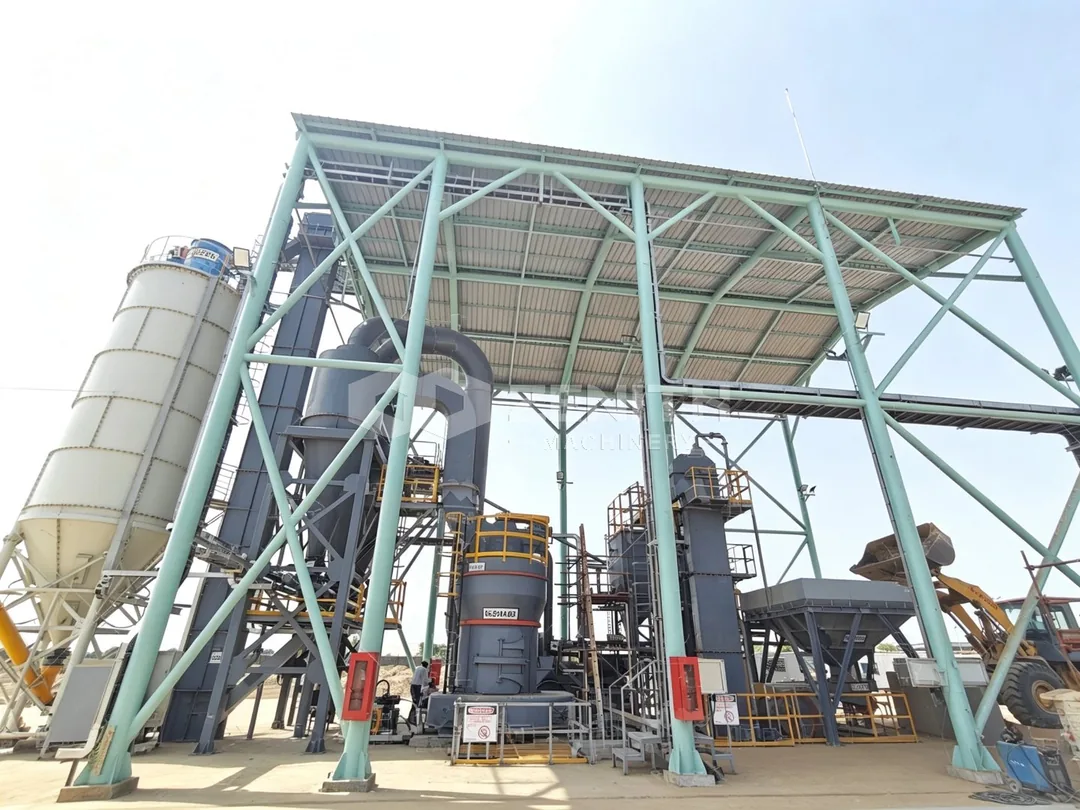
Following classification, the powder-laden air enters a high-efficiency cyclone collector. Here, the bulk of the finished S95 slag powder (typically over 85%) is separated from the air stream and discharged via a rotary lock valve into the product conveying system. The remaining fine powder in the exhaust air is captured by a pulse-jet baghouse dust collector, ensuring that the entire system operates under negative pressure with zero visible dust emission, meeting stringent environmental standards.
The final product is then transported, usually by airslide or screw conveyor, to a homogenizing silo for storage and quality blending before bulk loading or bagging. The hot air used in the process, often sourced from a dedicated hot blast stove, serves the dual purpose of drying the slag (if needed) and transporting the powder, making the system highly integrated and efficient.
_1768669102230.jpg)
Why the LM Vertical Mill is the Optimal Choice for S95 Production
The selection of grinding technology directly impacts the profitability and quality consistency of slag powder production. The LM Vertical Roller Mill offers distinct advantages over traditional ball mills for this application:
- Superior Energy Efficiency: The LM mill's grinding mechanism consumes 30-50% less energy than a ball mill system of equivalent capacity. This is a decisive factor in reducing the operational cost per ton of S95 powder.
- High Product Purity & Activity: The mill's grinding action and air-swept system minimize over-grinding and iron contamination. This results in slag powder with excellent chemical consistency and higher latent hydraulic activity, directly contributing to the performance of the final S95 product in concrete.
- Exceptional Operational Stability & Automation: Designed for 24/7 continuous operation, the LM mill features a high degree of automation. The grinding force is stabilized via a hydraulic system, and the entire process can be monitored and controlled from a central control room, ensuring consistent product quality and reducing labor costs.
- Compact Footprint & Lower Investment: With its vertical structure and integrated separator and dryer, the LM mill system occupies about 50-70% of the space required by a ball mill plant. This leads to significant savings in civil construction and overall project investment.
By adopting the LM Vertical Mill-based process flow, steel plants and independent processors can transform slag from a waste management challenge into a high-value, consistent S95 product. This not only unlocks new revenue streams but also significantly reduces the carbon footprint of the construction industry by providing a reliable alternative to clinker. The technology represents a perfect synergy of industrial productivity and environmental stewardship.
Frequently Asked Questions (FAQs)
- What is the typical capacity range of an LM Vertical Mill for S95 slag powder production?
LM Vertical Mills for slag grinding are highly scalable. Capacities typically range from 30 tons per hour (tph) for smaller plants to over 100 tph for large-scale production lines, with models available to match specific project requirements. - How does the LM Mill ensure the product consistently meets S95 grade specifications?
Consistency is achieved through the combination of a stable material bed grinding principle, a highly efficient and adjustable dynamic separator for precise particle size control, and an integrated automation system that continuously monitors and adjusts key parameters like feed rate, grinding pressure, and classifier speed. - What is the expected power consumption per ton of S95 powder produced with an LM Mill?
While specific consumption depends on slag characteristics (e.g., hardness, moisture) and target fineness, LM Vertical Mills are exceptionally efficient. Typical system power consumption ranges from 35 to 45 kWh per ton of S95 powder, which is significantly lower than traditional ball mill systems. - Can the LM Mill handle slag with varying moisture content?
Yes. The LM Vertical Mill is an air-swept grinding system that integrates drying. With an integrated hot air generator, it can effectively handle slag with moisture content up to 15-20%, drying and grinding it in a single step. - What is the maintenance requirement for the grinding rollers and table liner?
The grinding elements are made from high-chromium alloy wear-resistant materials. Depending on slag abrasiveness, the wear parts can typically operate for 6,000 to 10,000 hours before requiring refurbishment or replacement. The hydraulic system allows rollers to be swung out for maintenance, reducing downtime. - How does the environmental performance of the LM Mill process compare to other methods?
The process is designed to be environmentally superior. The entire system operates under negative pressure, preventing dust emissions. Pulse-jet bag filters ensure exhaust gas dust concentration is well below 10 mg/Nm³. Additionally, its lower energy consumption directly translates to reduced indirect CO2 emissions.