Talc grinding mill with a finished product fineness of 2000 mesh xzm ring roller micro powder mill
2026-01-17 17:58:52
In the demanding world of industrial mineral processing, achieving consistent ultra-fine powder fineness, such as the 2000 mesh specification required for high-value talc applications, presents a significant technological challenge. Talc, prized for its softness, lubricity, and chemical inertness, finds critical use in plastics, paints, cosmetics, and pharmaceuticals. Its value is intrinsically linked to particle size distribution and purity. For processors aiming to capture this high-end market, the selection of grinding technology is not merely an operational decision but a strategic one that defines product quality, operational efficiency, and profitability.
Shanghai Zenith Machinery Co., Ltd., a hi-tech engineering group specializing in industrial powder grinding, has long been at the forefront of this technological evolution. With a product range spanning from coarse 1-3mm powder to superfine 1250-3250 mesh micro powder, Zenith's expertise is built on a foundation of innovation, rigorous R&D, and a deep understanding of global customer needs, evidenced by ISO, CE, and CU-TR certifications and a presence in over 180 countries.
_1768643932810.jpg)
While traditional mills like the Raymond Mill (High-pressure Roller Mill) or the MTM/MTW European Trapezium Mills are excellent for fine powders up to 400 mesh, they reach their practical limits when targeting the sub-10-micron realm of 2000 mesh. Ball mills, though versatile, suffer from high energy consumption and limited classification efficiency at such fine sizes. This is where dedicated ultrafine grinding technology becomes indispensable.
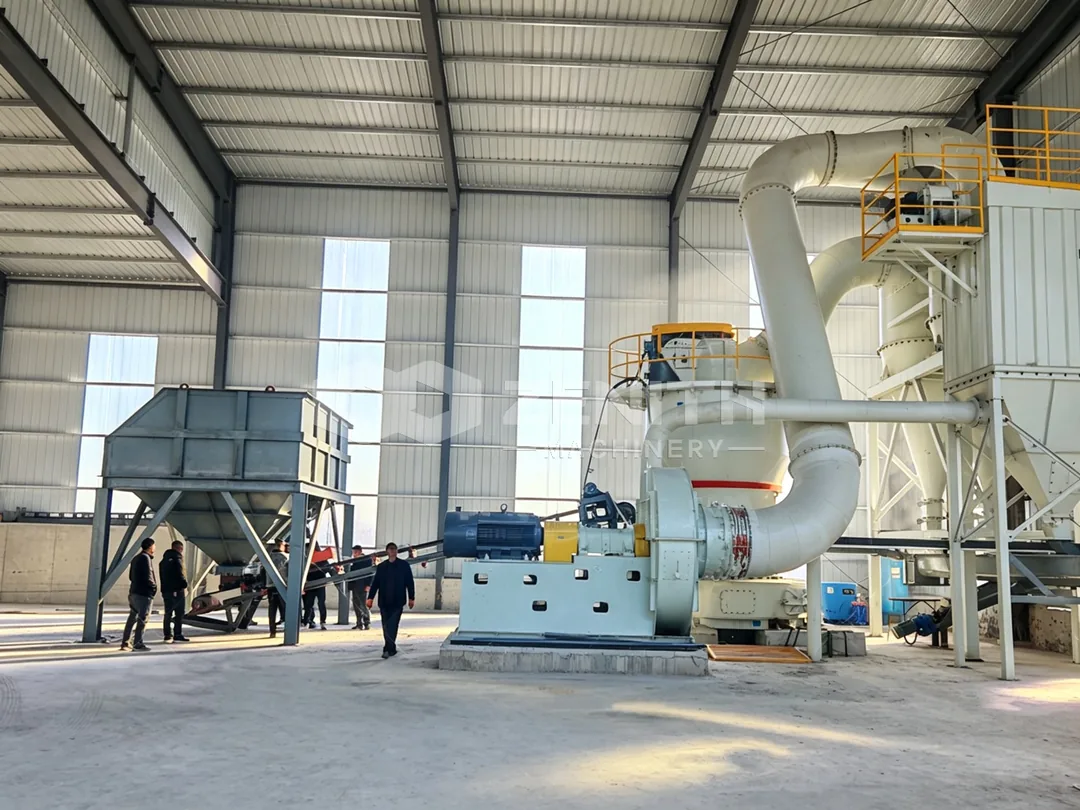
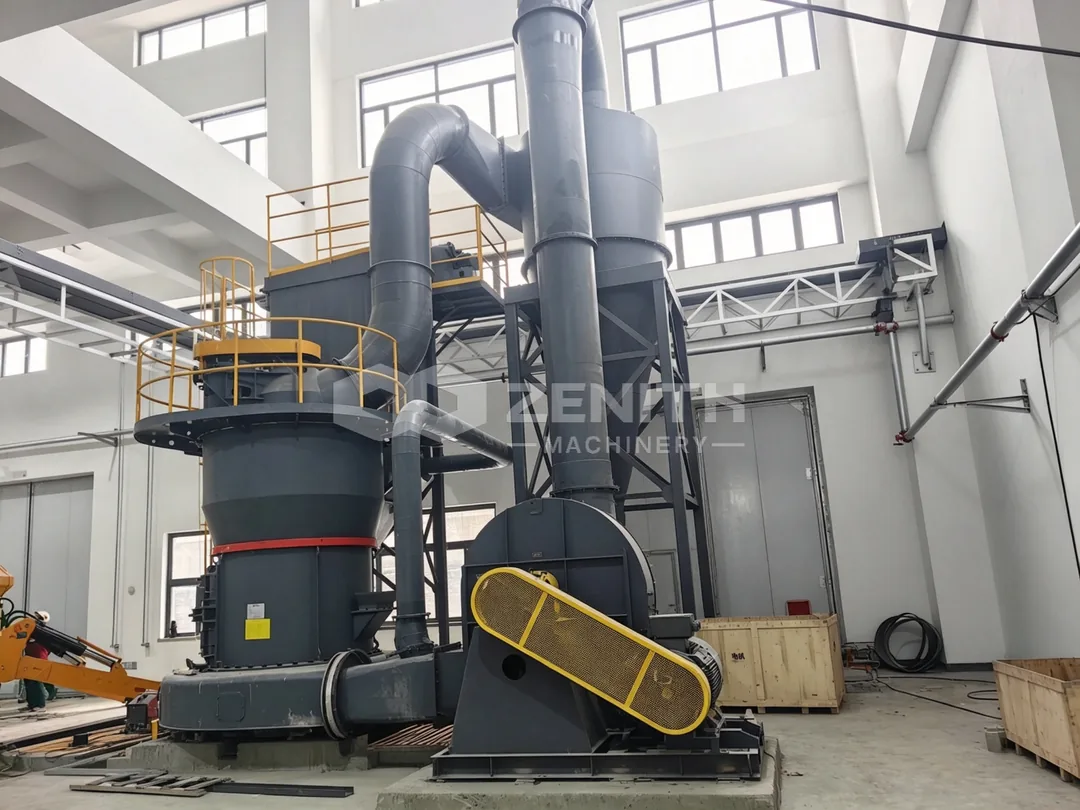
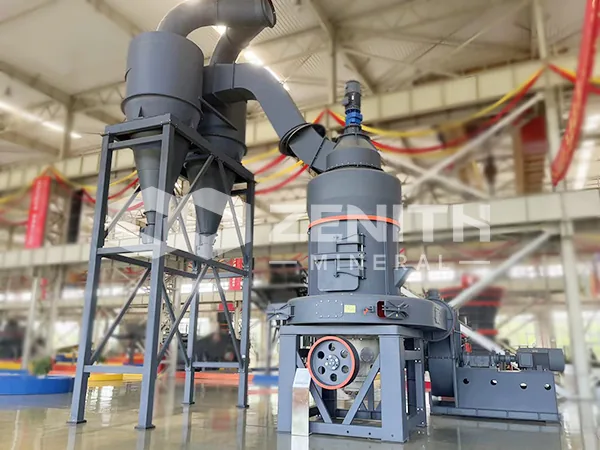
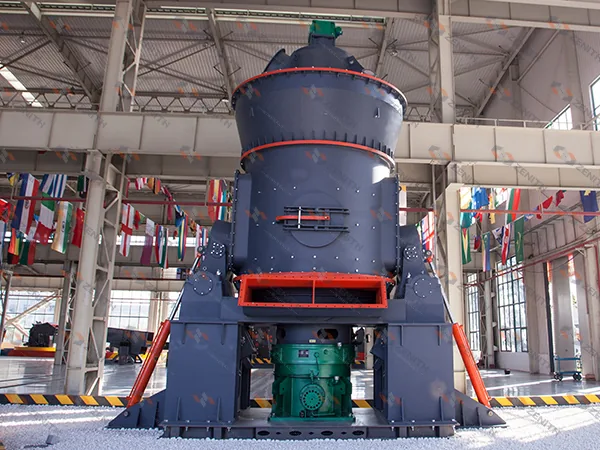
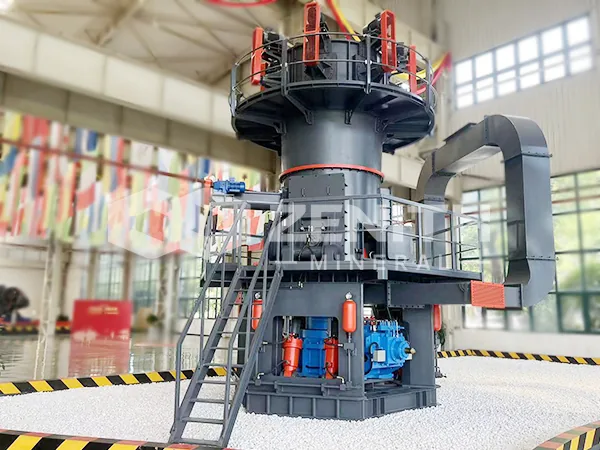
Enter the XZM Ultrafine Grinding Mill, Zenith's engineered solution for precision micronization. This mill is not an incremental improvement but a paradigm shift for producing powders in the 325 to 3000 mesh range. Its design philosophy centers on simplicity, reliability, and precise control. The heart of the system is its advanced classification module. Equipped with a Variable Frequency Drive (VFD), the classifier rotor's speed can be finely tuned via the electric control panel, allowing for arbitrary adjustment of product fineness between 325 and 2500 meshes. For talc targeting 2000 mesh (approximately D97 ≤ 6.5µm), this means operators can dial in the exact specification with repeatable accuracy, ensuring batch-to-batch consistency that is critical for premium applications.
_1768643932812.jpg)
The efficiency gains are substantial. Compared to alternative ultrafine milling technologies like air-jet mills or stirring mills, the XZM mill demonstrates 40% higher efficiency and 70% lower energy consumption for the same output. This is achieved through its optimized grinding mechanics where material is fed onto a rotating turntable and crushed by multiple grinding rollers under centrifugal force. A key design innovation is the safe structural design of the grinding chamber, which eliminates rolling bearings and screws. This removes chronic failure points like bearing seizure and seal vulnerability, drastically reducing unplanned downtime and maintenance costs.
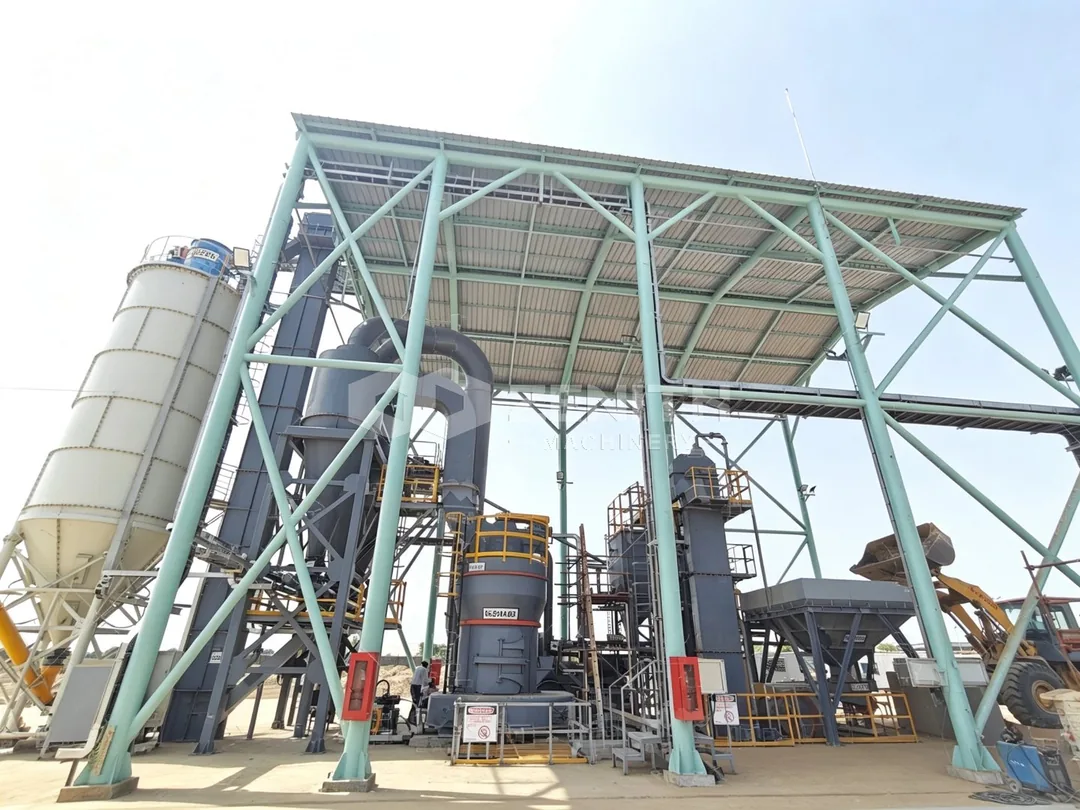
The workflow is a model of integrated efficiency. Crushed talc is fed into the main machine, ground on the turntable, and then transported by airflow into the classifier. Here, the precision separation occurs: particles meeting the 2000 mesh fineness proceed to the cyclone and pulse dust collector for product collection, while oversized particles are instantly returned for re-grinding. The entire system operates under negative pressure, ensuring no dust spillage and contributing to a clean, environmentally compliant workshop that meets stringent international standards.
_1768643932814.jpg)
For a talc processing plant, the benefits translate directly to the bottom line. The XZM mill's ability to achieve 2000 mesh in a single classification step simplifies the process flow, reduces the need for multiple milling stages, and lowers overall capital investment. Its high efficiency slashes operational energy costs, a major expense in continuous grinding operations. Furthermore, the consistent quality of the output—characterized by a narrow particle size distribution—enhances the performance of talc as a functional filler, allowing producers to command higher prices in specialized markets.
In conclusion, as industries demand ever-finer and more consistent mineral powders, the limitations of conventional grinding equipment become apparent. For producing 2000 mesh talc, the XZM Ultrafine Grinding Mill stands out as a specialized, robust, and intelligent solution. It encapsulates Zenith's commitment to advancing powder technology, offering processors a reliable path to superior product quality, sustainable operation, and strengthened market competitiveness.
Frequently Asked Questions (FAQs)
- What is the typical capacity range of the XZM mill for producing 2000 mesh talc?
The capacity varies based on model and talc hardness, but the XZM series generally offers a range from 0.5 to 25 tons per hour. For 2000 mesh output, the capacity would be on the lower end of this spectrum, focusing on ultra-fine precision grinding. - How does the XZM mill ensure the purity of talc, preventing iron contamination?
The grinding chamber is designed with special linings, and the system's configuration minimizes metal-to-metal contact in the grinding zone. Additionally, the design without rolling bearings in the chamber eliminates a primary source of iron contamination from bearing wear. - Can the XZM mill handle other minerals besides talc to a similar fineness?
Absolutely. The XZM mill is versatile and suitable for ultrafine grinding of various non-metallic minerals with Mohs hardness below 7, such as calcite, limestone, dolomite, kaolin, barite, and gypsum, all capable of reaching 2000 mesh. - What is the power consumption comparison between the XZM and a traditional ball mill for 2000 mesh production?
The XZM mill is significantly more energy-efficient. It consumes up to 70% less energy than a ball mill of comparable output when producing ultrafine powder, due to its more efficient grinding principle and integrated classifier. - Is the fineness adjustment from, say, 800 mesh to 2000 mesh a quick process?
Yes. Adjusting the fineness is primarily achieved by changing the rotational speed of the classifier rotor via the VFD on the control panel. This change can be made in minutes without stopping the mill, allowing for great operational flexibility. - How does the system handle moisture in the feed material?
For standard XZM mill operation, a certain low moisture content is acceptable. However, for materials with higher moisture, Zenith can provide integrated drying systems using hot air from a furnace or hot air generator to dry and grind simultaneously. - What are the key wear parts, and what is their typical service life?
The primary wear parts are the grinding rollers and rings. Their service life depends on material abrasiveness but is typically several thousand hours. Their design allows for relatively straightforward replacement or refurbishment to maintain performance.