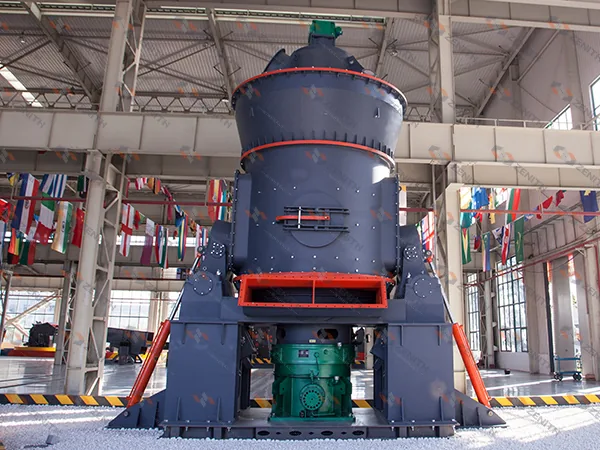
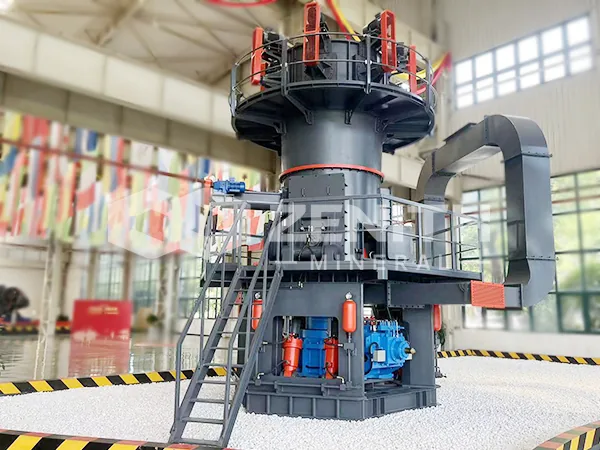
Raymond mill for processing gypsum powder
2026-01-17 00:56:36
In the world of industrial mineral processing, few materials are as versatile and widely used as gypsum. From the construction industry, where it forms the backbone of drywall and plaster, to agriculture, ceramics, and food additives, the demand for high-quality gypsum powder is constant and growing. The key to meeting this demand efficiently lies in the heart of the processing line: the grinding mill. For decades, the Raymond mill, particularly in its modern, high-performance iterations, has been the equipment of choice for transforming raw gypsum into fine and ultra-fine powders. As a hi-tech engineering group with decades of specialization in powder grinding, we at Shanghai Zenith Machinery understand that selecting the right mill is not just about purchase price; it's about total cost of ownership, product quality consistency, and operational reliability.
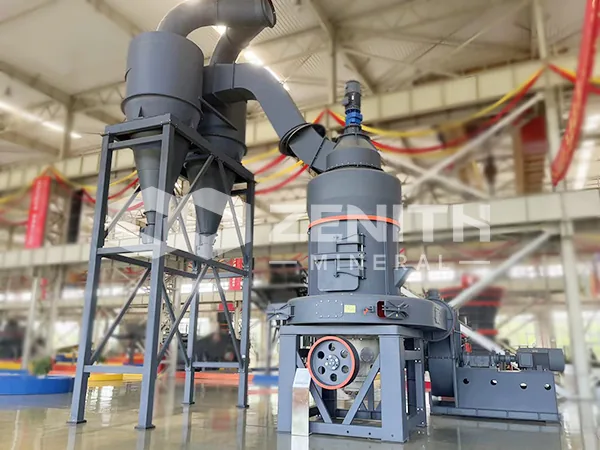
Modern Raymond mill technology, as exemplified by our advanced series, has evolved far beyond its original design. Today's systems are engineered for precision, efficiency, and environmental compliance. When processing gypsum, specific challenges arise: the material can have varying moisture content, requires controlled fineness for different applications (often between 80 mesh for construction and 325 mesh or finer for industrial uses), and its soft, abrasive nature demands wear-resistant components. A well-chosen Raymond mill addresses all these points seamlessly.
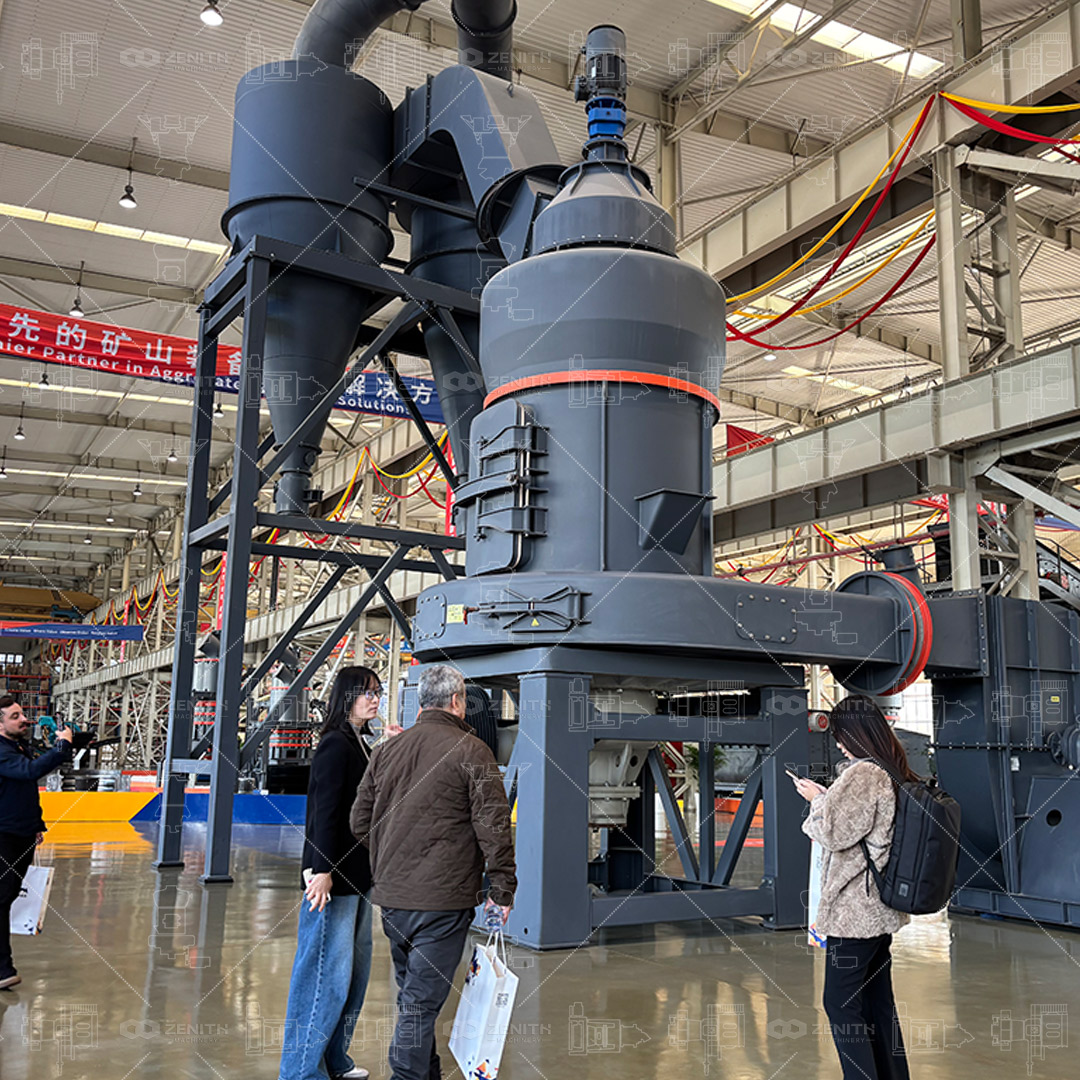
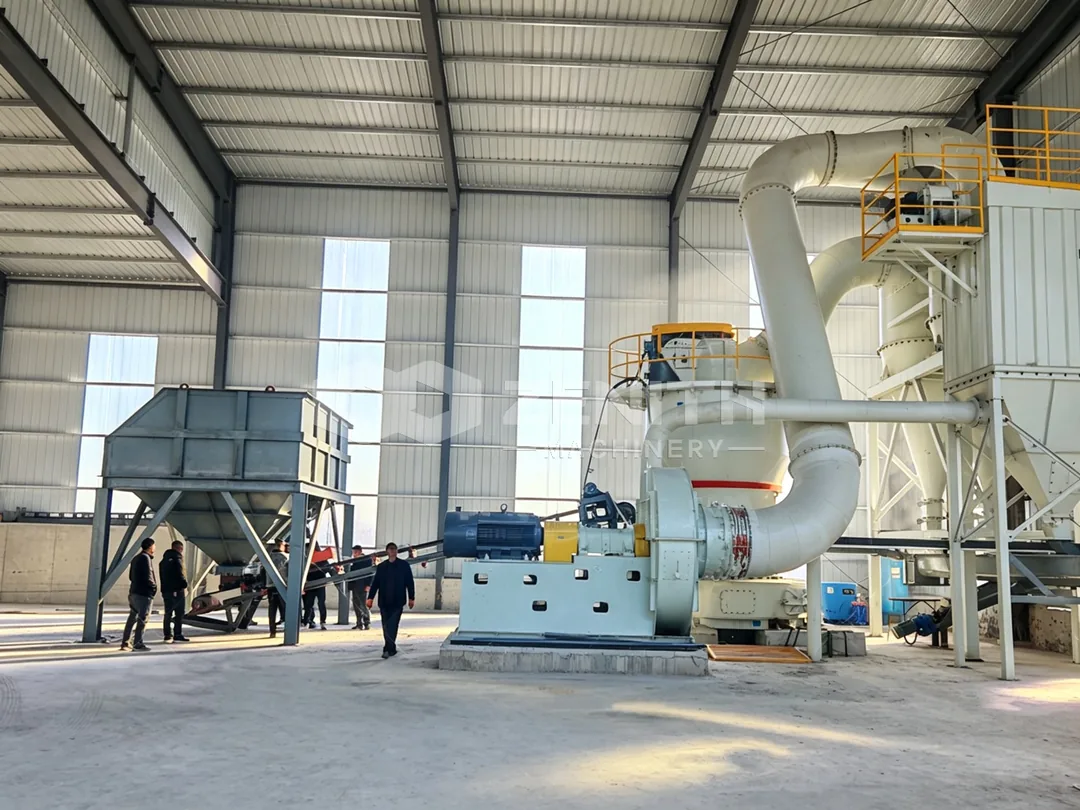
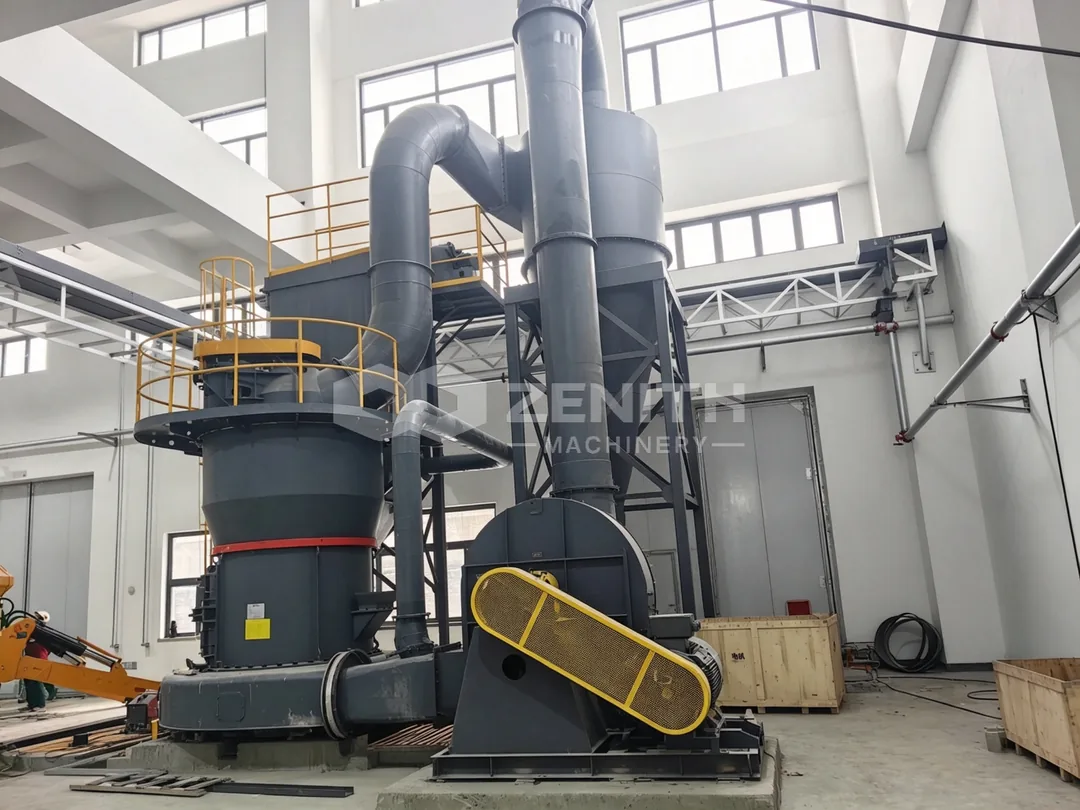
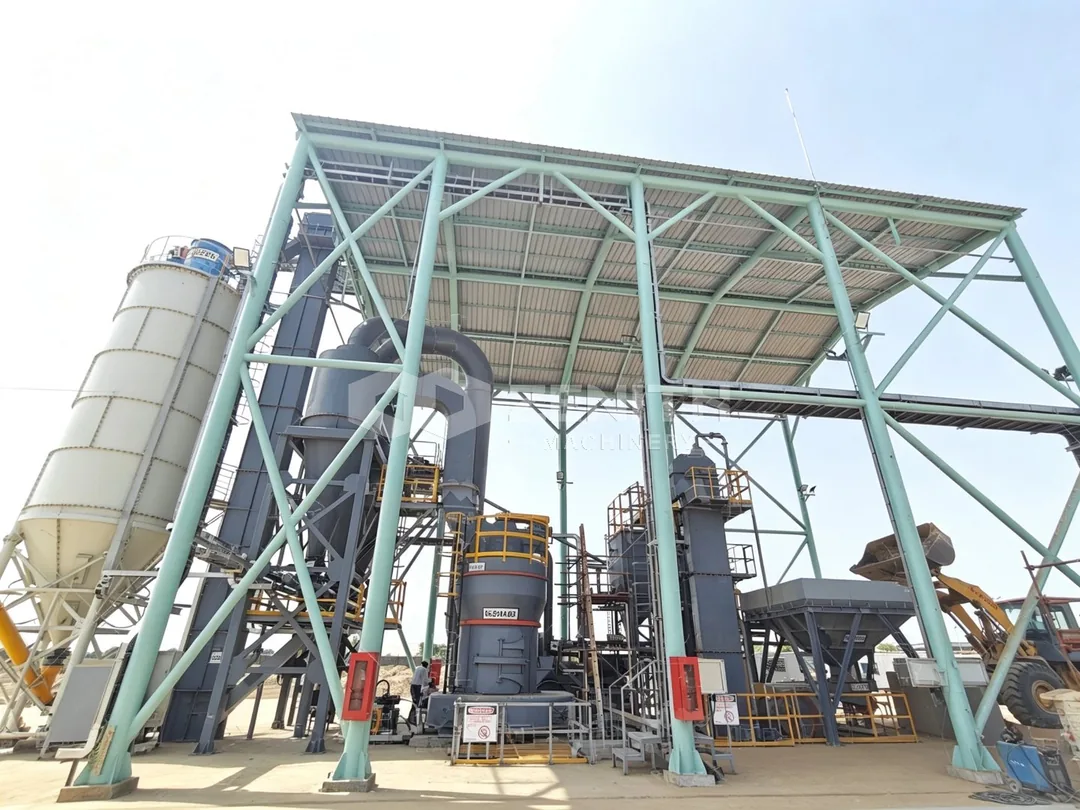
Our flagship grinding solutions, such as the MTW European Trapezium Mill and the upgraded Raymond Mill, are particularly well-suited for gypsum. They offer a compelling advantage with an energy consumption reported to be over 60% lower than traditional ball mills of the same grade. For a high-volume operation, this translates into massive savings on power costs. Furthermore, their integrated design—from bulk material handling to finished powder collection—minimizes the plant footprint and foundational investment. You get a complete, closed-loop system that is ready for integration.
One of the most critical aspects of gypsum powder production is achieving and maintaining the target fineness. Our mills feature an intelligent modular impeller adjustment system. This allows operators to produce different product specifications—from coarse filler grades to fine industrial powders—simply by changing impellers, without requiring major mechanical overhauls. This flexibility is invaluable for producers serving multiple market segments. Additionally, the high-efficiency impeller fan, with an induced air efficiency boosted from 62% to 85%, ensures stable material circulation and classification, leading to a uniform product with a well-distributed particle size. In fact, our Raymond Mill achieves an exceptional screening efficiency where 99% of the final powder passes through the target mesh.
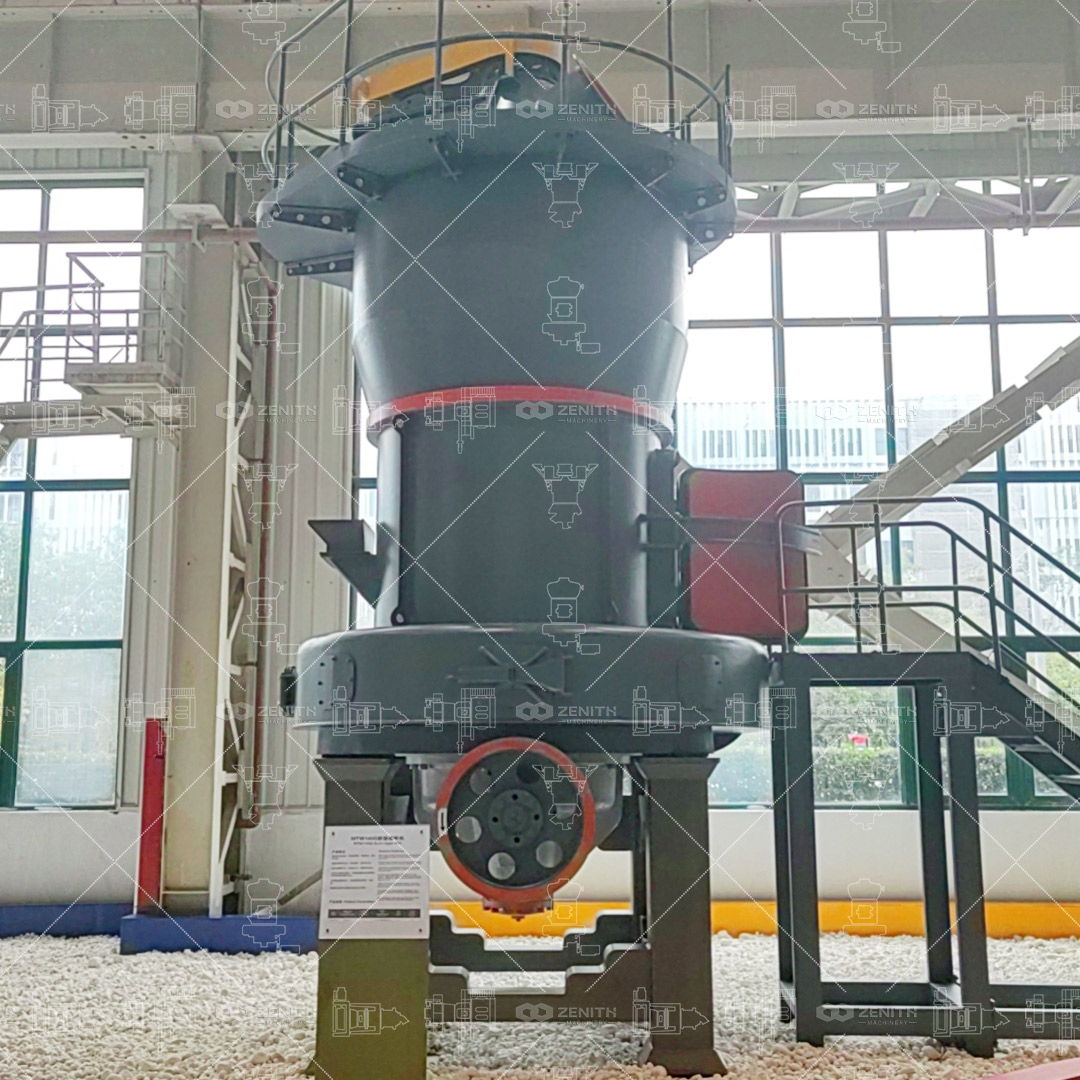
Operational stability and low maintenance are non-negotiable. Key components in our mills are constructed from high-quality steel and abrasion-resistant materials to withstand the grinding of gypsum. The intelligent electrical control system enables automated, labor-free operation in the workshop, further reducing long-term operational costs and human error. The entire system operates under negative pressure, with integrated pulse dust collectors, ensuring a clean working environment that meets stringent international environmental standards like the EU CE certification, which our equipment holds.
For producers aiming at the very high end of the fineness spectrum, such as producing gypsum powder for premium plastics or coatings, our LUM Ultrafine Vertical Grinding Mill and XZM Ultrafine Grinding Mill present excellent options. These mills can effortlessly reach fineness levels from 1250 to 3250 mesh, integrating powder grinding, separation, and transportation into a single, highly automated unit. They offer precise control over particle size and chemical purity, which is crucial for specialized applications.
_1768582596356.jpg)
Ultimately, the choice of a Raymond mill for gypsum powder processing hinges on your specific capacity requirements, desired product range, and site conditions. With a global network supporting over 180 countries, our engineering team can help you analyze these factors to select the optimal model—be it the robust and proven MTM series, the high-capacity MTW series, the vertical efficiency of the LM mill, or the ultrafine capabilities of the LUM and XZM. The goal is to provide not just a machine, but a reliable, efficient, and profitable powder production solution.
Frequently Asked Questions (FAQs)
- What is the typical output fineness range for gypsum powder using your Raymond mills?
Our standard Raymond Mill (High-pressure Grinding Mill) can produce gypsum powder from 10 to 325 mesh. The MTW/MTM European Trapezium Mills cover 30-400 mesh, while our ultrafine mills (XZM, LUM) can achieve 325-3250 mesh for specialized applications. - How does the energy consumption compare to a traditional ball mill?
Under ideal working conditions, our MTW and MTM series trapezium mills consume more than 60% less energy than a ball mill of the same grade and output capacity, offering significant operational cost savings. - Is the system environmentally friendly regarding dust emission?
Yes. All our milling systems operate under negative or closed-circuit pressure and are equipped with high-efficiency pulse dust collectors (bag filters). This design contains dust effectively, ensuring emissions meet international environmental protection standards. - Can one mill produce multiple grades of gypsum powder for different customers?
Absolutely. Mills like the MTW, MTM, and Raymond Mill feature a modular impeller adjustment device or a variable frequency drive (VFD) classifier. Changing the impeller or adjusting the classifier speed allows you to switch between different fineness levels without major downtime. - What is the advantage of the integrated system design?
The integrated design includes feeding, grinding, classifying, and collecting in one coherent system. This reduces the occupied area, lowers investment in auxiliary equipment and plant foundation, and simplifies the overall material flow, enhancing reliability. - How automated is the operation and control?
Our mills are equipped with intelligent control systems that allow for remote monitoring and local control. Key parameters can be set and adjusted from the electric control panel, enabling labor-free operation in the main workshop and reducing operational costs. - What certifications do your grinding mills hold?
Our equipment is certified to international standards, including ISO quality management system certification, the European Union's CE certification, and the Customs Union CU-TR certification, ensuring safety, quality, and market accessibility. - What about after-sales service and technical support?
With overseas offices in more than 30 countries and a marketing network covering over 180 regions, we provide localized spare parts support, technical consulting, and maintenance services to ensure your mill operates at peak performance throughout its lifecycle.