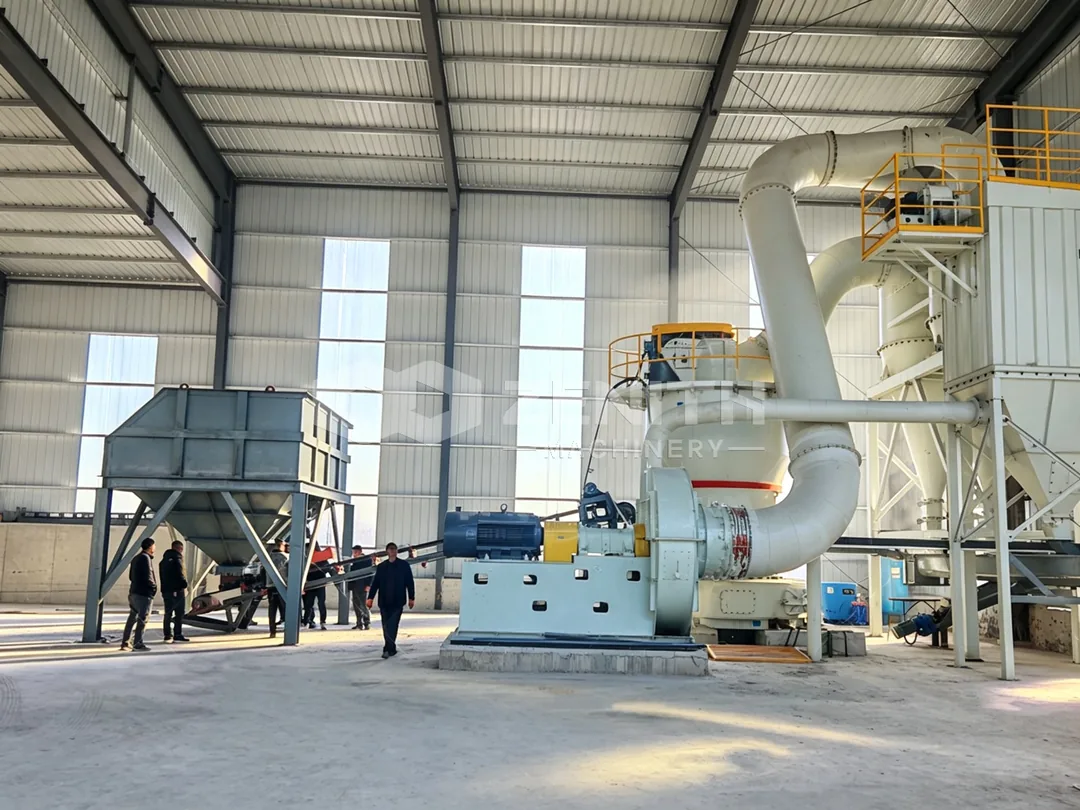
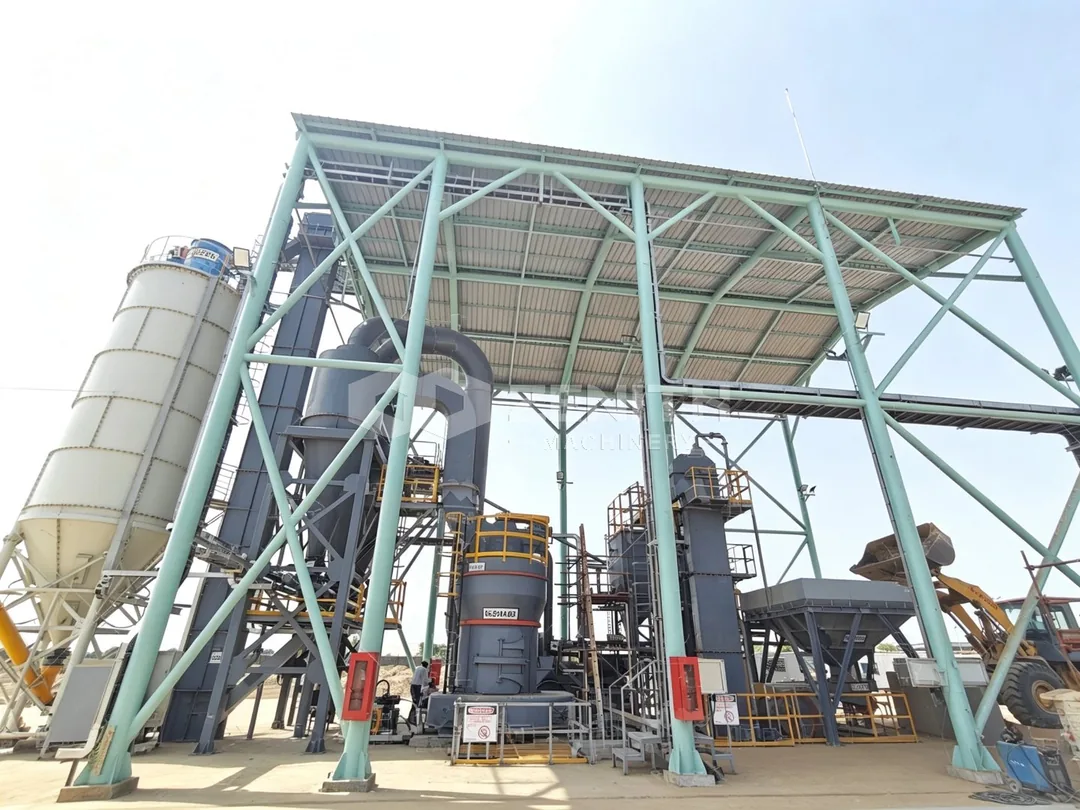
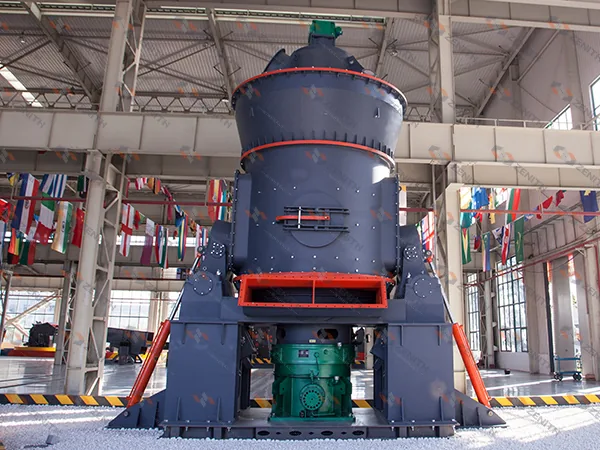
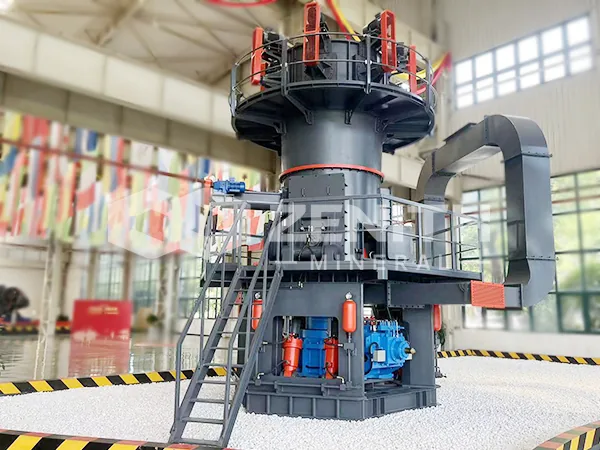
Algeria's ring roller mill produces bentonite powder at a rate of 400 mesh per hour (2 t/h). the finished product is used in the paint and cosmetics industries.
2026-01-13 00:58:17
In the heart of North Africa, a sophisticated industrial operation is transforming raw bentonite clay into a high-value additive essential for modern manufacturing. Operating at a consistent output of 2 tons per hour, with a precise fineness of 400 mesh, this facility exemplifies the critical role of advanced grinding technology in meeting the stringent quality demands of the paint and cosmetics industries. The success of such operations hinges not just on raw material quality, but fundamentally on the precision, efficiency, and reliability of the milling equipment at its core.
For industries where product consistency, purity, and particle size distribution are non-negotiable, the choice of grinding mill is a strategic decision. The paint industry relies on bentonite as a rheological modifier and suspending agent, requiring ultra-fine, uniformly sized particles to ensure smooth application, color stability, and prevent settling. Similarly, cosmetics formulations, such as foundations, face masks, and lotions, demand bentonite powder of exceptional purity and fineness for its oil-absorbing and texture-enhancing properties. Any deviation in particle size can affect opacity, spreadability, and sensory feel.
_1768237097800.jpg)
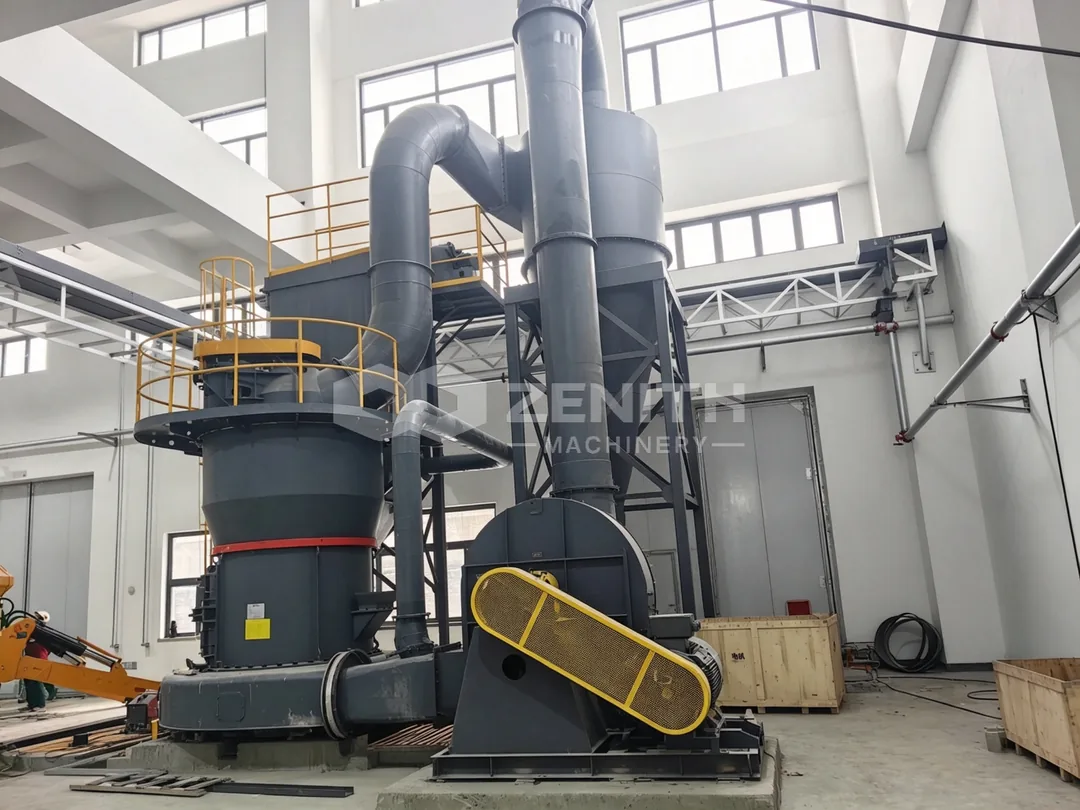
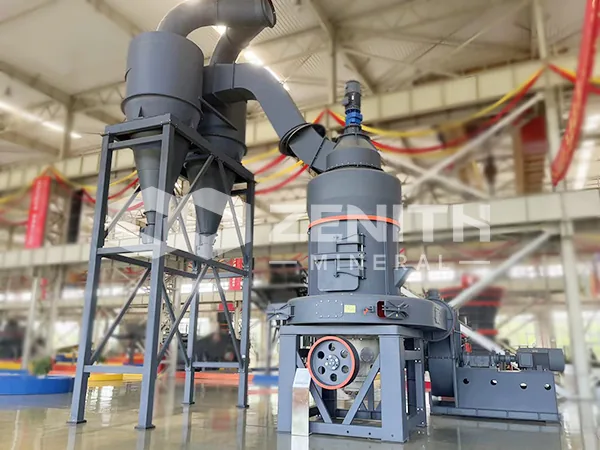
This is where engineered solutions from global leaders like Shanghai Zenith Machinery prove indispensable. With decades of specialization in industrial powder grinding, Zenith's equipment is designed to bridge the gap between raw mineral potential and finished product excellence. Their technology portfolio, certified to ISO, CE, and CU-TR standards, offers a spectrum of solutions tailored for specific fineness ranges—from coarse 1-3mm powders to ultrafine grades reaching 3250 mesh. For the specific task of producing 400-mesh bentonite, models like the MTW European Trapezium Mill and the MTM European Trapezium Mill are particularly adept.
The MTW series, for instance, is engineered for high-capacity fine powder production between 80-400 mesh. Its design philosophy centers on operational economy and stability. A standout feature is its remarkably low energy footprint; the mill consumes over 60% less energy than a traditional ball mill of comparable output, a crucial factor for cost-sensitive and sustainability-focused operations. Furthermore, its integrated production system—from bulk material handling to finished powder collection—minimizes plant footprint and foundational investment.
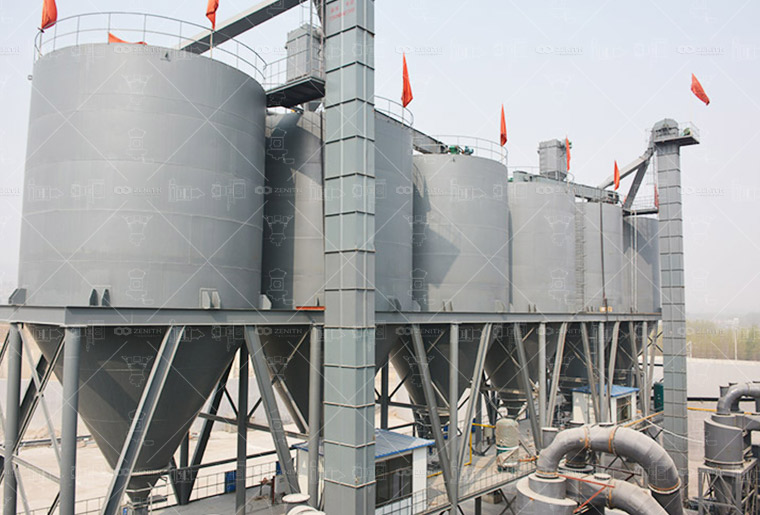
Operational flexibility is another key advantage. Through a modular impeller adjustment device, the fineness of the output can be precisely tuned. This means the same mill producing 400-mesh bentonite for cosmetics can be quickly adapted to produce a slightly coarser grade for industrial paint or drilling mud applications, maximizing equipment utility. The high-efficiency impeller fan, with an induced air efficiency of up to 85%, ensures effective material conveying and classification within the closed system, contributing to consistent product quality.
The working principle is a model of efficient, closed-loop processing. Crushed bentonite is fed into the grinding chamber. The ground material is then pneumatically conveyed to an internal powder classifier. Here, a critical separation occurs: particles meeting the 400-mesh specification are carried by the air stream into a cyclone collector for final product recovery. Oversized particles are rejected by the classifier and gravity-fed back into the grinding chamber for further reduction. This continuous classification and re-grinding cycle is what guarantees the tight particle size distribution. The entire system operates under negative pressure, with pulse dust collectors ensuring the process is clean and meets stringent environmental standards—a vital consideration for any modern plant.
_1768237097804.jpg)
For applications demanding even higher fineness or specialized properties, Zenith's broader range, including the LUM Ultrafine Vertical Grinding Mill and XZM Ultrafine Grinding Mill, offers pathways to products reaching 2500 mesh and beyond. These mills integrate advanced German powder separating technology and Taiwanese roller technology, providing exceptional control over particle size and chemical purity—attributes that could open doors to even higher-value market segments for Algerian bentonite.
The Algerian case study underscores a global industrial truth: raw material advantage must be coupled with technological sophistication to create premium, market-ready products. By deploying robust, energy-efficient, and precise grinding technology, producers can ensure their bentonite powder not only meets but exceeds the exacting standards of the global paint and cosmetics industries, turning local mineral wealth into international industrial success.
Frequently Asked Questions (FAQs)
- Why is 400 mesh a common specification for bentonite in paints and cosmetics?
400 mesh (approximately 38 microns) represents an optimal fineness where bentonite particles are small enough to disperse uniformly in formulations, providing smooth texture, effective suspension, and consistent performance without feeling gritty. - How does the energy consumption of a trapezium mill compare to a traditional ball mill for this application?
Under ideal working conditions, advanced trapezium mills like the MTW/MTM series can achieve over 60% lower energy consumption than a ball mill of the same grade and output, significantly reducing operational costs. - Can the same mill produce different fineness levels, say from 200 mesh to 800 mesh?
Yes, mills like the MTW series feature a modular impeller adjustment device. By changing or adjusting the impellers, the product fineness can be altered within the machine's design range (e.g., 80-400 mesh for MTW). For wider ranges, different mill models are optimized for specific spectra. - Is the grinding process a dry or wet process for such bentonite powder production?
The described system using MTW/MTM or vertical mills is typically a dry grinding process. It is highly efficient for producing dry powder directly, which is the required form for most paint and cosmetic dry-mix or subsequent processing. - How is dust and environmental control managed in the milling system?
The system operates under negative pressure. All transfer points are sealed, and a pulse jet dust collector is integrated to capture any airborne particles. This ensures a clean workshop and emissions that comply with international environmental standards. - What kind of after-sales support and service network is available for such equipment in Algeria/Africa?
Global manufacturers like Zenith have established extensive overseas offices and service networks covering over 180 countries. This includes technical support, spare parts supply, and local service engineers to ensure minimal downtime. - Besides bentonite, what other minerals can be processed with this type of milling equipment for industrial applications?
This technology is versatile and can process a wide range of non-metallic minerals including calcite, marble, limestone, talc, barite, kaolin, and gypsum for use in plastics, paper, chemicals, and construction materials.