Algeria 20t/h limestone grinding mill, finished product fineness 50-90 microns - customer case study
2026-01-12 17:58:09
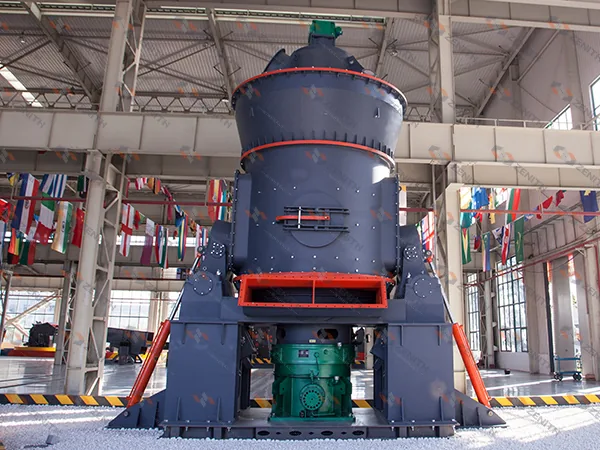
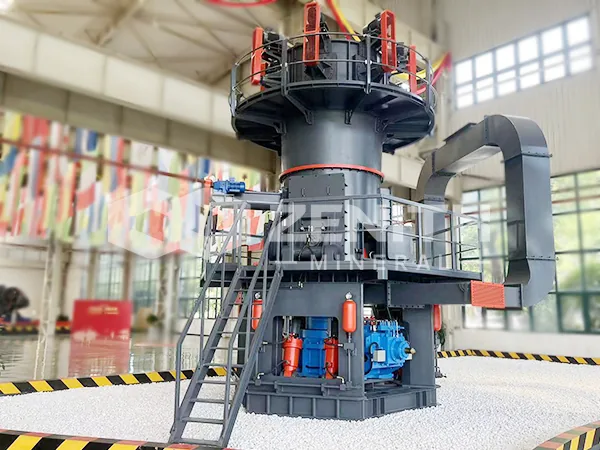
In the heart of North Africa, a prominent Algerian construction materials producer faced a critical challenge: upgrading their limestone processing line to consistently produce high-quality fine powder for use in wall putty, paints, and agricultural applications. Their requirement was specific – a reliable system capable of processing 20 tons per hour of raw limestone into a finished product with a fineness range of 50 to 90 microns (approximately 170 to 300 mesh). After a thorough evaluation of global suppliers, they partnered with Shanghai Zenith Machinery Co., Ltd., selecting our MTW European Trapezium Mill as the core of their new grinding plant.
_1768211889565.jpg)
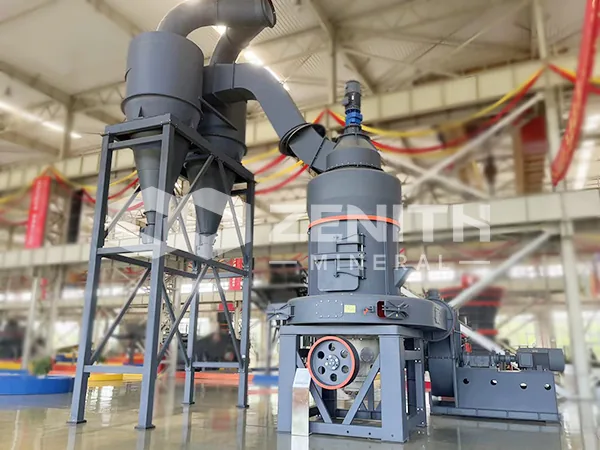
The client's existing operation struggled with high energy costs, inconsistent particle size distribution, and significant maintenance downtime. Zenith's engineering team conducted a detailed site analysis and material test. Given the required capacity and fineness, the MTW215 European Trapezium Mill was identified as the optimal solution. Its design philosophy perfectly aligned with the client's needs for efficiency, adjustability, and operational economy.
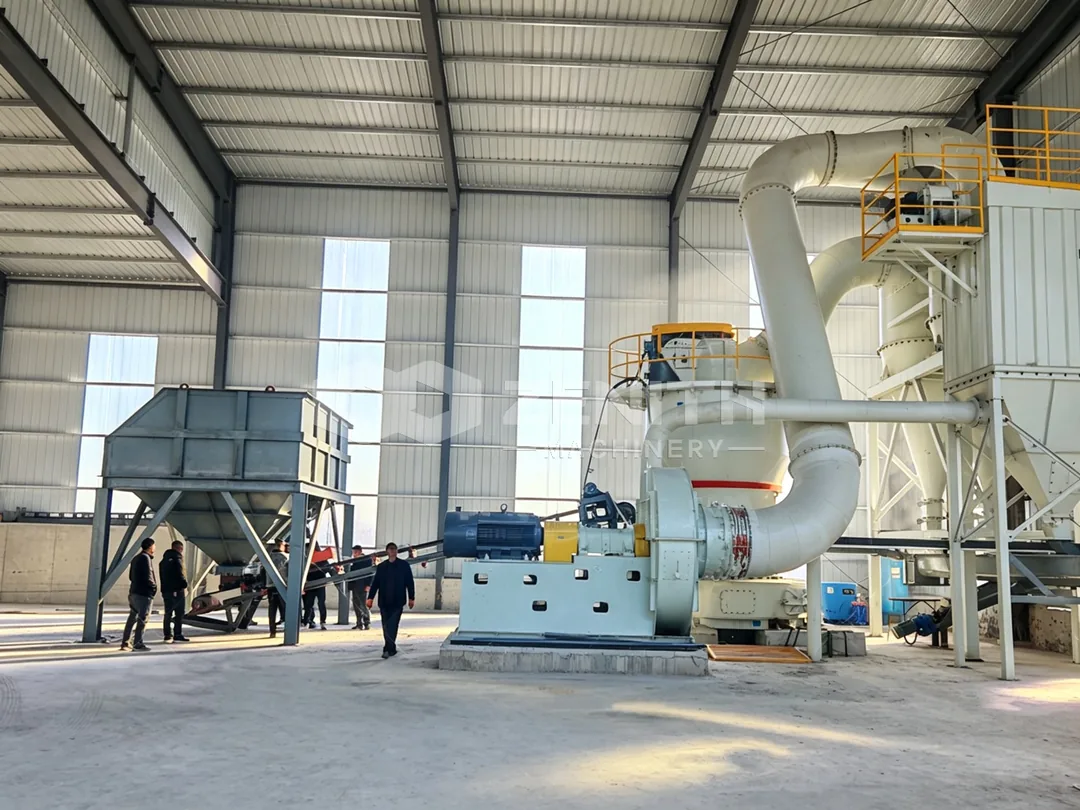
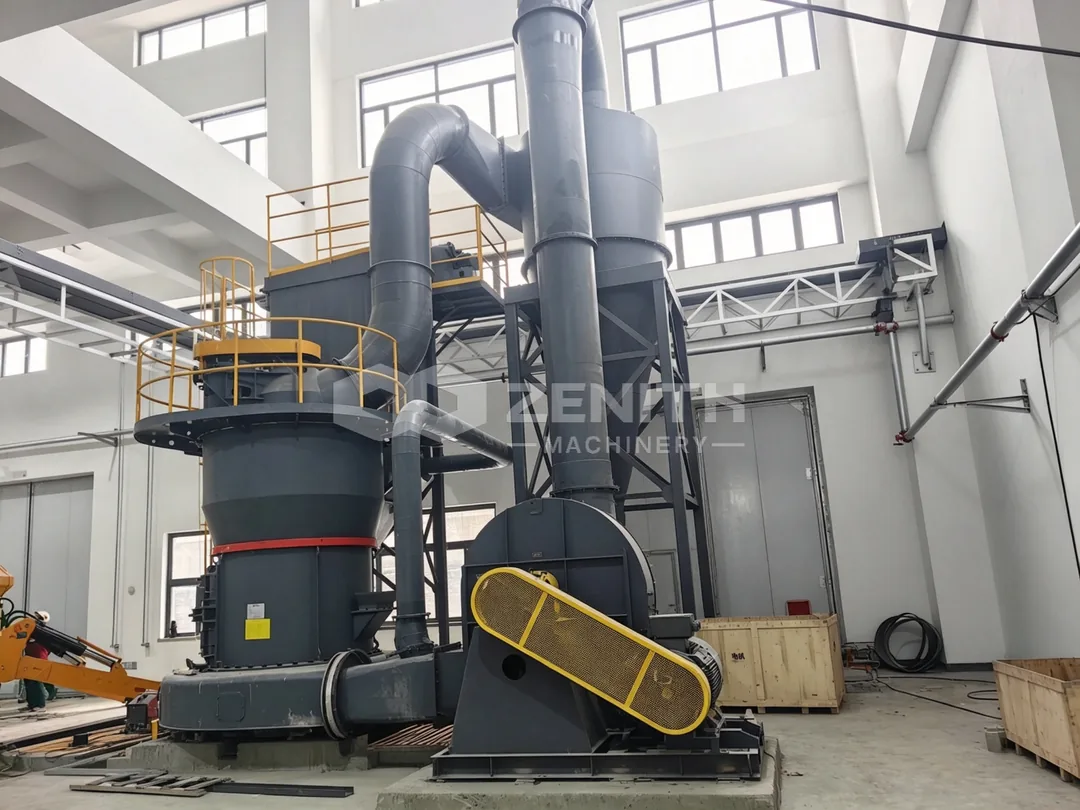
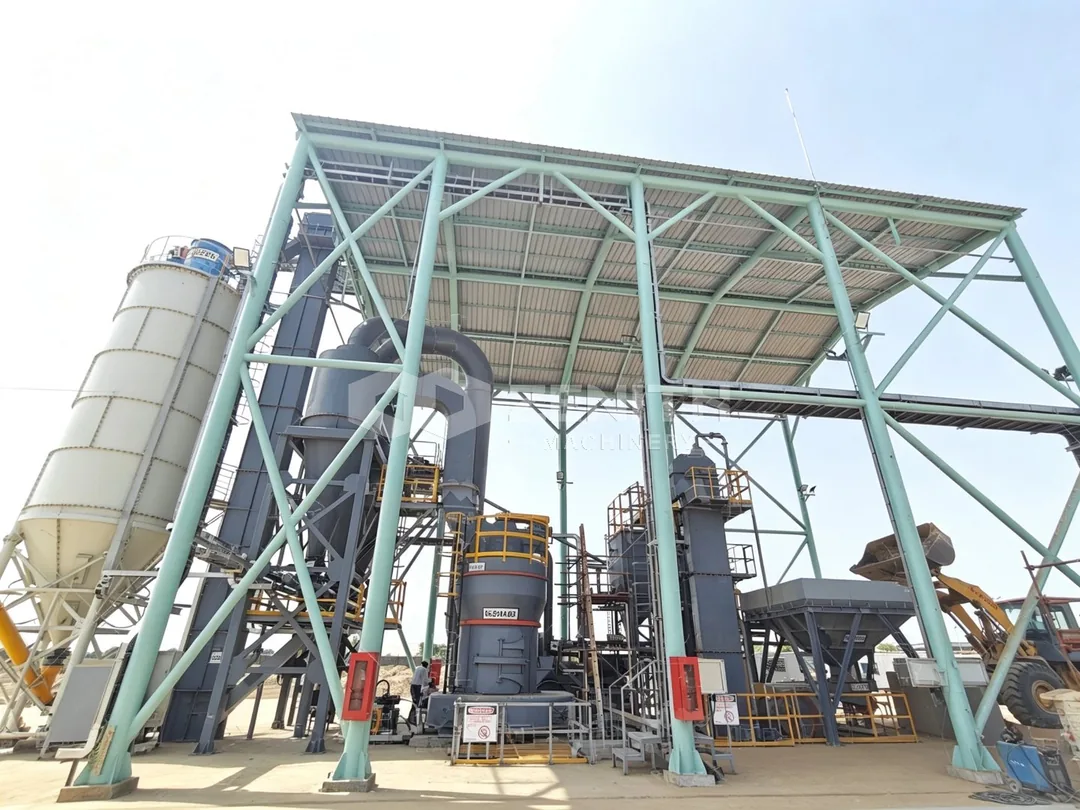
The installation was completed within the scheduled timeframe. The system's integrated design, from bulk material feeding to final powder collection, required a remarkably small footprint, saving the client substantial investment in plant infrastructure. The heart of the system, the MTW215 mill, began operation seamlessly. Its modular impeller adjustment device allowed the operators to easily fine-tune the output to precisely hit the 50-90 micron target by simply changing impellers, providing exceptional flexibility for different product specifications.
_1768211889569.jpg)
The performance results were immediately evident. The most impactful metric was energy consumption. As designed, the MTW series mill's grinding mechanism and high-efficiency impeller fan (with 85% air induction efficiency) led to an energy saving of over 60% compared to the traditional ball mill technology previously considered. This translated directly into a drastic reduction in the client's operating costs, a key factor in their competitive market.
Furthermore, the system's stability ensured a consistent product quality. The working principle—whereby crushed material is classified by the powder selector, with coarse powder automatically recycled for re-grinding—guaranteed a uniform fineness distribution. The enclosed system operating under negative pressure, coupled with the pulse dust collector, ensured a clean and environmentally friendly production site, meeting both local regulations and the client's own sustainability goals.
_1768211889573.jpg)
Today, the grinding line runs continuously, supplying high-grade limestone powder to various industries. The client has praised not only the performance of the equipment but also the professional support from Zenith's local office in the region, which ensured smooth commissioning and provides ongoing technical service. This project in Algeria stands as a testament to how Zenith's tailored solutions, backed by global engineering expertise and certified quality (ISO, CE, CU-TR), deliver tangible industrial success.
_1768211889578.jpg)
Frequently Asked Questions (FAQs)
- Why was the MTW European Trapezium Mill chosen over a ball mill for this 20t/h limestone project?
The primary reasons were energy efficiency and lower overall investment. The MTW Mill consumes over 60% less energy than a ball mill of equivalent output. It also has a compact, integrated production system, reducing costs for plant construction and foundation. - How is the fineness adjusted on the MTW Mill to stay within the 50-90 micron range?
Fineness is easily adjusted using the modular impeller adjustment device. By changing or adjusting the impellers in the powder selector, the classification cut point can be precisely controlled without stopping the mill, allowing flexible production within the specified range. - What are the key environmental features of this grinding system?
The system operates under negative pressure with a fully sealed design. It is equipped with a high-efficiency pulse dust collector, ensuring no dust spillage, low noise, and full compliance with stringent environmental protection standards. - Can this mill system handle materials other than limestone?
Yes. The MTW European Trapezium Mill is versatile and widely used for grinding various non-metallic minerals like calcite, dolomite, barite, and talc for applications in chemicals, paints, agriculture, and steel plants. - What is the maximum input size for the MTW215 model, and is pre-crushing needed?
The MTW Mill accepts feed material with a size of 0-35mm. For raw limestone larger than this, a primary jaw crusher or hammer crusher is typically used as pre-crushing equipment to ensure optimal feeding size and mill performance. - How does the system ensure consistent product fineness?
Consistency is achieved through the closed-circuit grinding and classifying process. The internal powder selector continuously separates fine powder from coarse particles. The coarse particles are automatically returned to the grinding chamber for re-grinding, ensuring only on-spec powder is collected as the final product. - What kind of after-sales support does Zenith provide for such international projects?
Zenith provides comprehensive support including foundation drawing design, installation guidance, operator training, and supply of wearing parts. With over 30 overseas offices, local technical teams offer prompt service and maintenance support.