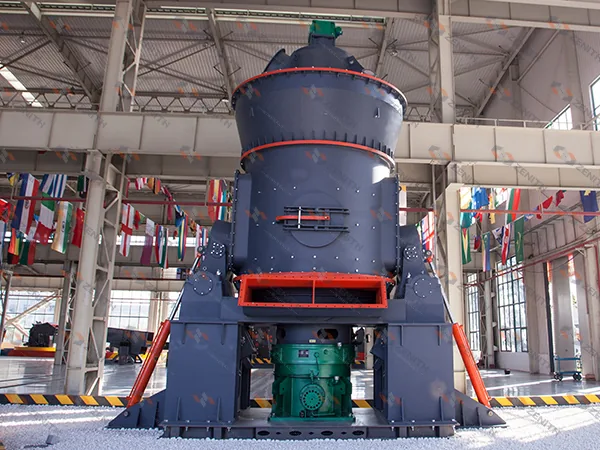
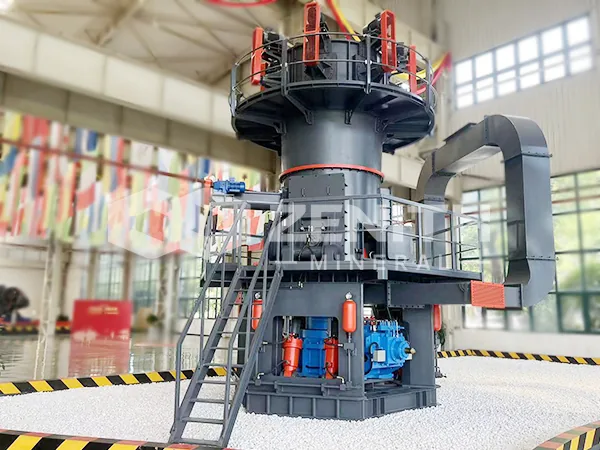
Ethiopia's 20-ton-per-hour limestone grinding mill produces 400-mesh finished products for use in cement plants.
2026-01-12 00:55:00
In the competitive and quality-driven world of cement manufacturing, the preparation of raw materials is not just a preliminary step; it is a foundational pillar determining the final product's strength, consistency, and cost-efficiency. For a cement plant in Ethiopia requiring a consistent supply of 20 tons per hour of finely ground limestone at 400 mesh, selecting the right grinding technology is a critical strategic decision. This case study explores the engineering considerations and optimal equipment solutions for such a demanding application, drawing from proven industrial milling expertise.
The specification—20 TPH at 400 mesh—places this project firmly in the realm of high-capacity, fine-powder production. Limestone, while not the hardest abrasive material, requires a mill that can handle large volumes continuously while maintaining precise particle size distribution. The 400-mesh fineness (approximately 38 microns) is crucial for the raw meal's reactivity in the kiln, influencing burnability and ultimately, clinker quality. A mill that struggles with consistency or consumes excessive energy would directly erode plant profitability.
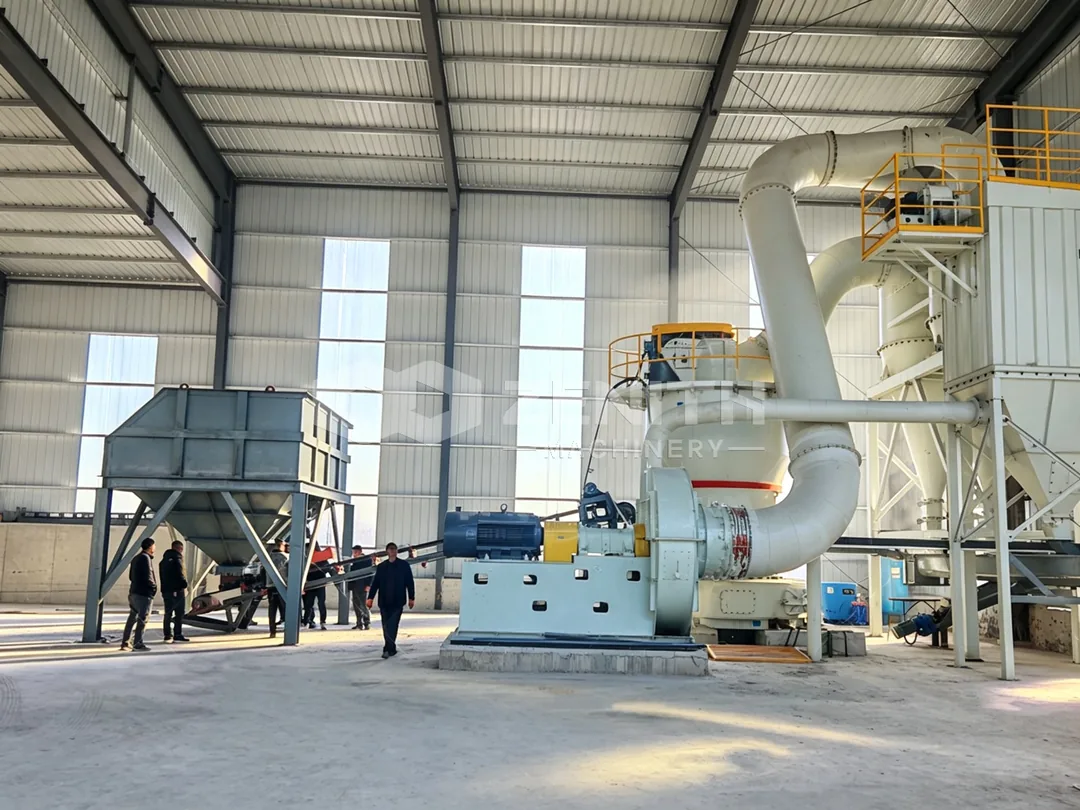
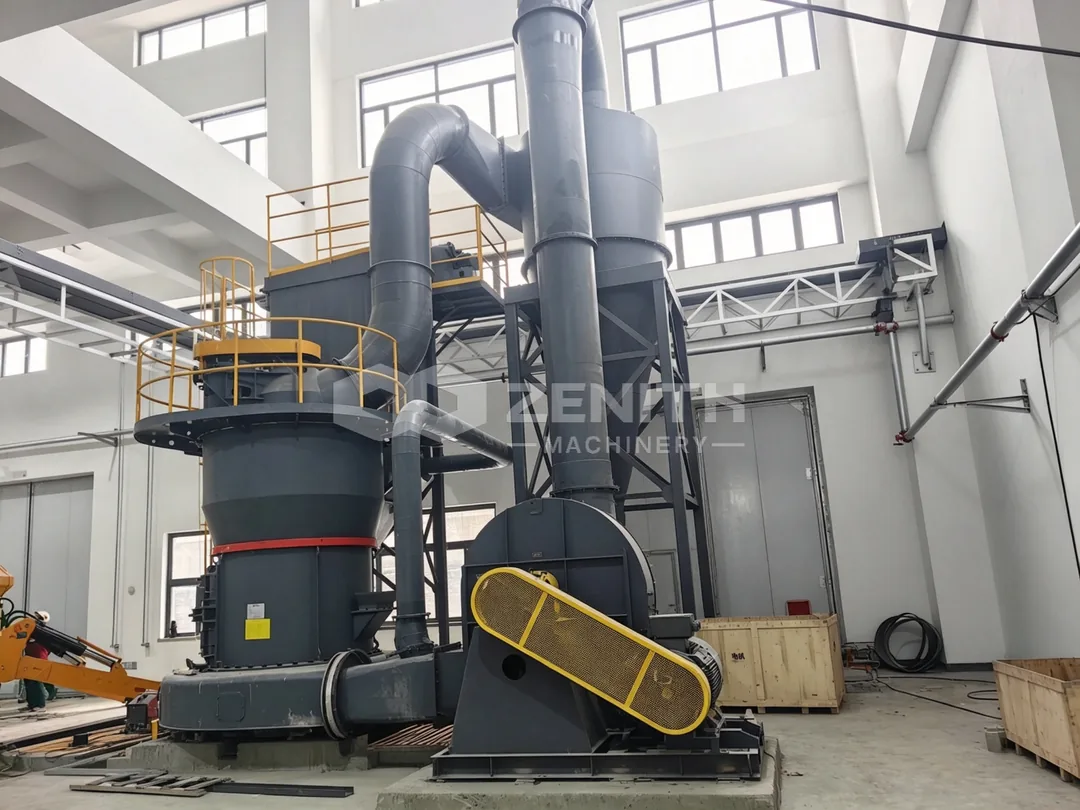
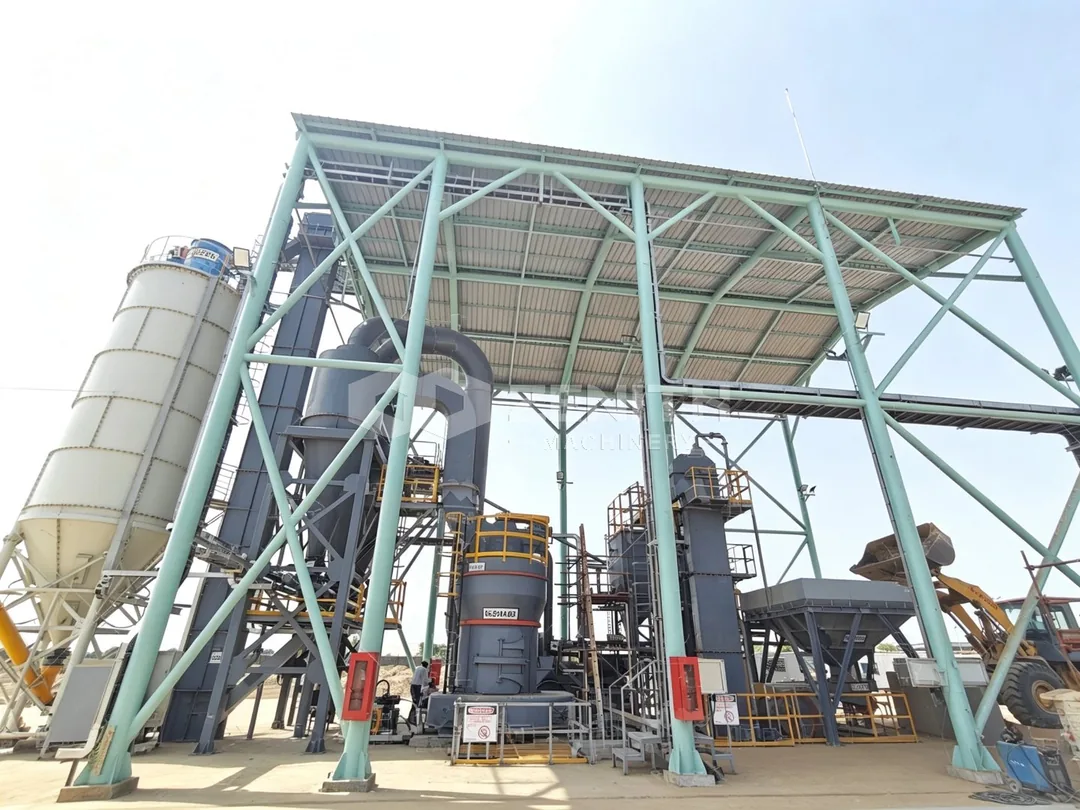
Historically, ball mills have been the workhorse of the industry. However, for this specific Ethiopian application, modern vertical roller mill (VRM) technology presents a compelling, superior alternative. Let's consider the LM Vertical Grinding Mill. Designed for 24/7 constant operation, its capacity range of 3-340 T/H comfortably encompasses the 20-TPH requirement. Its ability to produce powder in the 80-400 mesh range aligns perfectly with the target fineness. The key advantages for a cement plant are multifaceted. First, its integrated design reduces the plant's footprint by approximately 50% compared to a traditional ball mill system, a significant factor in infrastructure planning and cost. Second, and perhaps most critically, its energy consumption is drastically lower. While specific savings depend on material and operation, the efficiency gains of a VRM over a ball mill are well-documented and substantial.
The working principle of the LM Vertical Grinding Mill ensures both efficiency and product purity. The motor-driven grinding disc rotates, and material fed to the center is flung outward by centrifugal force, forming a bed on the disc. Hydraulically loaded rollers then compress and grind the material against this bed, achieving excellent size reduction through inter-particle crushing. The ground material is carried by hot air into an integral classifier, where oversized particles are rejected and returned for further grinding. This closed-circuit system, operating under negative pressure, ensures no dust spillage—a vital consideration for environmental compliance and worker safety. The high degree of automation allows for easy monitoring and stable product quality, essential for seamless integration into a larger cement production process control system.
_1768150500317.jpg)
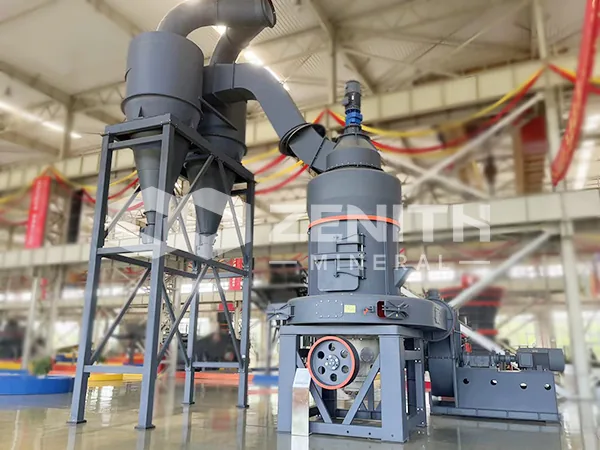
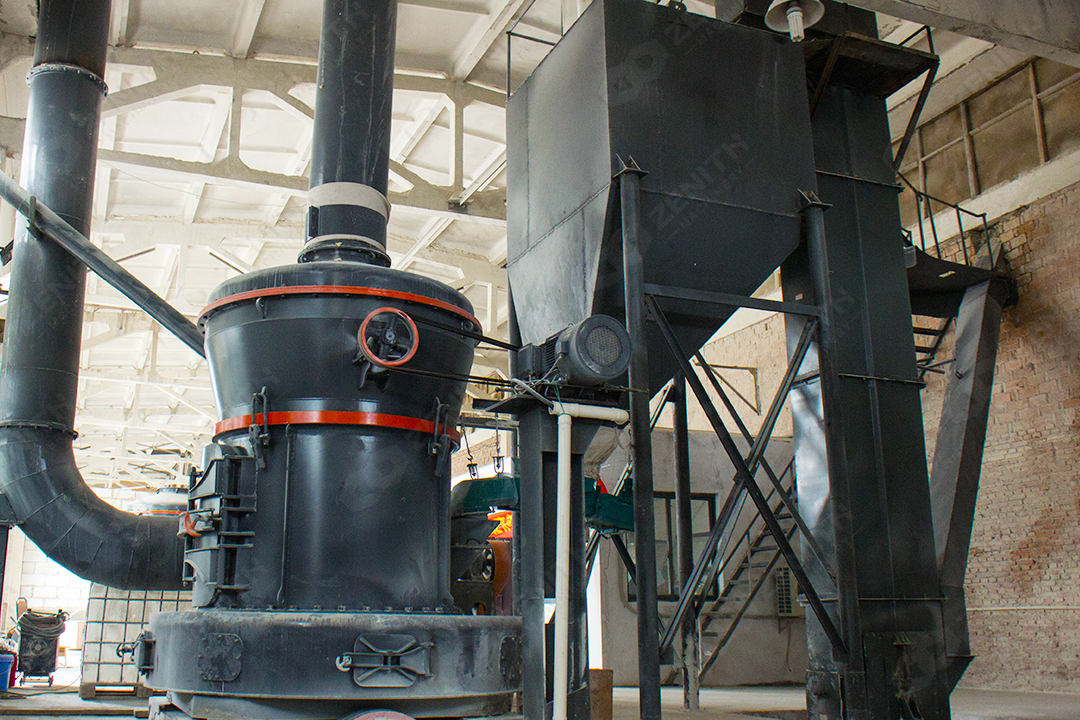
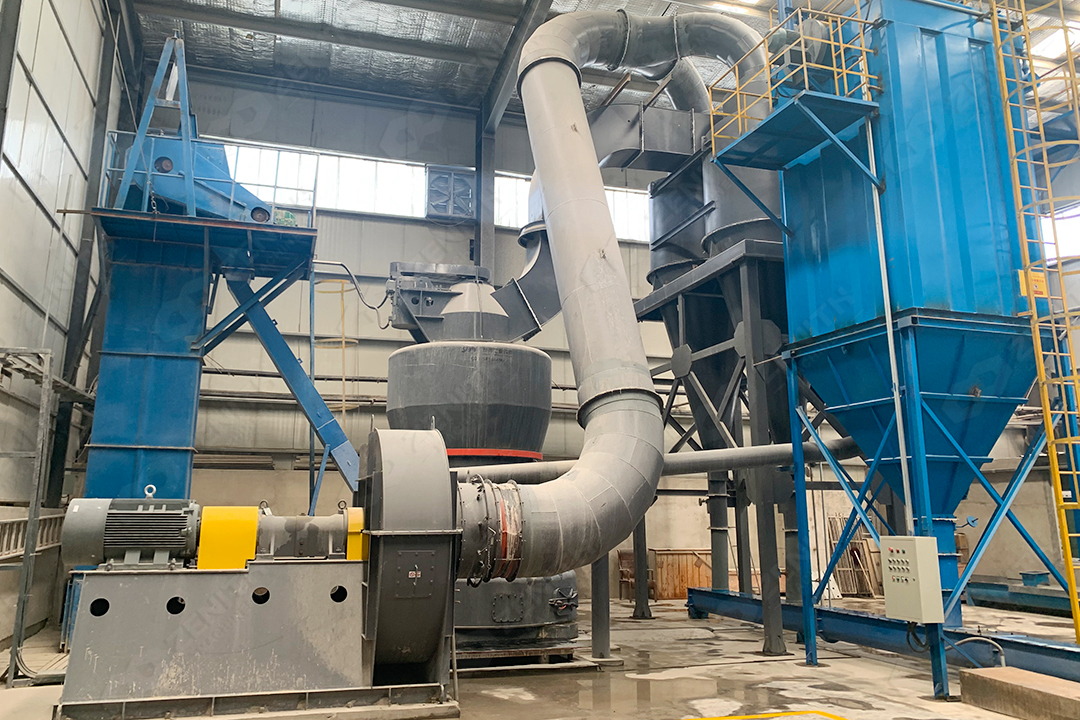
For plants considering a slightly different technological path, the MTW European Trapezium Mill is another robust contender. Specifically engineered to produce fine powder between 30-325 mesh at capacities up to 50 TPH, it is a perfect match for the 20 TPH, 400-mesh specification. Its design philosophy emphasizes operational economy and stability. It boasts an induced air efficiency of 85%, thanks to a high-efficiency impeller fan, which enhances the entire grinding and classifying airflow system. Like the LM series, it consumes significantly less energy than a ball mill of equivalent output—reports indicate over 60% savings under ideal conditions. The modular impeller adjustment device allows operators to change the product fineness, say from 300 to 400 mesh, simply by swapping impellers, offering valuable flexibility if production needs evolve.
The journey of the limestone through the MTW mill begins with a variable-frequency feeder ensuring a steady feed rate. After grinding in the main chamber, the fan-driven airflow transports the powder to the classifier. Here, the 400-mesh product is separated; fine powder proceeds to the cyclone collector, while coarse powder is returned for re-grinding. This efficient separation is key to achieving the narrow particle size distribution required. The entire system operates under controlled pressure and is paired with a pulse dust collector, guaranteeing that the operation meets stringent environmental standards, which are increasingly important globally and in Ethiopia's developing industrial sector.
Why would an Ethiopian cement plant choose Zenith's solutions for this project? The decision extends beyond the machine's specifications. It encompasses global reliability and local support. With a marketing network spanning over 180 countries and offices in more than 30, the support infrastructure for installation, commissioning, and maintenance is in place. The equipment carries international certifications like ISO, CE, and CU-TR, providing assurance of quality and safety. Furthermore, the company's focus on R&D ensures that the mills incorporate the latest advancements in grinding technology, durability, and intelligent control systems.
Implementing a 20-TPH limestone grinding line is a significant capital project. The choice between a vertical mill like the LM series and a trapezium mill like the MTW series often comes down to specific plant layout, existing processes, and long-term operational preferences. Both, however, represent a move away from the high-energy consumption of traditional ball mills towards a more sustainable, cost-effective, and precisely controlled future for raw material preparation.
_1768150500323.jpg)
In conclusion, meeting the precise demand of 20 tons per hour of 400-mesh limestone powder for cement production requires a harmonious blend of robust engineering, energy efficiency, and operational intelligence. Technologies like the LM Vertical Grinding Mill and the MTW European Trapezium Mill are not merely pieces of equipment; they are integrated processing systems designed to deliver reliability, consistency, and lower total cost of ownership. For the Ethiopian cement industry aiming to enhance its competitiveness and product quality, investing in such advanced grinding solutions is a strategic step toward building a more efficient and sustainable production foundation.
Frequently Asked Questions (FAQs)
- What are the main advantages of using a Vertical Roller Mill (like the LM series) over a traditional Ball Mill for limestone grinding in cement plants?
The primary advantages include significantly lower energy consumption (often over 40-60% less), a much smaller physical footprint, higher drying capacity for moist materials, better product quality control with immediate particle size classification, and lower noise levels. The LM Vertical Grinding Mill's integrated design also simplifies the overall system layout. - Can the MTW European Trapezium Mill reliably achieve a consistent 400-mesh product fineness at 20 TPH capacity?
Yes. The MTW mill is specifically engineered for fine powder production between 30-325 mesh. Its high-efficiency impeller fan and advanced powder selector (classifier) ensure precise particle size separation. The modular impeller adjustment allows fine-tuning of the fineness, and the system's stable grinding pressure ensures consistent output quality at its designed capacity, which extends well beyond 20 TPH. - How does the system ensure environmental compliance, particularly regarding dust emission?
Both the LM and MTW mill systems operate under negative pressure, meaning any air leakage is into the mill, not out. They are integrally connected to high-efficiency pulse jet bag dust collectors (or similar). This configuration captures over 99.9% of process dust, ensuring emissions are well below national and international environmental protection standards. - What is the typical lifespan of the grinding rollers and table/liners, and how is maintenance performed?
Wear parts like rollers and grinding tables are made from high-chromium or other advanced wear-resistant alloys. Lifespan varies with material abrasiveness but often exceeds 8,000-10,000 hours. Maintenance is designed for ease; for example, the LM mill's grinding rollers can be swung out hydraulically for external servicing, minimizing downtime. - Does the equipment require a very high level of technical expertise to operate?
Modern mills like the LM and MTW series feature high degrees of automation. They come with programmable logic controller (PLC) systems and touch-screen interfaces that allow for easy local and remote control. While trained personnel are needed, the intelligent control systems simplify operation, automate start-up/shutdown sequences, and provide fault diagnostics. - What kind of after-sales support and spare parts availability can be expected for a project in Ethiopia?
With a global network covering over 180 countries and regional offices, comprehensive support is available. This typically includes detailed project planning, engineer supervision for installation and commissioning, operational training, and a reliable supply chain for genuine spare parts through local warehouses or expedited shipping to ensure minimal operational disruption. - Can these mills handle variations in the moisture content of the incoming limestone?
Yes. Both mill types can integrate a hot air source (from a gas furnace or waste heat from the cement plant). The grinding chamber acts as an efficient dryer, allowing simultaneous grinding and drying. They can typically handle raw material moisture content up to 15-20% depending on the heat source capacity.