Algeria's kaolin and bentonite grinding project has a capacity of 3 t/h, producing a finished product with a fineness of 400 microns.
2026-01-13 17:55:38
In the heart of North Africa, a significant industrial project is setting new benchmarks for mineral processing. Algeria's strategic investment in developing its non-metallic mineral resources, specifically kaolin and bentonite, demands technology that is not only robust and efficient but also adaptable to precise quality specifications. With a defined requirement to process 3 tons per hour into a finished product with a fineness of 400 microns, the selection of grinding equipment becomes the cornerstone of the project's success. This is where precision engineering meets industrial application.
Shanghai Zenith Machinery, with its global footprint spanning over 180 countries and a dedicated presence through overseas offices, brings decades of specialized research in powder grinding to such challenges. Our philosophy is built on providing tailored solutions that align perfectly with specific project parameters—be it capacity, fineness, or operational efficiency. For the Algerian project, the target fineness of 400 microns (approximately 40-45 mesh) sits squarely within the versatile processing range of several of our flagship grinding systems.
_1768298138835.jpg)
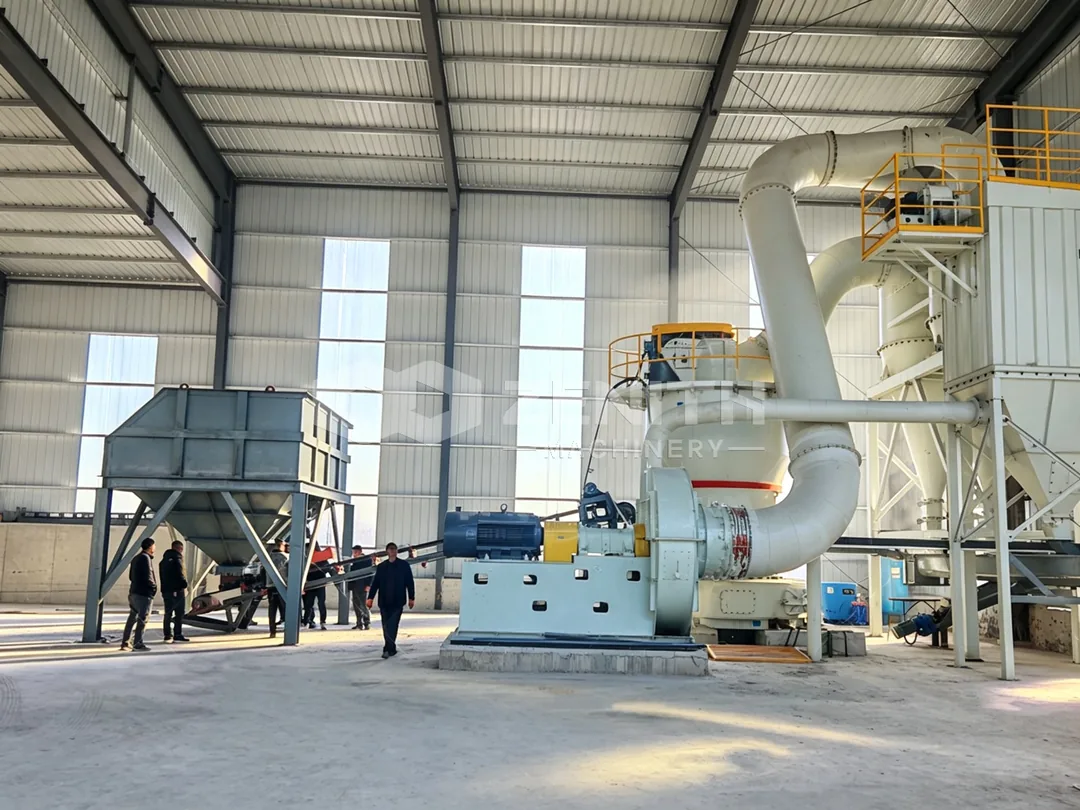
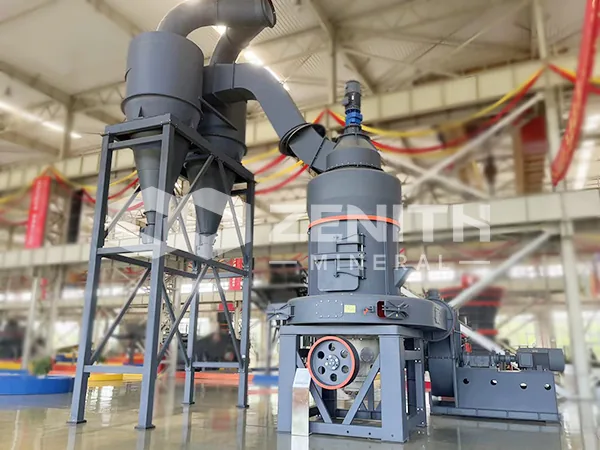
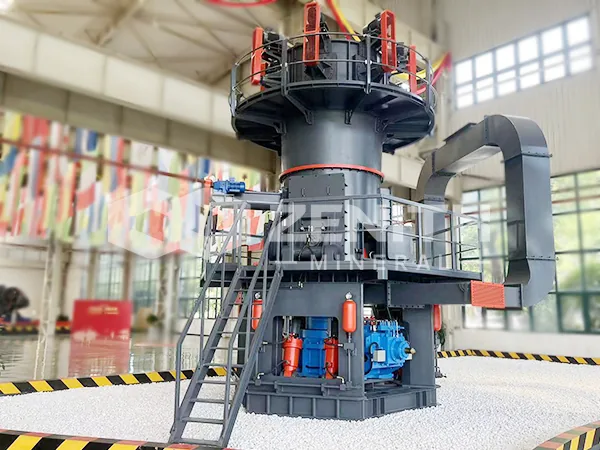
When analyzing the project's needs—3 t/h capacity, 400-micron output—our technical team evaluates multiple pathways. The MTW European Trapezium Mill emerges as a prime candidate. Engineered for producing fine powder in the range of 30-325 mesh, it handles the 400-micron specification with ease. Its defining advantage lies in remarkable energy efficiency, consuming over 60% less power than a traditional ball mill of equivalent output. For a project focused on long-term operational sustainability, this reduction in energy consumption translates directly into lower production costs and a smaller carbon footprint.
Furthermore, the MTW series incorporates a high-efficiency impeller fan, boosting induced air efficiency to 85%. This feature is crucial for the consistent classification of kaolin and bentonite powders, ensuring a uniform product size. The modular impeller adjustment device allows operators to fine-tune the fineness, guaranteeing the steady output of 400-micron material. Its integrated production system, from bulk material feeding to final powder collection, minimizes the plant's footprint and foundational investment, a significant consideration for any new installation.
_1768298138837.jpg)
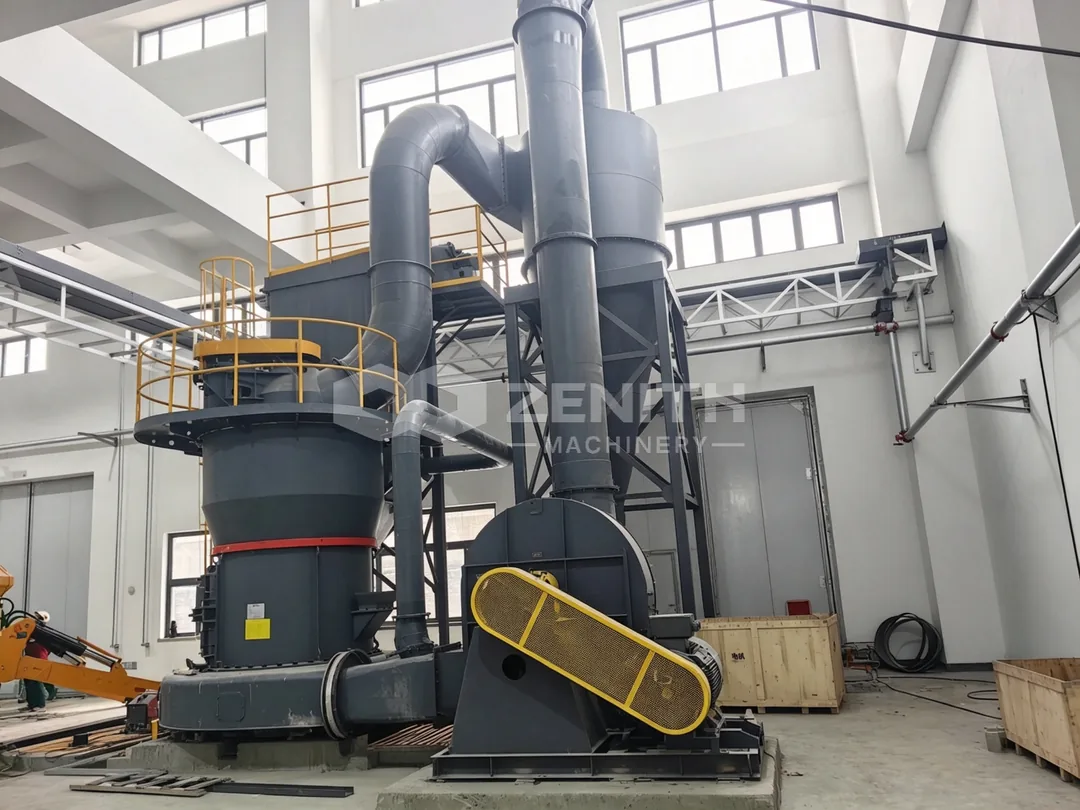
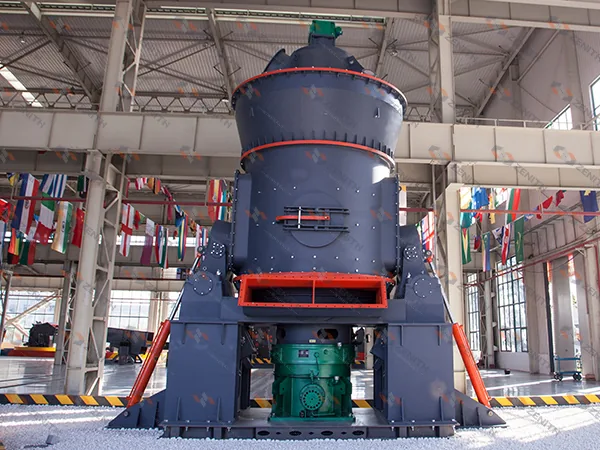
An equally compelling solution is the LM Vertical Grinding Mill. Renowned for its 24-hour constant running capability and high degree of automation, the LM mill offers exceptional stability in product quality—a non-negotiable requirement for industrial minerals like bentonite used in foundry or drilling mud applications. Its sealed design and operation under negative pressure ensure an environmentally friendly process with no dust spillage, aligning with modern environmental standards. The ability to control product purity and iron content is particularly beneficial for kaolin, where whiteness and chemical consistency are key value drivers.
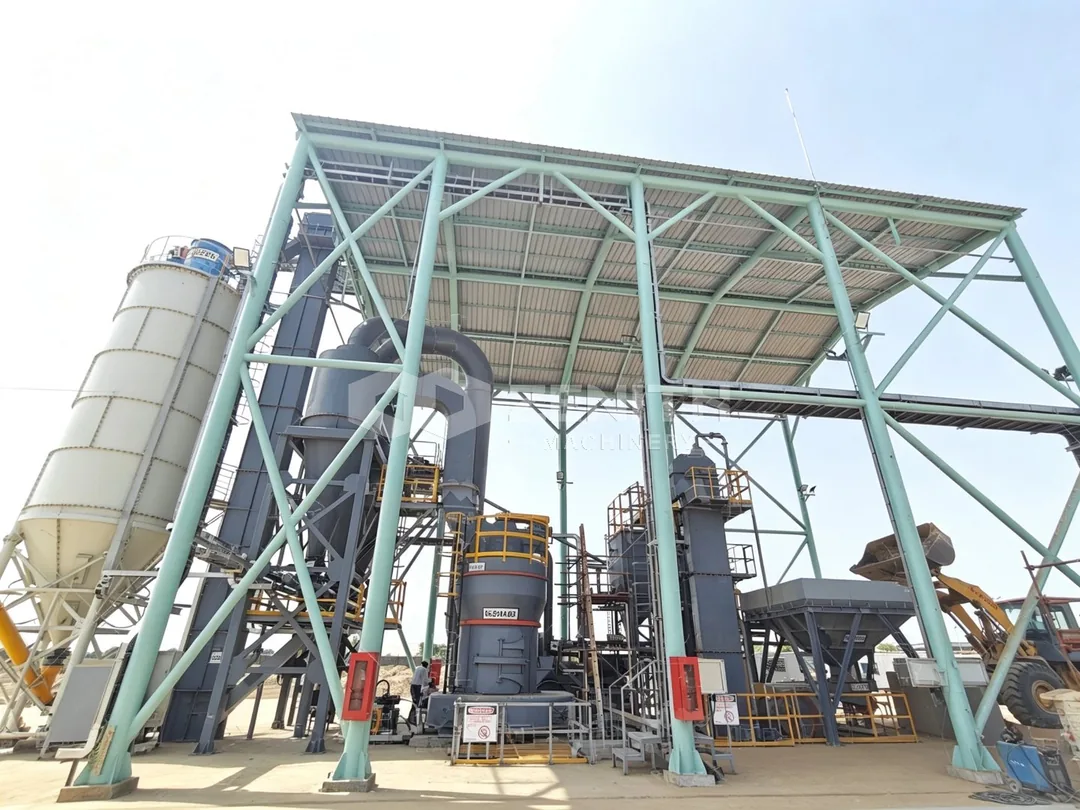
The project's success hinges on more than just the main grinding unit. Zenith's approach encompasses the entire system. Our equipment, certified to ISO, CE, and CU-TR standards, is designed for reliability in diverse climatic conditions. The working principle common across our mills—involving precise classification where coarse particles are systematically returned for re-grinding—ensures that not a single gram of material is wasted and that the final product consistently meets the 400-micron specification. The system operates under a closed-loop, environmentally controlled setup, with pulse dust collectors ensuring that the workspace remains clean and compliant.
_1768298138839.jpg)
For the Algerian partners, this project is more than an equipment purchase; it's a partnership for productivity. Zenith's support network, capable of providing local technical service and spare parts, ensures minimal downtime. The chosen grinding solution, whether the MTW or LM mill, will provide the Algerian kaolin and bentonite industry with a foundation for growth, enabling them to produce high-quality, consistently graded mineral powder for both domestic use and export markets. It is a testament to how targeted engineering can unlock the potential of a nation's natural resources.
Frequently Asked Questions (FAQs)
- Why is a fineness of 400 microns specifically important for kaolin and bentonite?
This fineness is a critical industry standard for many applications. For bentonite, it optimizes swelling and viscosity in drilling muds and foundry sands. For kaolin, it ensures proper particle size for fillers in paper, ceramics, and paints, affecting opacity, brightness, and smoothness. - How does the energy savings of over 60% compared to a ball mill impact operational costs?
The savings are substantial. For a 3 t/h operation running continuously, the reduced power consumption can lower electricity costs by tens of thousands of dollars annually, significantly improving the project's long-term profitability and sustainability. - Can the system produce powder finer than 400 microns if needed in the future?
Absolutely. Both the MTW and LM mills are designed with adjustable fineness control. By modifying classifier settings or impellers, the same system can efficiently produce powders down to much finer sizes (e.g., 325 mesh or ~45 microns), offering flexibility for future product diversification. - What kind of after-sales support does Zenith provide for projects in Algeria?
Zenith provides comprehensive support including installation supervision, operator training, and a readily available supply of genuine spare parts through its international network. Remote diagnostic assistance is also available to ensure smooth operation. - How is dust control managed within the grinding system?
The system is fully enclosed and operates under negative pressure. All airflows pass through high-efficiency pulse jet bag dust collectors (often with efficiency >99.9%) before being released, ensuring a clean plant environment and full compliance with environmental regulations. - What is the typical particle size distribution of the final 400-micron product?
The advanced internal classifier ensures a tight, consistent particle size distribution. The majority of the output will be clustered around the 400-micron target, with minimal oversize or ultrafine fractions, resulting in a high-quality, uniform product. - How long does it take to install and commission a 3 t/h grinding plant?
Depending on site readiness, the installation and commissioning period for a complete system typically ranges from 4 to 8 weeks. Zenith's project management team works to a detailed schedule to minimize this timeline.