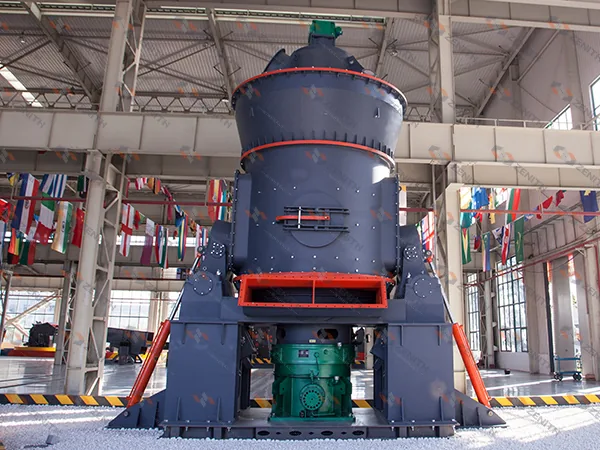
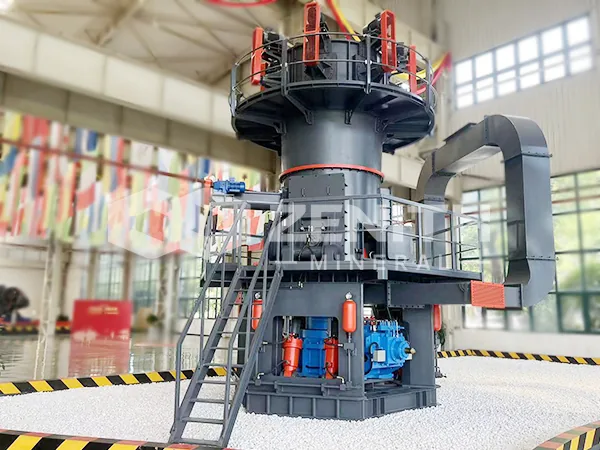
A saudi arabian company purchased a calcium carbonate grinding mill with a finished product fineness of 15 microns and a capacity of 5 tons per hour.
2026-01-09 17:55:24
In the competitive landscape of industrial minerals processing, achieving precise product specifications while maintaining high throughput and operational efficiency is paramount. A forward-thinking Saudi Arabian company recently embarked on a significant upgrade to its calcium carbonate production line, with a clear objective: to procure a grinding mill capable of delivering a consistent finished product fineness of 15 microns at a robust capacity of 5 tons per hour. This strategic investment required a solution that balanced precision, reliability, and long-term economic viability.
The selection process was rigorous, focusing on technology that could handle the specific characteristics of calcium carbonate—a material prized for its purity and particle size distribution in applications ranging from plastics and paints to pharmaceuticals and construction. After extensive evaluation of global suppliers, the company partnered with Shanghai Zenith Machinery Co., Ltd., leveraging their decades of specialization in industrial powder grinding. Zenith's proven track record across over 180 countries, backed by ISO, CE, and CU-TR certifications, provided the necessary assurance of quality and international compliance.
_1767952524672.jpg)
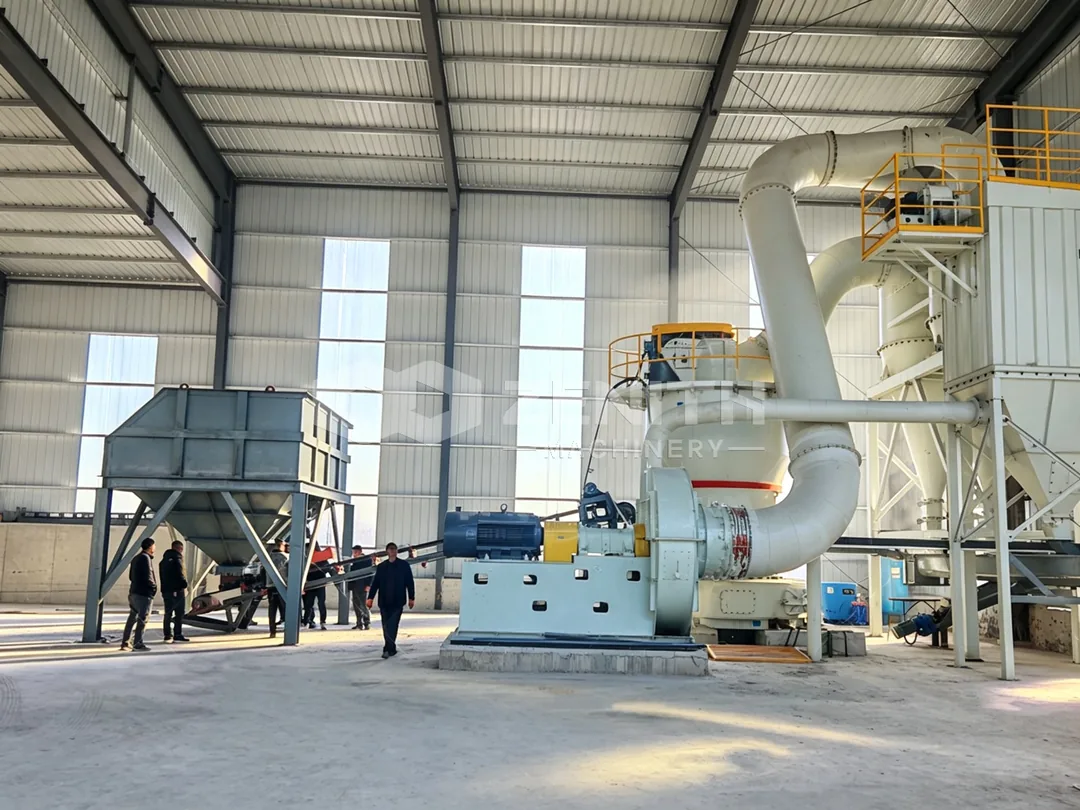
The core challenge was to identify the optimal mill within Zenith's extensive portfolio that could hit the 15-micron (approximately 1000-1250 mesh) target without compromising the 5 t/h capacity requirement. While several series, such as the reliable Raymond Mill or the high-capacity LM Vertical Grinding Mill, were considered, the solution was found in Zenith's advanced ultrafine grinding technologies. For this specific application, the XZM Ultrafine Grinding Mill and the LUM Ultrafine Vertical Grinding Mill emerged as the leading contenders.
The XZM series is engineered for precisely this kind of task, with the capability to produce powder between 325 mesh and an impressive 3000 mesh (D97 < 5 microns) in a single classification stage. Its key advantage lies in its ability to make arbitrary adjustments of fineness via a Variable Frequency Drive (VFD) on the classifier rotor, allowing the Saudi operator to dial in the exact 15-micron specification effortlessly from the control panel. Furthermore, its simple internal structure translates to less downtime and easier maintenance—a critical factor for ensuring continuous production in a demanding industrial environment.
_1767952524674.jpg)
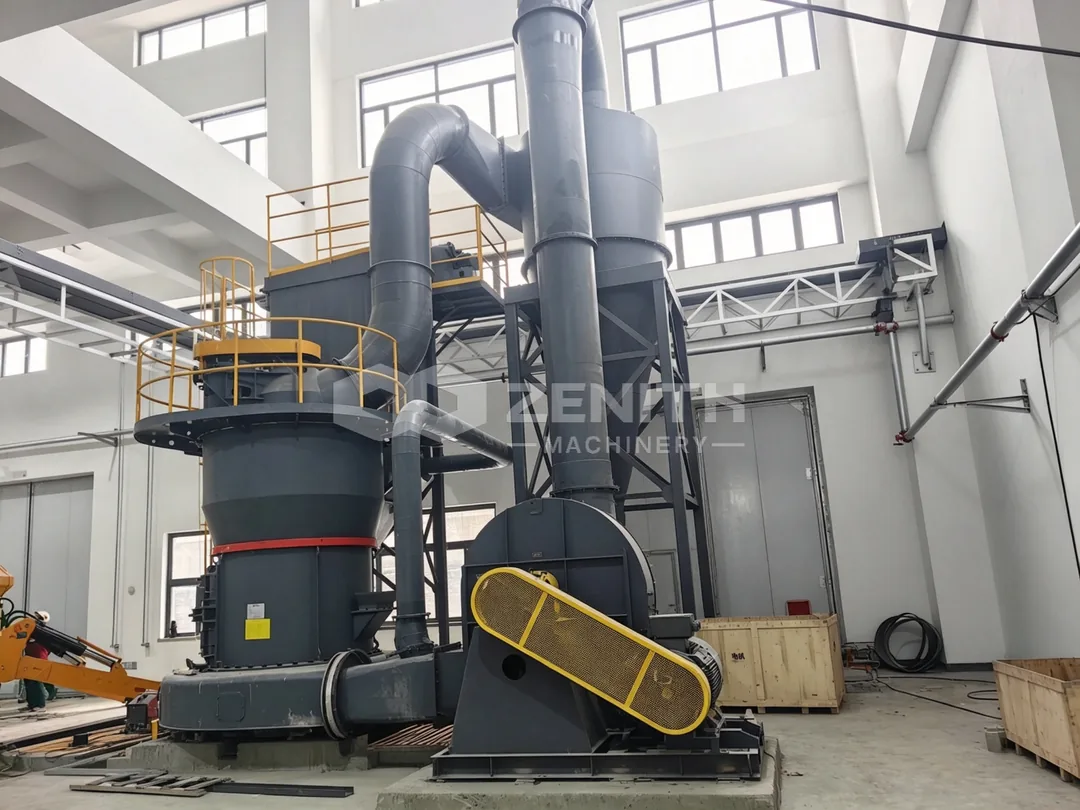
Simultaneously, the LUM Ultrafine Vertical Grinding Mill presented a compelling case. Integrating German powder separating technology, it excels in the ultrafine grinding of non-metallic minerals like calcite and limestone. Its standout feature is exceptional energy economy, consuming 30%-50% less energy compared to ordinary mills—a significant operational cost saving over the equipment's lifespan. The LUM mill's sealed, negative-pressure operation also guaranteed an environmentally friendly process with no dust spillage, aligning with stringent operational standards.
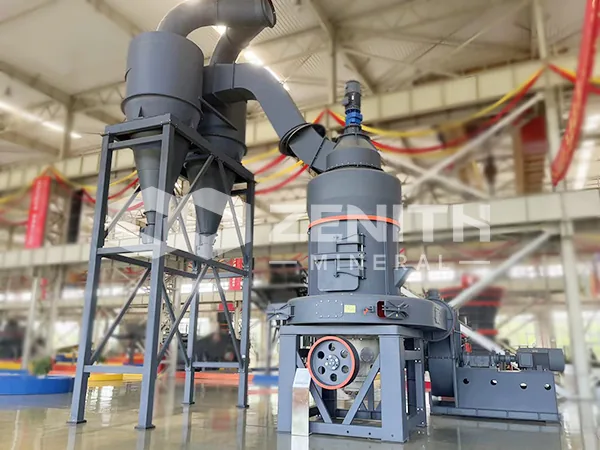
Ultimately, the configured system likely incorporated elements from both technologies or a tailored model from these series to meet the exact 5 t/h, 15-micron benchmark. The working principle common to these advanced mills ensures superior product quality: material is fed onto a rotating grinding disc, crushed by rollers, and then classified by a high-efficiency selector. Coarse particles are systematically returned for re-grinding, while only the perfectly sized fine powder, at 15 microns, is collected as the final product. This closed-loop system maximizes yield and consistency.
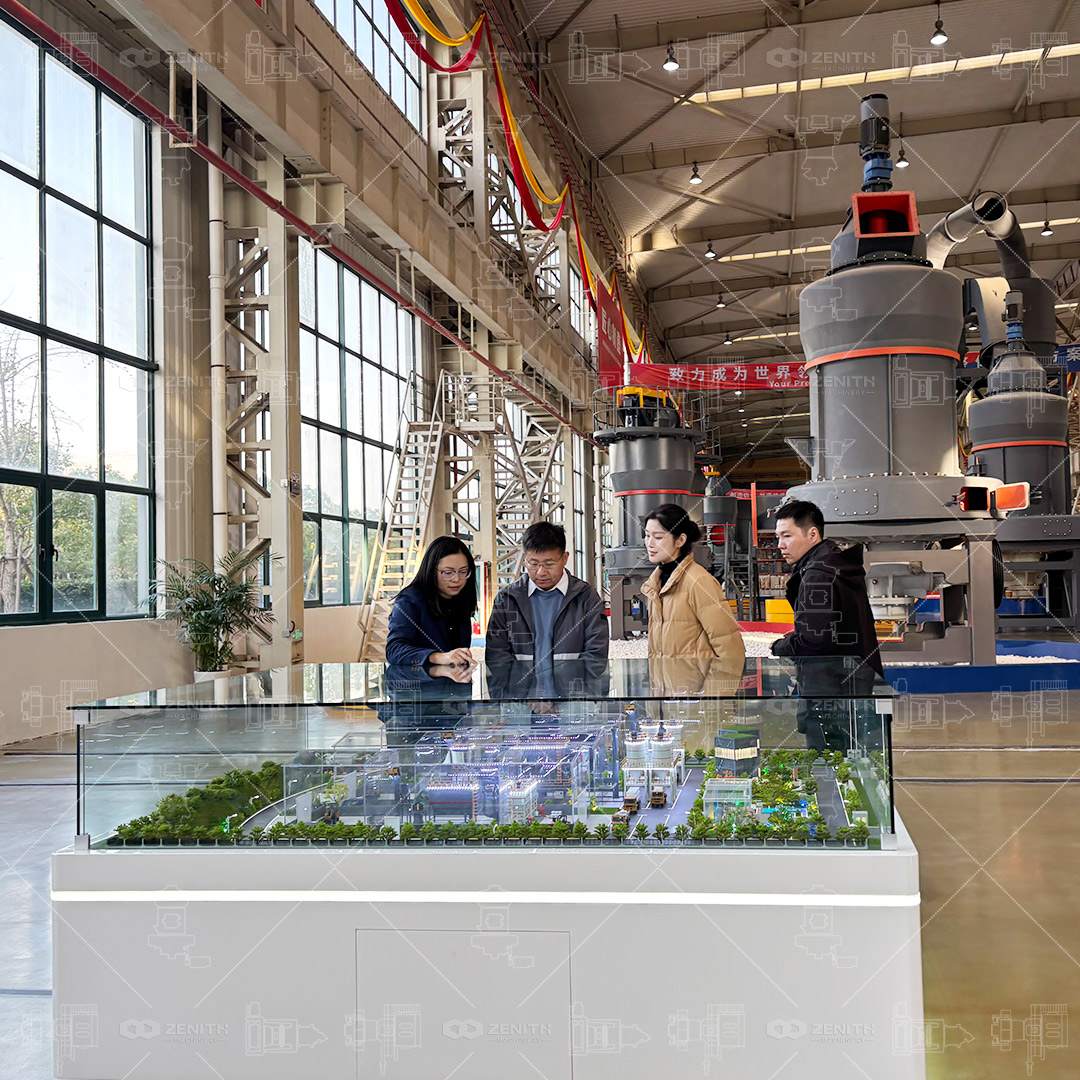
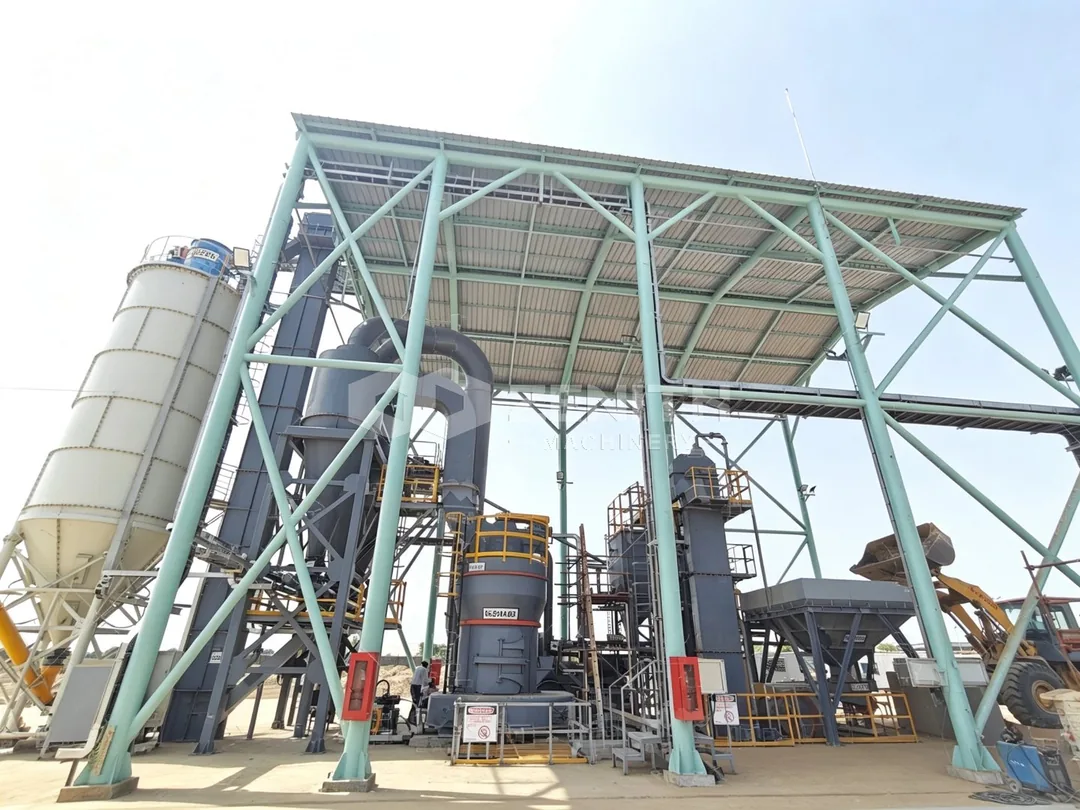
Beyond the core mill, the project's success hinged on a holistic system approach. Zenith's solution included integrated feeding, classification, and dust collection components—such as high-efficiency cyclone powder collectors and pulse dust removers—creating a turnkey production line. This comprehensive system operates under negative pressure, meeting both Saudi and international environmental protection standards by containing all particulate matter.
The economic benefits for the Saudi company are multifaceted. Moving from conventional ball mill technology to an advanced ultrafine grinding system results in dramatic energy savings, potentially exceeding 60% in specific consumption. The compact design of these vertical and ultrafine mills also requires less occupied area and foundation investment. Combined with high automation levels that reduce labor costs, the total cost of ownership is optimized, ensuring a rapid return on investment.
_1767952524677.jpg)
This installation is more than just a piece of equipment; it represents a strategic enhancement of the company's manufacturing capabilities. By securing a reliable source of high-quality, finely ground calcium carbonate, they can now supply superior products to downstream industries, strengthening their market position both domestically within Saudi Arabia and for export. The partnership with Zenith, supported by their global network and local service expertise, provides a foundation for sustained productivity and future expansion in the GCC region's vibrant industrial sector.
_1767952524679.jpg)
Frequently Asked Questions (FAQs)
- What are the primary advantages of choosing an XZM or LUM mill for calcium carbonate over a traditional ball mill?
The key advantages include significantly lower energy consumption (40-70% less), the ability to precisely adjust fineness to a specific micron level like 15 microns in one step, a more compact footprint, and a fully enclosed, dust-free operation that is more environmentally friendly. - Can the mill handle variations in the hardness or moisture content of the raw calcium carbonate?
Yes, Zenith's grinding mills are designed with strong material adaptability. The grinding pressure and classifier speed can be adjusted to accommodate normal variations in raw material properties and maintain consistent output fineness and capacity. - How is the final product fineness of 15 microns precisely controlled and ensured?
Fineness is controlled by a high-precision turbo air classifier integrated into the mill. By adjusting the rotor speed (often via a VFD on the control panel), the cut point is set to allow only particles at or below 15 microns to pass through to the collection system, while larger particles are recirculated for further grinding. - What kind of after-sales support and service can be expected for this installation in Saudi Arabia?
Zenith provides comprehensive global support, including installation supervision, operator training, and a supply of genuine wear parts. With a network covering over 180 countries and offices in more than 30, technical assistance and service are readily accessible. - Is the grinding system compliant with international environmental and safety standards?
Absolutely. The entire system operates under negative pressure and is equipped with high-efficiency pulse jet bag dust collectors, ensuring emissions are well below international limits. The equipment holds CE, ISO, and other relevant certifications. - What is the expected maintenance schedule for the grinding rollers and classifier?
Maintenance intervals depend on material abrasiveness and operating hours. However, designs like the LUM mill feature reversible roller sleeves and hydraulic systems that allow for easy external maintenance, minimizing downtime. Typical roller sleeve life for grinding calcium carbonate can exceed 8,000 hours. - Can the production capacity be increased in the future if demand grows?
The mill systems are often modular. While the installed mill is sized for 5 t/h, future capacity increases can be addressed by system optimization or, if necessary, supplementing with additional grinding units. It's advisable to discuss long-term plans during the initial design phase.