The finished product fineness of limestone and coal grinding mills in an indonesian cement plant is 200 mesh.
2026-01-09 00:54:09
In the competitive landscape of the Indonesian cement industry, achieving precise and consistent product fineness is not just a technical specification—it’s a critical factor for operational efficiency, product quality, and cost control. A common benchmark for raw material preparation, such as limestone for raw meal and coal for kiln firing, is a finished product fineness of 200 mesh. This specification ensures optimal burnability in the kiln and efficient combustion, directly impacting fuel economy and clinker quality. Selecting the right grinding technology is paramount to meeting this target reliably and economically.
_1767891249339.jpg)
For decades, the industry relied heavily on traditional ball mills. While robust, these systems are notoriously energy-intensive, often accounting for a significant portion of a plant's power consumption. The quest for greater efficiency has driven the adoption of more advanced grinding technologies. At Shanghai Zenith Machinery, our engineering focus has been on developing solutions that deliver the required 200-mesh fineness with substantially lower energy input and a smaller physical footprint, which is particularly valuable for plant upgrades or expansions in space-constrained locations.
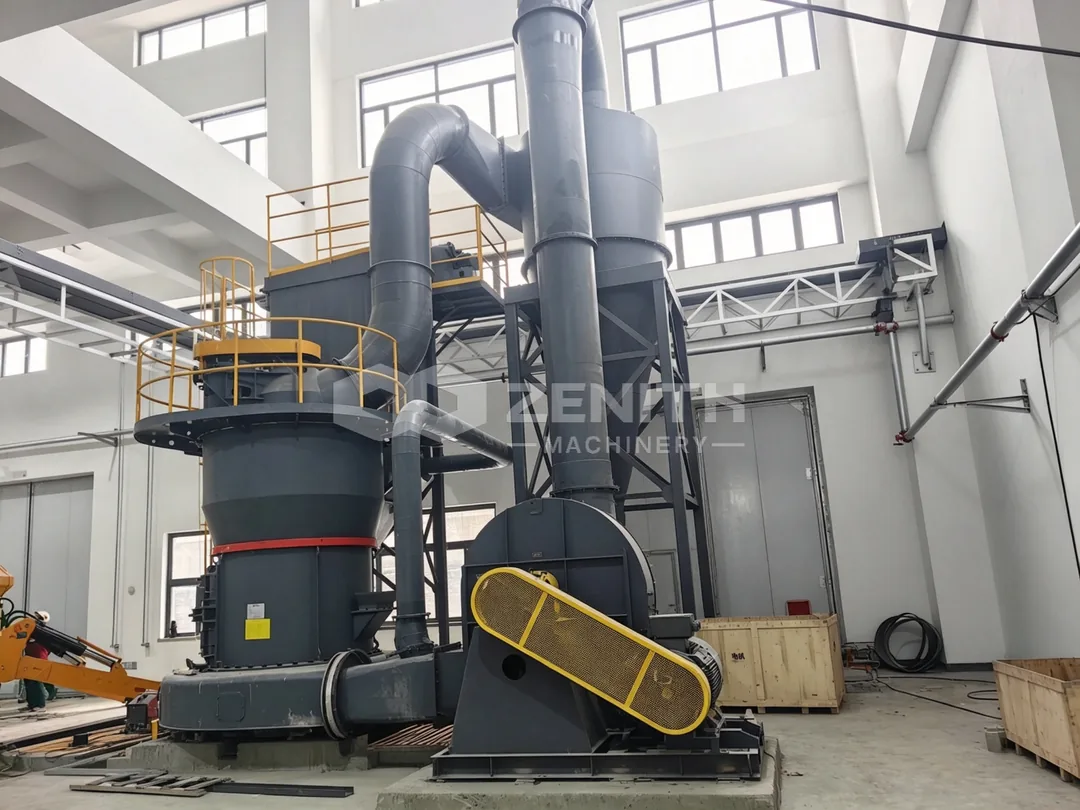
When targeting 200 mesh (approximately 74 microns), several Zenith grinding mill series present themselves as optimal choices. The MTW European Trapezium Mill and its predecessor, the MTM European Trapezium Mill, are exceptionally well-suited for this range. Both series are designed to produce fine powder between 80-400 mesh, placing 200 mesh comfortably within their core operational sweet spot. Their modular impeller adjustment device allows plant operators to fine-tune the output fineness precisely, ensuring the 200-mesh target is consistently hit even with slight variations in feed material hardness or moisture. A key advantage for cost-conscious operations is their energy profile: under ideal working conditions, they consume over 60% less energy than a ball mill of the same grade.
_1767891249346.jpg)
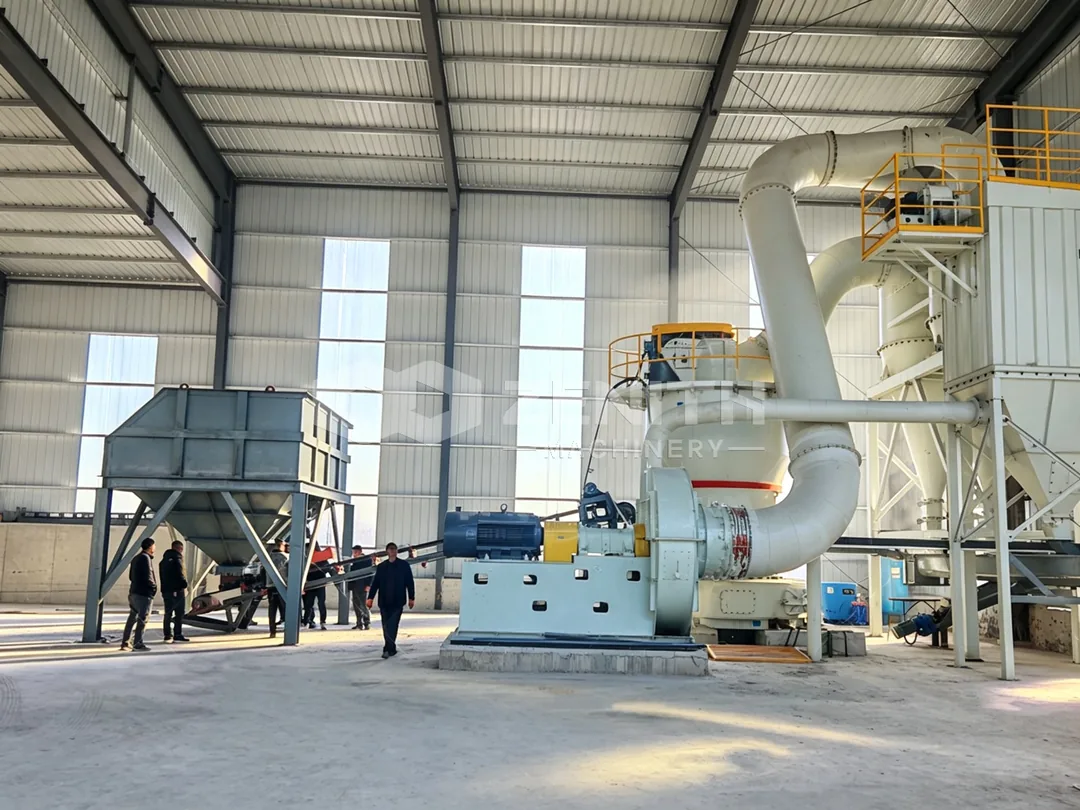
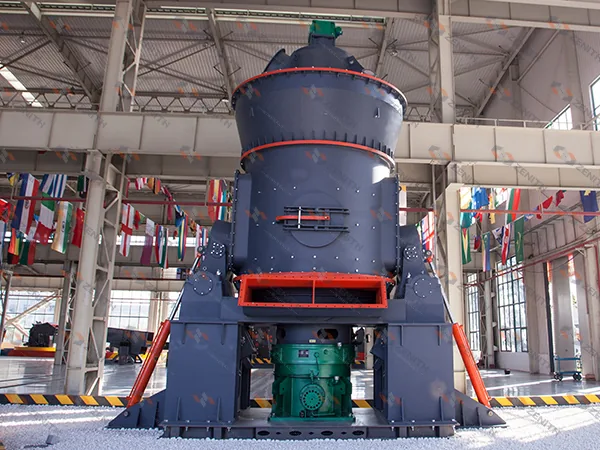
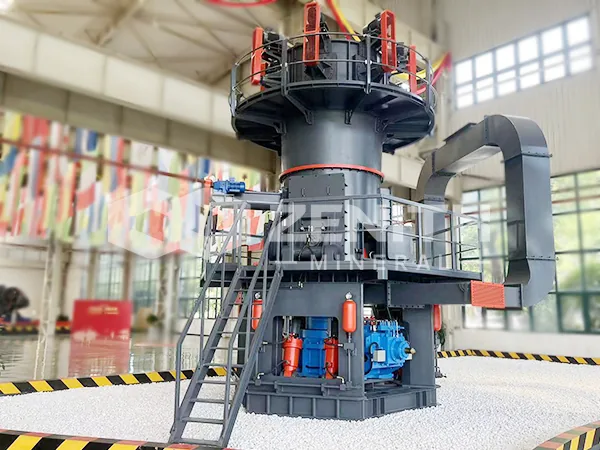
For larger-scale cement production lines requiring uninterrupted operation, the LM Vertical Grinding Mill stands out. Its capacity for 24-hour constant running and high degree of automation make it ideal for integrated cement plants. It excels in grinding both limestone and coal to 200 mesh, offering high purity of material by effectively controlling iron content—a crucial factor for product quality. The system operates under negative pressure, ensuring a dust-free environment and meeting stringent environmental standards, which are increasingly important in global operations.
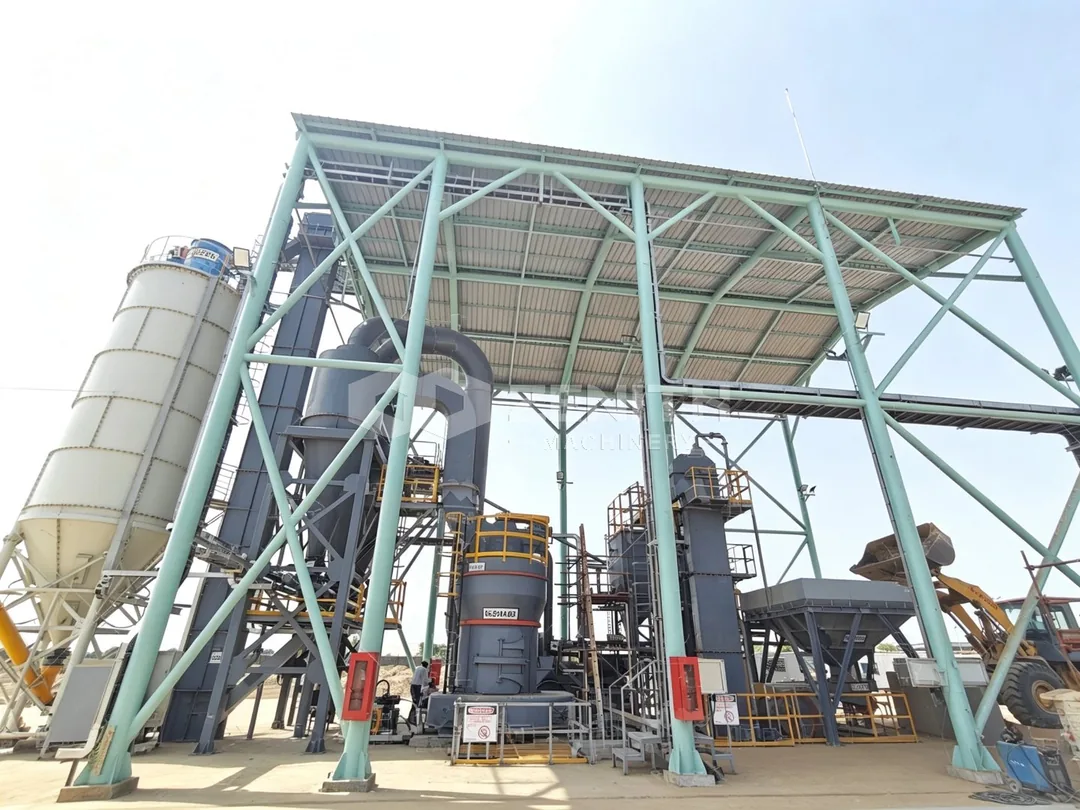
The process of achieving 200-mesh fineness follows a sophisticated yet efficient principle. After initial crushing, material is fed into the grinding chamber. In our trapezium and vertical mills, the material is ground between rollers and a grinding table or ring. The ground material is then pneumatically transported to an integrated high-efficiency powder classifier. Here, the centrifugal force and airflow precisely separate particles. Coarse particles (>200 mesh) are rejected and returned for regrinding, while the perfectly sized fine powder (≤200 mesh) passes through. This classified product is then collected in a cyclone and bag filter system, ensuring a high yield of on-spec powder. The entire closed-circuit system enhances efficiency and product uniformity.
_1767891249352.jpg)
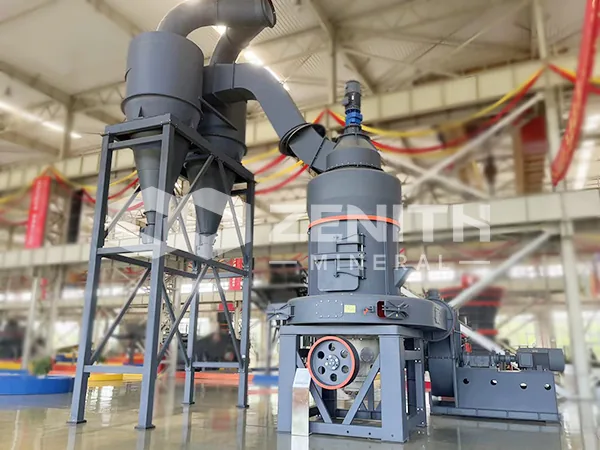
Beyond the 200-mesh requirement, Zenith's technology portfolio offers future-ready flexibility. Should a plant need to produce ultrafine limestone for specialty applications or consider diversifying its output, mills like the LUM Ultrafine Vertical Mill or the XZM Ultrafine Grinding Mill can produce powder from 325 mesh up to 2500 mesh. This scalability, backed by ISO, CE, and CU-TR certifications, provides our partners in Indonesia and across the 180+ countries we serve with the assurance of reliable, world-class equipment supported by local expertise through our overseas offices.
_1767891249354.jpg)
Ultimately, hitting the 200-mesh target in limestone and coal grinding is a balance of precision, energy management, and operational stability. By moving from traditional ball mills to advanced, classifier-integrated systems like the MTW, MTM, or LM series, Indonesian cement producers can achieve superior product consistency, significantly reduce specific power consumption, and lower their overall cost per ton of ground material, strengthening their market position in a dynamic industry.
Frequently Asked Questions (FAQs)
- Why is 200 mesh a common fineness target for limestone and coal in cement plants?
A fineness of 200 mesh (about 74 microns) provides an optimal surface area for limestone to react efficiently in the kiln during clinker formation and for coal to burn completely, ensuring high process efficiency and fuel economy. - Can Zenith mills adjust fineness if our target changes from 200 mesh?
Yes. Mills like the MTW and MTM series feature a modular impeller adjustment device, allowing easy adjustment of output fineness across a range (e.g., 80-400 mesh) by changing impellers, offering great operational flexibility. - How significant are the energy savings compared to a traditional ball mill?
Under ideal conditions, Zenith's MTW/MTM Trapezium Mills and LM Vertical Mill can achieve energy consumption more than 60% lower than a ball mill of equivalent output and fineness, leading to substantial operational cost reduction. - Is the system environmentally friendly regarding dust emission?
Absolutely. Our grinding systems operate under negative or controlled pressure and are equipped with high-efficiency pulse jet bag dust collectors, ensuring no dust spillage and full compliance with national and international environmental standards. - What is the typical capacity range for grinding to 200 mesh in a cement plant setting?
Capacity depends on the model. For instance, our LM Vertical Mill can handle 3-340 T/H, MTW/MTM mills range from 3-22 T/H, and larger pre-grinding models like the LM-Y series can process up to 330 T/H, catering to various plant scales. - How does the system ensure consistent fineness of the final product?
Consistency is achieved through the integrated dynamic classifier. It continuously separates fine powder from coarse particles, sending the oversize material back for regrinding. This closed-circuit grinding ensures a stable and uniform product at 200 mesh. - Are your mills suitable for the humidity levels found in Indonesian raw materials?
Yes. Our grinding systems, particularly the LM Vertical Mill, can be equipped with hot air intake to handle materials with certain moisture content by simultaneously grinding and drying, ensuring stable operation in tropical climates.