Indonesian limestone powder, ground to 80 mesh (0.1 mm), is used to make paving bricks.
2026-01-08 00:56:34
The global construction industry is in a perpetual state of evolution, driven by the demand for durable, cost-effective, and sustainable building materials. In this landscape, the humble paving brick has undergone a significant transformation, with raw material selection playing a pivotal role in determining its final quality and performance. One material that has emerged as a superior choice is Indonesian limestone, particularly when processed into a fine, consistent powder. When ground to a precise specification like 80 mesh (approximately 0.1 mm), this powder becomes an exceptional raw material for paving brick production, offering a unique blend of binding properties, color consistency, and structural integrity.
_1767804993988.jpg)
Indonesian limestone is renowned for its high calcium carbonate content and relative purity. For brick manufacturers, this translates into predictable chemical behavior during the firing process and a reliable white-to-beige base color that can be easily modified with pigments. The key, however, lies in the precision of the grinding process. A uniform 80-mesh powder ensures optimal particle packing. This fine texture allows the limestone to react more completely with other brick constituents, such as clay or shale, during mixing and firing. The result is a denser, less porous brick with enhanced compressive strength, improved frost resistance, and a smoother surface finish—qualities essential for pavements that must withstand heavy foot traffic and harsh weather conditions.
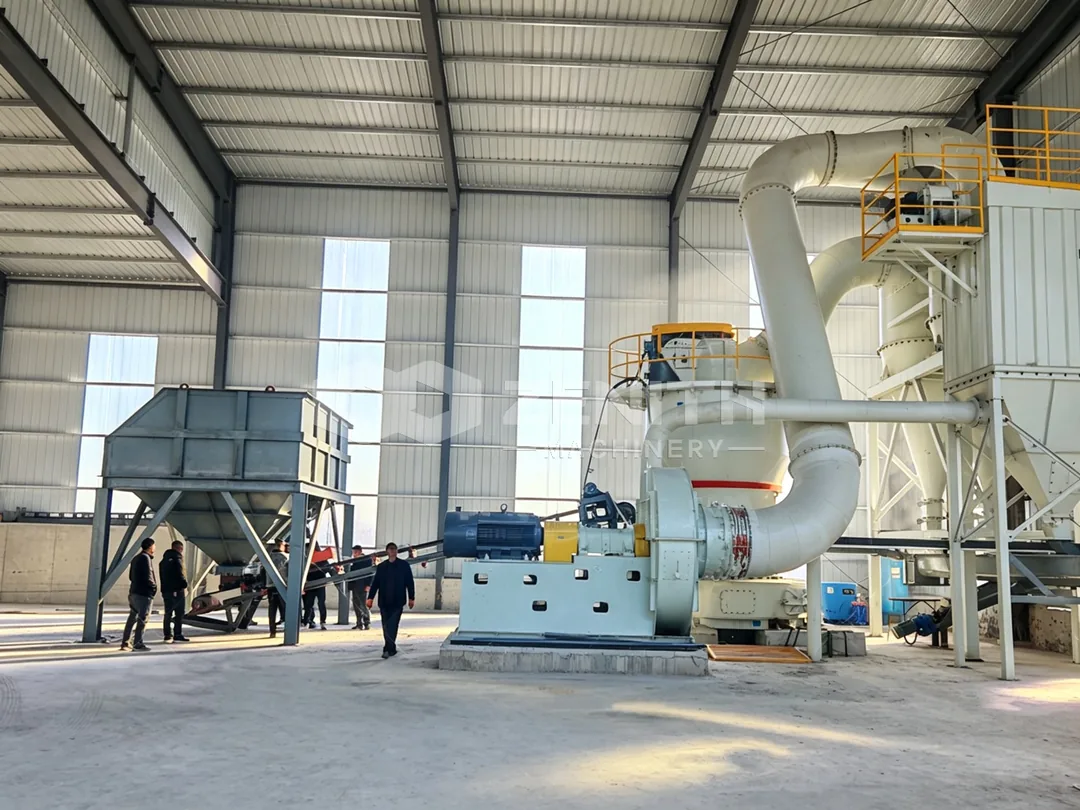
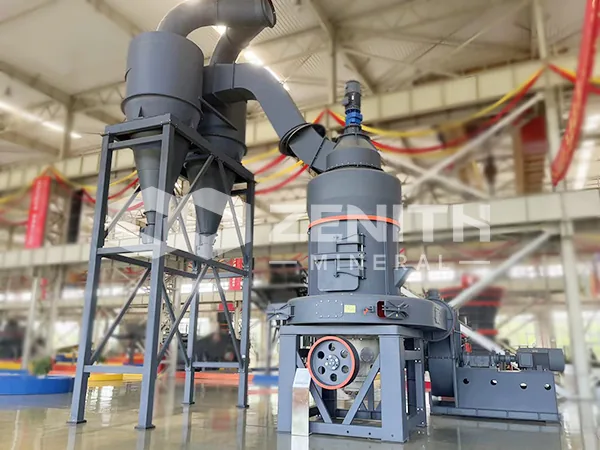
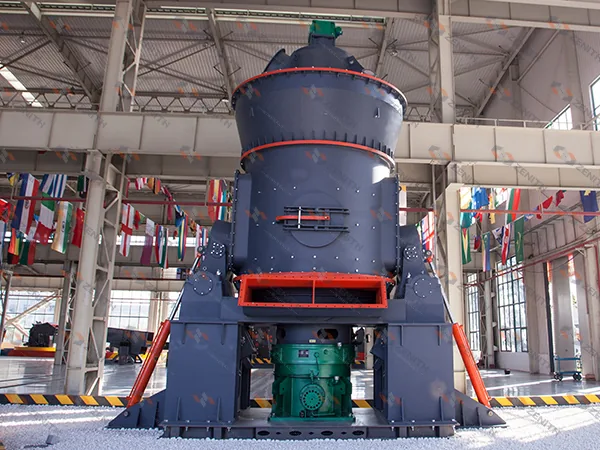
Producing this ideal 80-mesh powder consistently and efficiently is where advanced grinding technology becomes indispensable. Traditional methods like ball mills are often energy-intensive and lack the precise control needed for a uniform product. This is where Zenith's engineered solutions provide a distinct advantage. Our MTW European Trapezium Mill and MTM European Trapezium Mill are specifically designed for this mid-range fineness application. With an output range perfectly encompassing 80-400 mesh, these mills offer exceptional stability and efficiency. Their modular impeller adjustment system allows operators to dial in the exact 80-mesh fineness with ease, while consuming over 60% less energy than a comparable ball mill. For a facility focused on producing consistent limestone powder for brickmaking, this represents a dramatic reduction in operational costs and a smaller carbon footprint.
_1767804993997.jpg)
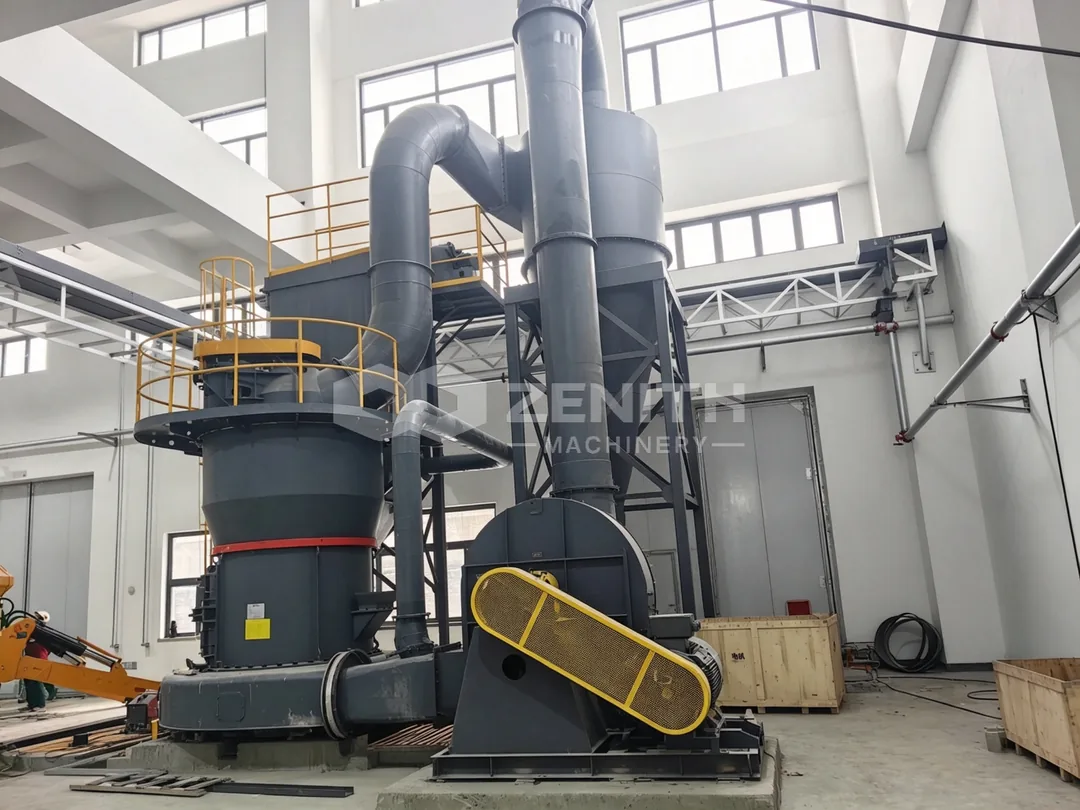
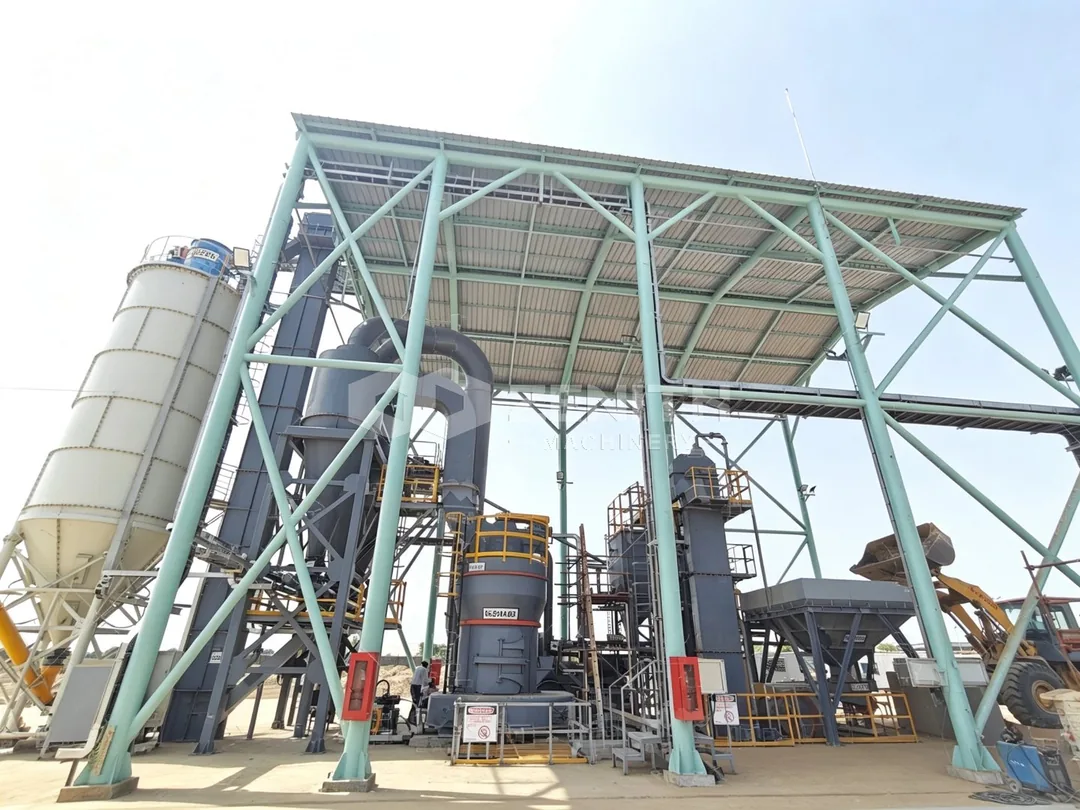
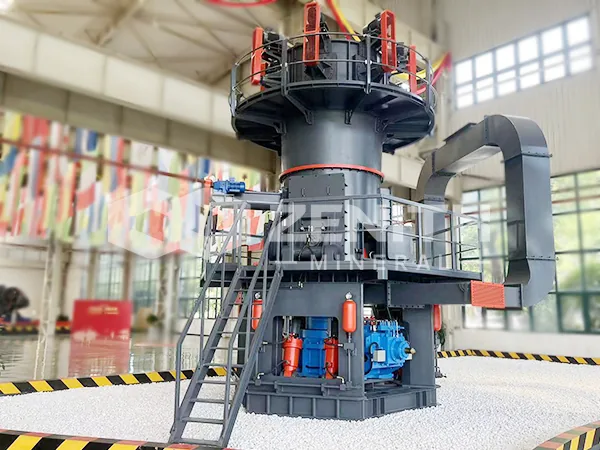
For larger-scale operations or those requiring integration into a fully automated production line, the LM Vertical Grinding Mill presents an excellent solution. Its capacity for 24-hour constant running aligns perfectly with the steady demand of a brick manufacturing plant. The LM mill's sealed, negative-pressure operation is a critical feature, ensuring that the fine limestone powder is contained within the system. This not only protects the working environment from dust but also maximizes material yield—every gram of valuable Indonesian limestone is captured as saleable product. The high purity control inherent in the LM mill's design further guarantees that the chemical composition of the powder remains consistent, batch after batch, which is fundamental for maintaining brick quality.
Some innovative manufacturers are exploring the benefits of even finer limestone powders as functional fillers or to create ultra-smooth brick textures. For these cutting-edge applications, Zenith's ultrafine grinding solutions come to the fore. The LUM Ultrafine Vertical Grinding Mill and XZM Ultrafine Grinding Mill can process limestone into powders far beyond 325 mesh. While 80 mesh is the workhorse for standard bricks, these ultrafine powders can be used in specialized coatings or composite bricks to enhance density, water repellency, and aesthetic qualities. The XZM mill's ability to allow arbitrary fineness adjustment between 325 and 2500 mesh offers unparalleled R&D flexibility for developing next-generation paving products.
_1767804993999.jpg)
The journey from raw limestone rock to a premium paving brick component is a testament to modern engineering. By selecting high-grade Indonesian limestone and pairing it with the appropriate Zenith grinding technology—be it the efficient MTW/MTM series for the target 80-mesh powder, the robust LM mill for large-scale production, or the precision XZM/LUM mills for specialized applications—manufacturers can achieve a significant competitive edge. They gain not only a superior raw material but also the production efficiency, environmental compliance, and product consistency demanded by today's market. It's a synergy of natural resource and human ingenuity, paving the way for stronger, smarter, and more sustainable urban landscapes.
Frequently Asked Questions (FAQs)
- Why is 80 mesh (0.1 mm) considered an ideal fineness for limestone in paving bricks?
This fineness offers an optimal balance. It provides a high surface area for effective chemical reaction and binding during firing, leading to greater brick density and strength, while still being economical to produce and handle in bulk material systems. - Can Zenith mills handle the abrasive nature of limestone?
Yes. Our MTW, MTM, and LM series mills are constructed with high-quality, abrasion-resistant materials in key wear parts, such as grinding rollers and liners, ensuring long service life and consistent output even when processing hard minerals like limestone. - What are the main advantages of using a vertical roller mill (like the LM series) over a traditional ball mill for this application?
Key advantages include significantly lower energy consumption (up to 50% less), a much smaller physical footprint, fully automated operation, and a sealed grinding system that eliminates dust pollution and improves product recovery. - Does the moisture content of the raw limestone affect the grinding process with your equipment?
Our standard MTW, MTM, and LM mills are designed for dry grinding. If the raw limestone has high moisture, a pre-drying stage is recommended. However, our Ball Mill series can be configured for wet grinding processes if required by a specific production flow. - How do you ensure the consistent fineness of the powder output?
Our mills integrate advanced internal powder classifiers (separators). In models like the XZM mill, the classifier speed is controlled by a VFD, allowing real-time, precise adjustment to ensure the output consistently meets the 80-mesh specification without over-grinding. - Are these grinding systems suitable for a small to medium-sized brick factory?
Absolutely. Zenith offers a wide range of models with capacities from as low as 0.5 T/H (XZM series) to over 300 T/H. We can provide a solution tailored to your specific production volume, from a small standalone mill to a complete powder preparation system. - What kind of after-sales support does Zenith provide for global clients?
With overseas offices in over 30 countries and a network covering 180+ regions, we provide localized technical support, installation guidance, maintenance training, and a reliable supply of genuine spare parts to ensure your grinding plant operates smoothly.