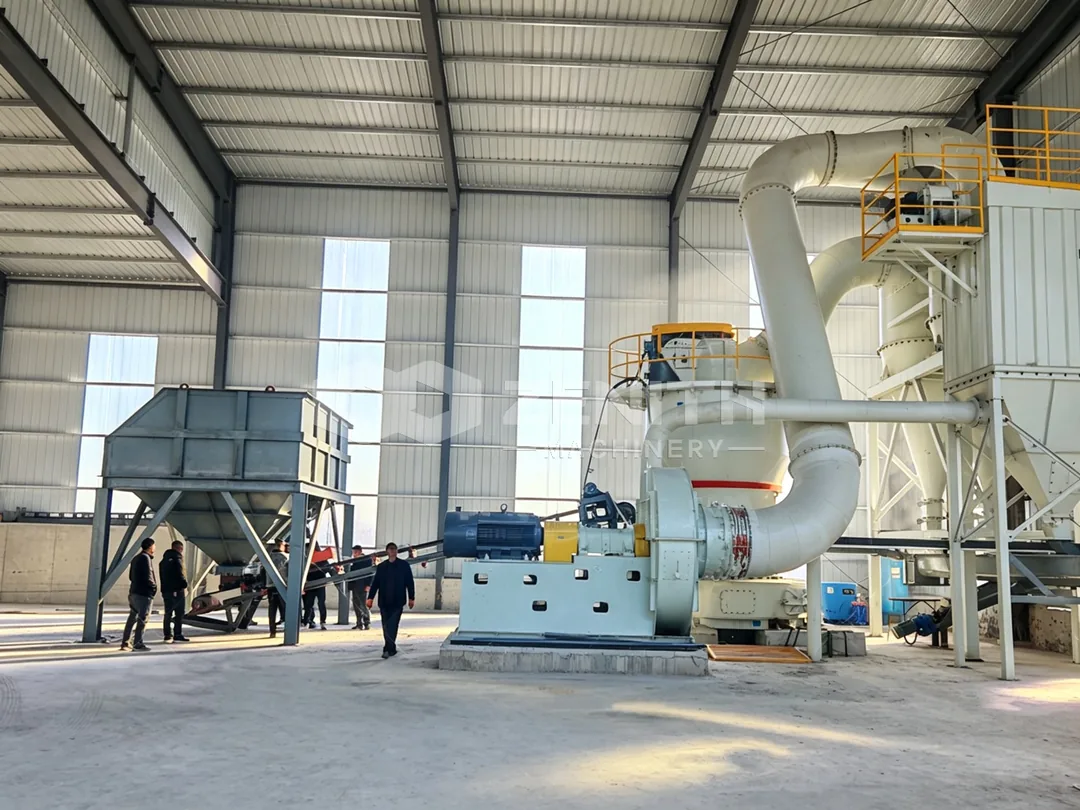
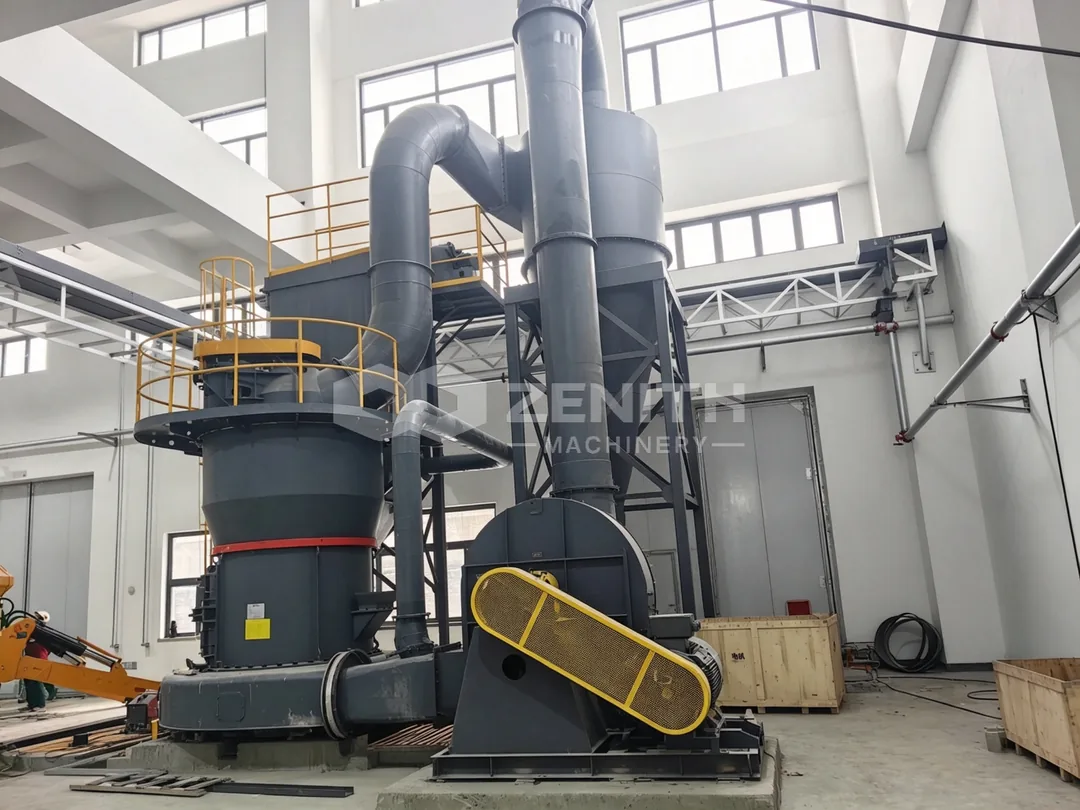
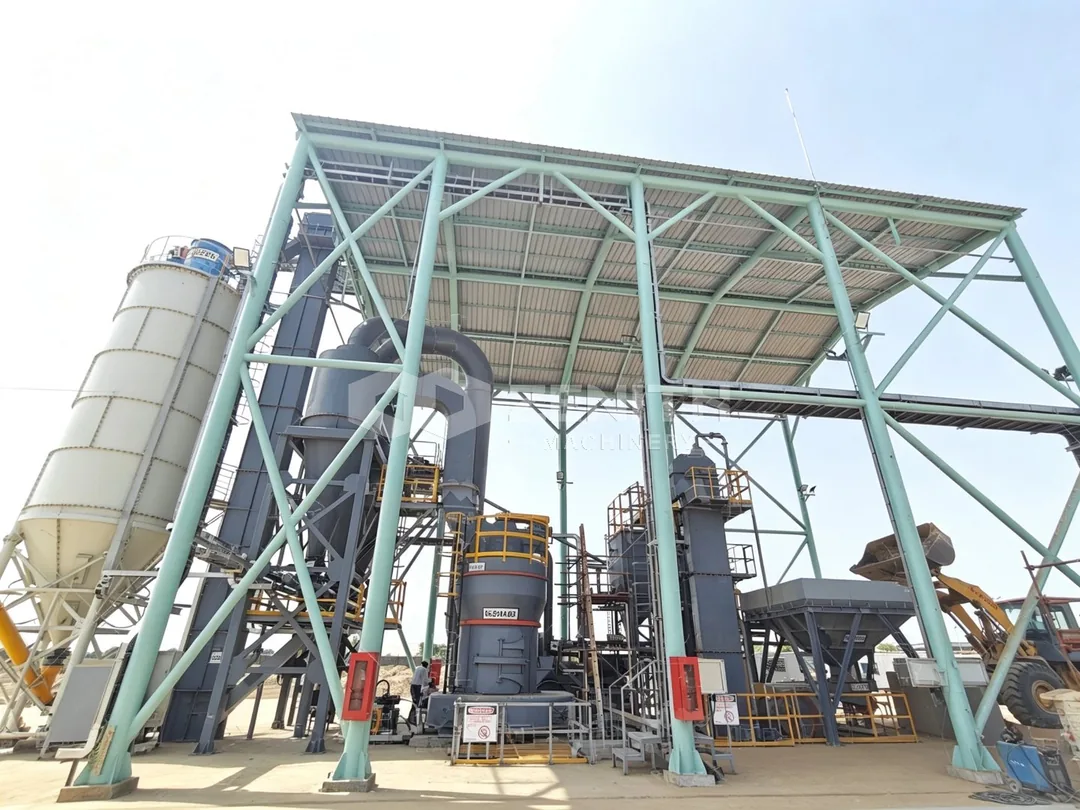
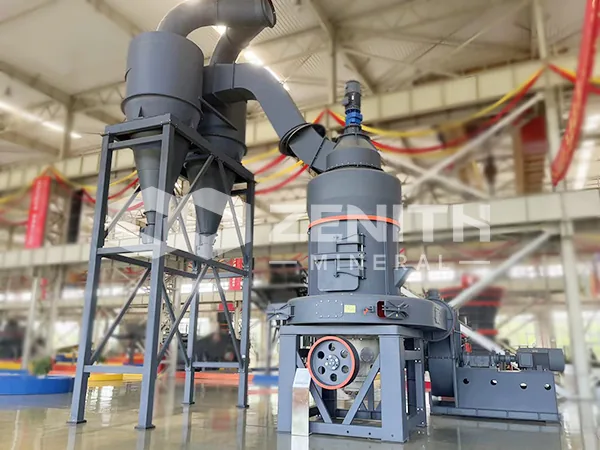
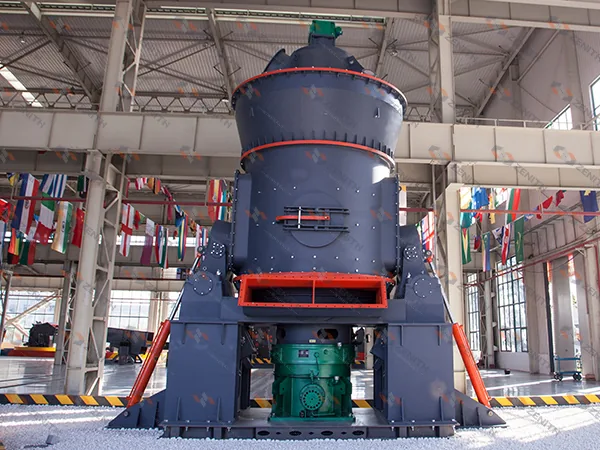
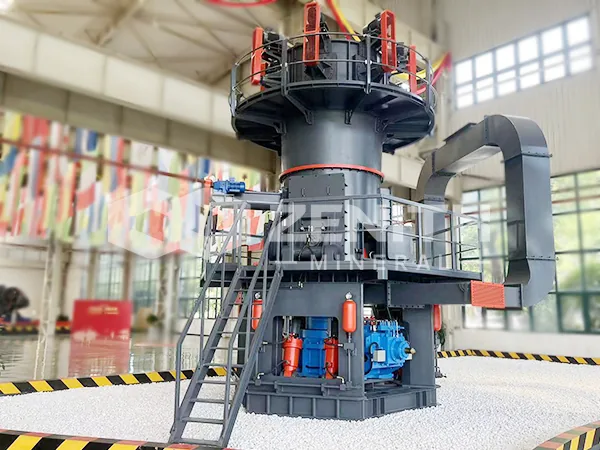
Ethiopian gypsum rock grinding mill, producing 45-micron gypsum board at a capacity of 20 t/h.
2026-01-10 00:58:11
Ethiopia's construction sector is experiencing robust growth, driving significant demand for high-quality building materials like gypsum board. A critical component in this supply chain is the efficient production of fine gypsum powder, specifically targeting a 45-micron (approximately 325 mesh) fineness at a substantial capacity of 20 tons per hour. This requirement presents a unique set of challenges: achieving consistent particle size distribution for superior board strength and surface finish, maintaining high throughput, and ensuring operational efficiency within the constraints of local infrastructure and energy availability. Selecting the appropriate grinding technology is paramount to the profitability and sustainability of such an operation.
Shanghai Zenith Machinery, with its global engineering expertise and a product portfolio honed across over 180 countries, offers several advanced solutions tailored for this precise application. For a 20 t/h gypsum grinding line targeting 45 microns, two primary technologies stand out: the MTW European Trapezium Mill and the LM Vertical Grinding Mill. Both are engineered to deliver the required performance but with distinct operational philosophies.
_1767977891256.jpg)
The MTW European Trapezium Mill is a formidable contender. Its design integrates crushing, grinding, classification, and conveying into a cohesive system, which translates to a smaller plant footprint and reduced civil engineering costs—a significant advantage for new projects. For gypsum grinding, its key benefit is the adjustable output fineness via a modular impeller system, allowing precise calibration to the 45-micron target. Furthermore, its high-efficiency impeller fan (85% air induction efficiency) ensures effective material transport and classification while consuming over 60% less energy compared to a traditional ball mill of equivalent output. This makes the MTW series an excellent choice for operations prioritizing lower capital expenditure and high energy efficiency without compromising on the 20 t/h capacity.
Alternatively, the LM Vertical Grinding Mill represents the pinnacle of automated, large-capacity grinding. Designed for 24/7 continuous operation, its stability is ideal for ensuring a uniform 45-micron product quality batch after batch, which is critical for gypsum board production lines. The LM mill excels in material purity, effectively controlling iron content to preserve gypsum's whiteness. Its sealed, negative-pressure operation guarantees an environmentally friendly process with no dust spillage, aligning with modern environmental standards. While its integrated design also saves space, its primary strength lies in its high degree of automation, reducing labor costs and minimizing human error for a plant targeting consistent, high-volume output.
_1767977891258.jpg)
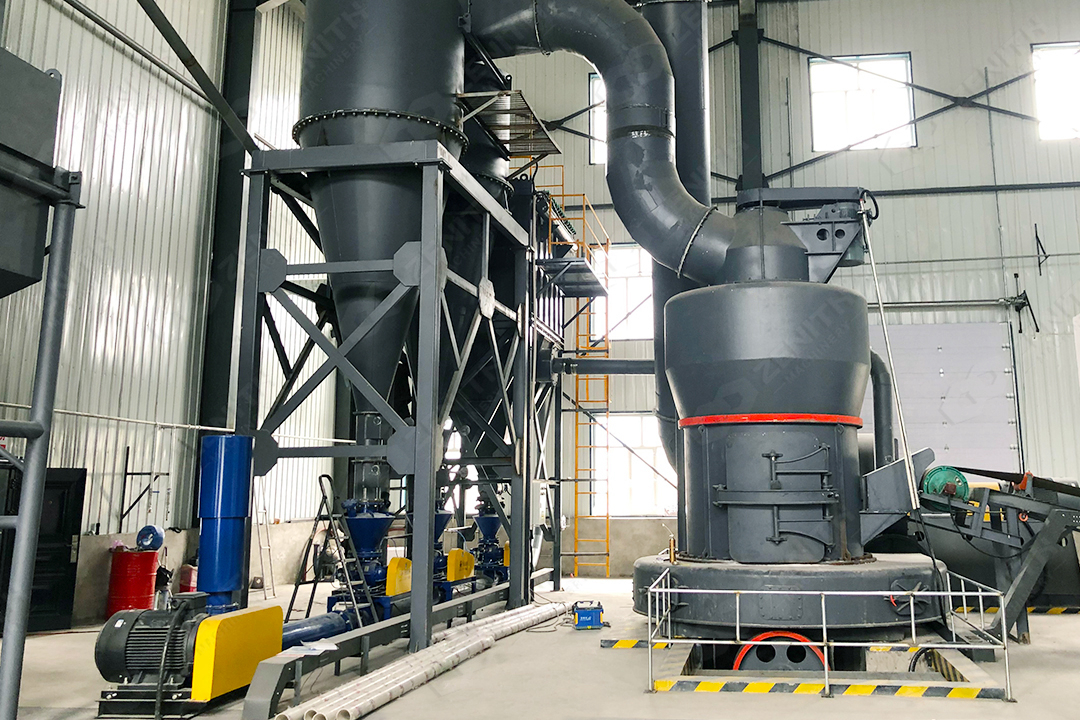
The working principle of both mills ensures efficient gypsum processing. In the LM Vertical Mill, for instance, gypsum rock fed onto the rotating grinding disc is crushed by rollers, forming a material bed for inter-particle comminution—a highly efficient method. The airflow carries the powder to an integrated classifier, where oversized particles are rejected back for regrinding, and the on-spec 45-micron powder is collected. This closed-circuit system, common to both MTW and LM designs, is key to achieving precise fineness control at high capacity.
For projects where the raw gypsum rock may include larger or more variable feed sizes, a two-stage system might be optimal. A Hammer Mill could serve as an efficient pre-crusher to produce a 0-3mm coarse powder, which is then fed seamlessly into the MTW or LM fine grinding mill. This setup protects the fine grinding mill from oversized material, optimizes overall system efficiency, and ensures the primary mill operates at its peak design capacity for the target fineness.
Zenith's global support network, underscored by ISO, CE, and CU-TR certifications, provides assurance not just in equipment quality but also in technical support and spare parts availability—a crucial consideration for Ethiopian operators. The choice between the MTW and LM series ultimately hinges on specific project priorities: the MTW offers outstanding energy and cost efficiency in a streamlined package, while the LM provides maximum automation and operational stability for relentless, high-purity output. Both are engineered to transform Ethiopian gypsum rock into the premium 45-micron powder that forms the backbone of the nation's growing gypsum board industry.
Frequently Asked Questions (FAQs)
- What is the main advantage of using an MTW or LM mill over a traditional ball mill for this 20 t/h gypsum application?
The primary advantage is energy savings, exceeding 60% in many cases. Additionally, they offer a much smaller footprint, better fineness control, and drier processing (no need for wet grinding), which is ideal for gypsum board production. - Can these mills handle the moisture content typically found in natural gypsum rock?
Yes, both the MTW and LM series can be equipped with or integrated with hot air systems. This allows for simultaneous grinding and drying, effectively handling gypsum rock with a certain level of moisture to produce a dry, free-flowing powder. - How is the 45-micron (325 mesh) fineness precisely controlled and maintained?
Fineness is controlled by an internal dynamic classifier. The speed of the classifier rotor is adjustable (often via a VFD), allowing operators to precisely select the cut point. Particles finer than 45 microns pass through, while coarser particles are returned for further grinding, ensuring a consistent final product. - Is the 20 t/h capacity guaranteed for Ethiopian gypsum rock?
The stated capacity is based on standard testing conditions with a defined material hardness and feed size. Zenith engineers typically evaluate local gypsum samples to confirm grindability and provide a guaranteed capacity specification tailored to the specific mine's material. - What kind of after-sales support and training does Zenith provide for installations in Ethiopia?
Zenith provides comprehensive support including foundation and layout drawings, installation supervision by field engineers, commissioning assistance, and detailed operational training for local staff. Remote technical support and a global spare parts network ensure long-term reliability. - Are these mills environmentally compliant for operation in Ethiopia?
Absolutely. The grinding systems operate under negative pressure and are equipped with high-efficiency pulse jet baghouse dust collectors, ensuring emissions are well below international and local environmental standards. The process is clean and dust-free. - Can the same mill be used later to produce even finer gypsum powder for other applications?
Yes, within the design range. For example, the MTW mill can produce powder from 80-400 mesh. To shift to a finer product (e.g., 600 mesh), adjustments to the classifier and possibly grinding elements can be made, offering good flexibility for future product diversification.