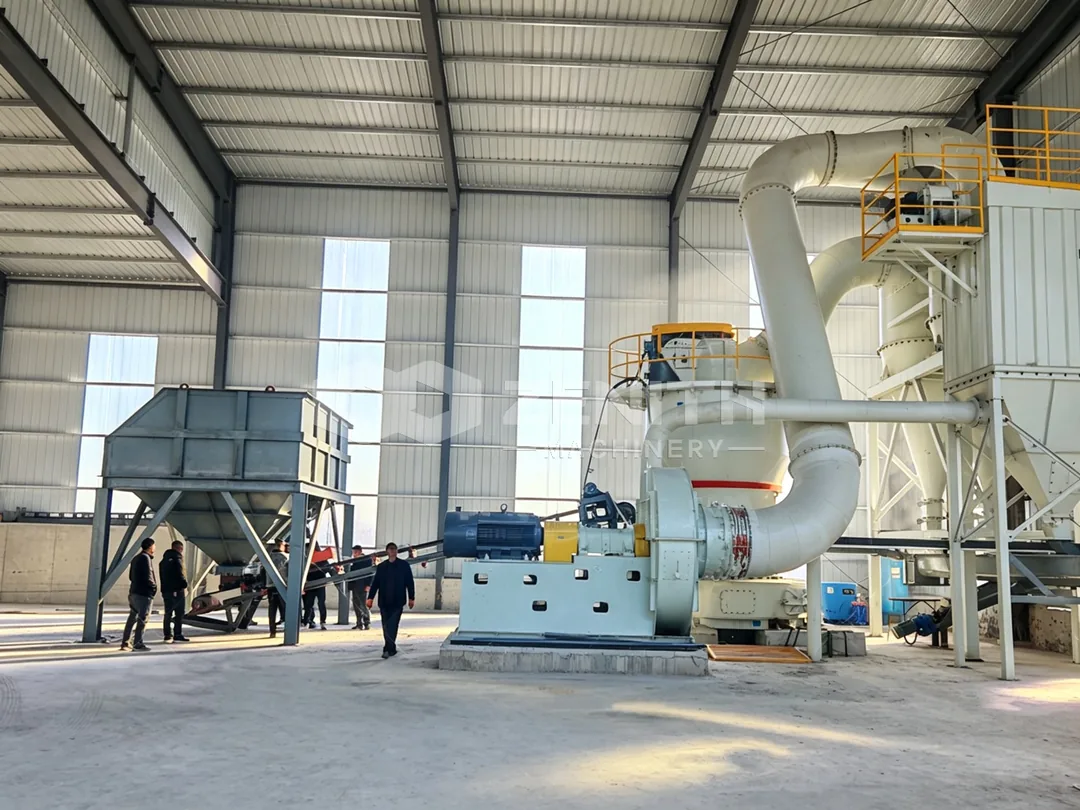
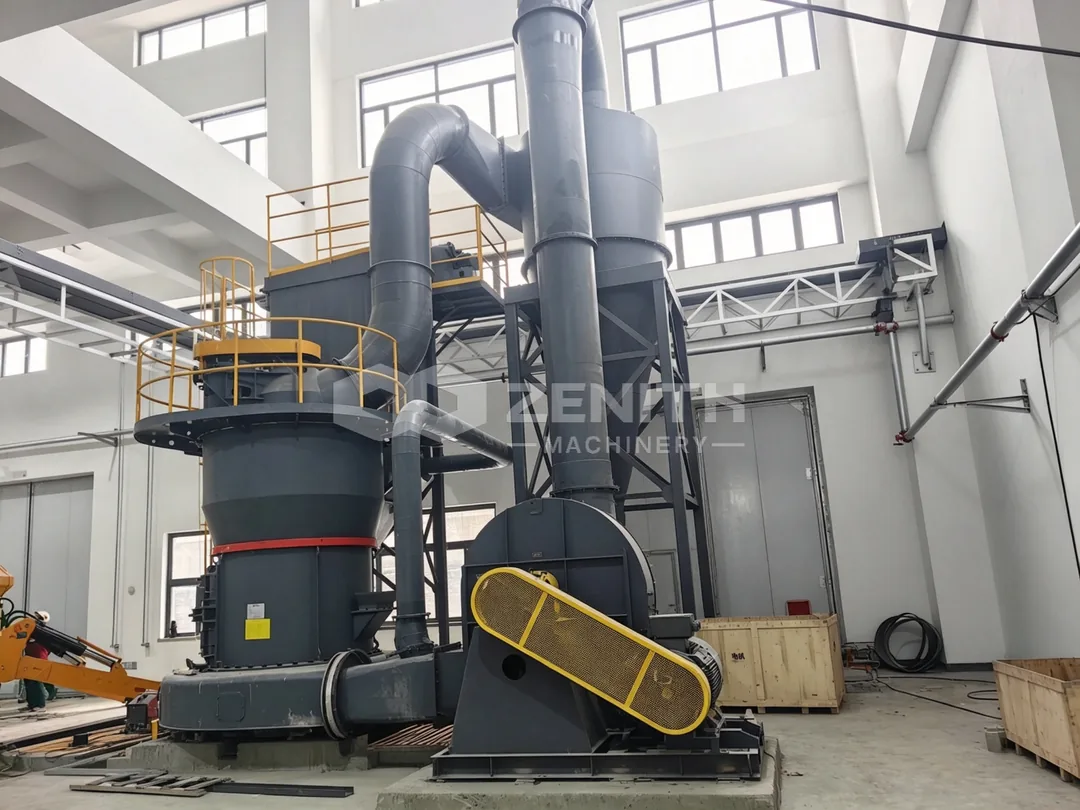
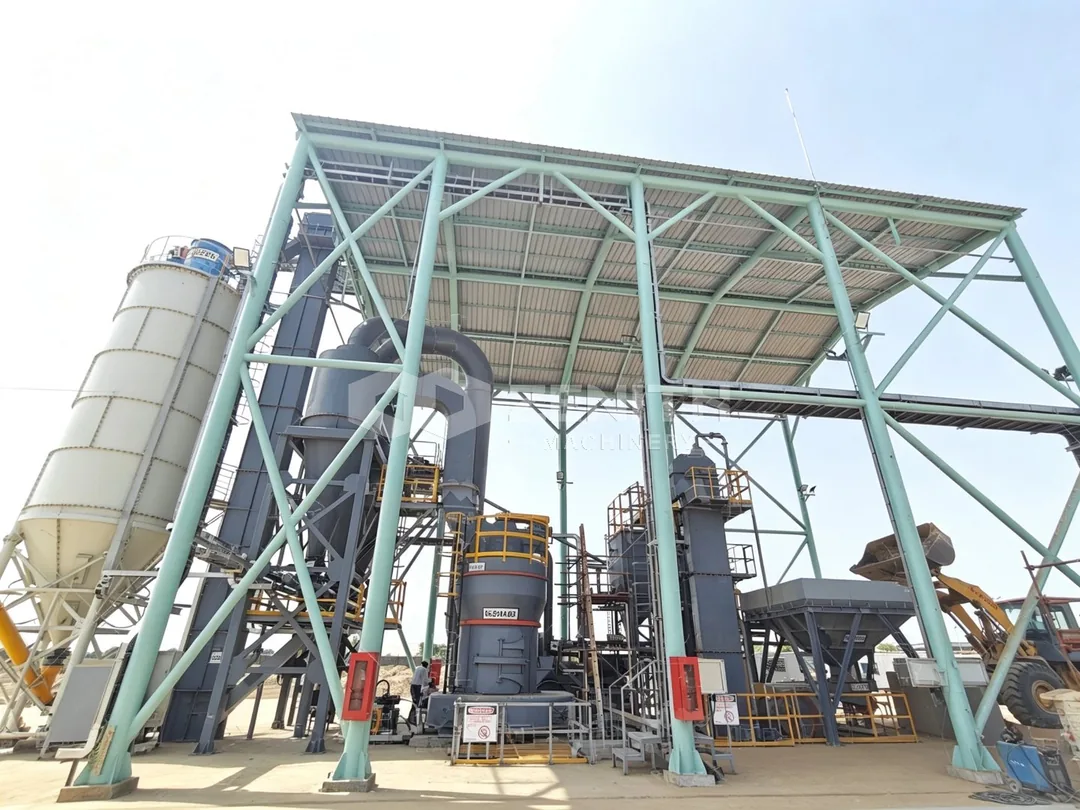
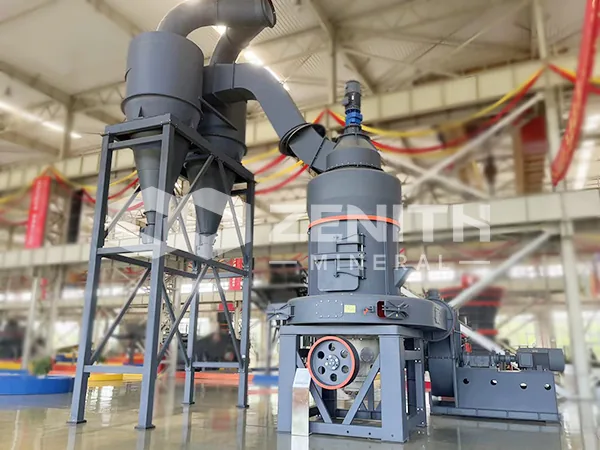
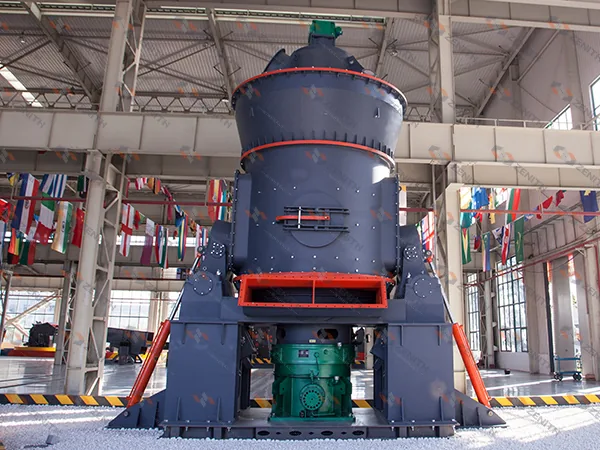
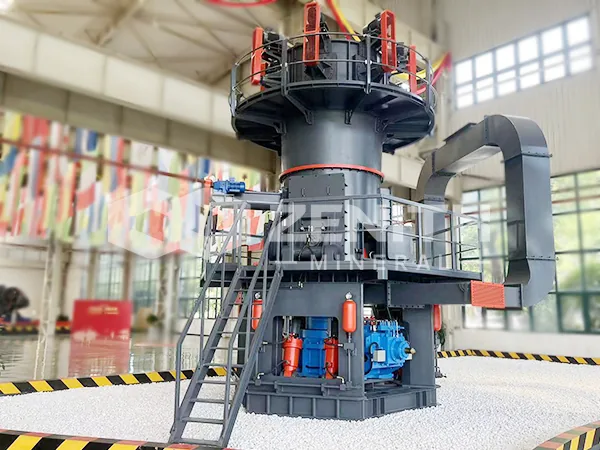
Kenyan quartz stone grinding mill with a particle size of 300 mesh is used for the production of quartz stone slabs.
2026-01-06 00:57:33
In the competitive world of engineered stone manufacturing, the quality of the raw quartz powder is paramount. For producers of premium quartz slabs in Kenya and across the globe, achieving a consistent, ultra-fine particle size—such as the critical 300-mesh specification—directly influences the durability, aesthetic appeal, and structural integrity of the final product. This is where the selection of industrial grinding technology transitions from a simple procurement decision to a strategic investment in quality and operational excellence.
Shanghai Zenith Machinery Co., Ltd., with its decades of specialization in powder grinding equipment, understands these high-stakes requirements. Our engineering philosophy is built on providing solutions that are not just machines, but integrated systems for productivity. For quartz slab producers, the grinding phase must deliver more than just fineness; it must ensure high material purity to maintain the stone's whiteness and translucency, offer remarkable energy efficiency to manage operational costs, and guarantee the stability needed for 24/7 production cycles.
_1767632253618.jpg)
When processing hard, abrasive materials like quartz, traditional ball mills often fall short, consuming excessive energy and introducing higher risks of iron contamination. Zenith's advanced mill series, including the MTW & MTM European Trapezium Mills and the LM Vertical Grinding Mill, are engineered to overcome these challenges. For instance, our MTW series mill, with its optimized curved air duct and high-efficiency impeller fan, ensures a stable and efficient grinding environment for quartz. Its modular design allows operators to precisely target a 300-mesh output simply by adjusting the impeller configuration, providing exceptional flexibility for different slab recipes.
The quest for perfection in surface finish often demands even greater fineness control. This is where our ultrafine grinding technologies come into play. The LUM Ultrafine Vertical Grinding Mill and the XZM Ultrafine Grinding Mill are masterpieces of precision engineering. Integrating German powder separation technology, the LUM mill can produce powders from 325 to 2500 mesh, far exceeding the 300-mesh benchmark. Its sealed, negative-pressure operation is a boon for quartz processing, as it virtually eliminates dust spillage—protecting both product purity and the workplace environment. The ability to control iron content with such precision is a critical advantage for maintaining the pristine color of white or light-colored quartz slabs.
_1767632253619.jpg)
Beyond the grinding chamber, Zenith's holistic approach ensures every aspect of the operation is optimized. Our mills are designed as self-contained production systems, from bulk material feeding to finished powder collection. This integrated design significantly reduces the footprint and civil engineering costs of the plant—a considerable advantage for expanding production facilities. Furthermore, with energy consumption documented to be over 60% lower than equivalent ball mills, the return on investment is accelerated through substantial savings in power, a major operational cost in grinding operations.
The reliability of the grinding circuit is non-negotiable in slab production. Unplanned downtime can disrupt the entire manufacturing line. Zenith equipment, certified to ISO, CE, and CU-TR standards, is built for endurance. Key components utilize high-quality, wear-resistant materials to withstand the abrasiveness of quartz. Features like the hydraulic adjustment system in the LUM mill allow for quick maintenance and replacement of wear parts, minimizing operational interruptions and ensuring consistent output quality shift after shift.
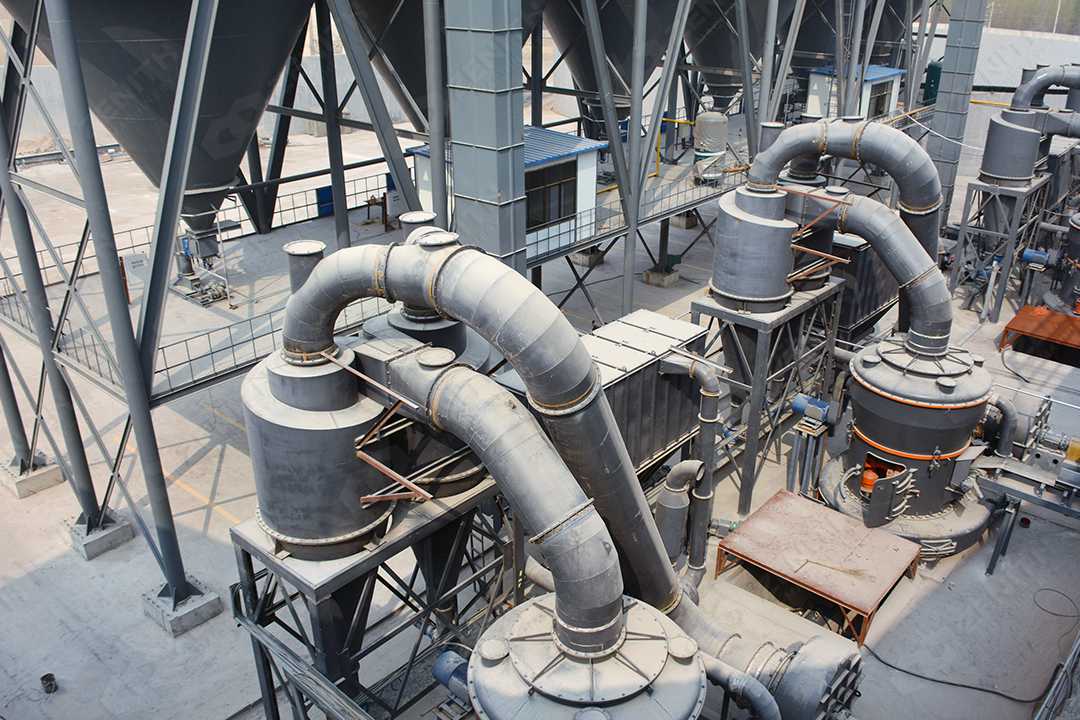
Ultimately, the choice of a grinding mill is a foundational decision for any quartz slab manufacturer. It dictates product quality, operational efficiency, and long-term profitability. By partnering with a technology provider like Zenith, with a proven global network supporting over 180 countries, producers gain more than just equipment. They gain access to engineering expertise and a commitment to advancing the standards of the engineered stone industry, one perfect slab at a time.
Frequently Asked Questions (FAQs)
- Why is achieving exactly 300-mesh particle size so important for quartz slabs?
A consistent 300-mesh (approximately 50 microns) powder ensures optimal resin bonding during slab pressing. It creates a dense, non-porous surface that enhances the slab's strength, stain resistance, and polishability, while maintaining a natural stone-like appearance. - How does Zenith equipment prevent iron contamination during quartz grinding?
Our LM and LUM vertical mills, among others, are designed with advanced material separation and sealing. They effectively control the grinding environment to minimize metal-to-metal contact and often feature iron removal systems, ensuring high whiteness and purity of the final quartz powder. - Can one mill handle different raw material sizes and produce different fineness for various product lines?
Yes. Zenith mills like the MTW/MTM series and XZM mill are designed for adjustable output fineness. By changing impellers or adjusting the classifier speed (often via a VFD control panel), the same mill can process feed sizes up to 35mm and produce powder ranging from coarse to ultrafine (80-2500 mesh), offering great flexibility. - What are the primary energy-saving features of your mills compared to traditional ball mills?
Our mills utilize advanced grinding principles (roller vs. ball impact) and high-efficiency drive systems. They operate with integrated drying and grinding, have superior airflow design, and consume over 60% less energy than ball mills of the same capacity, as verified under ideal working conditions. - How does the system ensure environmental compliance during the grinding process?
All Zenith grinding systems operate under negative or sealed pressure and are equipped with high-efficiency pulse jet bag dust collectors (or cyclone collectors). This configuration contains all dust within the system, resulting in clean exhaust air that meets stringent international environmental standards. - What level of automation can we expect with these grinding systems?
Our systems feature intelligent control panels that enable remote monitoring and operation, automatic feeding control, and parameter adjustment. This high degree of automation allows for labor-free operation in the grinding workshop, ensuring consistent quality and reducing human error. - Do you provide support for installation and maintenance in Kenya?
Absolutely. With a marketing network covering over 180 countries and overseas offices in more than 30 nations, Zenith provides comprehensive technical support, installation guidance, operator training, and spare parts supply to ensure optimal performance and longevity of your equipment in Kenya.