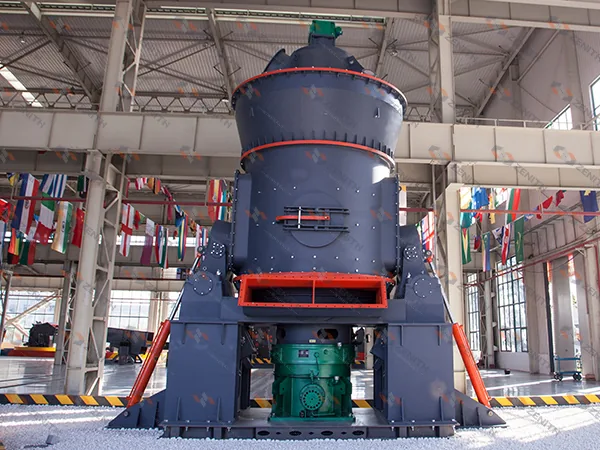
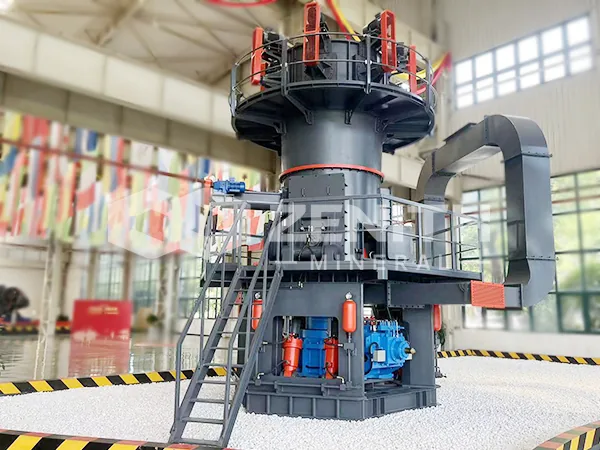
Russian illite grinding mill, 200 mesh d90 european version, 7-10 t/h
2026-01-05 17:55:57
In the vast mineral-rich landscapes of Russia, the processing of industrial minerals like illite presents unique challenges and opportunities. Illite, a phyllosilicate clay mineral, demands precise grinding to unlock its full potential in applications ranging from ceramics and paints to advanced composites and agriculture. Achieving a consistent, high-volume output of fine powder, specifically targeting a 200 mesh D90 specification at 7-10 tons per hour, requires not just any grinding equipment, but a solution engineered for efficiency, reliability, and adaptability to local conditions.
Shanghai Zenith Machinery, with its global engineering expertise and a network spanning over 180 countries, has developed a suite of grinding technologies that directly address these precise industrial needs. Our focus extends beyond mere equipment supply; we provide integrated processing systems designed to maximize yield, minimize operational costs, and ensure environmental compliance.
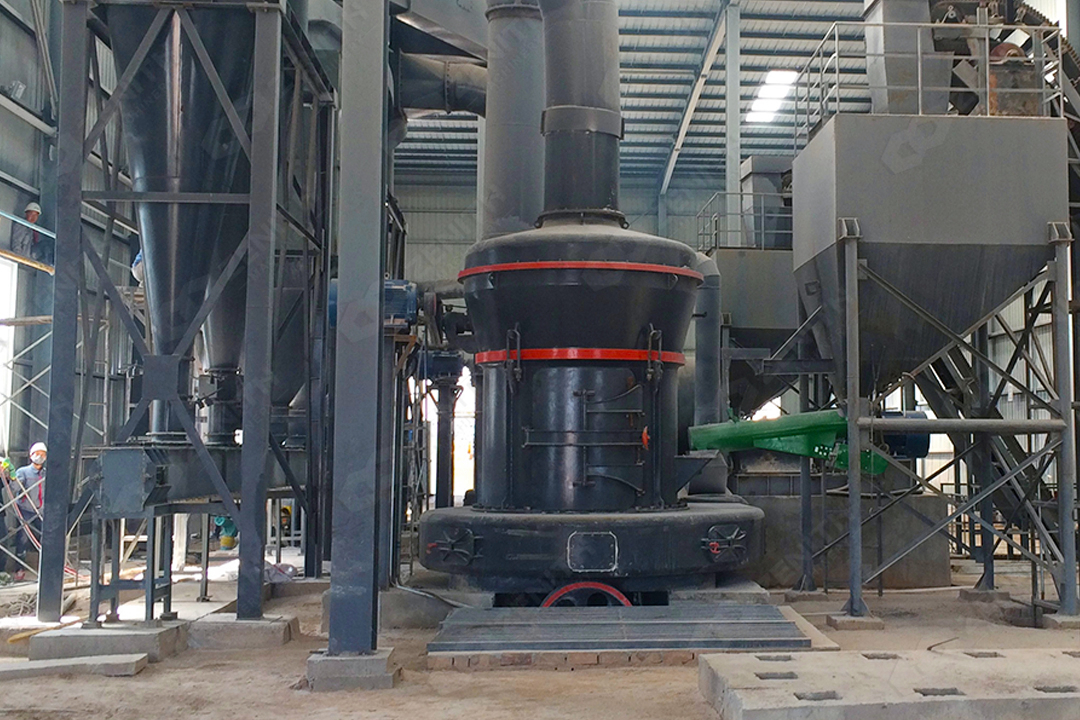
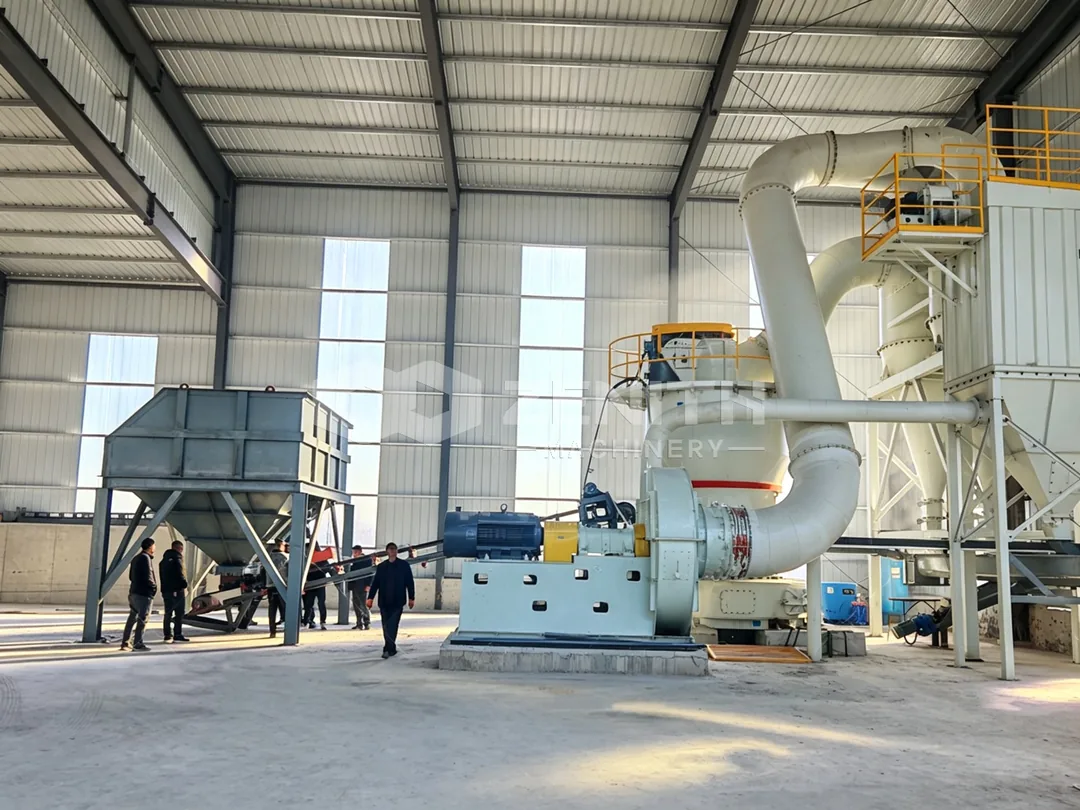
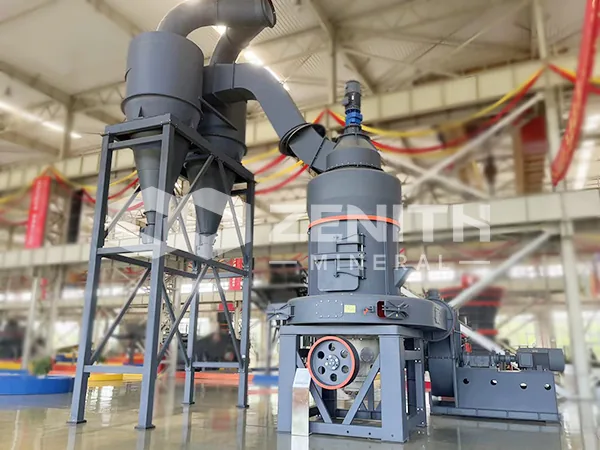
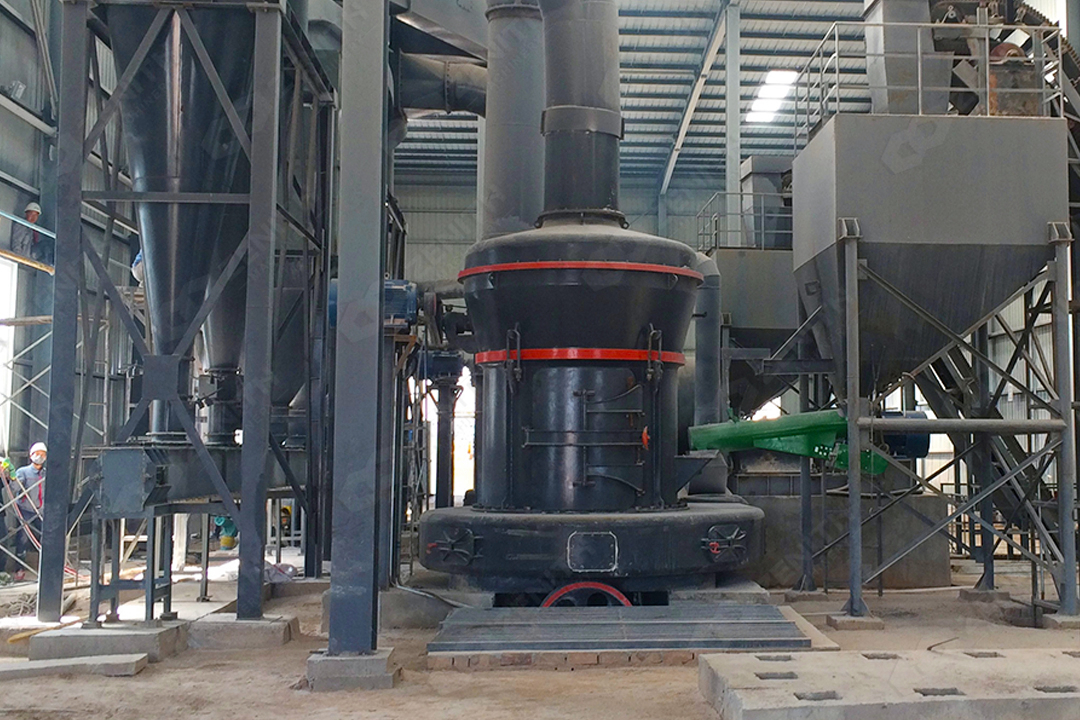
For the specific requirement of producing 200 mesh (approximately 74 microns) fine powder with a D90 distribution, the MTW European Trapezium Mill emerges as a particularly compelling solution. This mill series is engineered to excel in the 80-400 mesh range, making it ideal for the target fineness. Its design philosophy centers on operational economy and robust performance. A standout feature is its energy consumption, which is over 60% lower than traditional ball mills of comparable output. In an era of rising energy costs, this efficiency translates directly into a significant competitive advantage for processing plants.
The MTW mill's intelligent design incorporates a modular impeller adjustment system. This allows operators to fine-tune the output fineness—crucial for hitting the exact 200 mesh D90 target—simply by changing impellers, without major mechanical overhauls. Furthermore, its high-efficiency induced draft fan system boosts air induction efficiency to 85%, ensuring superior material classification and consistent product quality. The entire system operates under negative pressure, with integrated pulse dust collectors, guaranteeing a clean working environment that meets stringent international environmental standards, including the EU CE and Customs Union CU-TR certifications held by Zenith.
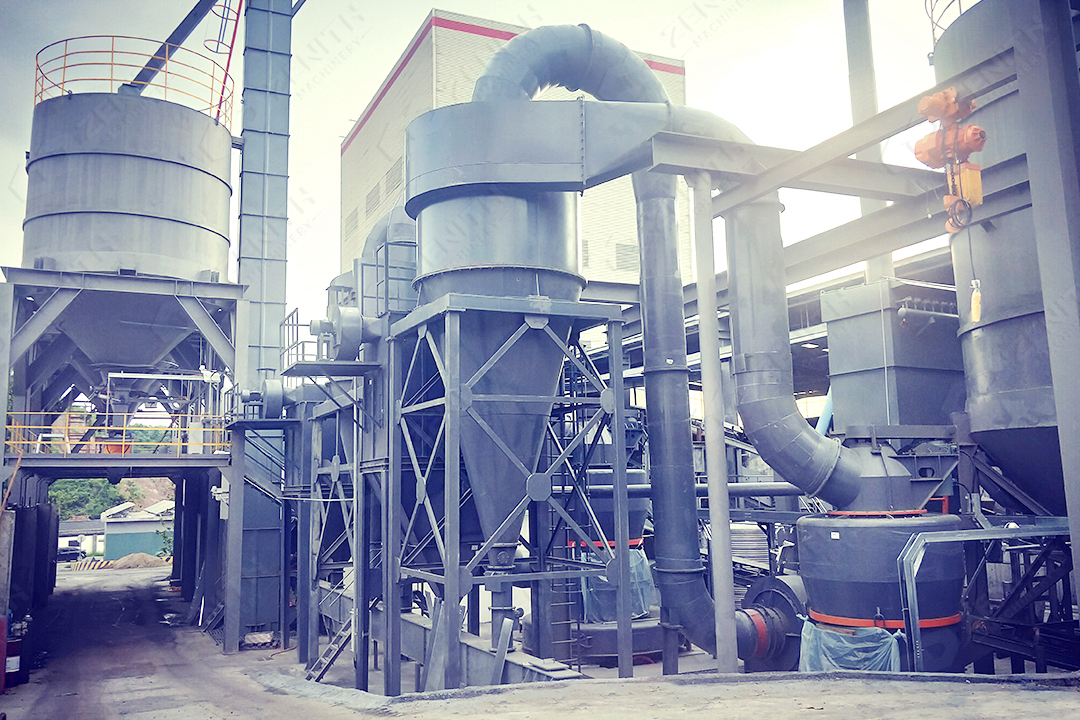
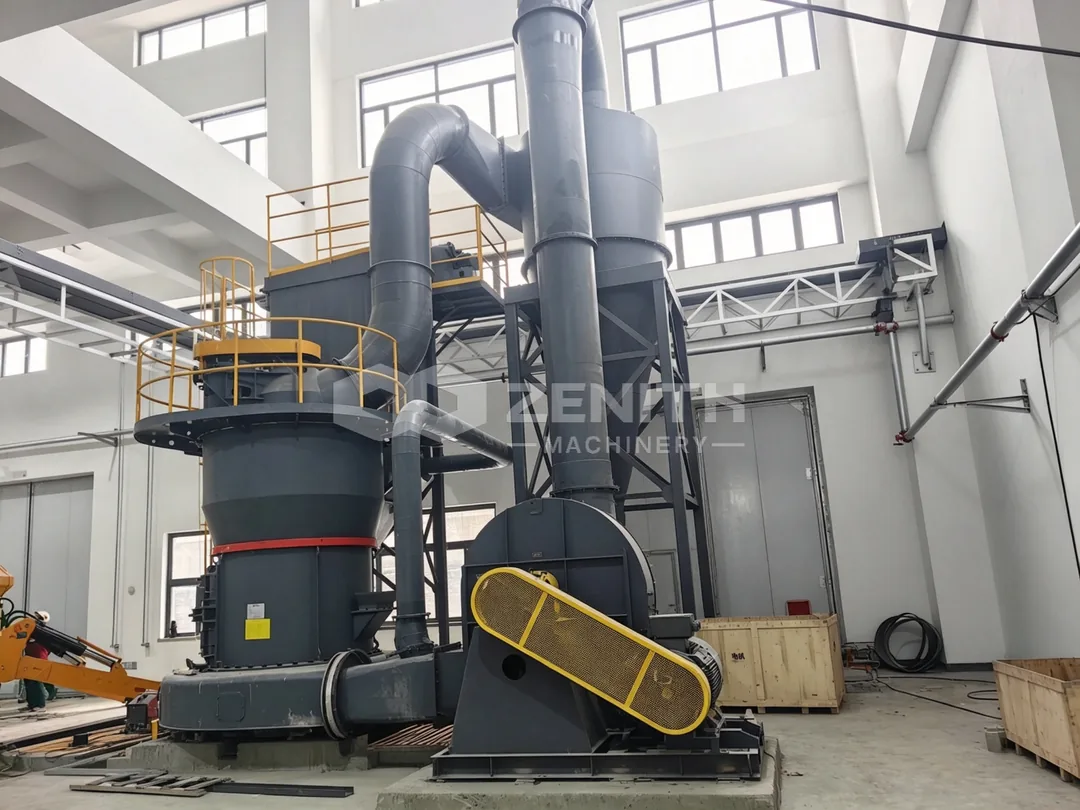
While the MTW series is a prime candidate, Zenith's portfolio offers depth for optimization. The LM Vertical Grinding Mill presents an excellent alternative, especially for projects prioritizing a high degree of automation and 24/7 continuous operation. Its vertical structure occupies about 50% less space than traditional ball mill systems, reducing civil engineering costs. The sealed grinding chamber and negative pressure operation make it exceptionally environmentally friendly, with minimal dust and noise—a key consideration for modern facilities.
For producers considering future expansion into ultra-fine grades, the XZM Ultrafine Grinding Mill offers remarkable flexibility. Capable of producing powder from 325 to 2500 mesh, it can effortlessly handle the 200 mesh requirement while providing the headroom to produce higher-value ultrafine illite powders for niche applications. Its energy efficiency is notable, consuming up to 70% less energy than some alternative fine-grinding technologies.
_1767606957135.jpg)
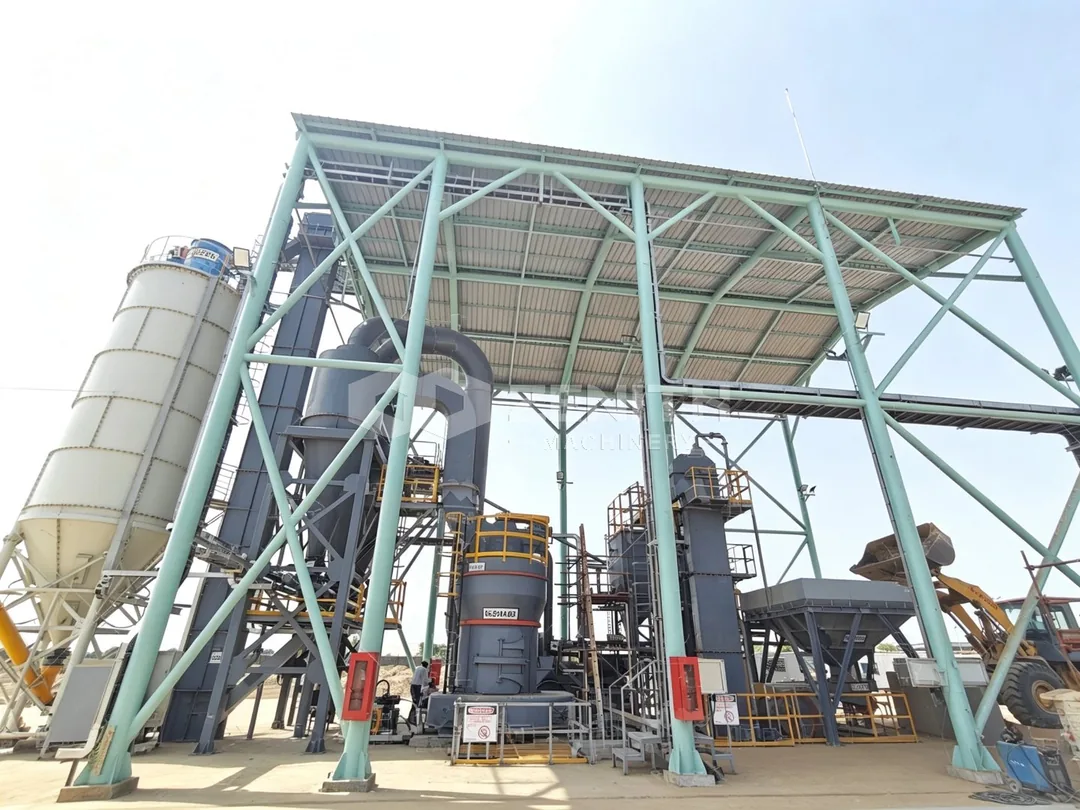
The journey from raw illite to premium-grade powder begins with proper preparation. For feed sizes up to 35mm, the integrated system from Zenith can seamlessly connect crushing units to the grinding mill. The working principle is a continuous, closed-loop process: material is fed into the grinding chamber, pulverized by rollers or grinding media, classified by airflow in a precision separator, and collected as finished product. Oversized particles are automatically recirculated for re-grinding, ensuring maximum yield and consistent particle size distribution.
Choosing the right partner for your grinding solution is critical. Zenith's commitment is backed by a global service network, including support structures in over 30 countries, ensuring that clients in Russia receive timely technical assistance, spare parts, and operational guidance. Our equipment is not just built to specifications; it's built for the long-term productivity and profitability of your illite processing operation.
Frequently Asked Questions (FAQs)
- What is the primary advantage of the MTW Mill over a traditional ball mill for illite grinding?
The MTW European Trapezium Mill offers over 60% lower energy consumption for the same output grade, a significantly smaller footprint, and easier maintenance, leading to vastly lower operational costs. - Can your mills guarantee a consistent D90 of 200 mesh for illite?
Yes. Our MTW and LM series mills are equipped with high-precision turbine classifiers and adjustable impeller systems that allow for precise control over particle size distribution, ensuring the D90 specification is reliably met. - Is the system environmentally compliant for operation in Russia?
Absolutely. Our grinding systems operate under full negative pressure with integrated high-efficiency pulse jet bag dust collectors. This design contains all dust, meeting and exceeding local and international environmental protection standards. - What is the typical lead time for delivery and installation of such a system to Russia?
Lead times vary based on model and configuration. However, with our established logistics channels and overseas offices, we typically aim for 8-12 weeks from order confirmation to delivery at port. Installation timelines are project-specific. - How does the 7-10 t/h capacity relate to different moisture content in the feed illite?
The stated capacity is for dry grinding. Higher moisture content in feed material can reduce throughput. We can equip the system with optional hot air sources (like an air heater) to dry the material during grinding, stabilizing capacity. - Do you provide wear parts locally in Russia, and what is their expected lifespan?
We maintain strategic stocks of critical wear parts, such as grinding rollers and rings, through our regional partners to ensure quick availability. Lifespan depends on illite abrasiveness but typically ranges from 2,000 to 4,000 operating hours. - Can the mill system be automated for minimal operator intervention?
Yes. Our mills can be equipped with full PLC-based automation systems, allowing for remote monitoring, automatic feeding control, pressure and temperature regulation, and fault diagnosis, enabling largely unmanned operation.