How much does it cost to grind kaolin to 2000 mesh with a production capacity of 20 tons per hour?
2026-01-05 00:57:33
When evaluating the capital and operational expenditure for a high-capacity, ultra-fine kaolin grinding project, the question is rarely simple. A target of 2000 mesh (approximately 6.5 microns) at a substantial 20 tons per hour output sits at the demanding intersection of extreme fineness and industrial-scale throughput. The total cost is not a single figure but a composite of equipment selection, system configuration, energy consumption, and long-term operational efficiency. At Zenith, with our extensive portfolio of grinding technologies, we approach this by matching the precise technical challenge with the most economically viable solution over the entire lifecycle of the plant.
The journey to 2000-mesh kaolin begins with understanding the limitations of conventional mills. Standard Raymond Mills, MTM, or MTW European Trapezium Mills are workhorses for fine grinding up to 400 mesh, but pushing them to 2000 mesh would require multi-stage classification systems, drastically reduced throughput, and unsustainable energy costs. Similarly, while Ball Mills are robust for coarse grinding, achieving such ultrafine sizes is inefficient due to high energy consumption and media wear. For this specific application, the conversation immediately shifts to specialized ultrafine vertical grinding mills and ultrafine grinding mills designed for the micron and sub-micron range.
_1767545853558.jpg)
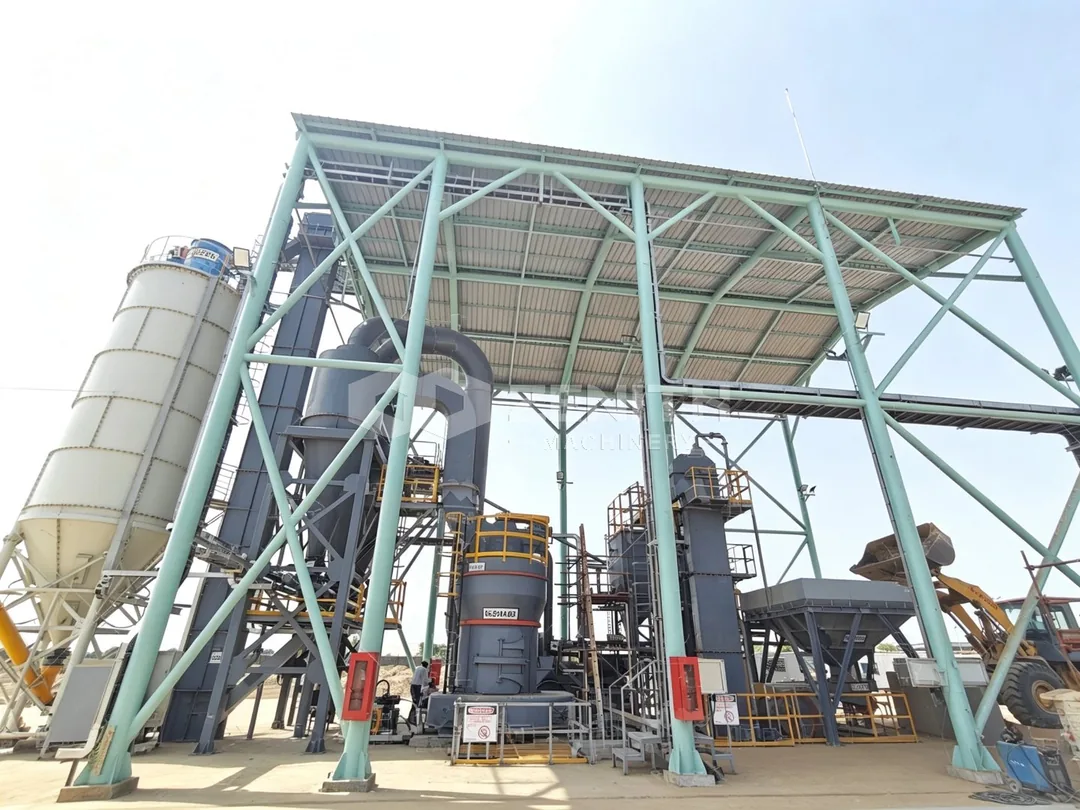
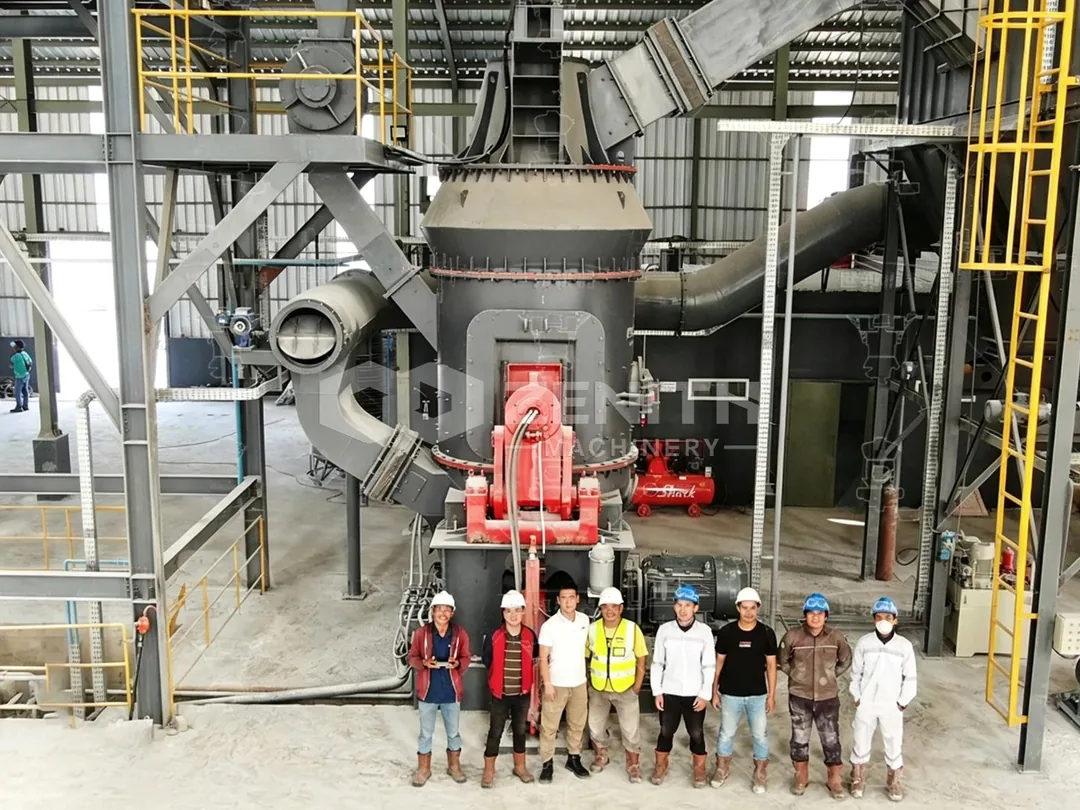
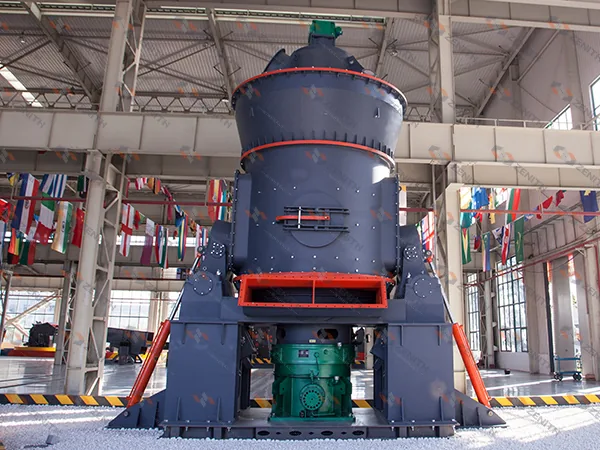
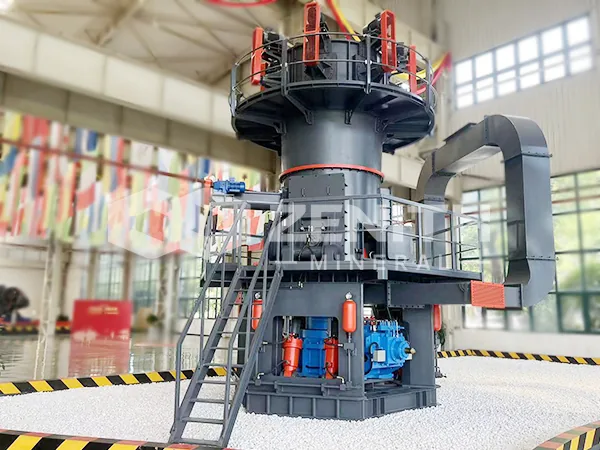
For a 20 TPH, 2000-mesh kaolin operation, two of our flagship models enter primary consideration: the LUM Ultrafine Vertical Grinding Mill and the XZM Ultrafine Grinding Mill. Both are engineered to produce powder in the 325-2500 mesh range efficiently. The LUM series, integrating advanced grinding roller and powder separating technology from Taiwan and Germany, is renowned for its stability in producing high-purity, high-whiteness powders—a critical factor for kaolin used in paper, coatings, and plastics. Its energy consumption is 30%-50% lower than ordinary mills, a decisive factor in long-term operational cost.
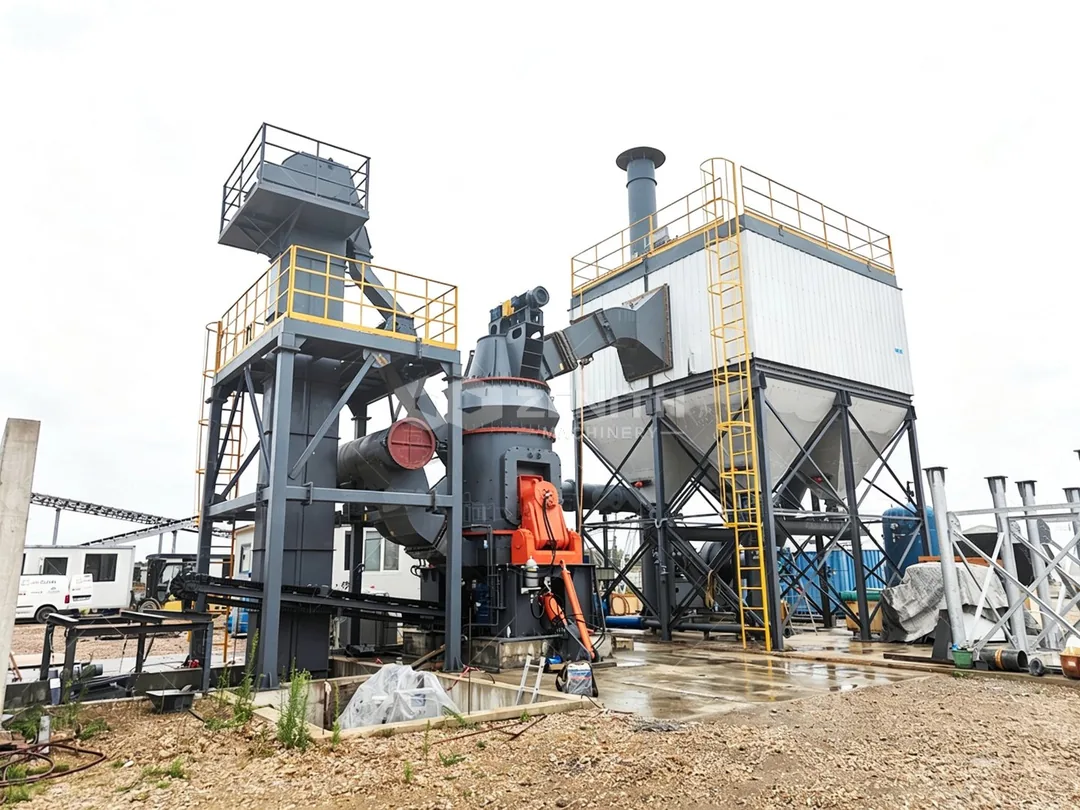
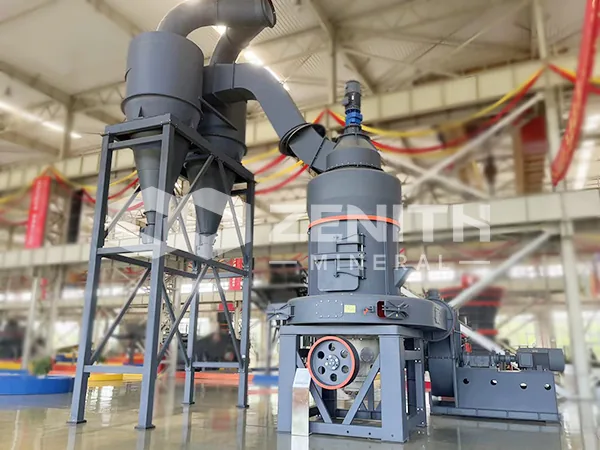
The XZM series is another formidable contender. Its key advantage is the ability to achieve a one-time classification up to 2500 mesh (D97 < 5μm) with a simple internal structure that minimizes downtime. Compared to airflow or stirring mills, the XZM offers 40% higher efficiency and 70% lower energy consumption for the same output. For a continuous 20 TPH operation, this translates into massive savings on power, often the single largest recurring cost in grinding. The system's operation under negative pressure also ensures an environmentally friendly process with no dust spillage.
_1767545853560.jpg)
Breaking Down the Cost Components
The total investment (CapEx) and operating cost (OpEx) can be broken down as follows:
1. Capital Expenditure (CapEx):
- Grinding Mill & Classifier System: This is the core cost. A complete system based on the LUM or XZM mill for 20 TPH capacity represents a significant but focused investment. Their integrated design, covering ~50% less area than a ball mill system, also reduces civil construction costs.
- Auxiliary Equipment: This includes jaw crushers for primary size reduction, electromagnetic vibrating feeders, bucket elevators, screw conveyors, a sophisticated pulse jet baghouse dust collector, and a PLC-based automated control system.
- Installation & Commissioning: Costs for expert supervision, foundation work, and system tuning.
2. Operational Expenditure (OpEx):
- Power Consumption: This is the dominant OpEx factor. The 60%+ energy savings of our advanced mills versus traditional ball mills, and the superior efficiency of the XZM, directly define your profitability. For 20 TPH, the annual electricity savings can amount to hundreds of thousands of dollars.
- Wear Parts & Maintenance: Grinding rollers, liners, and classifier blades are consumables. The LUM mill's reversible design and hydraulic adjustment system allow for quick, easy replacement, minimizing labor and production loss.
- Labor: The high degree of automation in both LUM and XZM mills enables "labor-free" workshop operation, drastically cutting long-term labor costs.
- Product Quality & Yield: A mill that consistently delivers 99%+ screening efficiency and high purity minimizes waste and ensures maximum revenue from your processed kaolin.
_1767545853562.jpg)
Therefore, while the initial price tag for a top-tier 20 TPH ultrafine grinding system is a major consideration, the true cost is measured over years of operation. A slightly higher initial investment in a more efficient, automated, and durable system like the LUM or XZM typically yields a far lower total cost of ownership due to radically reduced energy bills, lower maintenance downtime, and consistent product quality. The system's compliance with international standards like ISO, CE, and CU-TR also ensures global acceptability and reliability.
System Configuration and Feasibility
Achieving 20 TPH at 2000 mesh often involves a multi-stage approach for optimal efficiency. A typical Zenith recommended configuration might include:
1. Primary Crushing: A jaw crusher to reduce raw kaolin to below 20mm.
2. Pre-drying (if needed): A dryer to control moisture content before fine grinding.
3. Core Grinding & Classification: Two (2) units of XZM Ultrafine Grinding Mills (e.g., Model XZM237), each configured for ~10-12 TPH at 2000 mesh, operating in parallel. This provides redundancy, ensures stable capacity, and allows maintenance on one line without full plant shutdown.
4. Product Collection: High-efficiency cyclone powder collectors and a pulse jet baghouse filter for 99.9%+ collection.
5. Automation: A centralized PLC control system for monitoring pressure, temperature, and fineness, enabling precise, repeatable results.
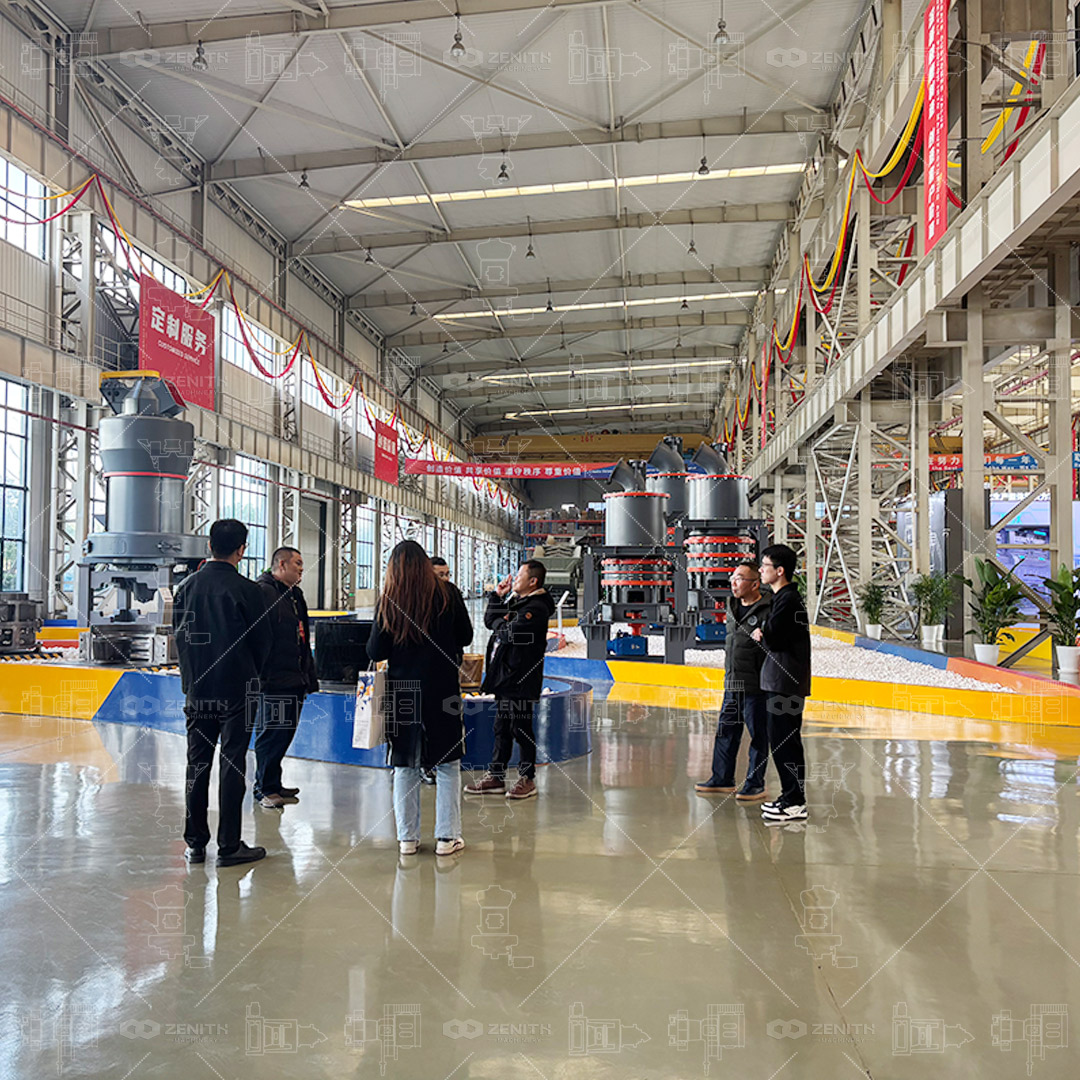
In conclusion, providing a single dollar figure without a detailed project analysis would be misleading. The cost to grind kaolin to 2000 mesh at 20 TPH is a strategic investment defined by choosing technology that minimizes lifetime operating costs. With Zenith's LUM and XZM series mills, you invest not just in a machine, but in a system engineered for maximum efficiency, reliability, and profitability in the demanding ultrafine powder market. We invite you to consult with our engineering team for a tailored feasibility study and a precise quotation based on your specific kaolin characteristics and plant layout.
_1767545853566.jpg)
Frequently Asked Questions (FAQs)
- What is the main advantage of using an Ultrafine Vertical Mill like the LUM for 2000 mesh grinding over a modified Raymond Mill?
The LUM mill is designed from the ground up for ultrafine grinding (325-2500 mesh) with integrated separation, offering 30-50% energy savings, superior product purity, and stable operation at high fineness. A Raymond Mill pushed to 2000 mesh would suffer from drastically reduced capacity, high recirculation loads, and significantly higher energy consumption per ton. - Can the XZM Mill really achieve 2000 mesh in a single pass?
Yes. The XZM Ultrafine Grinding Mill is equipped with a high-precision classifier with Variable Frequency Drive (VFD). This allows the fineness to be adjusted arbitrarily between 325 and 2500 mesh, and it can achieve D97 < 5 microns (approx. 2500 mesh) in a single closed-circuit grinding and classification process. - How does the 60% lower energy consumption claim compare for ultrafine grinding?
This comparison is typically against traditional ball mills used in similar fine-grinding applications. For ultrafine ranges, the advanced mechanical grinding principles of the LUM and XZM mills, combined with efficient classification, are far more energy-efficient than ball mills or older ultrafine mill designs, leading to savings often exceeding 60%. - Is a production capacity of 20 tons per hour at 2000 mesh feasible with one machine?
While our largest models have high capacities, achieving 20 TPH at the extreme fineness of 2000 mesh with a single mill unit is challenging. The most reliable and common solution is to configure two (2) parallel grinding lines (e.g., two XZM mills), each delivering 10-12 TPH. This ensures stability, provides operational flexibility, and facilitates maintenance. - What kind of after-sales support and spare parts availability can we expect?
Zenith has a global network with offices in over 30 countries and serves more than 180 regions. We provide comprehensive technical support, installation supervision, and operator training. Critical wear parts are standardized and stocked in strategic locations to ensure fast delivery and minimize your downtime. - How is the final product fineness controlled and ensured consistently?
Fineness is primarily controlled by the speed of the integrated high-efficiency classifier (adjusted via VFD on the control panel). The automated control system continuously monitors key parameters. The stable grinding mechanics and efficient separation ensure the final powder has a narrow particle size distribution and consistent fineness, batch after batch. - Does the system meet environmental protection standards?
Absolutely. All our grinding systems, especially the LUM and XZM, operate under negative pressure and are equipped with high-efficiency pulse jet baghouse dust collectors. This ensures no dust spillage, low noise, and full compliance with international environmental standards like the EU CE directive. - What is the typical lead time for such a complete 20 TPH system?
Lead time depends on the specific model and current production schedule. For a major project involving multiple large mills and auxiliary equipment, it typically ranges from 3 to 6 months from order confirmation to shipment. Our project management team provides detailed schedules upon inquiry.