Is it better to use a vertical mill or a raymond mill to grind barite into 325 mesh powder?
2026-01-04 17:57:49
When selecting grinding equipment for producing 325 mesh barite powder, the choice often narrows down to two prominent technologies: the Vertical Roller Mill (VRM) and the Raymond Mill (or High-Pressure Grinding Mill). Both are workhorses in mineral processing, but their operational philosophies, performance characteristics, and suitability for specific projects like barite grinding differ significantly. As a leading industrial machinery provider with decades of experience, we at Zenith often guide our clients through this critical decision by focusing on their core operational goals: efficiency, product quality, and total cost of ownership.
Barite, or baryte, is a dense mineral composed of barium sulfate. Its primary use is as a weighting agent in drilling fluids for the oil and gas industry, where a consistent, fine powder (typically 200-325 mesh) is required. The grinding process must achieve precise particle size distribution, maintain the mineral's specific gravity, and do so in a cost-effective and reliable manner. Let's delve into a comparative analysis.
The Case for the Modern Vertical Roller Mill
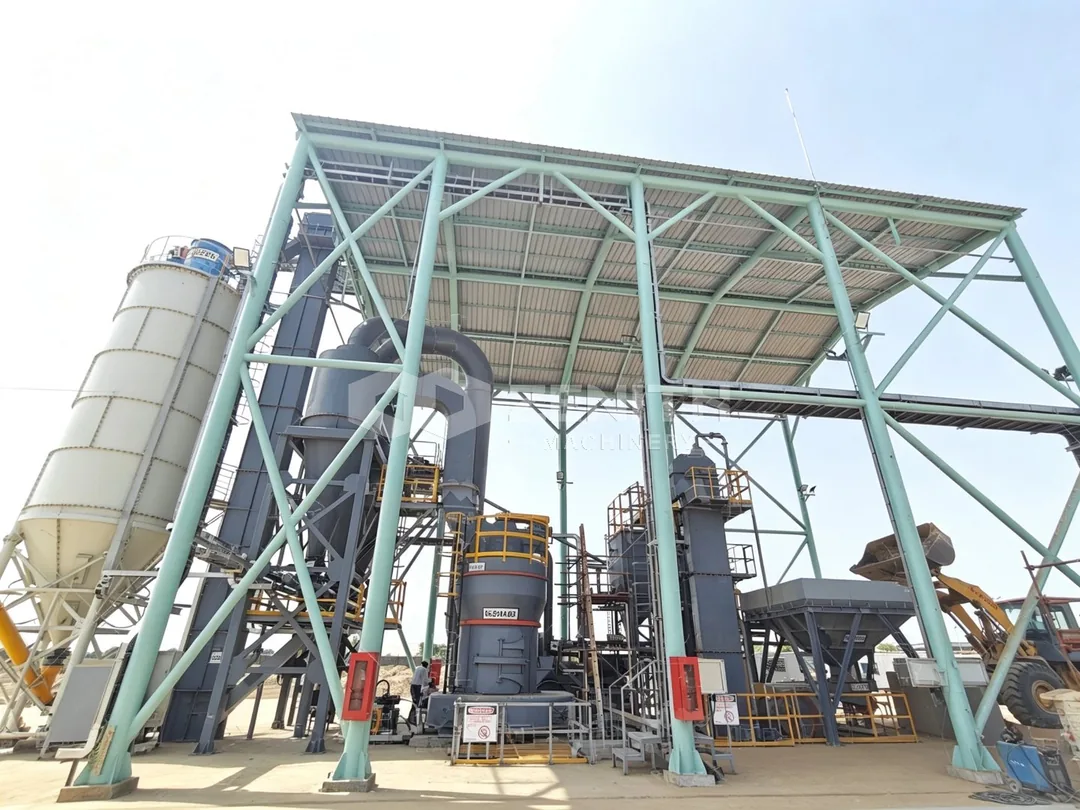
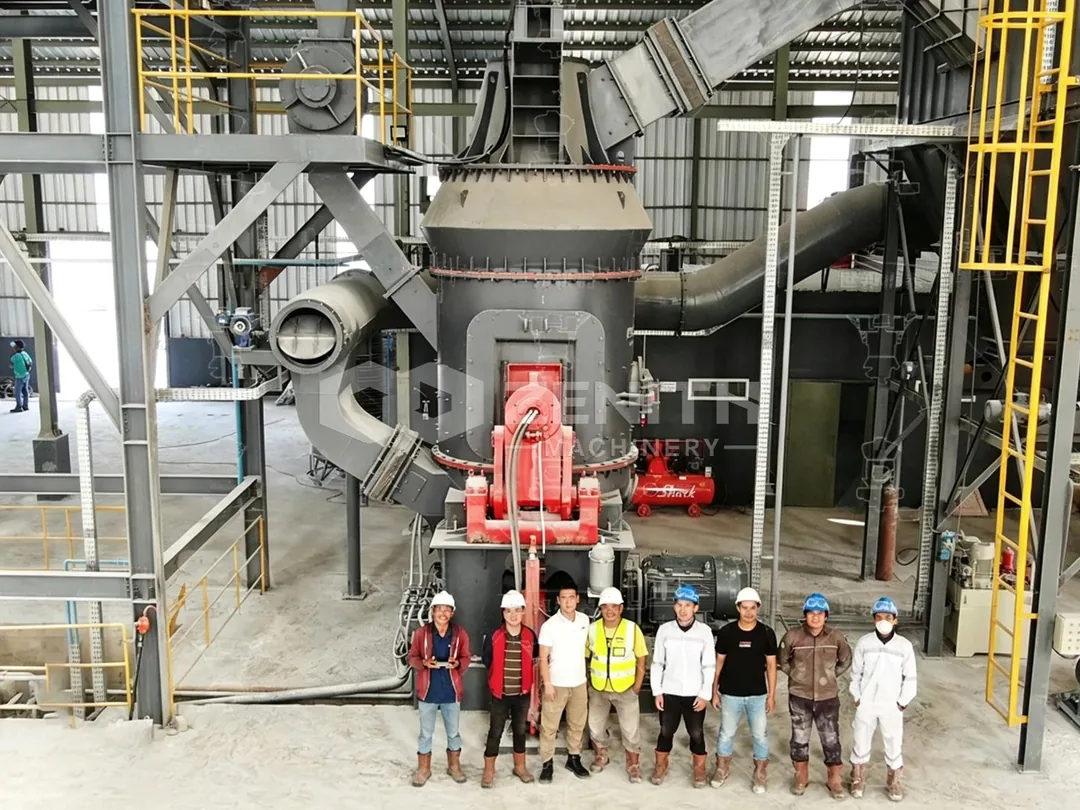
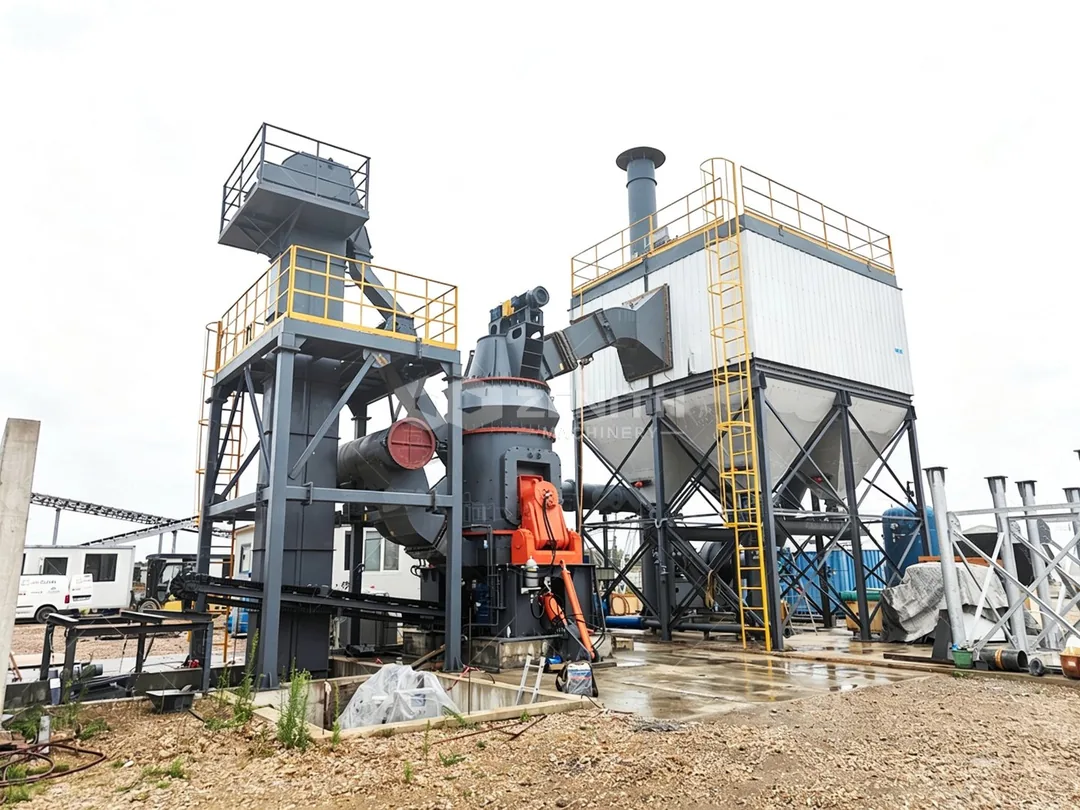
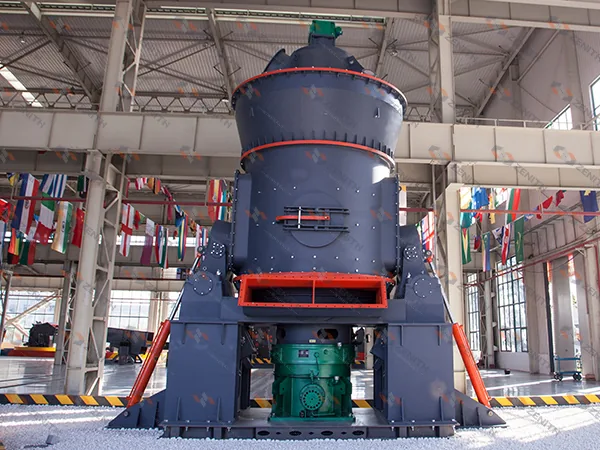
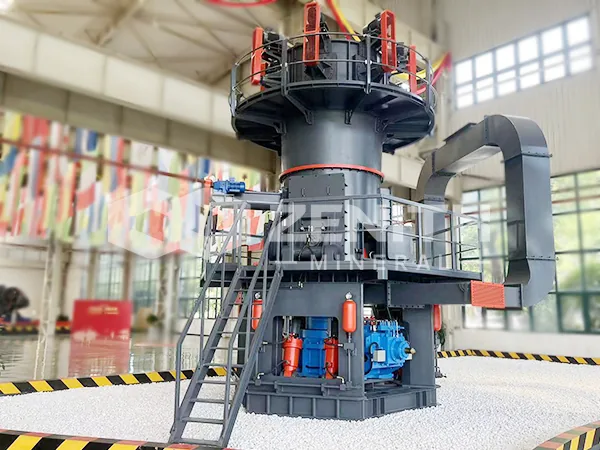
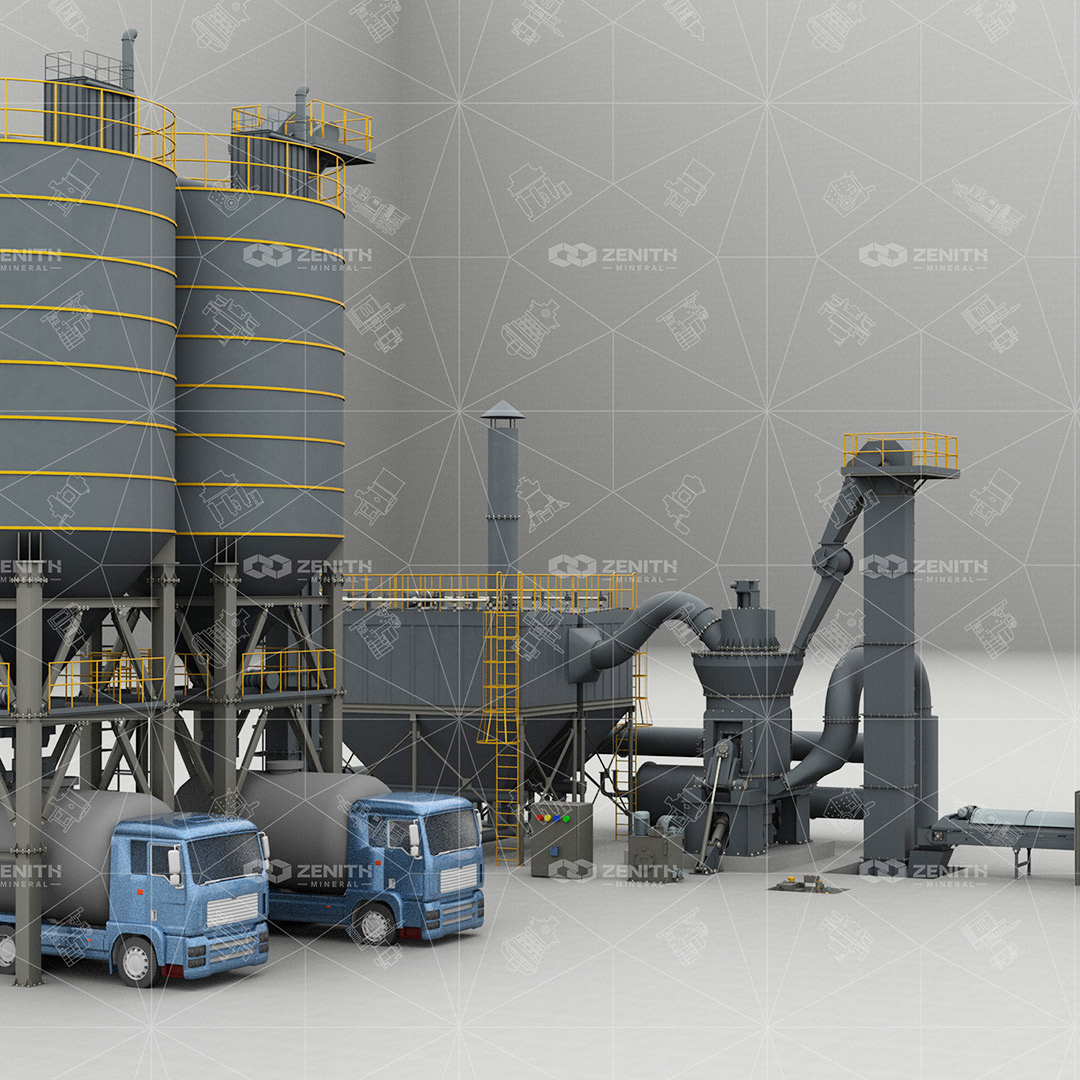
Our LM Vertical Grinding Mill series represents a leap in grinding technology. For barite processing to 325 mesh, its advantages are substantial. The core of its efficiency lies in its working principle: material is fed onto a rotating grinding table and crushed by hydraulically loaded rollers. The immediate separation of ground material by an integrated high-efficiency classifier allows for precise control over fineness.
For a 325 mesh barite project, the LM Vertical Mill offers compelling benefits:
- Superior Energy Efficiency: The direct grinding mechanism consumes 40-50% less energy than a traditional ball mill and significantly less than older Raymond mill designs for the same output. This is a major operational cost saver.
- High Capacity & Continuous Operation: Designed for 24/7 operation, models like the LM130K or LM150K can deliver stable outputs from 3 to over 100 T/H, easily scaling to meet large-scale barite production demands.
- Excellent Product Purity: The grinding process involves minimal metal-to-metal contact (material bed grinding), and the mill operates under negative pressure. This minimizes iron contamination and ensures the high specific gravity of barite is preserved, which is critical for its end-use.
- Low Operational Footprint: Its vertical design occupies about 50-70% less floor space than a horizontal ball mill system, reducing plant construction costs.
_1767520669415.jpg)
The Role of the Advanced Raymond Mill
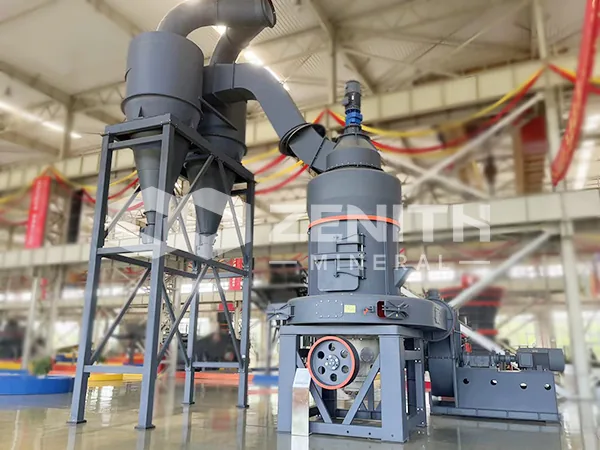
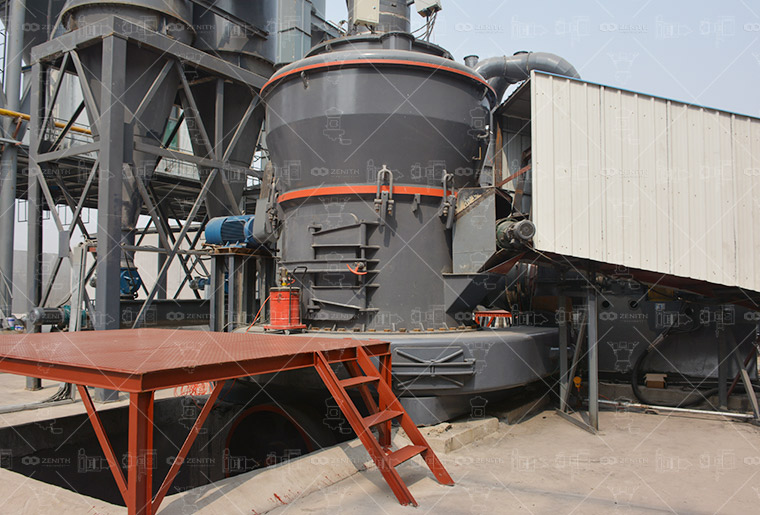
The Raymond Mill (specifically, Zenith's modernized high-pressure suspension roller mill) is a time-tested solution. Its principle involves grinding rollers swinging outward to press against a grinding ring, crushing the material fed by a blade. The classic strength of the Raymond mill lies in its reliability and simplicity for medium-fine grinding.
For certain barite grinding scenarios, it remains a strong contender:
- Proven Simplicity & Lower Initial Investment: The mechanical structure is robust and well-understood, often resulting in a lower upfront capital cost compared to a large VRM system.
- Excellent for 80-325 Mesh Range: It is inherently designed for this fineness spectrum and can produce a well-distributed 325 mesh powder with 99% screening efficiency.
- Adaptability: It handles a variety of non-flammable, non-explosive minerals well, and modern versions feature intelligent control systems for stable operation.
- Ideal for Mid-Scale Production: With capacities typically ranging from 3-22 T/H, it perfectly fits medium-scale barite processing plants or dedicated production lines.
_1767520669416.jpg)
Head-to-Head Comparison for 325 Mesh Barite
| Parameter | LM Vertical Grinding Mill | Raymond Mill (Modern) |
|---|---|---|
| Primary Advantage | High Capacity & Energy Saving | Cost-Effectiveness & Simplicity |
| Typical Capacity for Barite | 3-340 T/H (Highly Scalable) | 3-22 T/H |
| Energy Consumption | Lowest (40-50% less than ball mill) | Low (Higher than VRM, lower than ball mill) |
| Product Purity / Iron Control | Excellent (Material-bed grinding) | Good |
| Automation Level | High (Remote control, auto operation) | Medium to High |
| Space Requirement | Small Footprint (Vertical design) | Compact Independent System |
| Optimal Project Scale | Large-scale, continuous production plants | Medium-scale, dedicated production lines |
Our Recommendation
The decision is not merely about the machine, but about your project's profile. For a large-scale barite processing plant prioritizing throughput, energy savings, and the highest product quality with minimal contamination, the LM Vertical Grinding Mill is the unequivocal choice. Its higher initial investment is rapidly offset by dramatically lower operating costs.
For a medium-scale operation or a plant where capital expenditure is a primary constraint, and the required output is within 22 T/H, the modern Raymond Mill offers a reliable, efficient, and time-proven solution. It delivers excellent 325 mesh barite powder with lower complexity.
_1767520669419.jpg)
Furthermore, for clients seeking even higher fineness or specialized applications, we offer the LUM Ultrafine Vertical Mill and XZM Ultrafine Grinding Mill, which can reach 2500 mesh and beyond, though for standard 325 mesh barite, the LM and Raymond mills are the most cost-effective primary grinders.
At Zenith, with our ISO, CE, and CU-TR certified manufacturing and a global service network, we don't just sell equipment; we provide crushing and grinding solutions. We encourage clients to send us barite samples for free testing in our lab. Our engineers will analyze your material and production goals to recommend the optimal mill—be it a Vertical Mill, Raymond Mill, or a custom-configured system—ensuring you get the best return on your investment.
Frequently Asked Questions (FAQs)
- Can both the LM Vertical Mill and Raymond Mill achieve exactly 325 mesh for barite?
Yes, absolutely. Both mills are precisely adjustable within their range. The LM series can produce 80-400 mesh, and the Raymond mill produces 10-325 mesh. Achieving a consistent D90 or D97 at 325 mesh is a standard application for both. - Which mill requires more maintenance?
Generally, the Raymond mill has a simpler mechanical structure, making some maintenance tasks more straightforward. However, the LM Vertical Mill is designed for continuous, high-capacity operation with long service intervals for its grinding rollers and table. The total lifetime maintenance cost is often comparable or lower for the LM mill due to its higher efficiency and durability. - Is the product shape different from these two mills?
The particle shape from a Vertical Roller Mill tends to be more cubical and uniform due to the material-bed compression grinding. Raymond mill powder is also excellent but may have a slightly different particle distribution. For barite in drilling fluids, both are entirely acceptable, but the VRM may offer marginally better packing density. - How do we decide if our project is "large-scale" or "medium-scale"?
As a rule of thumb, if your required production capacity is above 25-30 tons per hour and you plan for near-continuous operation, you are in the large-scale territory where a Vertical Mill's advantages dominate. Below that, and especially for outputs under 20 T/H, the Raymond Mill is extremely competitive. - Does Zenith provide installation and technical support globally?
Yes. With overseas offices in over 30 countries and a network covering 180+ regions, we provide comprehensive support including foundation drawing, installation guidance, operator training, and a steady supply of wear parts and technical services. - Can these mills handle moist barite ore?
Both mills are primarily designed for dry grinding. If the feed material has high moisture, a separate dryer is required before grinding. The LM Vertical Mill, however, can integrate a small amount of hot air to handle slightly moist feed more effectively than a standard Raymond mill. - What about even coarser or finer barite products?
For coarse powder (0-3mm), our Hammer Mill is ideal. For ultrafine barite beyond 400 mesh (e.g., for fillers in paints or plastics), our LUM or XZM Ultrafine Mills are the specialized equipment of choice.