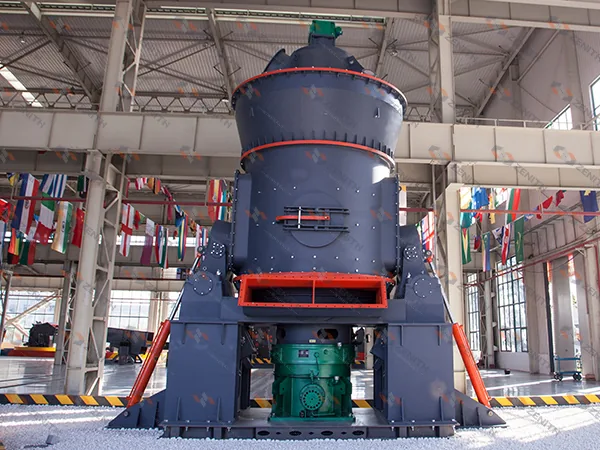
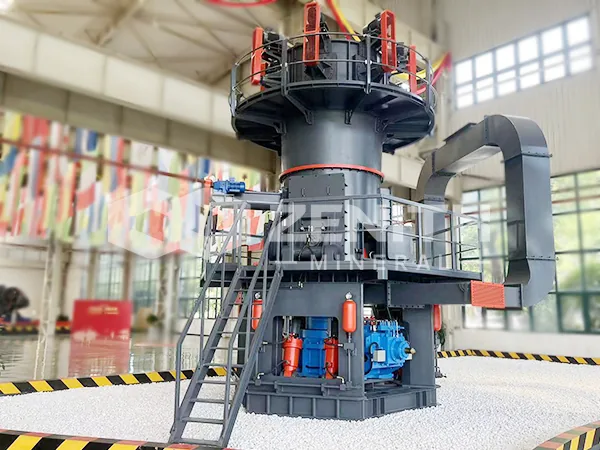
Afghan talc grinding mill with a finished product fineness of 10 microns using ring roller micro powder mill
2026-01-04 11:26:24
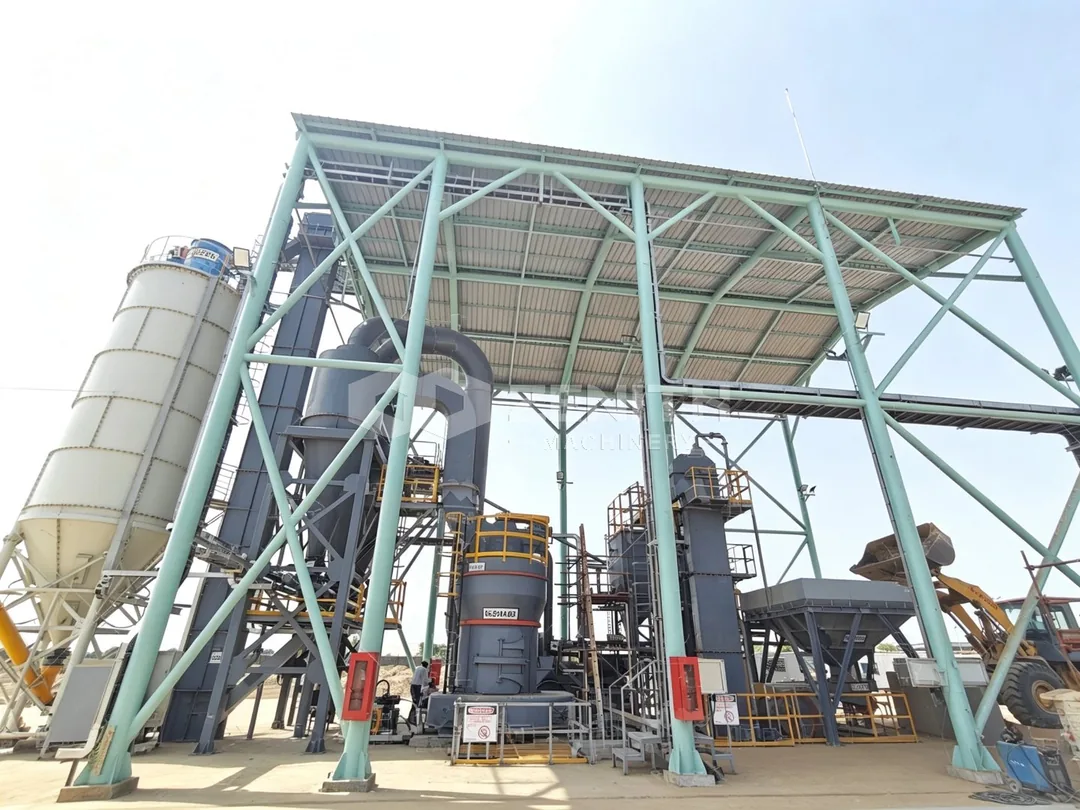
In the heart of Afghanistan's rich mineral landscape lies a significant resource: high-quality talc deposits. Processing this soft mineral to a consistent, ultra-fine powder of 10 microns presents a unique set of challenges, demanding precision engineering, energy efficiency, and operational reliability. For such specialized applications, the conventional grinding approaches often fall short, struggling with heat generation, inconsistent particle size distribution, and excessive wear. This is where advanced ring roller micro powder mill technology, exemplified by Shanghai Zenith's engineered solutions, becomes not just an option but a necessity for value-added production.
_1767497184031.jpg)
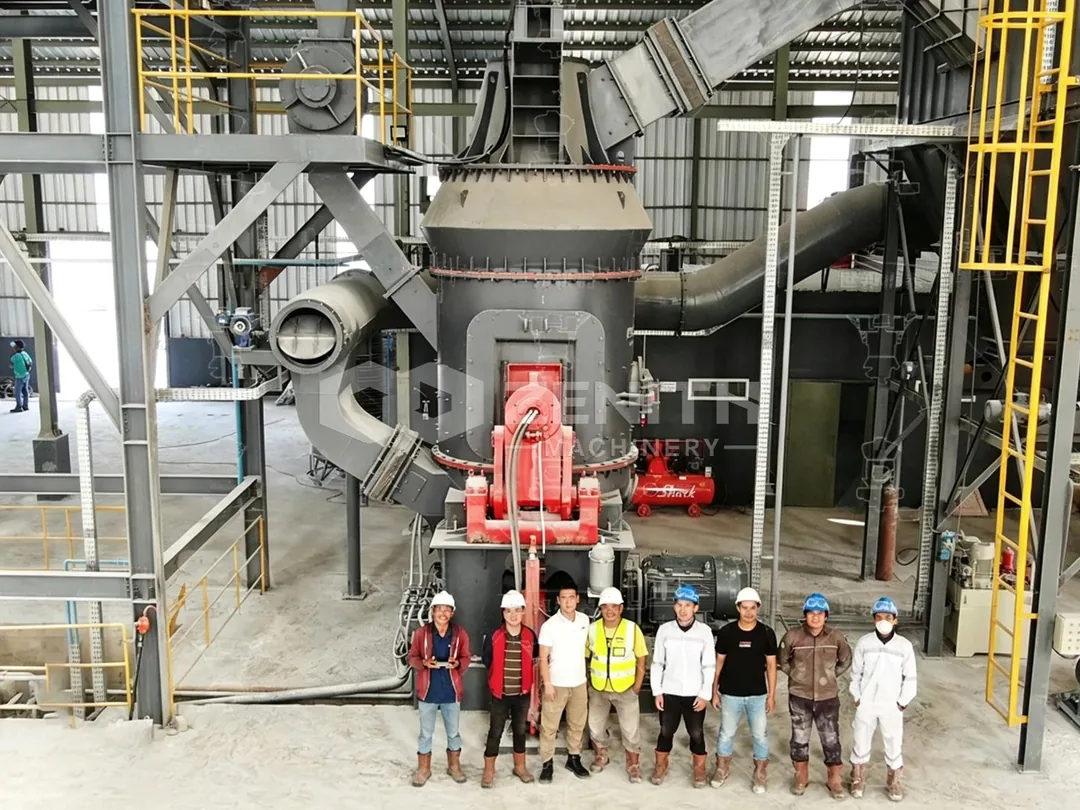
Shanghai Zenith Machinery Co., Ltd., with its hi-tech engineering pedigree and global footprint across over 180 countries, has long been at the forefront of industrial powder grinding innovation. Our expertise spans from coarse 1-3mm powders to ultra-fine micro powders reaching 3250 mesh. For the specific goal of producing a pristine 10-micron talc powder—a fineness critical for premium applications in plastics, paints, cosmetics, and pharmaceuticals—our XZM Ultrafine Grinding Mill and LUM Ultrafine Vertical Grinding Mill series represent the pinnacle of appropriate technology. These are not merely mills; they are integrated processing systems designed for the most demanding fineness specifications.
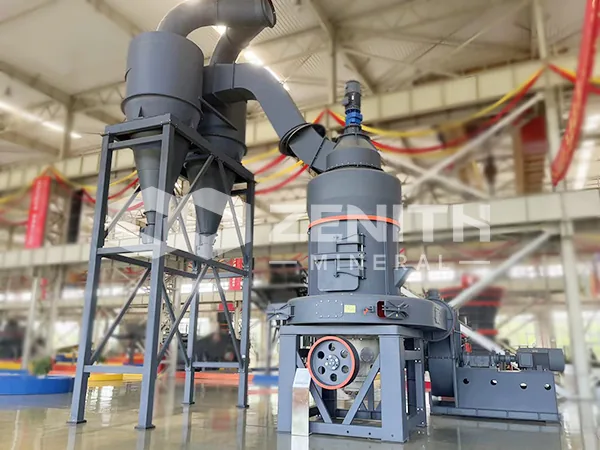
The core challenge in Afghan talc processing is transforming the raw mineral into a product where 97% of particles (D97) are at or below 10 microns, while maintaining the material's inherent whiteness and chemical purity. Traditional ball mills are notoriously energy-inefficient for this task, with excessive consumption and potential for contamination. Zenith's ring roller micro powder mills operate on a fundamentally more efficient principle. Material is fed onto a rotating grinding disc and crushed by multiple rollers under controlled pressure. The centrifugal force creates a dense, stable material bed, promoting inter-particle crushing which is efficient and generates less heat—a crucial factor for heat-sensitive minerals like talc.
_1767497184033.jpg)
What truly enables the precise 10-micron target is the integrated high-precision turbo air classifier. As the ground talc is carried upward by the induced airflow, the classifier rotor, whose speed is easily adjusted via a Variable Frequency Drive (VFD) on the control panel, performs a sharp cut. Particles finer than the target are separated and collected; coarser particles are rejected back to the grinding chamber for further size reduction. This closed-circuit system ensures exceptional product uniformity. Our XZM series is particularly adept at this, capable of achieving a one-time fineness of D97 < 5 microns, making the 10-micron specification comfortably and consistently attainable.
Beyond precision, operational and economic realities in Afghanistan demand robust and sensible solutions. Zenith mills answer this call comprehensively. Firstly, energy consumption is slashed by 40-70% compared to airflow mills or ball mills of similar output, a critical advantage in regions with variable power infrastructure. Secondly, the structural design prioritizes safety and longevity. The absence of rolling bearings and screws in the grinding chamber itself eliminates common failure points and the risk of mechanical loosening, ensuring remarkable uptime. Maintenance is simplified; the modular design allows for quick access and replacement of wear parts like grinding rollers and liners.
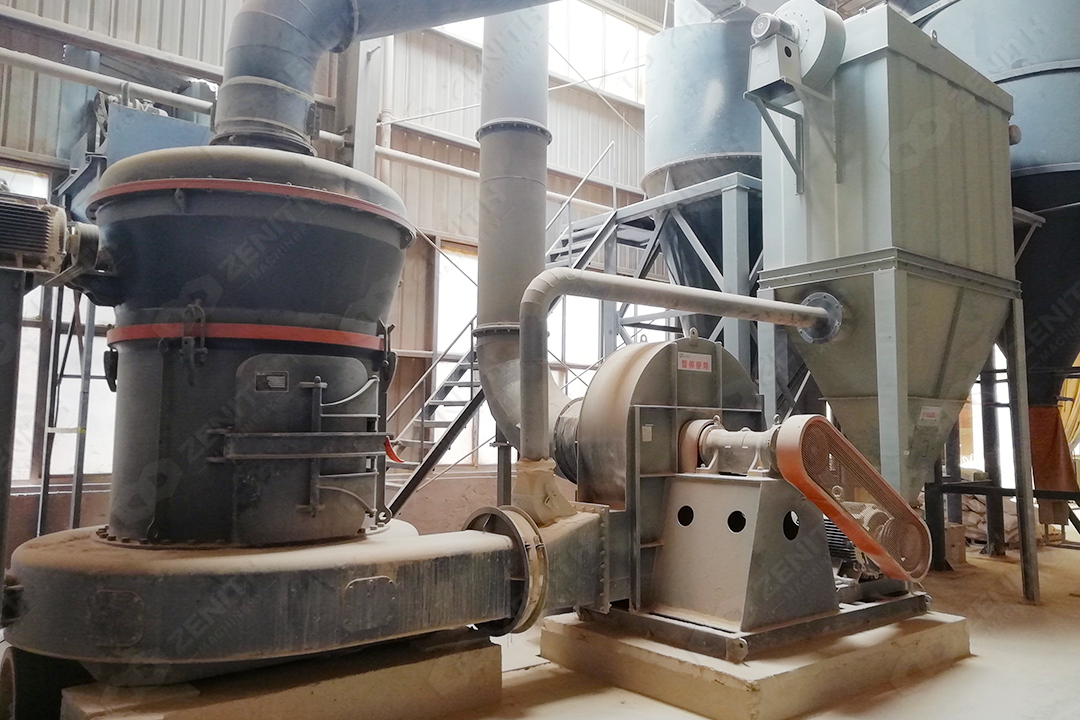
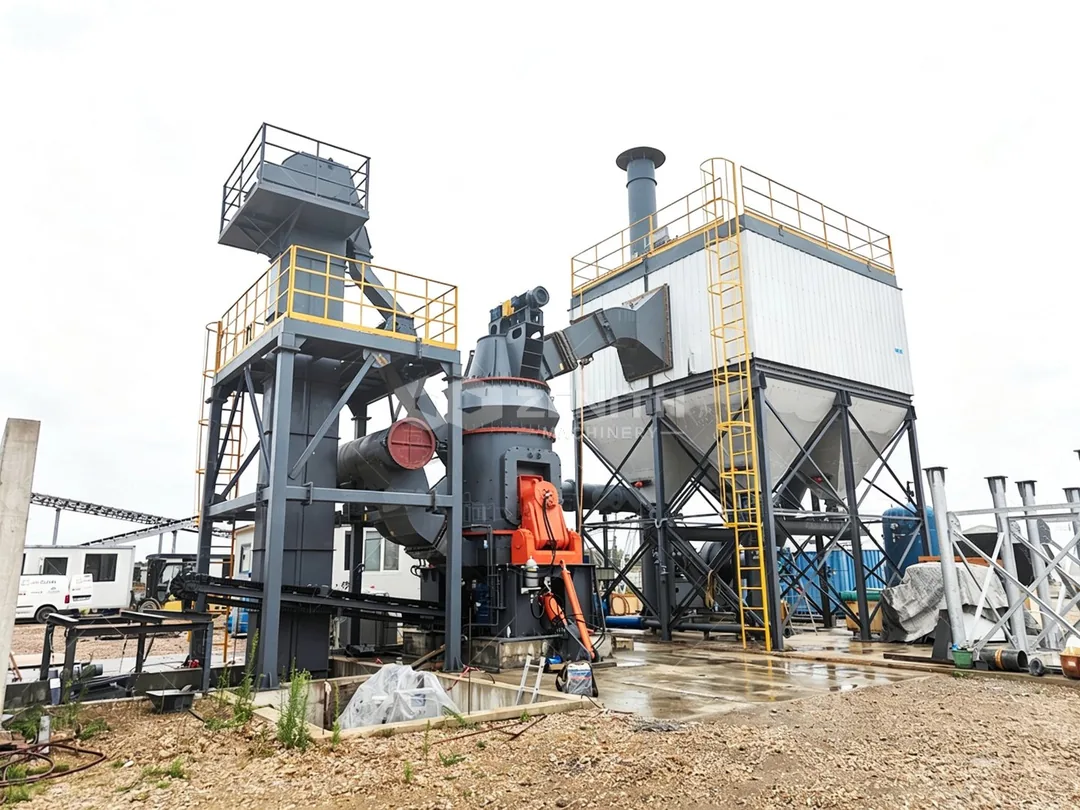
Environmental compliance is seamlessly built-in. The entire milling system operates under negative pressure, preventing talc dust from escaping into the workshop. Coupled with high-efficiency pulse jet bag dust collectors, the plant environment remains clean, protecting workers' health and meeting stringent international environmental standards—a key consideration for sustainable mineral development. Furthermore, the compact vertical design of models like the LUM series reduces the plant's footprint, lowering civil construction costs, which is a significant benefit for greenfield projects.
The journey of Afghan talc from mine to market at a 10-micron premium grade requires a partner with proven technology and global support. Zenith's ring roller micro powder mills, backed by ISO, CE, and CU-TR certifications, provide that reliable cornerstone. They transform a valuable raw material into a high-value, specification-perfect product, enabling Afghan producers to compete effectively in international markets for fine talc powders. It's a combination of mechanical excellence and practical design, engineered to deliver purity, precision, and profitability.
_1767497184037.jpg)
Frequently Asked Questions (FAQ)
- What is the main advantage of a ring roller mill over a traditional ball mill for grinding talc to 10 microns?
The primary advantages are significantly lower energy consumption (40-70% savings), superior particle size control via an integrated classifier, less heat generation to preserve talc properties, and a more compact plant footprint. - Can the Zenith XZM or LUM mill achieve fineness even finer than 10 microns for special talc grades?
Yes, absolutely. These mills are designed for ultrafine grinding. The XZM series, for instance, can produce powder from 325 mesh to 2500 mesh (approximately 5 microns), allowing easy adjustment to meet specific customer requirements beyond 10 microns. - How does the mill system ensure the whiteness and purity of the talc are not compromised during grinding?
The grinding principle minimizes iron contamination. Critical contact parts can be lined with ceramic or other inert materials. Furthermore, the efficient classifier and sealed negative-pressure operation prevent external contamination and oxidation. - Is the system automated, and what level of technical skill is required to operate it?
Zenith mills feature intelligent control systems allowing for local or remote operation. The key parameters (feed rate, classifier speed, grinding pressure) are easily set on the control panel, simplifying operation and reducing labor costs after initial training. - What is the typical delivery and installation timeline for such a mill system in Afghanistan?
Timelines vary based on model capacity and site conditions. Generally, after contract signing, delivery takes 2-4 months. Zenith provides comprehensive foundation drawings, installation supervision, and commissioning support to ensure a smooth project rollout. - How are wear parts managed, and what is their expected service life when grinding talc?
Wear parts like roller sleeves and grinding rings are made from high-quality abrasion-resistant materials. Talc is a relatively soft mineral, so service life is long. Zenith provides readily available spare parts, and the mill design allows for easy replacement to minimize downtime. - Does Zenith provide test milling services for customer talc samples before purchase?
Yes, Zenith operates a well-equipped testing center. Customers are encouraged to send representative talc samples. We conduct free grinding tests, provide a detailed analysis of the resulting powder, and recommend the optimal mill model and configuration.