South african quicklime powder production project: 8-13 t/h, finished product fineness 200 mesh
2026-01-06 17:57:37
In the dynamic South African construction and industrial minerals market, the demand for high-quality quicklime powder is consistently strong. A project requiring a production capacity of 8-13 tons per hour with a finished product fineness of 200 mesh presents a significant opportunity, but also a precise engineering challenge. The selection of the right grinding technology is paramount to achieving operational efficiency, product consistency, and long-term profitability.
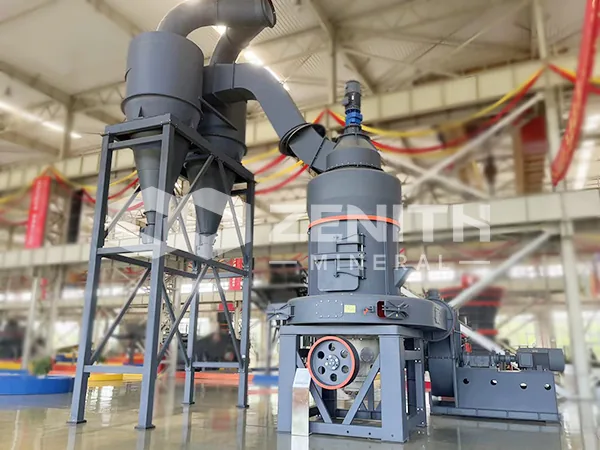
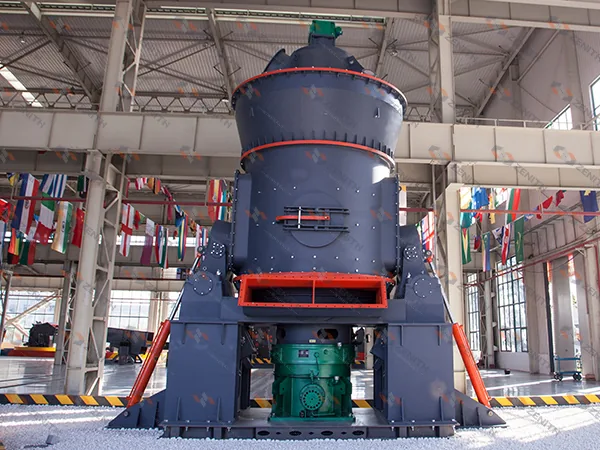
For such a project, the key considerations revolve around capacity matching, energy consumption, footprint, and the specific characteristics of quicklime (calcium oxide). Quicklime is abrasive and requires a grinding system that can handle this while maintaining a stable output of fine powder. After evaluating various technologies against the project's core parameters, the MTW European Trapezium Mill emerges as the most compelling and optimized solution.
_1767693457833.jpg)
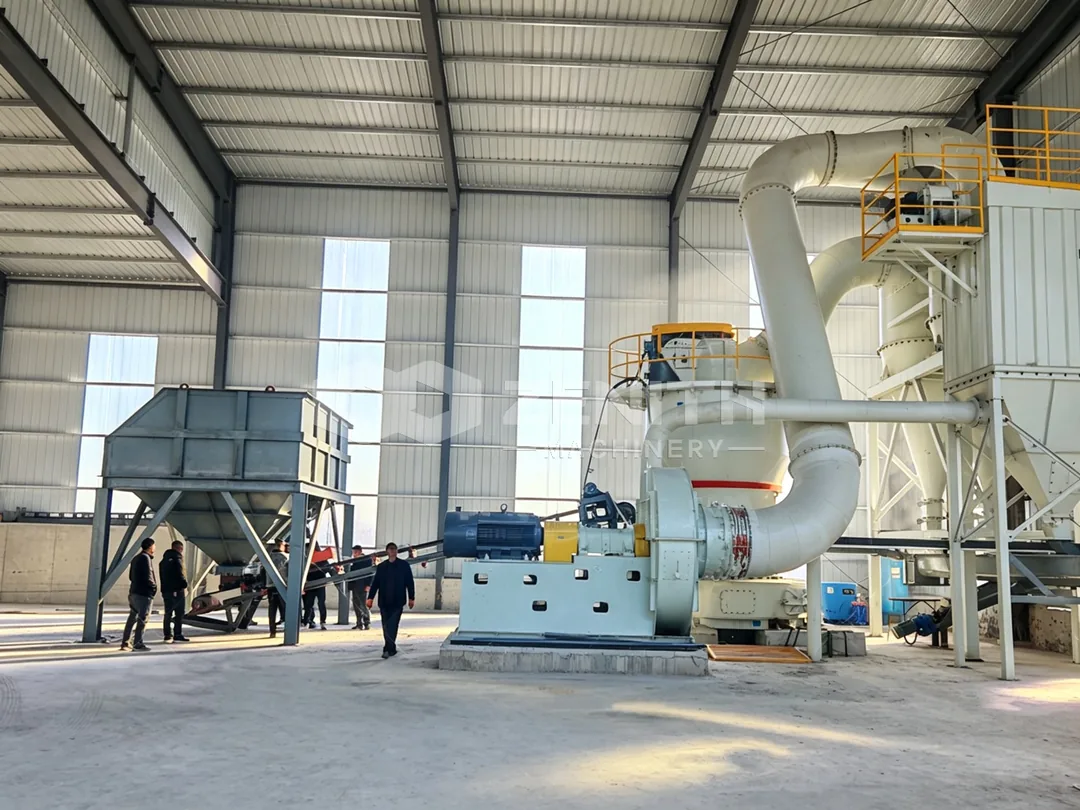
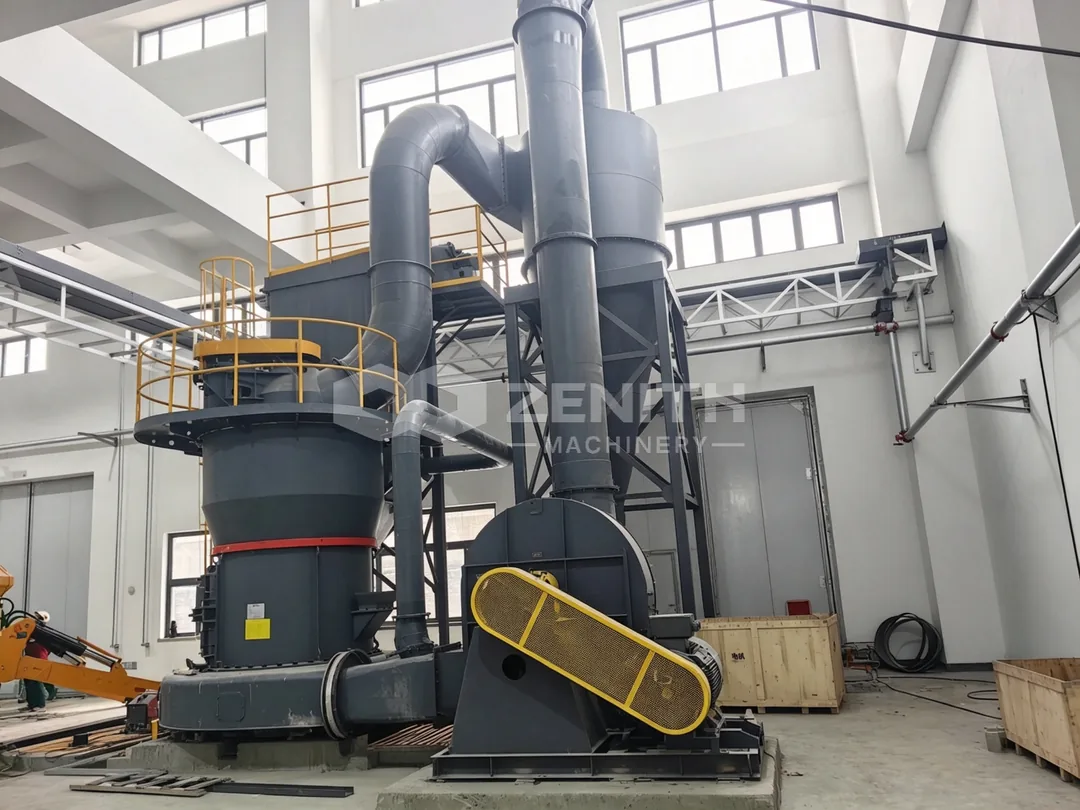
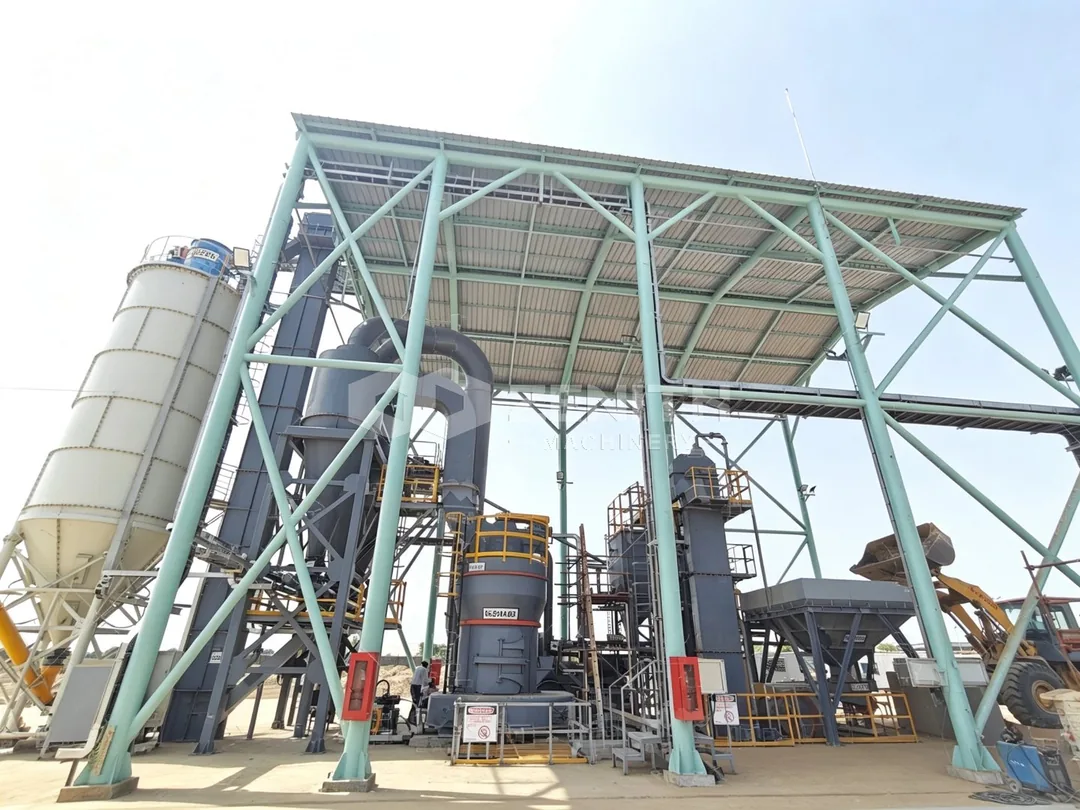
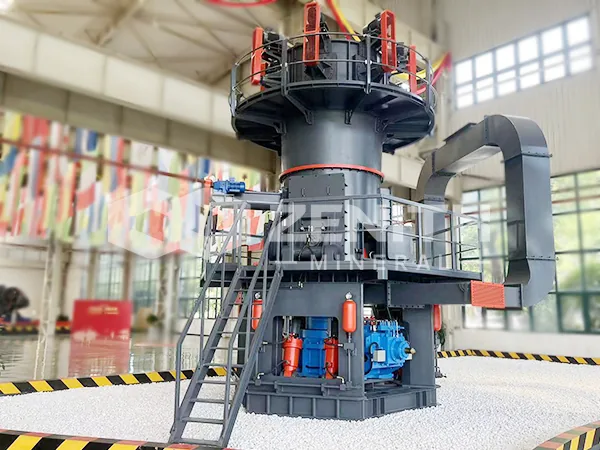
The MTW series mill is engineered for precisely this type of industrial mineral application. With a capacity range of 3-22 T/H, it comfortably encompasses the project's 8-13 t/h requirement, providing a buffer for peak demand. Its output fineness is perfectly aligned, capable of producing powder from 30 to 325 mesh, allowing the 200-mesh target to be hit reliably and adjusted if needed. The system's integrated design—from bulk material handling to finished powder collection—significantly reduces the complexity and capital expenditure associated with plant construction and foundation work.
A dominant factor in operational cost is energy consumption. Here, the MTW mill delivers a decisive advantage. Its grinding mechanism and efficient drive system result in an energy consumption that is over 60% lower than a traditional ball mill of equivalent output. For a continuous operation, this translates into substantial savings on electricity, directly improving the project's bottom line. Furthermore, the mill incorporates a high-efficiency impeller fan, boosting induced air efficiency from 62% to 85%, which enhances the internal classifying process and overall system stability.
_1767693457835.jpg)
Product consistency is non-negotiable. The MTW mill achieves this through its advanced working principle. Crushed quicklime is fed into the grinding chamber and pulverized by the rollers. The critical stage is classification: a high-performance powder selector ensures that only particles meeting the 200-mesh specification proceed to the cyclone collector as final product. Oversized particles are seamlessly returned for re-grinding. This closed-loop system, operating under controlled positive and negative pressure and complemented by a pulse dust collector, guarantees not only uniform fineness but also an environmentally compliant, dust-free operation.
Beyond the core mill, Zenith's value proposition lies in its holistic project support. With over 30 years of specialization in powder grinding and a presence in more than 180 countries, including established offices in key regions, we provide more than just equipment. Our offering includes comprehensive technical support, flow design, installation guidance, and operator training. The MTW mill itself carries international certifications like ISO, CE, and CU-TR, assuring quality and ease of customs clearance.
_1767693457836.jpg)
For the South African investor or operator, this translates into a de-risked project. You are investing in a proven technology optimized for your specific material and output goals, backed by global expertise. The MTW European Trapezium Mill offers a balanced equation of high capacity, low operational cost, minimal footprint, and reliable, fine-powder production—making it the intelligent cornerstone for a successful and profitable 8-13 t/h quicklime powder production line.
Frequently Asked Questions (FAQ)
- Q: Why is the MTW mill recommended over a traditional ball mill for this quicklime project?
A: The MTW mill offers over 60% lower energy consumption, a more compact footprint, and superior drying and classifying capabilities integrated into a single system, leading to significantly lower operating costs and more consistent 200-mesh product quality compared to a ball mill. - Q: Can the fineness be adjusted if we need a different mesh size in the future?
A: Yes, absolutely. The MTW mill features a modular impeller adjustment device on the classifier. Changing the impeller speed or configuration allows you to produce different product finenesses within the 30-325 mesh range without major mechanical overhaul. - Q: How does the system handle dust and ensure environmental compliance?
A: The entire grinding and classification process operates under sealed, negative-pressure conditions. This prevents dust leakage. Furthermore, the system is equipped with a high-efficiency pulse jet bag dust collector as a final stage, ensuring emissions meet strict national and international environmental standards. - Q: What is the expected delivery and installation timeline for such a complete plant?
A: Timelines vary based on final configuration and site readiness. Generally, after contract signing, delivery of major equipment occurs within 2-3 months. Installation and commissioning, with support from our engineers, typically take several weeks, depending on the scale of civil works required. - Q: Do you provide wear parts, and what is their expected service life grinding quicklime?
A: Yes, we supply a full range of genuine wear parts like grinding rollers and liners. These components are made from high-chromium or other abrasion-resistant alloys. Service life depends on material abrasiveness and operating hours, but for quicklime, you can expect several thousand hours of operation before replacement is needed. - Q: Is remote monitoring or automation possible with this system?
A: Yes. The MTW mill's electrical control system can be equipped for varying levels of automation, from local PLC control to full integration with SCADA systems. Remote monitoring of key operational parameters (pressure, temperature, motor load) is a common feature we implement.