How much does an 8-ton-per-hour talc grinding mill cost in afghanistan?
2026-01-01 17:57:38
As a project manager or investor in Afghanistan's burgeoning industrial minerals sector, particularly in talc processing, one of the most critical questions you face is the capital investment required for core equipment. Specifically, the cost of an 8-ton-per-hour talc grinding mill is not a single figure but a variable dependent on a matrix of technical, logistical, and commercial factors. Drawing from our extensive experience at Shanghai Zenith Machinery and our deep involvement in projects across Central Asia, we can provide a detailed framework for understanding this investment.
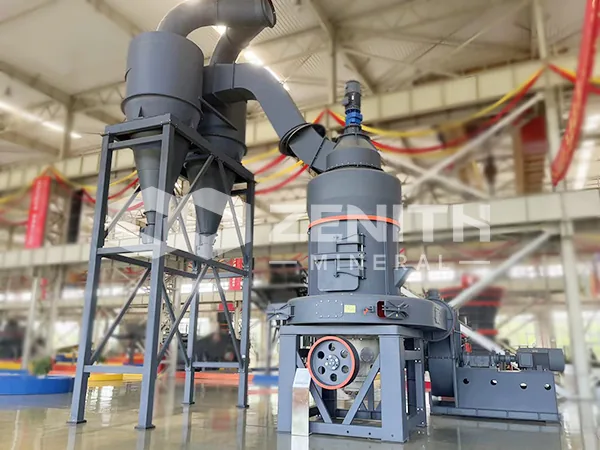
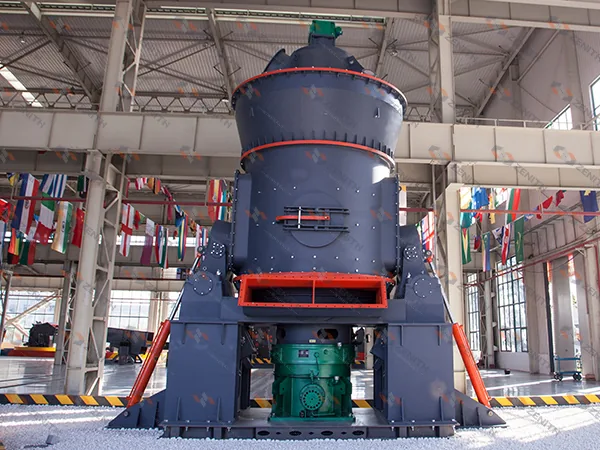
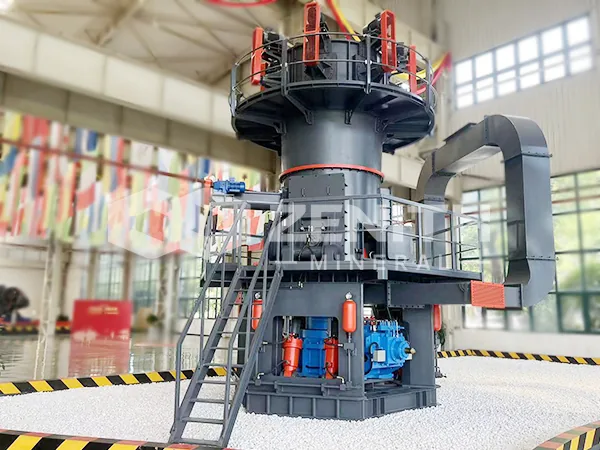
The first and most crucial determinant is the required product fineness. Talc, valued for its softness and whiteness, is used in applications ranging from plastics and paints (200-400 mesh) to high-end cosmetics and pharmaceuticals (1250 mesh and finer). An 8 TPH output target for coarse filler grade is vastly different from one for ultrafine powder. For coarse to medium fineness (e.g., 80-400 mesh), our MTW European Trapezium Mill or MTM Trapezium Mill are exceptionally efficient and cost-effective workhorses. For ultrafine applications (400-2500 mesh), the LUM Ultrafine Vertical Grinding Mill or XZM Ultrafine Grinding Mill would be the technologically appropriate choice, with a correspondingly different capital cost structure.
_1767261458642.jpg)
Let's break down the cost components for a typical 8 TPH talc grinding line in Afghanistan:
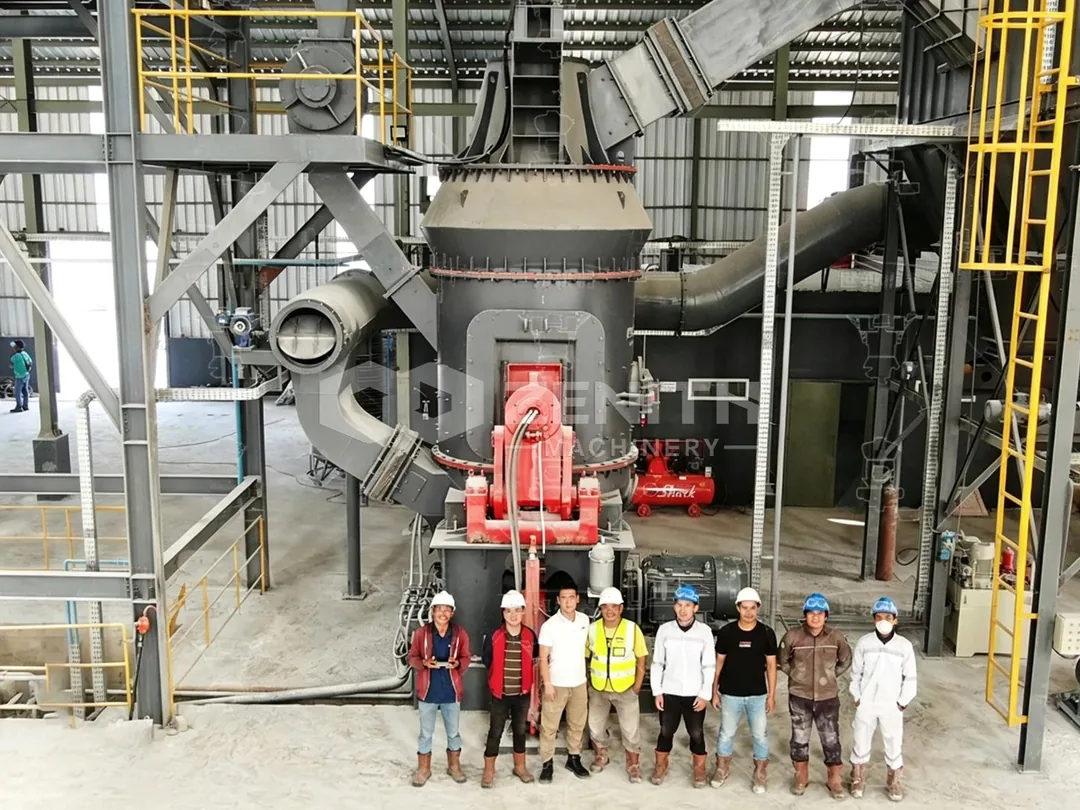
- Mill Selection & Base Price: The core mill itself. A robust MTW series mill capable of 8 TPH at 325 mesh might represent a different price point than an LUM vertical mill configured for the same throughput but at 1250 mesh. Zenith's advantage lies in offering a full spectrum, allowing us to match the exact machine to your specification without over-engineering.
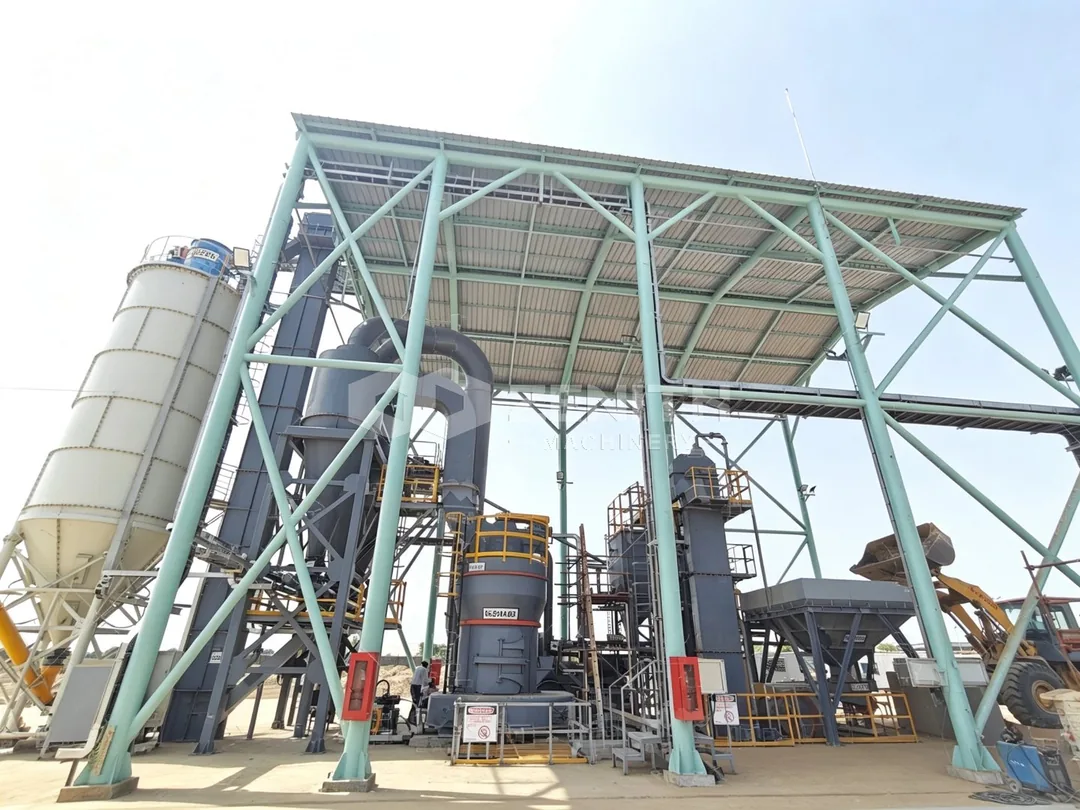
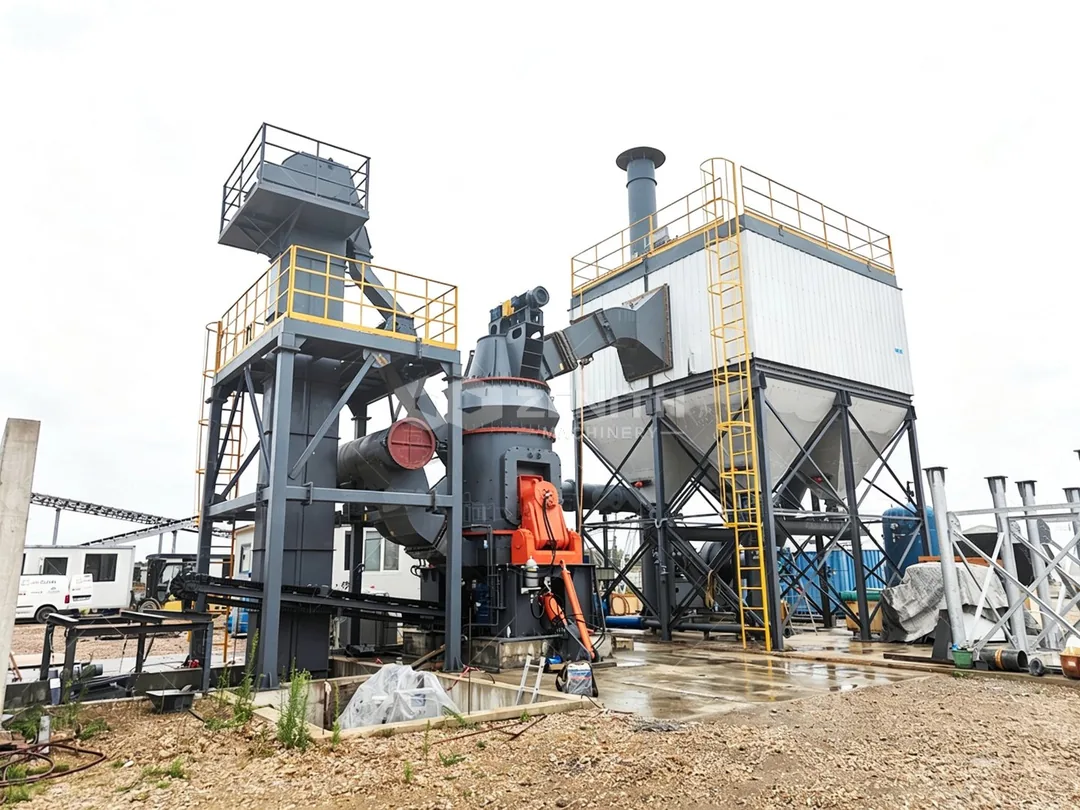
- Auxiliary System Integration: No mill operates in isolation. The cost must include the complete system: jaw crusher for primary size reduction, electromagnetic vibrating feeder, screw conveyor, pulse dust collector (critical for environmental compliance), cyclone powder collector, electrical control cabinet, and piping. Our mills are designed as integrated systems, reducing your engineering overhead.
- Shipping & Logistics to Afghanistan: This is a significant and variable factor. Costs depend on the chosen port of entry (e.g., via Pakistan or Iran), inland transportation to your site (considering road conditions), insurance, and customs clearance. Our local office network provides vital support in managing this complex process.
- Installation & Commissioning: This includes foundation construction (our mills require less civil work due to compact design), mechanical installation, electrical connection, and supervised commissioning by Zenith engineers. We offer comprehensive technical supervision packages.
- Spare Parts & Initial Inventory: A prudent budget includes an initial stock of wear parts like grinding rollers, rings, and classifier blades specific to talc's abrasiveness.
Beyond the initial price tag, the Total Cost of Ownership (TCO) is where Zenith equipment demonstrates its true value, especially in a market like Afghanistan where operational reliability and efficiency are paramount.
_1767261458645.jpg)
- Energy Consumption: This is the largest operational cost. Our MTW/MTM and LM/LUM series mills consume over 60% less energy than a traditional ball mill of equivalent output. For an 8 TPH plant running 20 hours a day, this translates to massive annual savings, quickly offsetting a potentially higher initial investment.
- Occupied Area & Foundation: Our vertical and trapezium mills have a compact, integrated design, requiring up to 50% less floor space and a simpler, less costly foundation than ball mill systems. This reduces your plant construction costs.
- Operational Stability & Yield: Features like the high-efficiency impeller fan (85% air induction efficiency) and advanced powder separator ensure stable output quality and high collection yield, maximizing your revenue from every ton of raw talc.
- After-Sales Support: With over 30 years of experience and a presence in more than 180 countries, Zenith provides guaranteed access to technical support, spare parts, and operational know-how. Our certifications (ISO, CE, CU-TR) assure quality and simplify customs processes in the region.
In conclusion, while we cannot publish a single price online due to the highly customized nature of each project, a complete 8 TPH talc grinding production line from Zenith, suitable for the Afghan market and targeting fine to ultrafine powders, typically represents a capital investment in the range of several hundred thousand US dollars. The final quotation will be tailored after a thorough analysis of your raw material characteristics, desired product specifications, and site conditions.
The most cost-effective approach is to view this not as an equipment purchase, but as a partnership for building a profitable, efficient, and sustainable talc processing operation. We invite you to share your detailed project requirements with our engineering team for a formal, comprehensive, and confidential proposal.
Frequently Asked Questions (FAQs)
- What is the lead time for delivering an 8 TPH mill to Afghanistan?
Lead times vary from 30 to 90 days after order confirmation, depending on model complexity and current production schedule. Sea freight and inland logistics to your site require additional planning, which our local team assists with. - Can Zenith mills handle the specific moisture content and hardness of Afghan talc?
Absolutely. Our design engineers will review your talc sample analysis to recommend the optimal mill configuration, potentially integrating hot air systems (for drying) and adjusting grinding pressure for your material's specific Bond Work Index. - Do you provide installation services in Afghanistan?
Yes. We offer comprehensive supervision services where our experienced engineers guide your local team through installation, commissioning, and operational training. We can also recommend trusted local contractors. - How does the energy savings of 60% compare in real operational costs?
For an 8 TPH plant, the savings can amount to tens of thousands of dollars annually, depending on local electricity tariffs. This makes the ROI period for a Zenith mill remarkably short, often under two years. - What is the typical particle size distribution (PSD) of the output?
Our mills with advanced classifiers produce a very narrow and consistent PSD. For example, our XZM Ultrafine Mill can achieve D97 < 10 microns with high uniformity, which is critical for premium talc applications. - Are spare parts readily available for mills operating in Afghanistan?
We maintain strategic spare part inventories for critical wear components. Our regional office ensures fast-tracked shipping and logistical support to minimize any potential downtime for your operation. - Can the mill system be automated for easier operation?
Yes. Our grinding mills can be equipped with full PLC-based automatic control systems, allowing for remote monitoring, automatic adjustment of feed rates, and consistent quality control with minimal manual intervention.