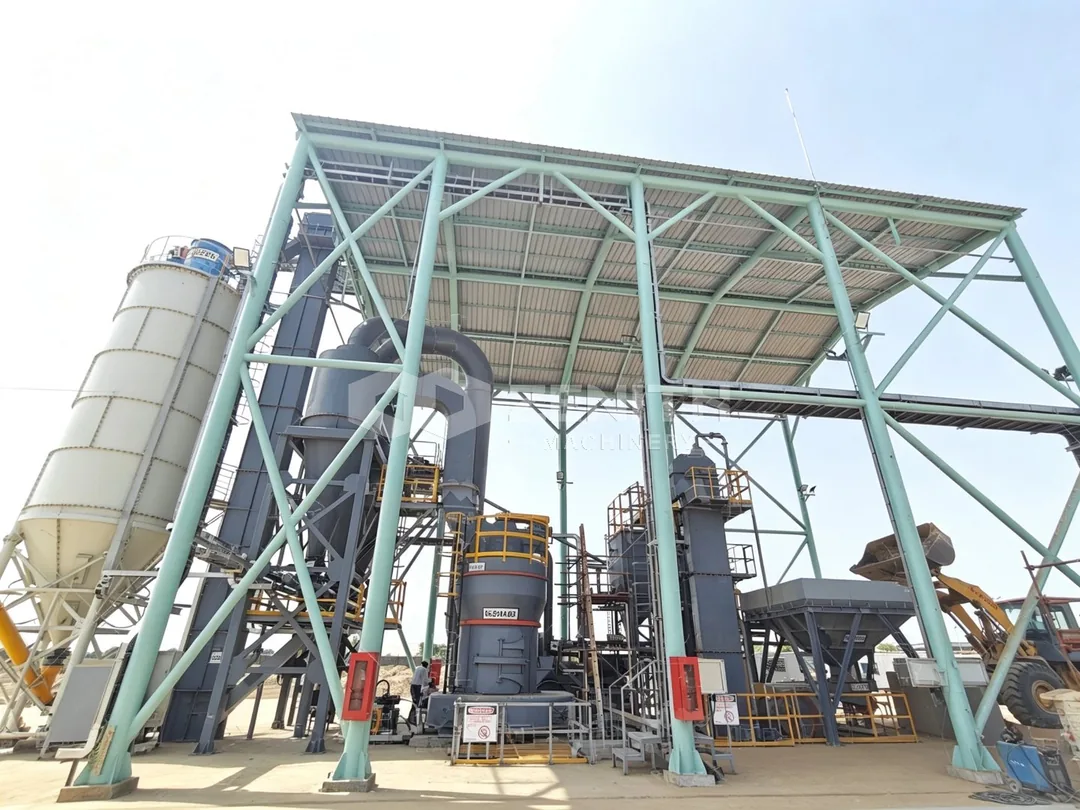
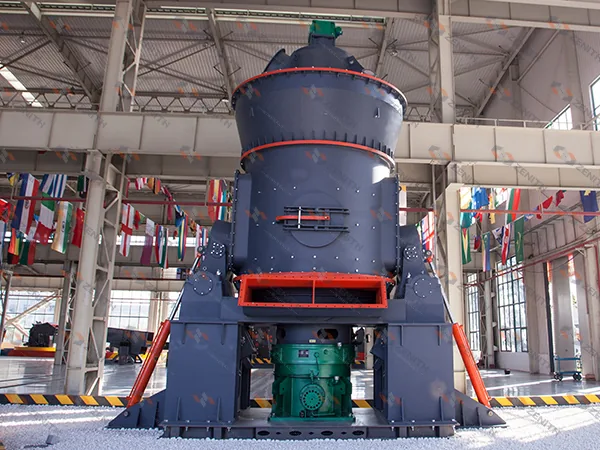
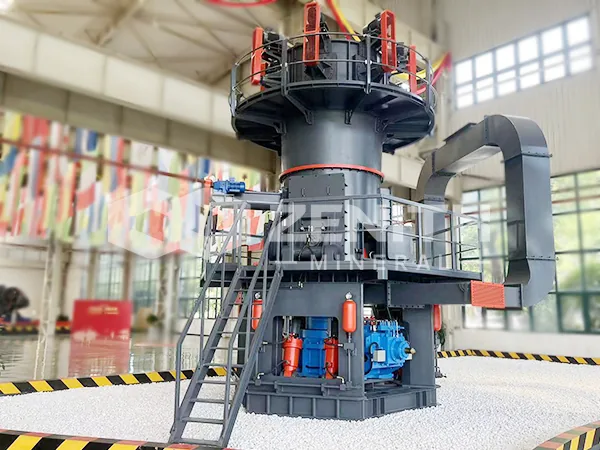
The finished product from the 325-mesh limestone powder production line is used for flue gas desulfurization.
2026-01-01 00:55:27
In the global push for cleaner industrial emissions, Flue Gas Desulfurization (FGD) stands as a cornerstone technology for power plants and heavy industries. At the heart of an efficient wet limestone-gypsum FGD system lies a seemingly simple yet profoundly critical component: finely ground limestone powder. Specifically, 325-mesh limestone powder (approximately 44 microns) has emerged as the industry-preferred standard, offering the optimal balance between surface area for rapid reaction and handling characteristics. The production of this consistent, high-purity powder is not a simple task—it demands precision engineering, reliable technology, and a deep understanding of material science.
Shanghai Zenith Machinery, with its decades of specialization in industrial powder grinding, provides the technological backbone for this essential process. Our expertise is built on a foundation of research and development, resulting in a suite of grinding equipment certified to international standards like ISO and CE, capable of delivering the exacting specifications required for effective desulfurization.
_1767200127743.jpg)
The chemistry is straightforward: limestone (CaCO₃) reacts with sulfur dioxide (SO₂) in the scrubber to form calcium sulfite, which is then oxidized to gypsum (CaSO₄·2H₂O), a usable by-product. However, the kinetics of this reaction are heavily dependent on the particle size of the limestone. Powder that is too coarse dissolves too slowly, leading to inefficient SO₂ removal, slurry pump abrasion, and wasteful consumption of raw material. Powder that is excessively fine can create slurry viscosity issues and increase grinding energy costs unnecessarily. The 325-mesh target hits the sweet spot, ensuring near-complete dissolution and reaction within the scrubber's residence time.
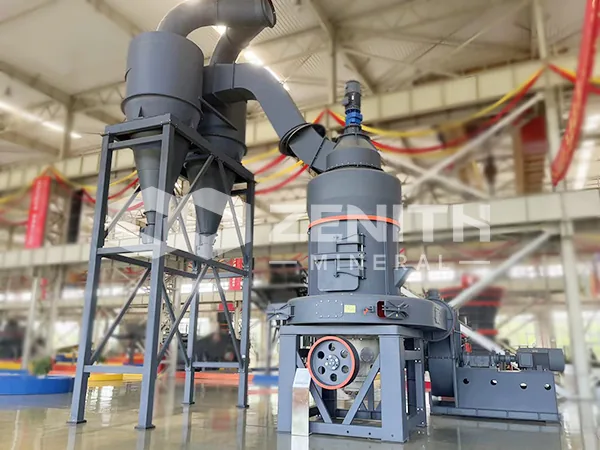
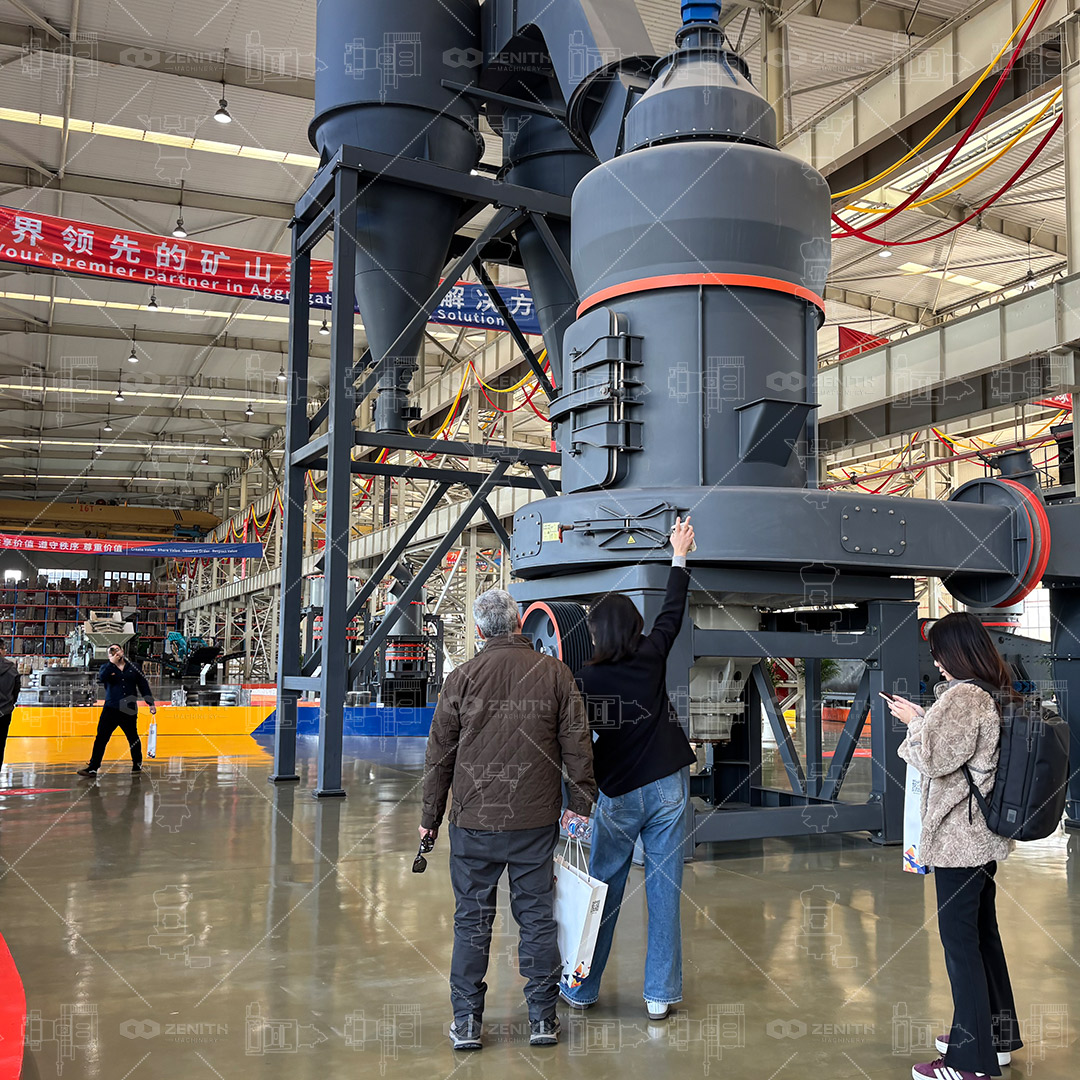
Producing this specific product reliably and at scale is where Zenith's engineered solutions excel. For dedicated 325-mesh FGD powder production lines, our MTW European Trapezium Mill and MTM European Trapezium Mill are often the machines of choice. Designed for stability and practicality, these mills efficiently process 0-35mm limestone feed into the precise 80-400 mesh range, with 325-mesh being a central output. Their modular impeller adjustment device allows operators to fine-tune fineness seamlessly to maintain the 325-mesh specification even with slight variations in feed material.
_1767200127746.jpg)
A significant advantage for plant operators is the remarkable energy efficiency of these trapezium mills. Compared to traditional ball mills, they achieve over 60% lower energy consumption for the same output, dramatically reducing the operating cost of the desulfurization agent itself. Furthermore, their integrated design—from bulk material feeding to finished powder collection—requires less plant space and foundation investment, simplifying the entire production line layout.
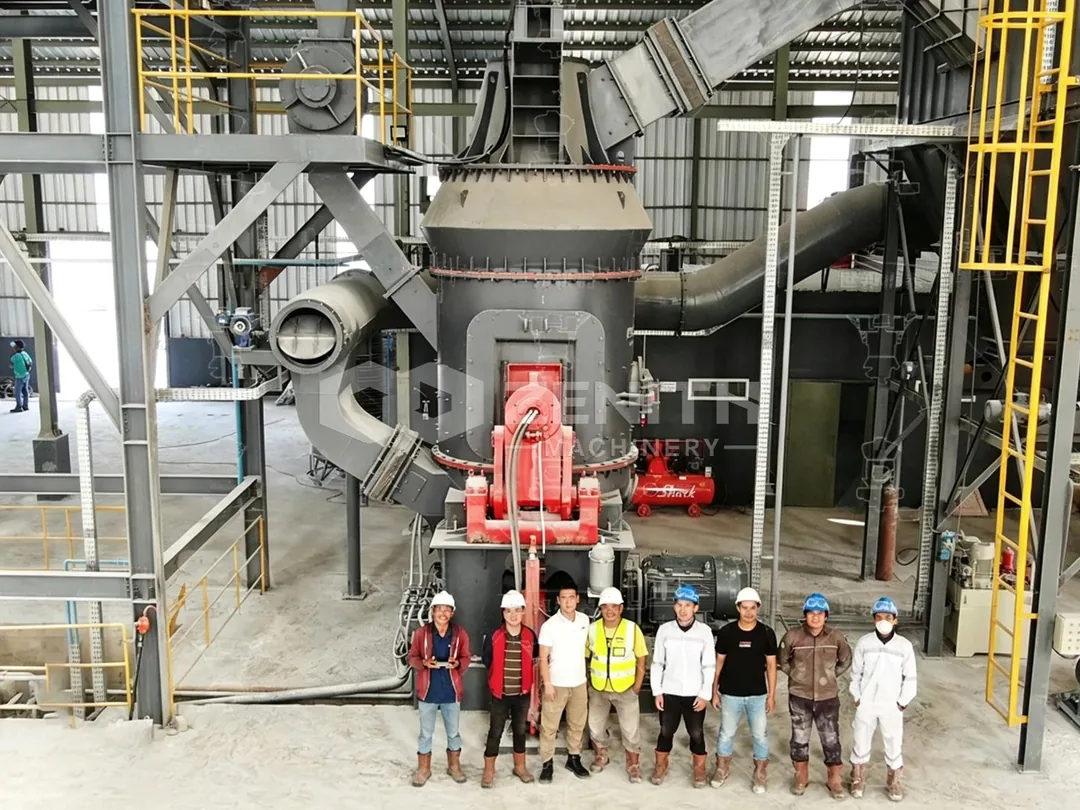
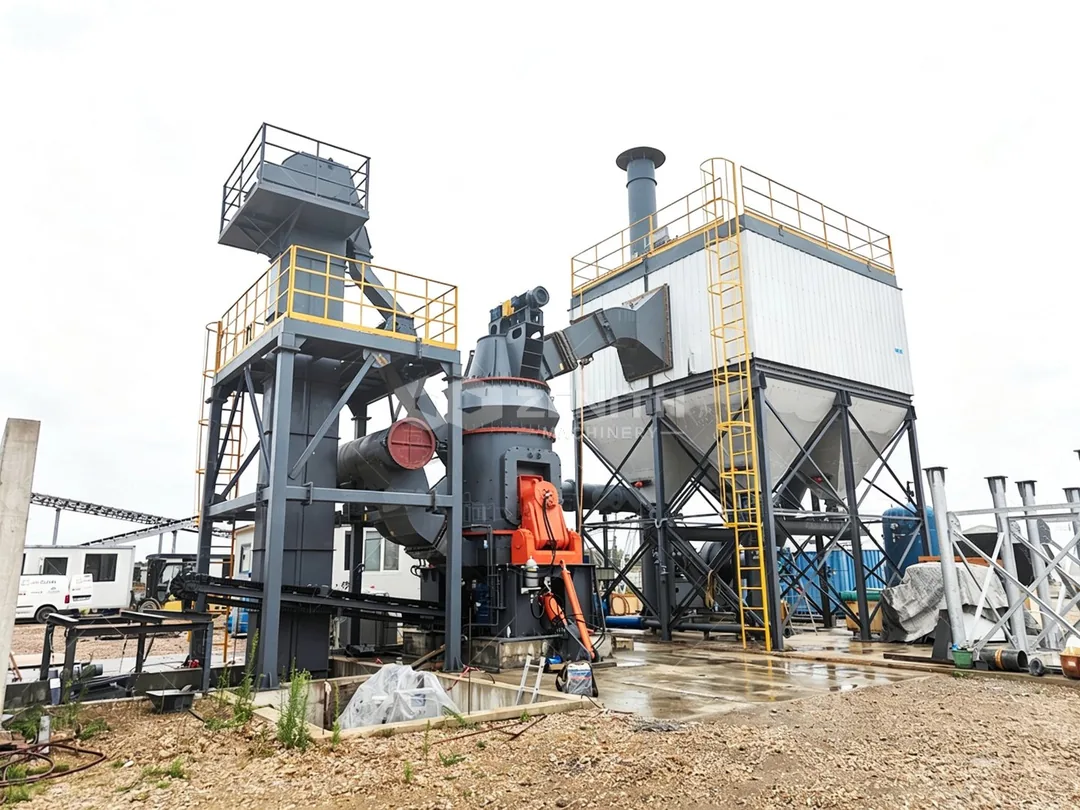
For projects requiring even larger capacity or higher integration, the LM Vertical Grinding Mill presents an excellent alternative. Its capacity ranges up to 340 T/H, suitable for massive power station requirements. The LM mill operates with a high degree of automation, enabling 24-hour constant running with easy monitoring—a key feature for ensuring an uninterrupted supply of FGD sorbent. Its sealed, negative-pressure operation also guarantees an environmentally friendly production process with no dust spillage, aligning with the clean-air goals of the FGD system itself.

The working principle across Zenith's grinding solutions ensures product quality. Whether in the MTW, MTM, or LM mill, the process involves precise grinding, efficient classification via internal powder selectors, and closed-circuit collection. Coarse particles are systematically returned for re-grinding, while only the on-spec fine powder is collected as final product. This results in a uniform 325-mesh powder with consistent chemical composition and reactivity, critical for predictable and controllable desulfurization performance.
Beyond the core grinding unit, Zenith's holistic approach considers the entire production line. From initial crushing with Hammer Mills for coarse preparation to final powder handling, our designs ensure a smooth, efficient, and low-maintenance workflow. The finished limestone powder is then typically transported via sealed systems to slurry preparation tanks, ready for injection into the FGD scrubber towers.
In conclusion, effective flue gas desulfurization is inextricably linked to the quality of its reagent. The production of 325-mesh limestone powder is a specialized industrial process where efficiency, consistency, and reliability are paramount. By leveraging advanced grinding technology from experienced providers like Zenith, industries can achieve not only compliance with emission regulations but also operational economy and sustainability, turning a waste gas component into a valuable resource.
Frequently Asked Questions (FAQs)
- Why is 325-mesh specifically recommended for wet limestone FGD systems?
325-mesh (approx. 44 microns) provides the ideal surface area-to-mass ratio. It dissolves rapidly enough for complete reaction within the scrubber's limited contact time, ensuring high SO2 removal efficiency (>95%), while avoiding the handling and over-consumption issues associated with coarser or excessively fine powders. - What are the key factors in choosing between the MTW/MTM Mill and the LM Vertical Mill for an FGD powder line?
The choice depends on capacity, layout, and automation needs. MTW/MTM mills are highly efficient, modular choices for fine powder production. The LM Vertical Mill is suited for very large capacities, offers a smaller footprint, and features a higher degree of automated control for minimal operator intervention. - How does the energy consumption of Zenith's trapezium mills compare to a traditional ball mill system?
Under ideal working conditions, our MTW and MTM series mills demonstrate energy consumption of more than 60% lower than a ball mill of the same grade and output, leading to significant long-term operational cost savings. - Can your equipment handle variations in the hardness or moisture of the raw limestone?
Yes. Our grinding mills are designed with material adaptability in mind. The MTW, MTM, and LM mills can process a range of mineral hardness. For high-moisture feed, systems can be integrated with dryers (like in an LM mill) or pre-drying processes to ensure optimal grinding efficiency. - Is the production process environmentally compliant?
Absolutely. All our recommended mill systems operate under negative or balanced pressure and are equipped with high-efficiency pulse dust collectors (like bag filters). This ensures the entire grinding process is sealed, with no dust spillage, meeting strict national and international environmental standards. - What kind of after-sales support and service does Zenith provide for such critical production lines?
With a marketing network covering over 180 countries and offices in more than 30, Zenith provides comprehensive global support. This includes installation supervision, operator training, readily available spare parts, and remote technical assistance to ensure maximum uptime for your FGD reagent production. - What is the typical production capacity range for a dedicated 325-mesh limestone powder line?
Capacities are highly flexible. Using our equipment portfolio, lines can be designed from modest scales (e.g., 3-5 T/H using an MTM mill) to very large scales (e.g., 50-100+ T/H using multiple LM Vertical Mills or large trapezium mills), tailored to the size of the power plant or industrial facility.