Petroleum coke grinding mill finished product requirement: 45-micron ring roller micro powder mill
2025-12-31 17:56:43
In the demanding world of industrial mineral processing, achieving a consistent and ultra-fine finished product is paramount. For petroleum coke—a critical carbon-rich material derived from oil refining—the target of a 45-micron (approximately 325 mesh) powder presents specific challenges. This fineness is essential for applications in anode production for aluminum smelting, fuel injection systems, and advanced carbon products. At Shanghai Zenith Machinery, our engineering philosophy is built on providing tailored solutions that bridge the gap between raw material potential and finished product requirement. The journey from lump petcoke to a uniform 45-micron powder is not merely about grinding; it's a precise orchestration of mechanical force, classification, and system intelligence.
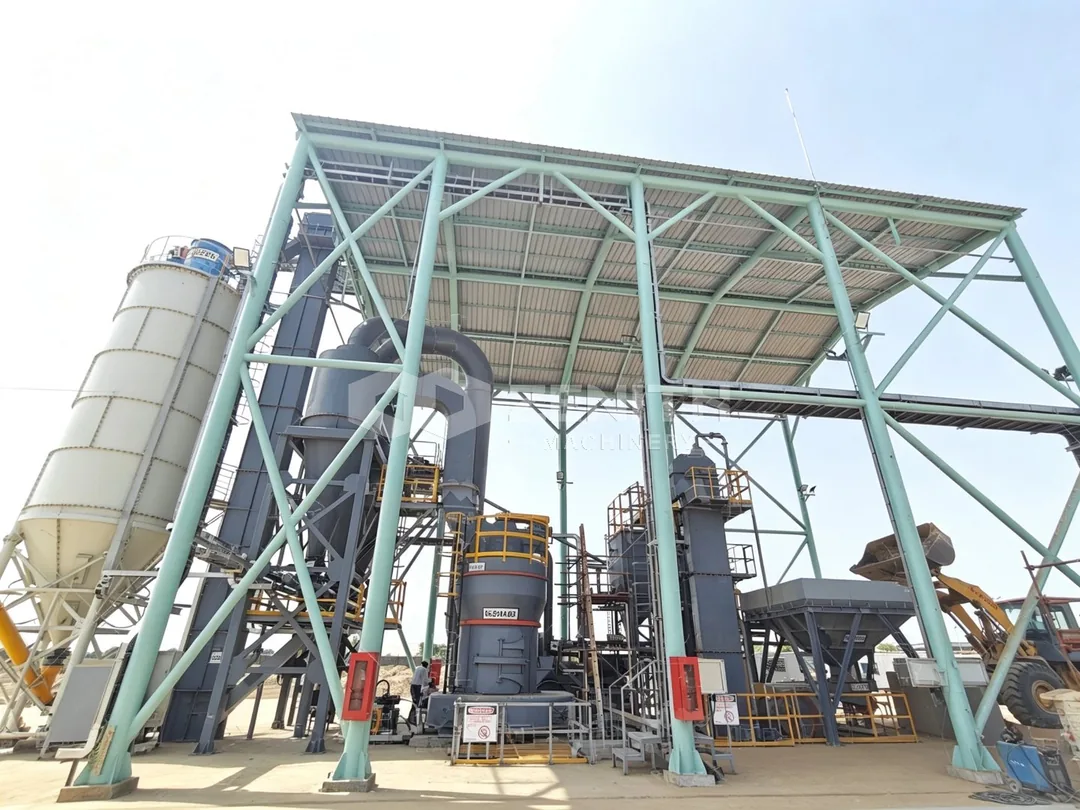
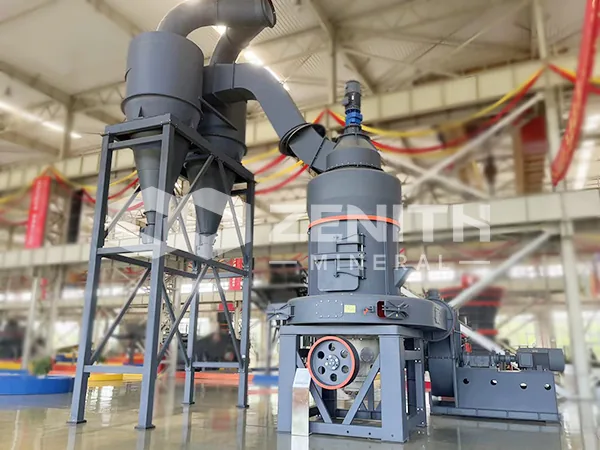
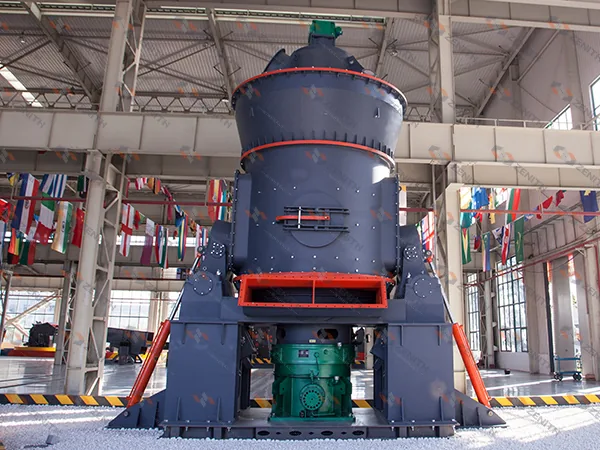
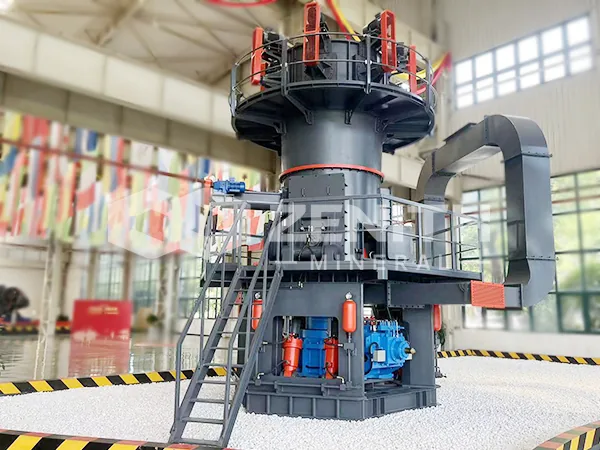
Petroleum coke is an abrasive and often variable material. A grinding system must therefore be robust, energy-efficient, and capable of precise particle size control. While several mill types can handle coarse reduction, the final stage to a consistent 45-micron product demands technology specifically designed for fine and ultrafine grinding. This is where advanced ring roller mill designs, particularly our modernized Raymond Mill and LUM Ultrafine Vertical Grinding Mill, demonstrate their superior capability. These systems move beyond simple pulverization to integrated grinding, classification, and collection.
_1767175003402.jpg)
Consider the working principle: material is fed into the grinding chamber where rotating rollers exert pressure against a stationary ring. For petcoke, this roller-spring or hydraulic pressure system must be precisely calibrated. The crushed material is then carried by an induced airflow to an integrated high-efficiency classifier. This is the critical stage for achieving 45 microns. The classifier, often a dynamic turbine or cage separator, acts as a precision gatekeeper, allowing only particles below the target size to pass through to the collection cyclones and baghouse filters. Oversized particles are rejected and returned for further grinding. This closed-loop system ensures not only the target fineness but also a narrow particle size distribution, which is crucial for downstream industrial processes.
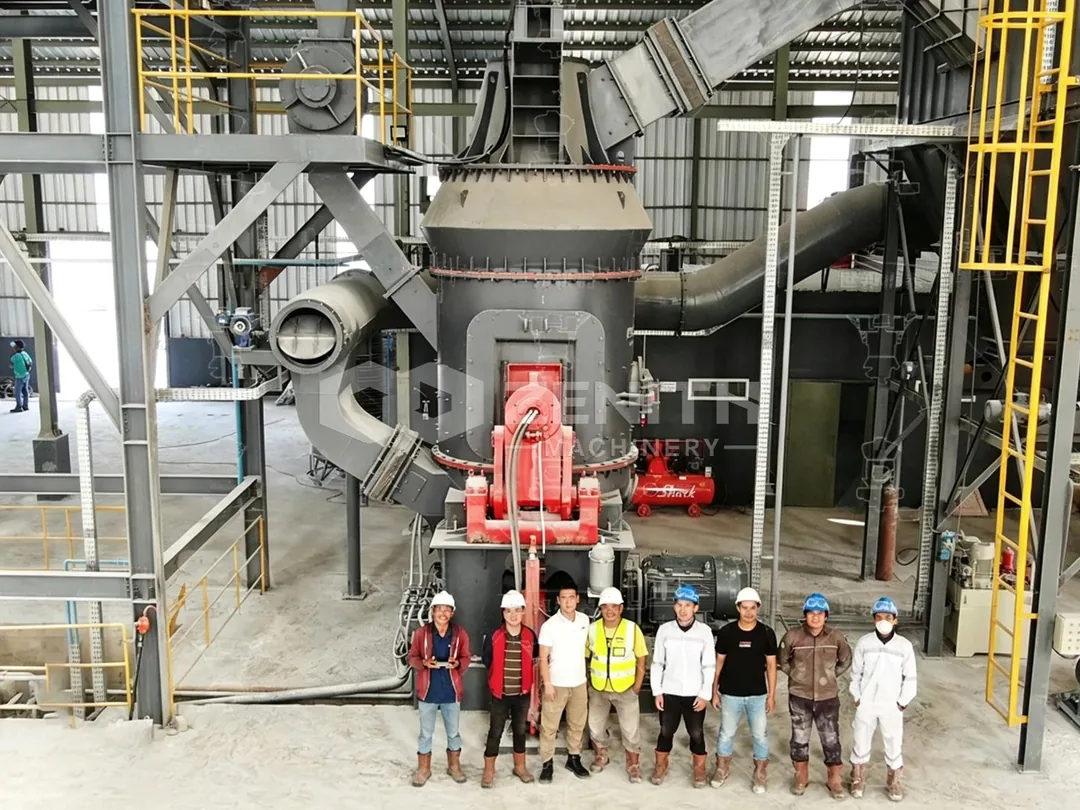
Our MTW and MTM European Trapezium Mills have long been workhorses for fine powder production. With output ranges covering 80-400 mesh, they are inherently capable of reaching the 325-mesh (45-micron) threshold. Their modular impeller adjustment allows operators to fine-tune the fineness. However, for the most stringent requirements on consistency and for pushing towards the finer end of the spectrum with higher efficiency, our LUM Ultrafine Vertical Grinding Mill and XZM Ultrafine Grinding Mill represent the next generation. The LUM mill, for instance, integrates German powder separating technology, offering exceptional control over the classification process. Its ability to operate under full negative pressure means zero dust spillage—a significant advantage when handling carbonaceous materials like petcoke.
_1767175003404.jpg)
Energy consumption is a major operational cost. Traditional ball mills, while versatile, are notoriously inefficient for fine grinding due to high specific energy consumption and heat generation. Modern ring roller mills like our MTW/MTM series demonstrate over 60% lower energy consumption compared to ball mills of the same capacity. This is achieved through an efficient grinding mechanism (roller-against-ring versus tumbling balls) and advanced system design, including high-efficiency impeller fans that improve air induction efficiency from 62% to 85%. This translates directly to lower operating costs and a reduced carbon footprint for the petcoke processing plant.
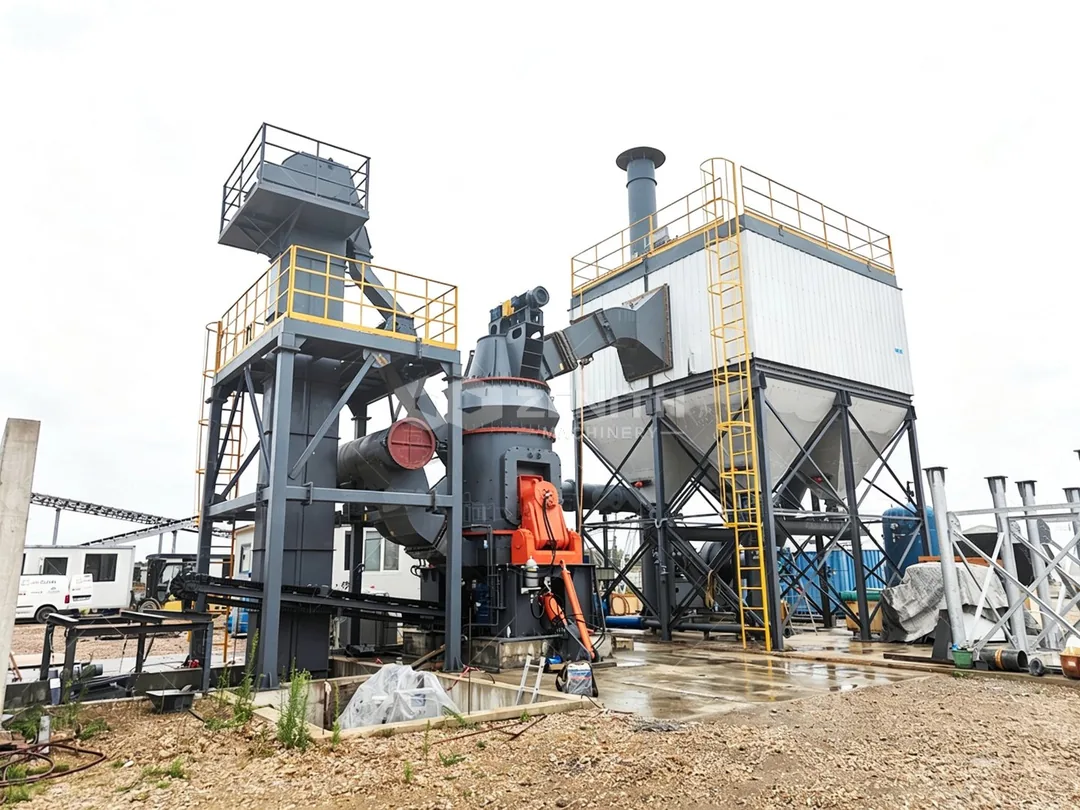
Beyond the core grinding unit, a successful 45-micron powder line requires a holistic system approach. This includes reliable feed systems to ensure a steady flow, robust dust collection that meets global environmental standards (like CE and CU-TR), and intelligent control systems. Zenith's mills are designed with automation in mind, allowing for remote monitoring and control of key parameters such as feed rate, grinding pressure, classifier speed, and temperature. This level of control is vital for maintaining the consistent product quality that industries relying on petcoke demand.
_1767175003406.jpg)
In conclusion, the requirement for a 45-micron petroleum coke powder is a precise technical specification that dictates the selection of grinding technology. It necessitates a system that combines durable grinding elements, precision air classification, energy efficiency, and clean operation. Through continuous innovation and decades of engineering experience, Zenith's suite of ring roller and vertical roller mills provides proven, certified solutions to transform challenging raw materials like petroleum coke into high-value, consistently fine powders for the global market.
Frequently Asked Questions (FAQs)
- Can your mills guarantee a strict top cut of 45 microns, or is it an average size?
Our advanced mills with dynamic classifiers are designed to achieve a specific particle size distribution. We can configure the system to ensure that D97 (97% of the particles) are below 45 microns, providing a consistent product with minimal oversize. - How does the abrasiveness of petroleum coke affect the wear parts, and what is the maintenance schedule?
Petcoke is abrasive. Our mills use high-quality wear-resistant materials for grinding rollers and rings. The maintenance interval depends on throughput and coke hardness, but our designs, like the reversible roller system in the LUM mill, allow for easy rotation and replacement to extend service life. - Is a pre-crushing stage necessary before the fine grinding mill for large petcoke chunks?
Yes. Our mills typically require a feed size of 0-35mm. For larger raw petcoke, we recommend a primary jaw crusher or hammer mill (like our HM series) to pre-reduce the material for optimal efficiency in the fine grinding circuit. - What dust collection system is integrated, and does it meet international environmental standards?
Our grinding systems operate under negative pressure and are equipped with high-efficiency pulse jet baghouse dust collectors. This design ensures no dust spillage. Our equipment holds CE, ISO, and CU-TR certifications, meeting strict international environmental and safety standards. - What is the typical energy consumption in kWh per ton for producing 45-micron petcoke powder with your mills?
Exact consumption varies with material hardness and system configuration. However, our MTW/MTM series mills typically consume 40-60% less energy than a traditional ball mill for the same output, often ranging between 25-50 kWh/t for fine petcoke grinding, depending on capacity. - Can the same mill be used to produce different finenesses, say from 200 mesh to 400 mesh, for different product grades?
Absolutely. A key feature of our trapezium and ultrafine mills is adjustable fineness. By changing the classifier speed (often via a VFD) or adjusting impellers, the same mill can produce a range of products from coarse fine powder to ultrafine powder without major mechanical changes. - Do you offer pilot testing or material testing services before designing a full system?
Yes, we strongly recommend and offer material testing services at our facility or can support on-site trials. Testing allows us to determine the optimal mill model, power requirements, and wear characteristics specific to your petcoke sample. - How does the moisture content of the feed petroleum coke impact the grinding process?
High moisture can lead to clogging and reduced grinding efficiency. Our systems are designed for dry grinding. For petcoke with elevated moisture, we can integrate a pre-drying system using hot air, which can be introduced into the mill (like in the LM vertical mill) to simultaneously dry and grind the material.